
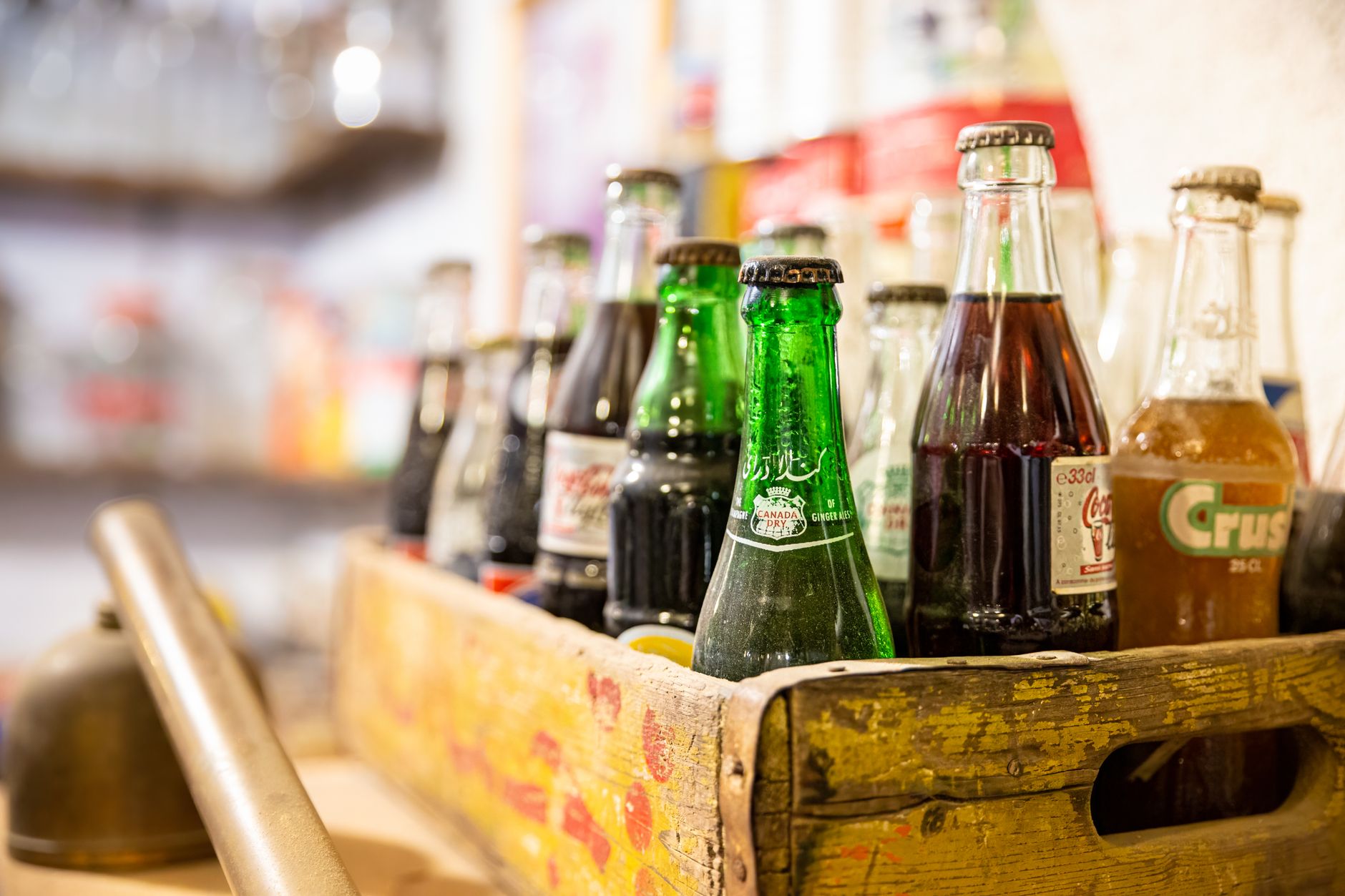
Soda has become an integral part of our modern diet, with a wide variety of flavors and brands available on every grocery store shelf. But have you ever wondered what the first soda ever made was? Understanding the origins of this popular beverage not only gives us insight into its evolution but also highlights the role of carbonation in our food history.
This article will delve deep into the fascinating story behind the first soda, its ingredients, and how home brews resembling it can be made today. Whether you are a soda aficionado or someone who simply enjoys a refreshing drink, this exploration will help you appreciate the unique journey of soda in our culture.
What Was The First Soda Ever Made?
The first soda is widely considered to be “soda water,” which dates back to the late 18th century. Joseph Priestley, an English chemist, discovered a method of infusing water with carbon dioxide in 1767. This fizzy concoction quickly became popular, leading to the development of flavored sodas later on.
The Transition from Mineral Water to Flavored Soda
Before the advent of carbonated soft drinks, natural mineral waters were prized for their supposed health benefits. The method discovered by Priestley paved the way for creating artificial mineral waters that could mimic the naturally occurring effervescence found in spring water.
Early Commercialization
In the late 1700s, the commercialization of carbonated beverages began. A prominent figure in this movement was Johann Jacob Schweppe, who founded Schweppes in Geneva in 1783. Schweppe started producing carbonated mineral waters, which gained immense popularity across Europe.
The Birth of Flavored Sodas
While carbonated water was initially enjoyed plain, it soon led to ventures in flavoring. In the early 1800s, drinks were flavored with a mix of herbs, spices, and fruit extracts. The first flavored soda is credited to the creation of root beer around this time, which was made from roots such as sassafras and sarsaparilla.
The Ingredients of Early Sodas
The first sodas were not as simple as we might think. Here are key ingredients that characterized early sodas:
- Carbonated Water: Infused with carbon dioxide, this was the foundation of soda.
- Herbs and Roots: Ingredients like sarsaparilla and wintergreen were popular for their distinctive flavors and health benefits.
- Sweeteners: Natural sweeteners, such as honey or sugar cane, were added to enhance flavor.
- Acids: Acids like citric or tartaric acid would sometimes be added for brightness.
Iconic Early Sodas
As soda evolved, many iconic beverages emerged. One noteworthy example is “Dr Pepper,” widely considered to be one of the oldest soft drinks in the United States, created in the 1880s. Here are a few others:
- Coca-Cola: Invented in 1886 by pharmacist John Stith Pemberton, Coca-Cola initially marketed itself as a medicinal tonic.
- Pepsi-Cola: Created in 1893, Pepsi originally began as a drink called “Brad’s Drink” before being rebranded.
- Root Beer: While the exact origins are murky, root beer gained prominence in the 1800s, often brewed in homes using a range of roots and spices.
Homemade Soda Recipes: A Nod to Tradition
If you’re interested in diving into the world of traditional soda-making, you can try your hand at creating homemade sodas that pay homage to early recipes. Here are two classic soda recipes that will allow you to experience the art of soda making first-hand.
Fermented Ginger Beer Recipe
This ginger beer recipe is an easy way to create a naturally fizzy drink that has been made for centuries.
Yield: About 2 quarts
Preparation Time: 30 minutes
Fermentation Time: 48 hours (plus additional time for flavoring)
Ingredients
- 2 cups of fresh ginger, peeled and grated
- 1 cup of sugar
- 1 lemon, juiced
- 1/4 teaspoon of active dry yeast
- Filtered water (enough to fill a 2-quart container)
Essential Equipment
- Large mixing bowl
- 2-quart glass jar with a lid
- Fine mesh strainer or cheesecloth
- Bottle for storage
Instructions
- In a mixing bowl, combine the grated ginger, sugar, lemon juice, and yeast.
- Add enough filtered water to fill the bowl, stirring well to dissolve the sugar.
- Cover the bowl with a cloth and let it sit at room temperature for about 30 minutes.
- Pour the mixture into the glass jar, leaving some headspace. Seal tightly.
- Leave the jar at room temperature for 24 to 48 hours until carbonation develops. Shake occasionally to release gas.
- Once bubbly, strain the concoction into a clean bottle, discarding the solids. Seal the bottle tightly and refrigerate.
Best Homemade Root Beer Recipe
This root beer recipe allows you to recreate the deep, rich flavors of traditional root beer directly in your kitchen.
Yield: About 1 gallon
Preparation Time: 20 minutes
Chill Time: 1-2 hours
Carbonation Time: Up to 3 days
Ingredients
- 1 cup of sarsaparilla root, dried
- 1 cup of sassafras root, dried and ground
- 1/2 cup of birch bark, dried
- 2 cups of sugar
- 1/4 teaspoon of active dry yeast
- Filtered water (to fill 1 gallon)
Essential Equipment
- Large pot
- 1-gallon jug or container
- Fine mesh strainer or cheesecloth
- Bottles for storage
Instructions
- In a large pot, bring 4 cups of water to a boil. Add the sarsaparilla, sassafras, and birch bark. Simmer for 30 minutes.
- Strain the liquid through a fine mesh strainer into a large mixing bowl and add 1 gallon of cold filtered water.
- Stir in the sugar until fully dissolved.
- Once cooled, sprinkle the yeast into the mixture and stir gently. Transfer it to a clean jug or container.
- Seal the container loosely with a lid or cloth for air circulation. Allow it to sit at room temperature for up to three days, checking daily for carbonation.
- Once fizzy, strain it again if necessary and transfer it to bottles. Seal tightly and refrigerate.
Common Mistakes in Soda-Making
While making soda at home can be a fun and rewarding experience, here are some common pitfalls to avoid:
- Not sanitizing equipment: Ensure all equipment is thoroughly cleaned to prevent unwanted fermentation.
- Using too much sugar: While sweetness is essential, excessive sugar can result in overly sweet soda or cause bottle explosions.
- Ignoring fermentation times: Sodas need time for the yeast to create carbonation. Rushing the process can lead to flat sodas.
- Disregarding taste tests: Always taste your creation before bottling to ensure the flavor is to your liking.
Why Soda Has Stood the Test of Time
Soda has persevered through changing consumer tastes and health awareness, becoming a staple beverage worldwide. The delightful bubbliness combined with flavors ranging from classic cola to the confectionery flavor of root beer has cemented its place in our dietary landscape.
Yet, as soda evolves, so do our preferences. More consumers are gravitating toward natural and low-sugar alternatives, prompting companies to innovate and adapt. Home soda-making aligns seamlessly with this trend towards more health-conscious and customizable beverage choices.
Storage and Shelf Life
Once your homemade soda is ready, proper storage is crucial. Here are some tips:
- Refrigerate homemade sodas immediately after achieving carbonation to slow fermentation.
- Once chilled, consume within one to two weeks for optimal fizz and flavor.
- Keep in mind that homemade sodas do not contain preservatives and may ferment further or become flat upon prolonged storage.
Exploring the origins of soda provides a unique perspective on this beloved beverage. From Joseph Priestley’s pioneering carbonation techniques to today’s artisanal soda makers, the journey of soda captures a blend of science, culture, and creativity.
Next time you sip a fizzy drink, you can appreciate the long and storied history of soda making, starting from its humble beginnings to the effervescent delight it is today.
If you’re eager to join in on the fun of creating your own soda, explore our guides on making your favorite fermented ginger beer recipe or the best homemade root beer recipe. Enjoy your culinary adventure into the world of soda!