
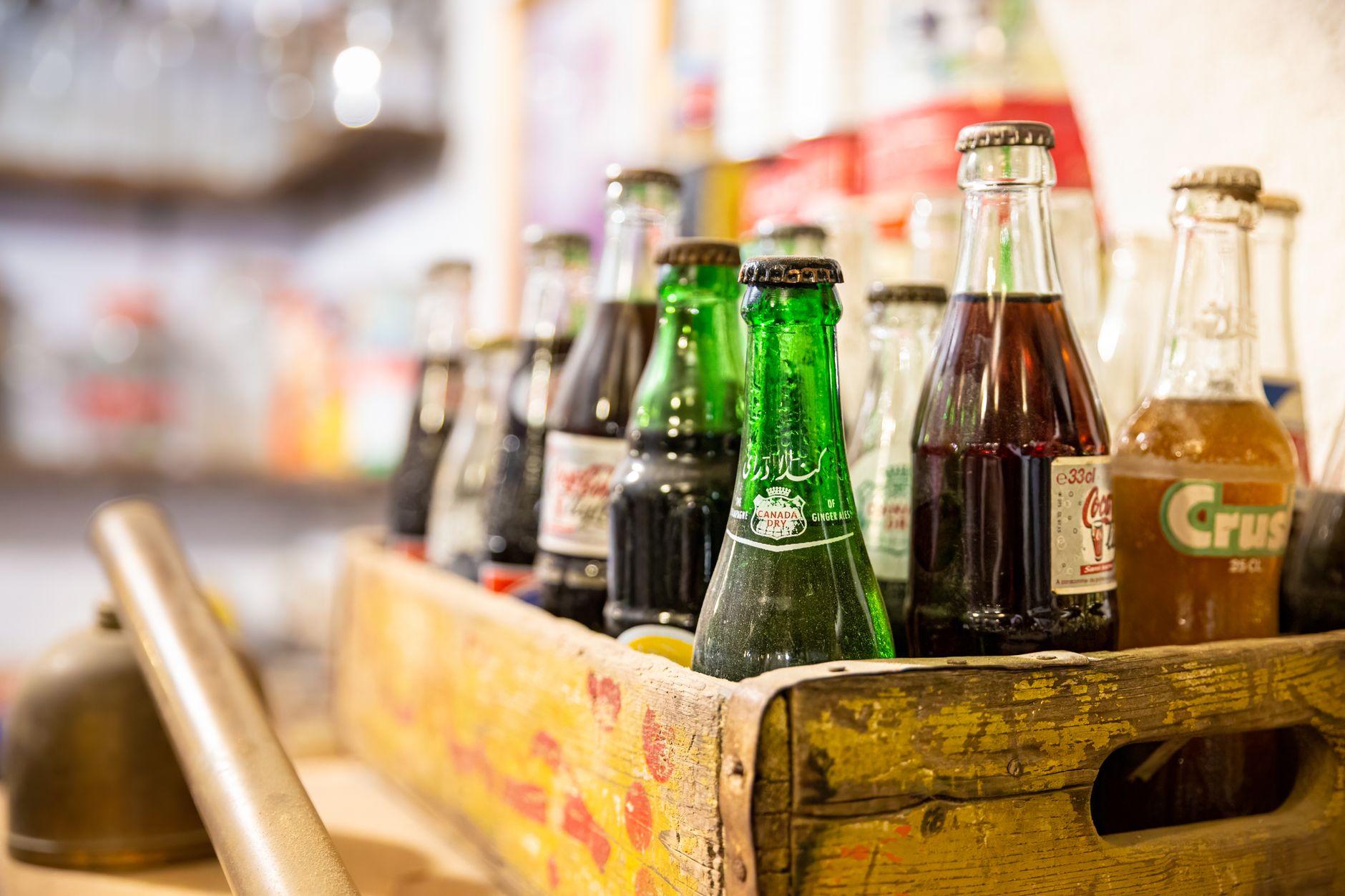
The first ever soda is a fascinating aspect of beverage history that reflects both innovation and tradition. Sodas, often enjoyed for their refreshing flavors and effervescence, have evolved significantly since their inception. Understanding their origins not only deepens our appreciation for these fizzy drinks but also offers insightful context regarding their recipes and production.
The journey to the first soda begins in the late 18th century with the invention of carbonated water. This article explores the origins, notable early recipes, and the evolution of sodas, along with practical tips for making your own versions today.
What Was The First Ever Soda?
The first soda is generally attributed to Joseph Priestley, an English chemist who discovered how to infuse water with carbon dioxide in 1767, creating carbonated water. This innovation led to experiments with flavored syrups, and by the late 18th century, the first flavored sodas began to emerge.
The Origins of Soda: A Historical Perspective
Joseph Priestley’s groundbreaking work paved the way for the development of what we now recognize as soda. The first commercial soda is believed to have been created in the 1770s when a pharmacist named Johann Jacob Schweppe, inspired by Priestley’s findings, developed a process for carbonating water. By 1783, he founded a company that produced carbonated mineral water.
In the following years, the combination of carbonated water with sugar and various flavors led to the creation of different sodas. The first flavored soda is often credited to an American named Benjamin Silliman, who, in 1835, created a drink called “soda water,” blending sugar, water, and flavors like lemon.
Notable Early Sodas
- Sarsaparilla: One of the earliest popular sodas in the United States, made from root extracts and often associated with the Wild West.
- Root Beer: Originating in the early 19th century, this soda is flavored with sassafras root and was created as a medicinal tonic.
- Cola: Coca-Cola, developed by John Stith Pemberton in 1886, combined carbonated water, sugar, and flavors from the kola nut and coca leaf, leading to the most iconic soda brand in history.
The Evolution of Soda Production
The 19th century saw the rise of soda fountains, which became central to American culture, particularly in the mid-1900s. These fountains allowed patrons to enjoy freshly mixed drinks that could be customized based on individual taste preferences.
Many soda manufacturers began producing their own concentrated syrups, which could be mixed with carbonated water at the point of sale. This production method increased variety and portability, making sodas accessible to a wider audience.
Key Innovations in Soda Making
- Carbonation Techniques: Early sodas used natural fermentation or manual carbonation methods. The invention of carbonation systems allowed for controlled and consistent carbonation levels.
- Syrup Development: With advancements in chemistry, manufacturers experimented with various flavors and sweeteners, leading to a diverse array of sodas.
- Commercial Bottling: The introduction of bottling plants in the late 1800s revolutionized soda distribution, allowing for mass production and wider distribution.
Creating Your Own Soda at Home
Homemade soda allows enthusiasts to experiment with flavors and ingredients while avoiding artificial additives commonly found in commercial sodas. Below, we explore the essential components needed to create your own soda at home.
Essential Ingredients
- Carbonated Water: This is the base of all sodas. You can purchase club soda or carbonate your own using a soda maker.
- Sweetener: Common sweeteners include granulated sugar, simple syrup, honey, or alternative sweeteners like agave nectar or stevia.
- Flavors: Natural flavoring agents can include fruit juices, herbs, spices, or extracts. Popular choices are lemon, ginger, vanilla, and mint.
Equipment You’ll Need
- Large mixing bowl
- Soda maker or store-bought carbonated water
- Bottles for storing your soda
- Measuring cups and spoons
- Funnel (optional for easier pouring)
Step-by-Step Guide to Homemade Soda
- In a large mixing bowl, combine your sweetener and flavoring agent. If using a concentrated syrup, mix according to your taste preference.
- Slowly add carbonated water to the bowl, stirring gently to combine. Be careful not to agitate the mixture too much, as it can cause the soda to fizz excessively.
- Taste your soda and adjust sweetness or flavoring as needed. You can add more syrup or flavoring if desired.
- Using a funnel, pour the soda into your bottles, leaving about an inch of headspace at the top.
- Seal the bottles tightly and refrigerate. Enjoy your homemade soda chilled!
Flavors to Experiment With
Here are some delightful flavor combinations to consider when creating your homemade soda:
- Citrus Fizz: Mix fresh lemon and lime juice with sweetener for a vibrant citrus soda.
- Ginger Ale: Combine fresh ginger, sugar, and lemon juice for a zesty homemade ginger ale.
- Berry Burst: Blend fresh berries like strawberries or raspberries with sugar and a splash of lemon juice.
Common Mistakes and Troubleshooting
Creating soda at home can be a fun experiment, but there are common pitfalls to avoid:
- Overcarbonation: If you carbonate your water yourself, be cautious not to add too much pressure, which can cause bottles to burst.
- Inconsistent Flavors: If your soda ends up tasting too weak or too strong, keep a log of your ratios to refine your recipe for future batches.
- Sweetness Levels: Sugar-based sweeteners may react differently when carbonated. Always taste-test before bottling to avoid overly sweet or bland sodas.
Storage and Enjoyment Tips
Once you’ve made your soda, proper storage and presentation can enhance your enjoyment:
- Keep homemade sodas refrigerated if not consumed immediately, and aim to finish them within a week for optimal freshness.
- Serve in chilled glasses with ice for a refreshing treat on hot days.
- Add garnishes like fresh herbs or slices of fruit for an appealing presentation.
Exploring the Modern Soda Landscape
Today, the soda industry thrives with an unparalleled variety of flavors and brands. From craft sodas to low-calorie options, the landscape continues to evolve. Brands emphasizing natural ingredients and unique flavors are gaining popularity, reflecting consumers’ demand for quality and authenticity.
The Role of Craft Sodas
- Artisanal Flavors: Many craft soda companies focus on unique flavor profiles using locally sourced ingredients, such as birch beer, lavender, or hibiscus.
- Health-Conscious Options: The rise in awareness about sugar and artificial ingredients has led to the popularity of beverages sweetened with stevia or flavored with botanicals.
Soda Trends
- Alcohol-Infused Sodas: Combining sodas with spirits has brought about a new wave of drinks, ideal for social outings.
- Sparkling Water Alternatives: Brands are capitalizing on the health trend by offering sparkling beverages that feature flavors without added sugars.
Final Thoughts
The journey from the first discovery of carbonated water to today’s diverse soda marketplace is a testament to innovation and creativity. Understanding the history of soda not only enriches our appreciation for these beverages but also encourages experimentation in our kitchens. Whether you opt for traditional flavors or venture into creative combinations, making your own soda can be an enjoyable and refreshing experience.
As you explore the world of sodas, consider trying some of these related recipes: check out our whisky soda recipe for a classic twist or try out our orange soda recipe for a fruity delight. Happy sipping!