
Coffee is not just a drink; it’s a ritual, a comfort, and for many, a daily necessity. Yet, the question of what temperature to brew coffee can significantly affect the flavor and overall experience. Understanding the optimal brewing temperature ensures that you can enjoy a delicious cup every time.
This guide not only addresses the ideal brewing temperature, but it also provides tips, common mistakes, and various brewing methods to enhance your coffee experience.
What Temp To Brew Coffee?
The best temperature for brewing coffee is typically between 195°F and 205°F (90°C to 96°C). Brewing within this range helps extract the coffee’s essential oils, flavors, and aromas without over-extracting bitter compounds. Maintain this temperature for a balanced and flavorful cup of coffee.
The Science Behind Brewing Temperature
The brewing temperature plays a crucial role in how coffee flavors develop. Coffee is composed of soluble compounds that dissolve at different temperatures. If the water temperature is too low, under-extraction occurs, leading to a weak and sour taste. Conversely, if the water is too hot, over-extraction happens, yielding bitterness.
The Brew Temperature Range
Here is a quick overview of the ideal brewing temperatures and their effects:
- 195°F – 200°F (90°C – 93°C): This range is optimal for most brewing methods, producing a well-balanced flavor profile.
- 200°F – 205°F (93°C – 96°C): Slightly hotter water can enhance bold flavors but may start to introduce bitterness.
- Below 195°F (90°C): Brewing at lower temperatures may result in under-extraction, producing weak or sour notes.
- Above 205°F (96°C): This high temperature can lead to over-extraction, imparting overly bitter flavors.
How to Measure Brewing Temperature
Accurately measuring the water temperature can be done in several ways:
- Kitchen Thermometer: A digital kitchen thermometer offers precise temperature readings. Simply immerse the probe into the water before brewing.
- Temperature-Controlled Kettles: Specialty coffee kettles often have built-in temperature settings allowing you to control the brew temperature with precision.
- Boiling Water Method: If you don’t have any measuring tools, bring water to a boil and allow it to sit for about 30 seconds. This usually brings the temperature down to around 200°F (93°C).
Brewing Methods and Their Ideal Temperatures
Different brewing methods have distinct optimal temperatures. Here’s a breakdown of popular methods along with their recommended brewing temperatures.
Drip Coffee
Drip coffee makers typically function best when water is around 195°F to 205°F (90°C to 96°C). Most modern drip coffee makers are designed to naturally heat water to this temperature, so just fill it with cold water, and let the machine do the work.
French Press
For a French press, the ideal brewing temperature is slightly lower, around 200°F (93°C). After boiling your water, let it sit for around 30 seconds before pouring over the coarsely ground coffee. This allows for even extraction of flavors without introducing bitterness.
Pour Over
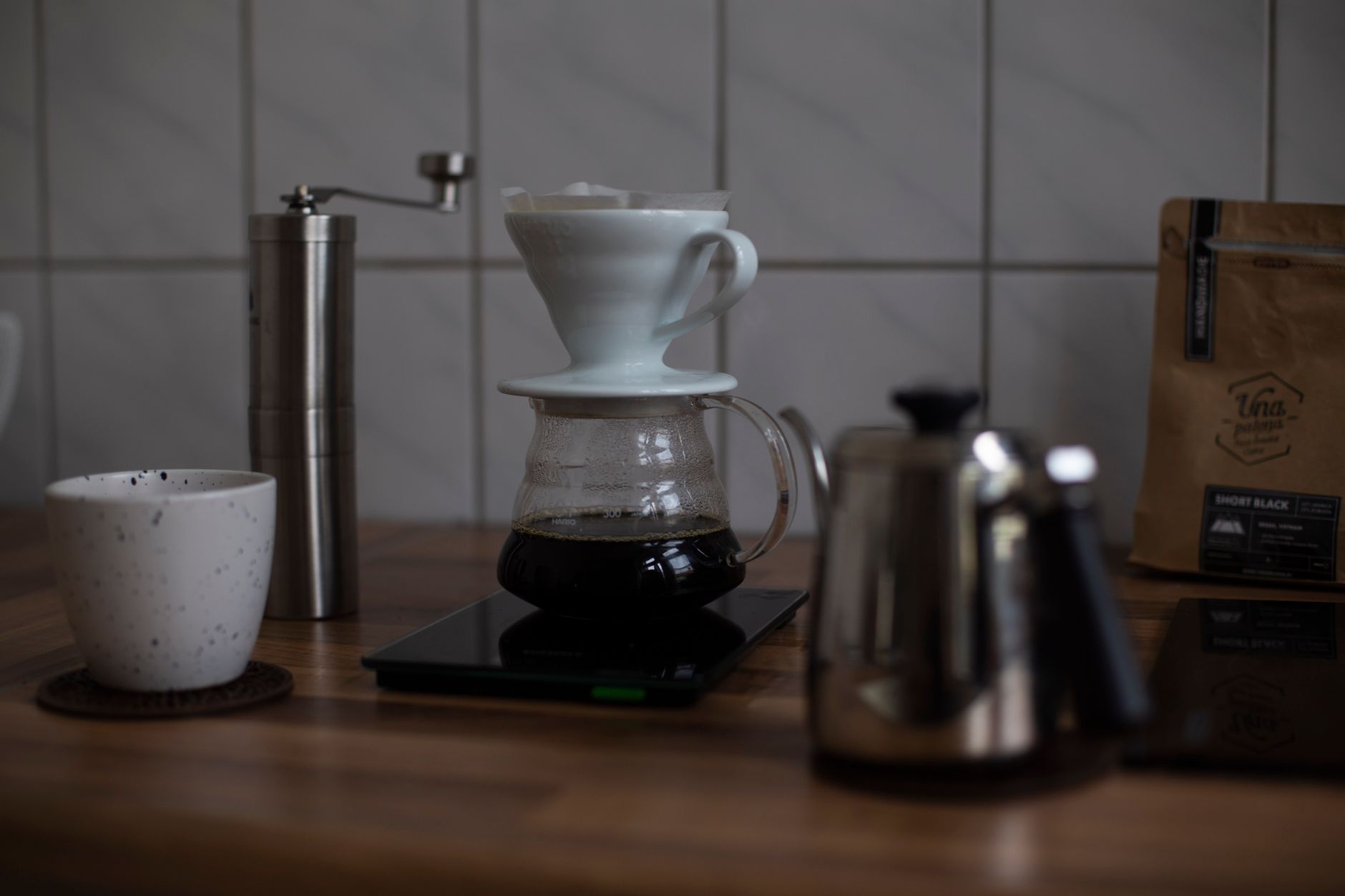
Pour over methods like Chemex or Hario V60 also benefit from water heated to the range of 195°F to 205°F (90°C to 96°C). A consistent pouring technique will help saturate the coffee grounds evenly, leading to a well-extracted cup. Aim to pour in a circular motion so that all areas of the coffee grounds are evenly extracted.
Aeropress
The Aeropress can brew coffee effectively between 175°F and 205°F (80°C to 96°C), depending on your desired flavor profile. Lower temperatures yield milder, smoother flavors, while higher temperatures create bolder and more robust cups.
Cold Brew
Cold brew coffee is unique, as it uses cold or room-temperature water (ideally around 60°F or 15°C) for an extended period. Instead of heat, cold brewing relies on time to extract flavors, typically steeped from 12 to 24 hours. While not a traditional brewing method, it still deserves mention for its cooling properties.
Tips for Brewing the Perfect Cup
While understanding the right temperature is key, there are additional tips to ensure you brew the perfect cup of coffee every time:
Use Fresh Coffee Beans
The quality of coffee beans directly impacts flavor. Use freshly roasted beans for the best experience. Ideally, grind them just before brewing for the freshest taste.
Measure Coffee to Water Ratios
Ratio plays a significant role in how your coffee tastes. A common recommendation is to use 1 to 2 tablespoons of coffee per 6 ounces of water. Adjust according to your preference but aim for consistency with your ratios.
Brewing Time
Each brewing method also has an ideal time for steeping:
- Drip coffee: 5–6 minutes
- French press: 4 minutes
- Pour over: 3–4 minutes
- Aeropress: 1–2 minutes
Keep Equipment Clean
Over time, oils and residues can build up in coffee equipment, affecting flavor. Regularly clean your coffee makers, grinders, and accessories to maintain clean flavors.
Experiment with Grind Size
Different brewing methods require different grind sizes. Use coarse grinds for methods like the French press and finer grinds for espresso. Experiment with your grind size to find your preferred taste. A general guideline is:
- Coarse grind: French press
- Medium grind: Drip coffee
- Fine grind: Espresso
Common Mistakes to Avoid
When brewing coffee, avoiding common mistakes can promote better results:
Ignoring Water Quality
Water makes up most of your coffee. Poor-quality water can ruin an otherwise great cup. Use fresh, filtered water to enhance the flavor.
Brewing at the Wrong Temperature
As mentioned, brewing at the wrong temperature can under-extract or over-extract your coffee. Stick to the recommended ranges for the best results.
Not Preheating Equipment
If you use a Chemex or French press, consider preheating the vessel with hot water before brewing to maintain optimal temperatures throughout the process.
Letting Coffee Sit Too Long
Brewed coffee should ideally be consumed within 30 minutes to an hour for the best flavor. Leaving it on a hot plate or reheating can introduce bitterness over time.
Storing Coffee Beans
To maintain the freshness of your coffee beans, adhere to these storage tips:
- Keep Coffee in an Airtight Container: Store coffee in an airtight container to limit exposure to oxygen, which can degrade its quality.
- Store in a Dark, Cool Place: Light and heat can also affect coffee quality. Keep your coffee in a dark cupboard or pantry.
- Avoid Freezing: Freezing coffee beans can cause moisture buildup when opened, leading to a loss of flavor. Only freeze if necessary, and avoid repeated thawing.
Conclusion
Understanding the optimal brewing temperature for coffee can vastly improve your coffee-drinking experience. By following the guidelines presented here, including essential tips and common pitfalls to avoid, you can create the perfect cup. Whether you love drip coffee, French press, or pour over, always aim for that sweet spot between 195°F and 205°F to maximize the flavor and enjoyment of your brew.
Next time you brew, keep these insights in mind to enjoy a rich and satisfying cup of coffee. Explore related recipes, like the Moka Pot Coffee Recipe and Iced Coffee Concentrate Recipe for more delicious coffee options.