
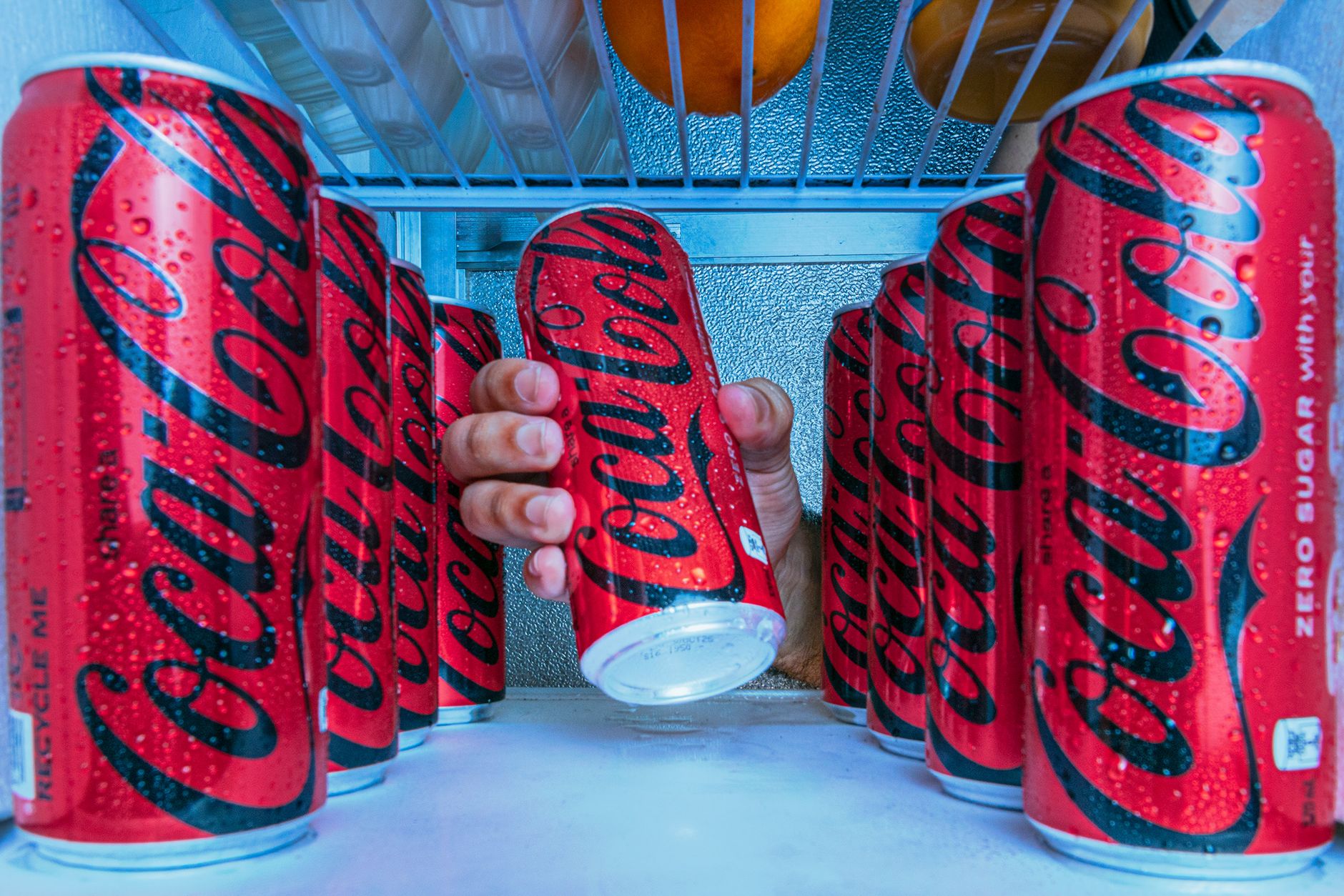
Coke Zero, a popular sugar-free soft drink, is known for its bold flavor that appeals to many soda drinkers looking to reduce sugar intake without sacrificing taste. Understanding what sweetener Coke Zero uses can help you make informed choices about your beverage consumption.
This article will delve into the details of the sweeteners used in Coke Zero, how they compare to sugar, their safety, and what you need to know about consuming products with artificial sweeteners.
What Sweetener Does Coke Zero Use?
Coke Zero contains a combination of aspartame and acesulfame potassium as its sweeteners. These low-calorie artificial sweeteners provide the drink’s sweetness without the calories associated with sugar, allowing consumers to enjoy a soda experience without the added sugar intake.
Aspartame is approximately 200 times sweeter than sugar, while acesulfame potassium, often referred to as Ace-K, is about 200 times sweeter as well. Together, they create a taste profile that closely resembles that of regular Coca-Cola, making Coke Zero a popular alternative for those seeking to cut back on sugar.
An Overview of Aspartame
Aspartame is a low-calorie sweetener made up of two amino acids: phenylalanine and aspartic acid. It has been widely used in food and beverages since the 1980s. Here are some key points about aspartame:
- Caloric Content: Aspartame contains only 4 calories per gram but is used in such small amounts that its contribution to caloric intake is negligible.
- Sweetness Level: It is about 200 times sweeter than sugar, meaning only a small quantity is required to achieve desired sweetness.
- Safety: Regulated by the FDA and other health organizations, aspartame is considered safe for the general population, except for individuals with a genetic disorder known as phenylketonuria (PKU), who must avoid phenylalanine, one of its components.
Acesulfame Potassium (Ace-K) Explained
Acesulfame potassium, commonly known as Ace-K, is another sweetener found in Coke Zero. Here are its essential attributes:
- Caloric Content: Like aspartame, Ace-K is non-caloric, contributing no calories to the beverage.
- Sweetness Level: It is about 200 times sweeter than sugar, which allows for minimal usage in food and drinks.
- Use in Combination: Acesulfame potassium is often used alongside other sweeteners, like aspartame, to enhance flavor and balance the overall sweetness.
- Safety: The FDA has deemed Ace-K safe for consumption, and it is widely used in various food products.
How Coke Zero Compares to Other Coca-Cola Products
Coke Zero is often compared to Diet Coke and regular Coca-Cola. Here’s a glimpse at how the sweeteners differ:
| Product | Primary Sweeteners | Caloric Content |
|---|---|---|
| Regular Coca-Cola | Sucrose (sugar) | 140 calories (per 12 oz) |
| Diet Coke | Aspartame | 0 calories |
| Coke Zero | Aspartame + Acesulfame Potassium | 0 calories |
Coke Zero aims to provide a flavor that closely resembles regular Coca-Cola, whereas Diet Coke distinctly has a different taste profile due to its exclusive use of aspartame.
Taste Factors: Why Coke Zero Tastes Different
The unique combination of aspartame and acesulfame potassium not only ensures zero calories but also affects how the drink tastes. Some factors influencing Coke Zero’s flavor include:
- Complexity: The blend of sweeteners creates a well-rounded sweetness, reducing bitterness that can sometimes accompany artificial sweeteners.
- Mouthfeel: The artificial sweeteners in Coke Zero mimic the mouthfeel of sugar, helping to round out the taste experience.
- Flavor Profiles: The flavorings used in Coke Zero are designed to complement the sweetness, enhancing its appeal to those who enjoy sugary sodas.
Understanding Artificial Sweeteners
Artificial sweeteners have become a topic of discussion in the health community. Concerns often arise regarding potential health impacts, safety, and public perception. Here’s what you should know:
- Health Risks: While extensively studied, some individuals still express concerns about long-term health effects. However, leading health authorities maintain that when consumed within established daily intake limits, these sweeteners are safe for the general population.
- Weight Management: Diet sodas, including Coke Zero, are sometimes chosen for weight control as they provide a sweet taste without the calories.
- Personal Preference: Taste is subjective, and many people find they prefer the flavor of Coke Zero or other diet sodas over their sugary counterparts.
Frequently Asked Questions about Coke Zero
Is Coke Zero safe for daily consumption?
For most people, moderate consumption of Coke Zero and similar beverages is considered safe. Guidelines suggest that consuming a few cans a week should not pose health risks. However, it is essential to balance your diet with whole foods and not rely solely on artificially sweetened drinks.
Does Coke Zero contain caffeine?
Yes, Coke Zero does contain caffeine, similar to regular Coca-Cola. A 12 oz can of Coke Zero has about 34 mg of caffeine.
Can Coke Zero affect blood sugar levels?
Coke Zero is considered sugar-free and contains non-nutritive sweeteners, which typically do not raise blood sugar levels. However, individual reactions can vary, particularly for people with diabetes or insulin resistance.
Are there any known side effects of consuming Coke Zero?
Some individuals may experience sensitivity to artificial sweeteners, leading to digestive issues or headaches. If you experience adverse effects, consider reducing your intake and consulting with a healthcare professional.
Conclusion: Making Informed Choices
Understanding the sweeteners used in Coke Zero helps you make informed decisions regarding your beverage choices. With aspartame and acesulfame potassium, Coke Zero offers a calorie-free alternative to traditional soda without sacrificing flavor.
Always consider how your consumption of soda fits into your overall diet, and balance it with nutritious whole foods and active lifestyle choices. As you explore the world of diet sodas, keep in mind your personal preferences and how they contribute to your overall well-being.
If you’re interested in learning more about healthy beverage choices or exploring recipes that complement a sugar-free lifestyle, check out our guides on meal planning, ingredient substitutions, and healthy snacks. Enjoy your culinary adventures!