
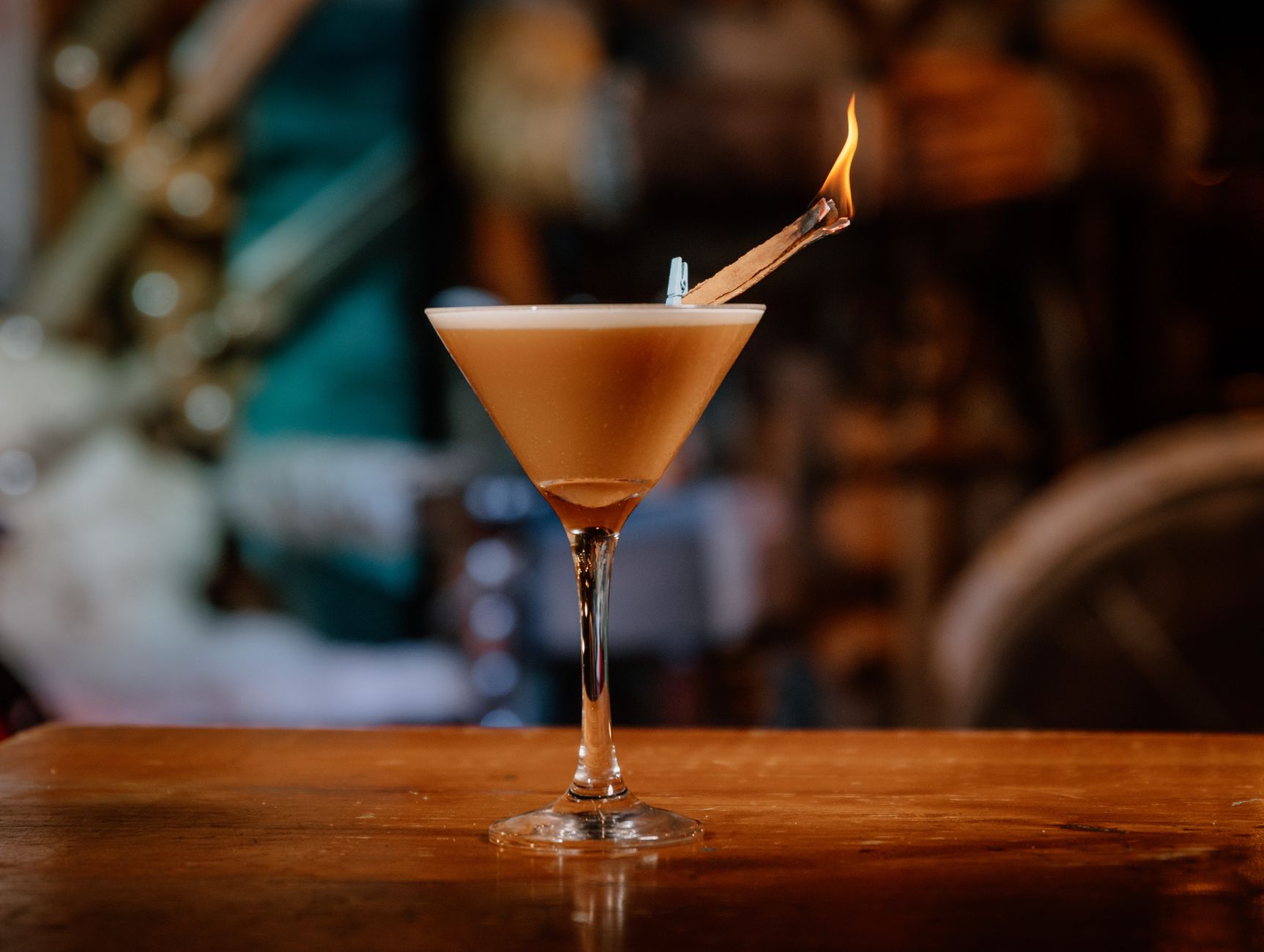
Alcohol is a versatile ingredient in the culinary world, often used for flavoring, cooking, and even flambéing dishes. Understanding the proof of alcohol is essential for several reasons, including its burning characteristics. Knowing at what proof alcohol burns can help home cooks and culinary enthusiasts achieve the desired cooking outcomes safely and effectively.
This article will delve into the important factors surrounding alcohol proof, including the science behind burning alcohol, the implications for cooking, and practical tips for using alcoholic beverages in recipes. Whether you’re looking to make a frozen Vodka Sour or a delicious Bourbon Vanilla Extract, understanding alcohol proof will enhance your culinary skills.
What Proof Does Alcohol Burn?
Alcohol typically burns when its proof is above 100 (meaning it has at least 50% alcohol by volume), while lower proof alcohols may not sustain a flame. However, other factors, such as the type of alcohol and environmental conditions, also play a crucial role.
Understanding Alcohol Proof
Alcohol proof is a measure that indicates the strength of alcoholic beverages. The proof value is calculated as twice the alcohol by volume (ABV). For example, an alcohol with 40% ABV has a proof of 80. This measurement is vital in determining its flammability and how effectively it can be used in cooking.
- Proof: Alcohol proof is a reflection of the content of ethanol in a beverage.
- ABV Percentage: ABV stands for alcohol by volume, representing the total percentage of alcohol within the beverage.
- Scaling: Higher proof drinks, exceeding 100 proof, contain more alcohol, thus burn more effectively.
How Alcohol Burns
The combustion of alcohol involves a chemical reaction between alcohol and oxygen, resulting in heat and light. When alcohol evaporates, it mixes with the air, and when ignited, it creates a flame. The ability of alcohol to burn is influenced by:
- Temperature: Alcohol requires sufficient heat to ignite, with higher proof alcohol needing less heat to start burning.
- Surface area: A larger surface area facilitates better evaporation and combustion, which is why spirits in a shallow dish ignite more easily than in a narrow container.
- Oxygen availability: Adequate oxygen must be present for the combustion to occur.
Using Alcohol in Cooking
Integrating alcohol into cooking can enhance flavors and create unique culinary experiences. Here are some methods of using alcohol safely and effectively in your dishes:
Flambé Technique
Flambéing is a cooking technique where alcohol is added to a hot dish and set on fire to enhance flavors while burning off some alcohol content.
- Heat the dish to a high temperature.
- Remove the pan from heat source and add the alcohol carefully.
- Return to heat and ignite the alcohol with a long lighter or match.
- Allow the flames to burn off the excess alcohol, typically for 1-2 minutes or until flames subside.
Alcohol Reduction
Reducing alcohol in sauces concentrates flavors while minimizing the alcohol content.
- Add wine or spirits to your sauce after sautéing vegetables or proteins.
- Simmer to evaporate the alcohol, allowing flavors to meld for about 10-20 minutes.
Practical Applications and Tips for Cooking with Alcohol
When working with alcohol in the kitchen, consider the following practical tips to ensure safety and flavor enhancement:
- Choose the Right Proof: Use higher proof liquor for flambéing. Spirits with 100 proof and above ignite readily.
- Know Your Ingredients: Different types of alcohol behave uniquely in cooking. For instance, whiskey can add depth, while wine can introduce acidity.
- Measure Carefully: Use the right amount of alcohol to achieve the desired flavor without overwhelming the dish.
- Mind the Temperature: Ensure the cooking surface is adequately heated before adding any alcohol to avoid unwanted flames.
Common Mistakes in Cooking with Alcohol
Despite being a common ingredient, mistakes can occur when using alcohol in recipes. Here are some pitfalls to avoid:
- Using too low-proof alcohol: Lower proof spirits may not ignite, resulting in inadequate flambé results.
- Over-adding alcohol: Too much can overpower other flavors or leave residual alcohol in the dish.
- Neglecting safety: Always exercise caution when igniting alcohol to prevent kitchen accidents.
Flavor Profiles of Various Alcohols
Understanding the flavor profiles of different alcoholic beverages can help in choosing the right one for your dishes:
- Wine: Adds acidity and enhances natural flavors, ideal for sauces and braises.
- Beer: Contributes to earthy flavors, commonly used in marinades and batters.
- Spirits: Pay attention to the distinct taste; whiskey could impart smokiness while rum offers sweetness.
Alcohol Substitutes
If you prefer not to use alcohol, there are substitutes available that can mimic the flavors without containing alcohol. Consider these options:
- White Wine Substitute: Mix water with vinegar (3:1 ratio) for a tangy effect.
- Red Wine Substitute: Use grape juice or pomegranate juice for similar sweetness and acidity.
- Beer Substitute: Use a non-alcoholic beer or broth adjusted with a splash of vinegar for depth.
- Spirits Substitute: Non-alcoholic spirit alternatives or flavored extracts can be used, adjusting amounts for intensity.
Cooking Safety Tips
When cooking with alcohol, following safety measures is crucial. Here are some key points to remember:
- Always work in a well-ventilated area to ensure proper air circulation.
- Keep a fire extinguisher nearby when flambéing.
- Never lean over an open flame to add alcohol; remove the pan from heat first.
- Use long-handled tools for added safety distance.
Storage and Handling Alcohol
Proper storage of alcohol can prolong the shelf life of your ingredients and maintain flavor integrity:
- Store opened bottles upright in a cool, dark place.
- Seal tightly to avoid oxidation and flavor loss.
- For maximum freshness, use within a year for spirits and within a few weeks for opened wine.
Recipes Utilizing Alcohol
To put your knowledge of alcohol proofs to the test, consider trying some recipes that include them. Here are two recommended recipes:
Bourbon Vanilla Extract
This homemade bourbon vanilla extract is easy to make and adds a rich flavor to desserts.
- Ingredients:
- 1 cup bourbon (at least 100 proof)
- 6-8 whole vanilla beans
- Split the vanilla beans lengthwise and place them in a clean glass bottle.
- Pour the bourbon over the beans, ensuring they are fully submerged.
- Seal the bottle and store it in a cool, dark place.
- Shake lightly weekly for about 8 weeks to develop flavor.
Frozen Vodka Sour
This refreshing drink is great for summer gatherings or just a relaxing evening.
- Ingredients:
- 2 oz vodka (at least 80 proof)
- 1 oz lemon juice
- 1 oz simple syrup
- Ice
- Combine vodka, lemon juice, and simple syrup in a blender.
- Add ice and blend until smooth.
- Serve chilled in a glass and garnish with a lemon slice.
Final Thoughts
Understanding the proof of alcohol and its burning characteristics can vastly enhance your culinary skills. Whether you are flambéing caramelized fruits or adding complexity to a savory sauce, alcohol can be a powerful ingredient in the kitchen. Always prioritize safety and take due care when cooking with alcohol.
Explore more recipes or cooking tips to further enhance your culinary knowledge. Consider trying your hand at creating homemade bourbon vanilla extract or refreshing vodka sour cocktails for a delightful experience in the kitchen.