
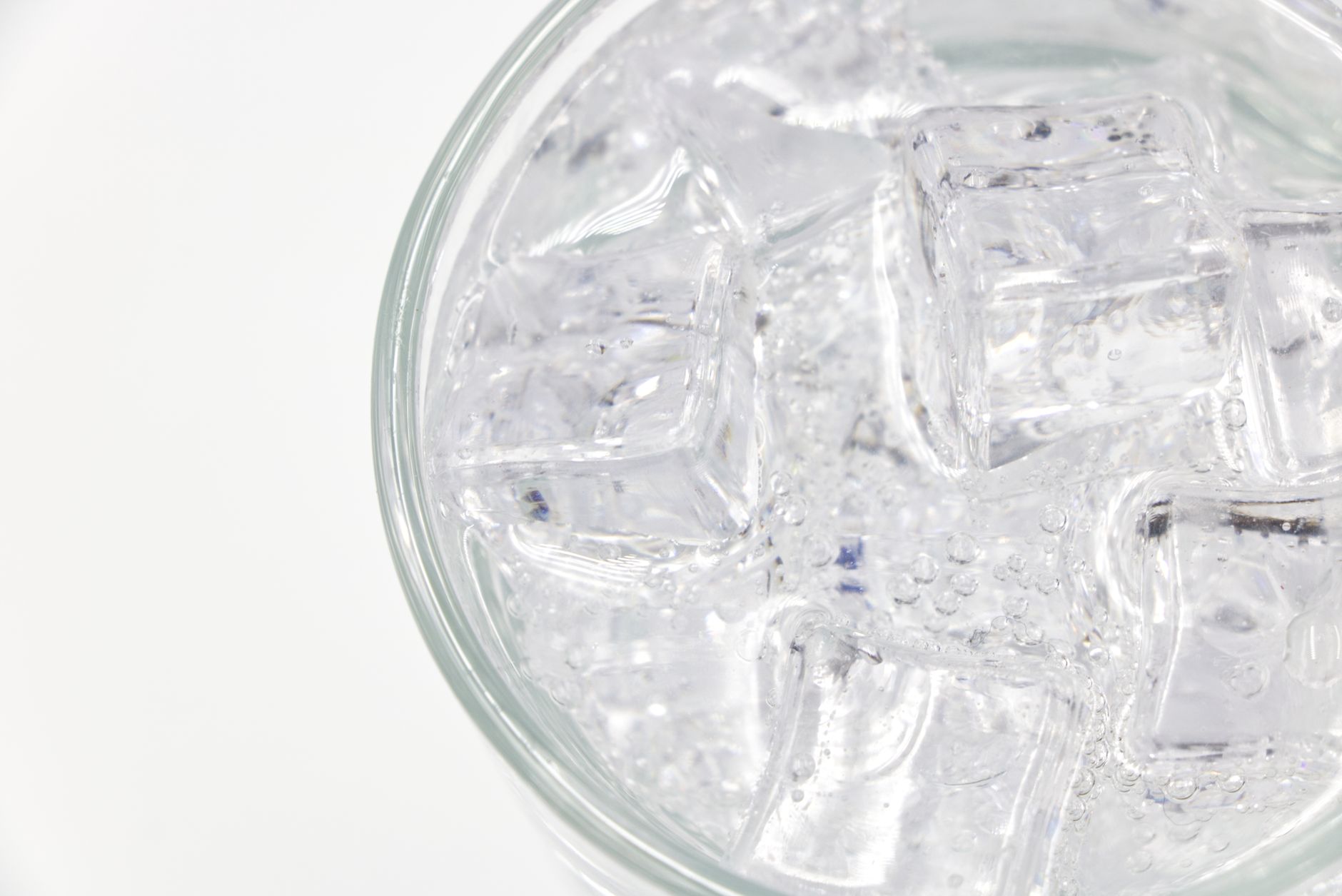
Sparkling water, with its effervescent bubbles and refreshing taste, has become a popular beverage choice for many. But have you ever wondered what makes sparkling water truly sparkle? Understanding the science behind its fizziness can enhance your appreciation of this drink and may influence your choices when selecting sparkling waters for your home. Let’s delve into the details.
In this article, we’ll explore the processes that create the characteristic bubbles in sparkling water, the different types available, and how you can enjoy them in various culinary ways. Whether you’re quenching your thirst or elevating a meal, knowing what puts the sparkle in sparkling water can be both informative and enjoyable.
What Makes Sparkling Water Sparkle?
The primary reason sparkling water sparkles is due to dissolved carbon dioxide gas (CO2). When CO2 is added to water, it creates carbonic acid, which gives sparkling water its bubbly texture and distinctive taste. The process of carbonation creates pressure in the bottle, and when opened, the release of pressure allows the gas to escape rapidly, forming bubbles.
The Carbonation Process
Several methods are used to carbonate water, each contributing to different flavor profiles and fizziness levels. Here’s a closer look at the carbonation process that puts the sparkle in sparkling water.
Natural Carbonation
Natural sparkling waters, often sourced from springs, contain dissolved CO2 naturally occurring in the water. This occurs when rainwater absorbs carbon dioxide from the atmosphere and passes through mineral-rich layers underground. The resulting natural springs produce water with a unique taste depending on the minerals present.
Artificial Carbonation
Most commercially-produced sparkling waters use artificial carbonation. This method involves several steps:
- Purification: Waters are purified to eliminate any impurities that may affect flavor.
- Carbonation: Carbon dioxide is injected into the water under pressure, creating a bubbly texture.
- Flavoring (optional): Some brands add natural or artificial flavors to enhance the taste of their sparkling water.
Types of Sparkling Water
When shopping for sparkling water, it’s important to understand the various types available. Here’s a breakdown of common types:
1. Club Soda
Club soda is sparkling water infused with minerals like sodium bicarbonate or potassium sulfate. These minerals impart a slight salty flavor, making it a popular choice for mixed drinks.
2. Tonic Water
Tonic water combines carbonated water with quinine, a compound derived from the bark of the cinchona tree. It has a distinct bitter flavor and is often enjoyed with gin.
3. Seltzer Water
Seltzer is simply carbonated water without added minerals or flavors. It tends to have a crisp, clean taste, making it ideal for mixing cocktails or enjoying on its own.
4. Sparkling Mineral Water
This type of sparkling water is naturally carbonated and contains minerals from the source spring, contributing to its flavor. Popular brands include Perrier and San Pellegrino.
Exploring the Flavor Profile
The flavor of sparkling water can vary significantly depending on how it is carbonated and what minerals are present. Understanding these variations can help you choose the right sparkling water for your palate.
Influence of Minerals
Minerals such as magnesium, calcium, and sodium can affect both flavor and mouthfeel. For instance, higher mineral content might lend a creamier texture compared to lighter, crisper waters. Keeping this in mind can enhance your experience when selecting a sparkling water to pair with a meal.
Using Sparkling Water in Recipes
Sparkling water is not just a drink; it can also enhance culinary creations in a variety of ways. Here are some practical applications in cooking and drink mixing:
1. Cooking Techniques
Using sparkling water in cooking can add a unique twist to traditional recipes. Here’s how:
For Batter and Breading
Incorporating sparkling water into batters for pancakes, tempura, or fritters can yield a lighter texture. The bubbles in sparkling water create air pockets, resulting in a fluffier final product. Here’s how to do it:
- Replace regular water or milk with sparkling water in any batter recipe.
- Mix until just combined to maintain the bubbles.
- Cook as directed for light and airy results.
In Sauces and Soups
For creamy or base sauces, using a splash of sparkling water can help achieve a smoother consistency. It can also lighten up thick soups, giving them a refreshing quality.
2. Cocktails and Mocktails
Sparkling water is incredibly versatile when it comes to drinks. It can be used to add fizz and flavor without added sugars or calories. Consider these ideas:
Refreshing Spritzers
Mix equal parts sparkling water and your choice of fruit juice for a refreshing spritzer. Some combinations include:
- Orange Juice with Sparkling Water
- Cranberry Juice with Sparkling Water
- Lemonade with Sparkling Water
Cocktail Mixer
Use sparkling water as a mixer in cocktails to add effervescence. Classic pairings include:
- Gin and Tonic (with tonic water)
- Mojito (with fresh mint and lime juice)
- Whiskey Highball (whiskey mixed with carbonated water)
3. Hydration and Infusion
Enhance your hydration routine by infusing sparkling water with fruits and herbs. Simply add slices of cucumber, berries, or mint to sparkling water for a refreshing drink. This not only improves flavor but also makes drinking water more exciting.
Common Mistakes When Choosing Sparkling Water
When selecting or using sparkling water in cooking or cocktails, there are common pitfalls to avoid. Here are some tips:
1. Selecting the Wrong Type
Choosing the wrong sparkling water for recipes is a common mistake. Always consider the flavor profile you desire. If you’re making a cocktail, avoid using flavored sparkling waters unless it complements your ingredients.
2. Forgetting to Chill
For optimal taste and refreshment, sparkling water should be served chilled. Serving it at room temperature may affect the bubbles and overall crispness.
3. Not Considering Carbonation Levels
Some sparkling waters are more carbonated than others. When mixing drinks or using in recipes, consider how intense the carbonation is, as this can affect the final texture or taste.
Storage and Serving Tips
Proper storage and serving can significantly impact the freshness and fizz of sparkling water. Here are tips for storing:
1. Store in a Cool, Dark Place
Keep sparkling water in a cool and dark environment to preserve its carbonation. Avoid exposing it to heat or direct sunlight, which can accelerate the loss of bubbles.
2. Serve in Appropriate Glassware
Use glassware designed to showcase the bubbly texture of sparkling water. Highball glasses or flutes can emphasize the effervescence while allowing for a better tasting experience.
Testing Your Sparkling Water Knowledge
Understanding the different types and properties of sparkling water can enhance your culinary confidence. Consider conducting a taste test of different sparkling waters to identify your preferences. Experiment with flavors and combinations to discover your favorite pairings.
Conclusion
Sparkling water’s sparkle comes from the carbonation process, with bubbles produced by dissolved CO2 creating a refreshing beverage experience. Knowing the various types of sparkling waters, their flavors, and culinary applications enhances your ability to enjoy and serve them effectively.
Next time you’re selecting a sparkling water, you’ll be equipped with the knowledge of what to look for, how to use it in recipes, and the various types available. Whether used in cooking, mixed drinks, or refreshing hydration, sparkling water will undoubtedly add a delightfully effervescent touch to your table.
For more creative uses of beverages, check out our natural soda recipe and discover the delightful world of French soda recipes to elevate your drink game.