
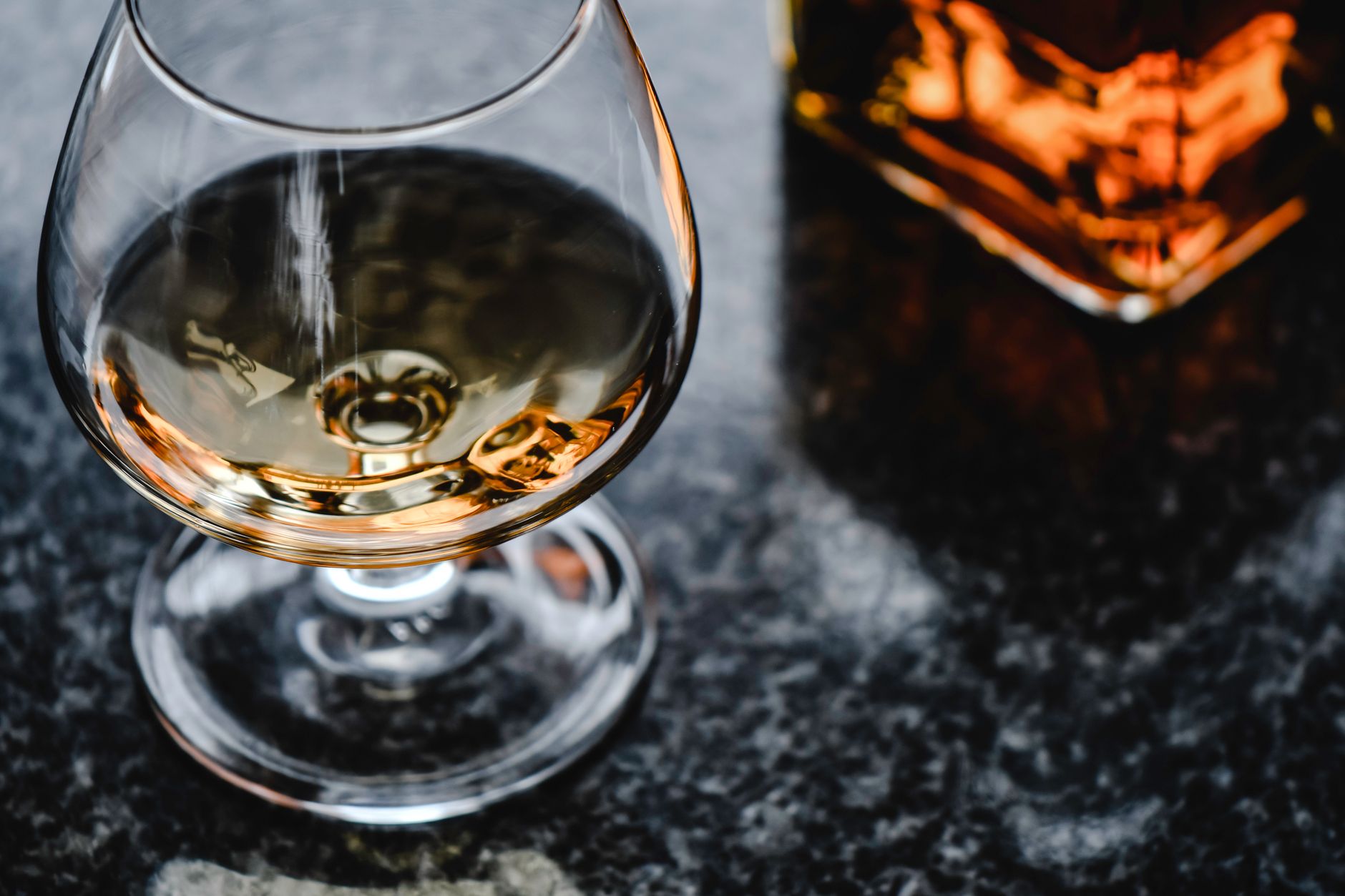
Cognac is a premium type of brandy that originates from the Cognac region in France. It is known for its rich flavor profile and exquisite smoothness, making it a favored choice among connoisseurs and casual drinkers alike. This article explores what cognac is, how it is produced, its various classifications, and ways to enjoy it.
Understanding cognac can elevate your appreciation for this unique spirit. We will also cover some useful tips for choosing, serving, and incorporating cognac into cocktails and culinary dishes. Let’s dive into the rich world of cognac!
What Kind of Liquor Is Cognac?
Cognac is a type of brandy that is distilled from white grapes, primarily the Ugni Blanc variety. The liquor undergoes a specific production process that includes fermentation, double distillation, and aging in oak barrels. Cognac must be produced in the Cognac region of France and adhere to strict regulations to be labeled as such.
How Is Cognac Made?
The production of cognac involves several meticulous steps, each contributing to its distinct characteristics.
1. Harvesting the Grapes
The journey begins in September and October, when the grapes are harvested. Only specific white grape varieties are used, with Ugni Blanc being the most prevalent. Other varieties include Folle Blanche and Colombard. The quality of grapes is crucial, and they are typically picked at a lower sugar content to facilitate the fermentation process.
2. Fermentation
After harvesting, the grapes are pressed, and the grape juice is allowed to ferment for about three weeks. This fermentation converts the sugars in the grape juice into alcohol, resulting in a low-alcohol wine called “brouillis” with an alcohol content between 7-10%.
3. Distillation
The next step is double distillation, which occurs in pot stills known as “alambics.” The first distillation produces a liquid called “brouillis,” and the second distillation refines this liquid into a stronger spirit called “eau de vie,” typically around 70% alcohol by volume (ABV). The heart of this distillation contains the desired flavors.
4. Aging
Once distilled, the eau de vie is transferred to oak barrels for aging. The aging process is essential as it allows the cognac to develop complex flavors and aromas. Cognac must be aged for a minimum of two years, but many premium brands choose to age their spirits for much longer, sometimes up to several decades.
5. Blending
After aging, cognac may be blended with other eau de vie to create a consistent flavor profile. Master blenders play a crucial role in this process, selecting various casks to achieve the desired taste.
6. Bottling
Finally, the cognac is filtered and bottled. It can be enjoyed neat, on the rocks, or incorporated into cocktails.
What Are the Different Classifications of Cognac?
Cognac comes in several classifications based on the age and quality of the spirit. Here are the primary categories:
- VS (Very Special): Cognac that is aged for at least two years.
- VSOP (Very Superior Old Pale): Cognac that is aged for a minimum of four years.
- XO (Extra Old): Cognac aged for a minimum of ten years. As of April 2018, the minimum aging for XO was increased from six years to ten.
- Napoléon: Cognac that is typically of equal or greater age than XO but does not necessarily have a strict minimum aging requirement.
- Hors d’Age: This designation indicates cognacs that are aged significantly longer than XO, often up to 30 years or more.
Flavor Profile of Cognac
Cognac is celebrated for its complex flavor profile, often characterized by notes of fruit, flowers, and spices. Below are some common flavors you may encounter:
- Fruity: Common flavors include dried fruits like figs, raisins, and apricot, as well as fresh fruits like apples and pears.
- Floral: Various cognacs exhibit floral notes, including jasmine, violets, and orange blossom.
- Spicy: Oak aging imparts spices such as cinnamon, nutmeg, and clove.
- Nuts: Many cognacs have nutty undertones, including hazelnuts and almonds.
- Chocolate/Coffee: Darker cognacs may have hints of chocolate and coffee, adding depth to their flavor.
How to Enjoy Cognac
There are several enjoyable ways to experience cognac, whether you prefer sipping it neat or mixing it into cocktails.
Sipping Neat
The traditional way to enjoy cognac is neat at room temperature. Use a tulip-shaped glass, sometimes called a snifter, to appreciate the aromas fully. Swirl the cognac gently in the glass before taking a sip to enhance the sensory experience.
On the Rocks
Some prefer to enjoy cognac on the rocks. Adding ice can slightly dilute the spirit and lower the temperature, making it refreshing, especially in warmer months.
Cocktails with Cognac
Cognac can be a fantastic base spirit for cocktails. Here are a few popular cocktails that feature cognac:
- Cognac Old Fashioned: A twist on the classic Old Fashioned, using cognac instead of whiskey.
- Brandy Cocktail: A classic drink made with cognac, sweet vermouth, and a dash of orange bitters.
Cooking with Cognac
Cognac is not only for sipping; it can also enhance the flavor of various dishes. Here are some ideas for incorporating cognac into your cooking:
1. Marinades
Add cognac to marinades for meats, especially beef and pork, to impart depth and sophistication.
2. Sauces
Incorporate cognac into sauces such as cream sauces or reductions for steak dishes. It adds elegance and a rich flavor to the sauce.
3. Desserts
Using cognac in desserts can create a wonderful flavor profile. Pair it with chocolate or use it in fruit compotes for a luxurious touch.
4. Flambé
Cognac can be used in flambé dishes, adding a dramatic presentation and intense flavor when cooked off in a pan.
Cognac and Food Pairing
Choosing the right food to pair with cognac can enhance your tasting experience. Here are some general pairing suggestions:
- Cheese: Aged cheeses like Gouda or blue cheese complement the richness of cognac.
- Chocolate: Dark chocolate desserts or truffles pair beautifully with the complex flavors of cognac.
- Grilled Meats: Meats with rich marinades or grilled flavors work well with cognac.
- Fruit-Based Dishes: Dishes featuring dried fruits or compotes can enhance the fruity notes of cognac.
Storing Cognac
Proper storage of cognac is essential to maintain its quality and flavor. Here are some guidelines:
- Keep it Upright: Store cognac bottles upright to prevent the cork from deteriorating.
- Temperature: Store in a cool, dark place, away from direct sunlight and temperature fluctuations.
- Seal It Properly: Once opened, ensure the cork is replaced tightly to prevent oxidation.
Cognac Cocktails to Try
If you want to experiment with cognac in cocktails, here are a few classic recipes:
Cognac Sour
- 2 oz cognac
- 3/4 oz freshly squeezed lemon juice
- 1/2 oz simple syrup
- Ice cubes
- Garnish: Lemon twist
Combine cognac, lemon juice, and simple syrup in a cocktail shaker with ice. Shake well and strain into a rocks glass filled with ice. Garnish with a lemon twist.
Cognac Martini
- 2 oz cognac
- 1 oz dry vermouth
- Ice cubes
- Garnish: Lemon twist or cherry
In a mixing glass filled with ice, combine cognac and dry vermouth. Stir and strain into a chilled martini glass. Garnish with a lemon twist or a cherry.
Common Mistakes to Avoid
When enjoying or cooking with cognac, keep these common mistakes in mind:
- Overly Chilling: Freezing cognac or serving it too cold can mask its flavors. Serve at room temperature or slightly chilled.
- Mixing with Low-Quality Ingredients: Use quality mixers and ingredients to maintain cognac’s rich flavors in cocktails.
- Ignoring the Glassware: The right glass can enhance the aroma and flavor. Use tulip glasses for neat servings.
Conclusion
Cognac is a distinctive and sophisticated spirit that deserves to be explored. Its rich flavor profile and versatility offer numerous ways to enjoy it, whether sipping it neat, mixing it into cocktails, or cooking with it. Understanding cognac’s production process and characteristics can elevate your appreciation and enjoyment of this luxurious liquor.
To further enhance your culinary journey, consider exploring related recipes, cooking tips, or food guides. Check out our recipes for the Cognac Old Fashioned and the Brandy Cocktail for delightful ways to incorporate cognac into your experience.