
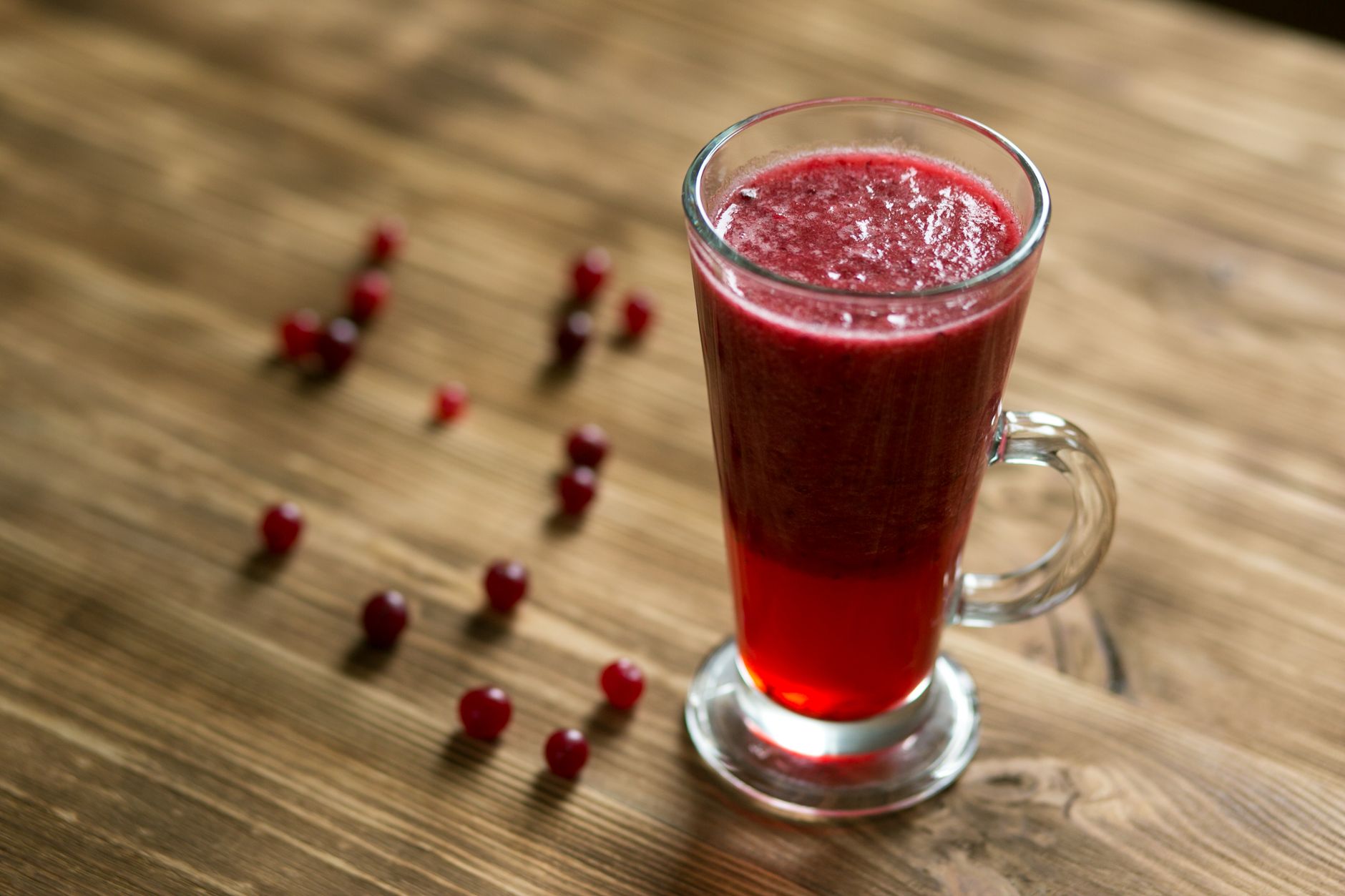
Cranberry juice is often touted for its various health benefits, particularly for kidney health. However, not all cranberry juices are created equal, and understanding which types are best for kidneys can help you make better choices for your diet. This guide will explore the benefits of cranberry juice for kidney health, and clarify which varieties offer the most advantages.
Knowing the right kind of cranberry juice to consume can enhance your overall well-being, especially if you are prone to urinary tract infections or are managing kidney health challenges. With a wealth of information to unpack, let’s delve into what makes cranberry juice a good addition to your renal-friendly diet.
What Kind Of Cranberry Juice Is Good For Kidneys?
The best cranberry juice for kidney health is 100% pure cranberry juice, preferably organic and unsweetened. This type retains the natural antioxidants and phytochemicals beneficial for kidney function while being free from added sugars, preservatives, and artificial ingredients. Many commercially available cranberry juices contain high levels of added sugars and other fruit juices, which can negate the health benefits.
Why Is Cranberry Juice Beneficial for Kidneys?
Cranberries are rich in antioxidants, vitamins, and minerals that can promote kidney health. Here are some key benefits:
- Protection Against Infections: Cranberry juice is well-known for its ability to help prevent urinary tract infections (UTIs) by preventing bacteria from adhering to the urinary tract walls.
- Diuretic Properties: Cranberries increase urine production, which can help flush out harmful substances from the kidneys.
- Rich in Antioxidants: Antioxidants help reduce oxidative stress and inflammation, factors that can negatively impact kidney function.
- Detoxification: The juice assists in detoxifying the body, reducing the burden on the kidneys.
Choosing the Right Cranberry Juice
When selecting cranberry juice, it’s essential to understand the differences between the various types available in the market. Here’s what to look for:
1. Pure Cranberry Juice
Choose 100% pure cranberry juice that does not contain other fruit juices, sugars, or additives. It should list cranberries as the only ingredient on the label. This juice retains its natural flavor and health properties.
2. Organic Cranberry Juice
Opt for organic varieties when possible to avoid pesticides and other chemicals. Organic cranberry juice adheres to stricter regulations, ensuring a potentially healthier choice.
3. Unsweetened Cranberry Juice
Many brands sweeten their cranberry juice to counter its naturally tart flavor. Select unsweetened versions to avoid added sugars that can be detrimental, especially for kidney health.
4. Concentrated Cranberry Juice
Some products offer concentrated cranberry juice, often diluted with water before consumption. These can provide similar health benefits but check the label to ensure that it’s still 100% cranberry juice without added sugars.
5. Juices Blended with Other Fruits
While beverages that combine cranberry juice with other fruit juices may taste better, they often contain sugars and can dilute the benefits of cranberries. If you enjoy such blends, ensure that they contain at least 30% cranberry juice and are low in added sugars.
Understanding Labels and Nutritional Information
Reading labels carefully is crucial to make an informed decision about cranberry juice. Here’s what to look for:
- Ingredients List: Look for “100% cranberry juice” as the first and only ingredient.
- Nutritional Information: Check the sugar content. A good guideline is less than 10 grams of sugar per serving for unsweetened juice.
- Serving Size: Note the serving size and how it corresponds to the health benefits described on the label.
Practical Ways to Consume Cranberry Juice
Incorporating cranberry juice into your diet can be enjoyable and easy. Here are some methods:
1. Morning Smoothies
Add a splash of unsweetened cranberry juice to your morning smoothie. Pair it with bananas and spinach for an energizing boost.
2. Sports Drinks
Use cranberry juice as a natural sports drink alternative. Mix it with water and a pinch of salt to replenish electrolytes after a workout.
3. Salad Dressings
Create a tangy salad dressing by whisking together cranberry juice, olive oil, and a dash of vinegar. This adds a flavorful twist while providing health benefits.
4. Healthy Mocktails
Mix cranberry juice with sparkling water and garnish with fresh mint for a refreshing mocktail that hydrates while delighting the taste buds.
5. Cooking and Baking
Use cranberry juice as a reduction sauce for meats like turkey or pork, enhancing the dish with its natural tartness without added sugars or preservatives.
Common Mistakes When Consuming Cranberry Juice
While cranberry juice can be beneficial for kidney health, there are mistakes to avoid:
- Choosing Sweetened Varieties: Always opt for 100% unsweetened juice to maximize benefits and minimize added sugars.
- Overconsumption: Moderation is key; drinking large quantities may lead to digestive issues or an unbalanced diet.
- Ignoring Medical Advice: If you have existing kidney conditions, consult your healthcare provider about including cranberry juice in your diet.
Storage and Shelf Life of Cranberry Juice
Proper storage ensures that you maintain the quality of cranberry juice:
Unopened Juice
Store sealed bottles in a cool, dark place like your pantry. Check the expiration date for best quality.
Opened Juice
Once opened, cranberry juice should be refrigerated and ideally consumed within 7 to 10 days. Always check for signs of spoilage before use.
Potential Side Effects of Cranberry Juice
While generally safe, excessive consumption of cranberry juice may lead to certain side effects:
- Digestive Upset: Some individuals may experience stomach upset due to its acidity.
- Kidney Stones: High oxalate content may contribute to kidney stone formation in predisposed individuals.
- Medication Interactions: Cranberry juice can interact with certain medications, like anticoagulants. Always check with a healthcare provider.
Exploring Homemade Cranberry Juice
Making your own cranberry juice can be a rewarding experience, allowing you to control the ingredients and avoid additives. Here’s how to make it:
Homemade Cranberry Juice Recipe
This refreshing homemade cranberry juice requires minimal ingredients.
- Ingredients:
- 4 cups of fresh or frozen cranberries
- 4 cups of water
- Sweetener to taste (optional)
Essential Equipment
- Large pot
- Strainer or cheesecloth
- Jar or bottle for storage
Instructions
- Rinse the cranberries under cool water to remove any debris.
- In a large pot, combine the cranberries and water. Bring to a boil over medium heat.
- Once boiling, reduce heat and let simmer for about 15-20 minutes or until the cranberries have burst.
- Remove from heat and allow to cool slightly. Then strain the juice through a fine mesh strainer or cheesecloth into a clean container.
- If desired, sweeten the juice to taste before bottling. Store in the refrigerator for up to one week.
Conclusion
Cranberry juice can be a beneficial addition to your diet, particularly for kidney health, provided you choose the right type. Pure, organic, and unsweetened cranberry juice maximizes health benefits while minimizing potential drawbacks. By incorporating cranberry juice into your meals and snacks thoughtfully, you may enjoy its protective advantages for your kidneys. Start incorporating high-quality cranberry juice into your diet to harness its potential benefits for kidney health.
For more culinary creativity, explore Homemade Fresh Cranberry Juice Recipe or enjoy a refreshing Cranberry Paloma for a delightful drink experience.