
Viognier wine is a fascinating white varietal known for its captivating aromas and rich flavors. Hailing primarily from the Rhône Valley in France, this wine has gained popularity worldwide for its ability to please both novice and experienced wine drinkers.
In this article, we will delve into the characteristics of Viognier wine, explore ideal food pairings, and offer helpful tips on selecting, serving, and enjoying this delightful varietal.
What Is Viognier Wine?
Viognier is a white grape variety known for producing aromatic and full-bodied wines. With origins in the Northern Rhône region of France, it’s most notably used in the white wines of Condrieu and Château-Grillet. Viognier wines are characterized by floral aromas, stone fruit flavors (like apricot and peach), and a round, creamy texture that often feels luxurious on the palate.
The Characteristics of Viognier Wine
Viognier wines exhibit several defining characteristics that make them unique. Below are the primary traits of this varietal:
- Aromas: One of the most striking aspects of Viognier is its aromatic profile, which often includes notes of jasmine, honeysuckle, and orange blossom.
- Flavor Profile: On the palate, Viognier typically showcases flavors of apricot, peach, tangerine, and sometimes hints of spice, depending on the winemaking process.
- Body and Texture: Viognier is generally medium to full-bodied with a creamy texture, a result of the winemaking techniques such as malolactic fermentation and aging in oak barrels.
- Acidity: This varietal tends to have moderate acidity, which helps maintain its freshness even as it offers rich flavors.
- Alcohol Content: Viognier wines generally have a higher alcohol content, often ranging from 13.5% to 15%.
Regions That Produce Viognier
While Viognier originated in France, it has found its way to vineyards around the globe. Here are some prominent regions known for producing Viognier wine:
- Rhône Valley, France: The birthplace of Viognier, this region offers nuanced and terroir-driven expressions of the grape.
- California, USA: Varietals from regions like Napa Valley and Paso Robles often emphasize the fruit-forward characteristics and bright aromas of Viognier.
- Australia: In varietals from regions such as Adelaide Hills and Hunter Valley, Viognier often exhibits fuller body and tropical fruit notes.
- South Africa: Recent trends in winemaking have delivered promising examples of Viognier in regions like Stellenbosch.
- Chile: Chilean Viognier showcases vibrant fruit flavors, often at a more approachable price point.
Enjoying Viognier Wine: Tips and Serving Suggestions
To fully appreciate Viognier wine, there are several helpful tips for serving, pairing, and tasting this beautiful varietal.
Serving Temperature
Viognier is best served chilled, typically between 50°F to 55°F (10°C to 13°C). Serving at the right temperature helps to showcase its aromatic qualities.
Glassware
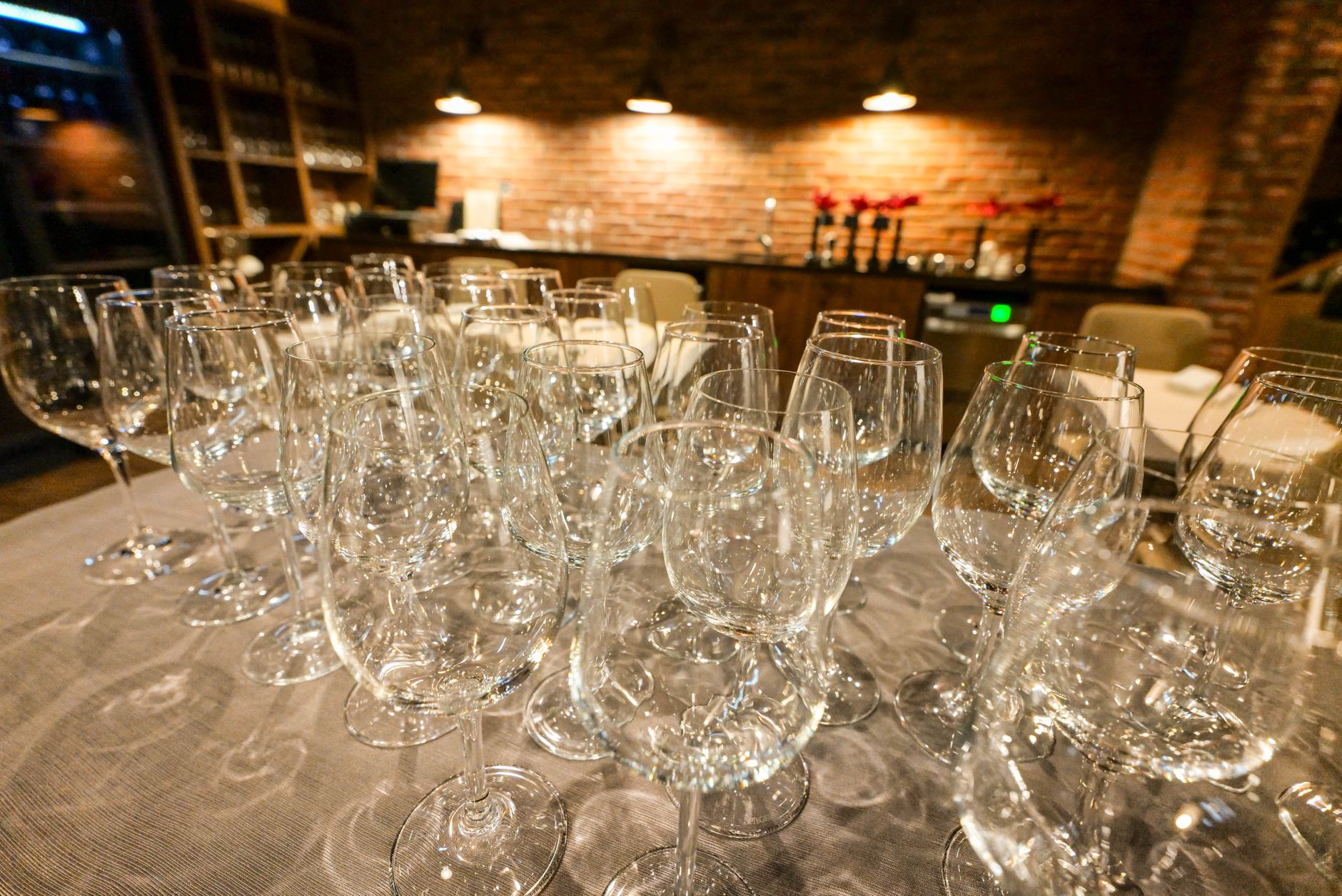
Using a medium-sized white wine glass helps concentrate the aromas while allowing for sufficient airflow, enhancing the experience of the fruit-forward character of the wine.
Food Pairings with Viognier
Pairing food with Viognier can elevate your dining experience significantly. Here are some excellent dishes that complement the unique flavors of this wine:
- Seafood: Viognier works beautifully with grilled shrimp, pan-seared scallops, or delicate white fish. Its texture and fruit notes pair well with the lightness of these dishes.
- Poultry: Chicken dishes that incorporate fruit-based sauces, such as peach-glazed chicken or Thai lemongrass and ginger chicken, are fantastic pairings.
- Vegetarian Dishes: Creamy risottos, vegetable curries, and ratatouille can harmoniously complement the wine’s intricate flavors.
- Cheese: Soft cheeses like brie or camembert, as well as goat cheese, are excellent accompaniments to Viognier, enhancing its rich palate.
Tasting Viognier: What to Look For
When tasting Viognier, be mindful of its aroma, flavor, and finish. Here are some steps to guide your tasting experience:
- Observe: Take a moment to evaluate the color, usually pale yellow to golden.
- Swirl: Gently swirl the wine in the glass to release its aromatic compounds.
- Sniff: Take a few short sniffs to pick up the different perfumes of fruit, flowers, and minerality.
- Taste: Take a small sip and let it linger on your palate while noting acidity, flavor intensity, and texture.
- Finish: Pay attention to how long the flavors linger after swallowing; a long finish is often a sign of quality.
Viognier Winemaking Techniques
The process of producing Viognier wine can greatly impact the final product. Understanding these techniques can enhance your appreciation for the varietal.
Harvesting
Harvesting the grapes at the right time is crucial for achieving the desired flavor profile. Viognier grapes are typically picked later in the season when they are fully ripe, allowing for maximum sugar concentration and flavor complexity.
Fermentation
One common technique in Viognier winemaking is fermenting the wine in stainless steel or oak barrels. Fermentation in oak can impart vanilla and spice notes, while stainless steel captures the fresh, fruity qualities.
Malolactic Fermentation
Many Viognier wines undergo malolactic fermentation, a process that converts sharp malic acid into softer lactic acid. This process contributes to the creaminess of the wine and can help round out its profile.
Aging
Viognier can be aged in stainless steel or oak, which affects the wine’s flavor and aroma. Oak aging adds complexity but can also overwhelm the delicate floral notes if not managed carefully.
Exploring Viognier Substitutes
If you’re unable to find a Viognier or simply wish to try something different, several other varietals and wines can serve as good substitutes:
- Roussanne: Similar in its aromatic qualities and body, Roussanne can provide similar texture with a nutty profile.
- Chardonnay: Look for unoaked Chardonnay, which can mirror Viognier’s fruity characteristics without the heavy oak influence.
- Grenache Blanc: This wine offers a bolder fruit flavor and moderate acidity that can make for a satisfying replacement.
- Sémillon: Known for its full body and rich textures, Sémillon can mimic the overall mouthfeel of Viognier.
Common Mistakes to Avoid When Choosing Viognier
When selecting a bottle of Viognier, there are several common pitfalls to be aware of:
- Overlooking the Region: Different regions produce Viognier with distinct flavors and characteristics, so being aware of the region can help direct your choice.
- Choosing Only by Price: While price can be an indicator of quality, it’s essential to consider the producer and specific characteristics of the wine.
- Forgetting Food Pairings: Not considering how your wine will pair with food can lead to a less enjoyable experience; this varietal shines with complementary dishes.
Storing and Serving Viognier Wine
Proper storage of Viognier is critical to maintaining its quality. Here are some essential tips for storing, serving, and enjoying this varietal at its best:
Storing Tips
- Store bottles upright to minimize cork exposure, but horizontal storage is acceptable for wines with a wax seal or synthetic corks.
- Keep wine in a cool, dark place with a stable temperature, ideally around 55°F (13°C).
- Avoid temperature fluctuations and storing near strong odors or vibrations, which can negatively affect the wine’s integrity.
Refrigerating Opened Bottles
If you have leftover Viognier, simply recork it and store it in the refrigerator. It should be consumed within 3-5 days for best flavor, as the aromatic qualities diminish over time.
Conclusion
Viognier wine is an exquisite and versatile varietal that offers a unique tasting experience. Whether you’re new to wine or a seasoned connoisseur, understanding its characteristics, ideal pairings, and proper serving techniques enriches the enjoyment of this captivating wine. So the next time you’re in the wine aisle, don’t overlook Viognier—this aromatic delight might just become your new favorite.
For more culinary inspiration, explore our other articles featuring tips and recipes on pairing wine with meals, cooking techniques, and ingredient guides to elevate your kitchen adventures.