
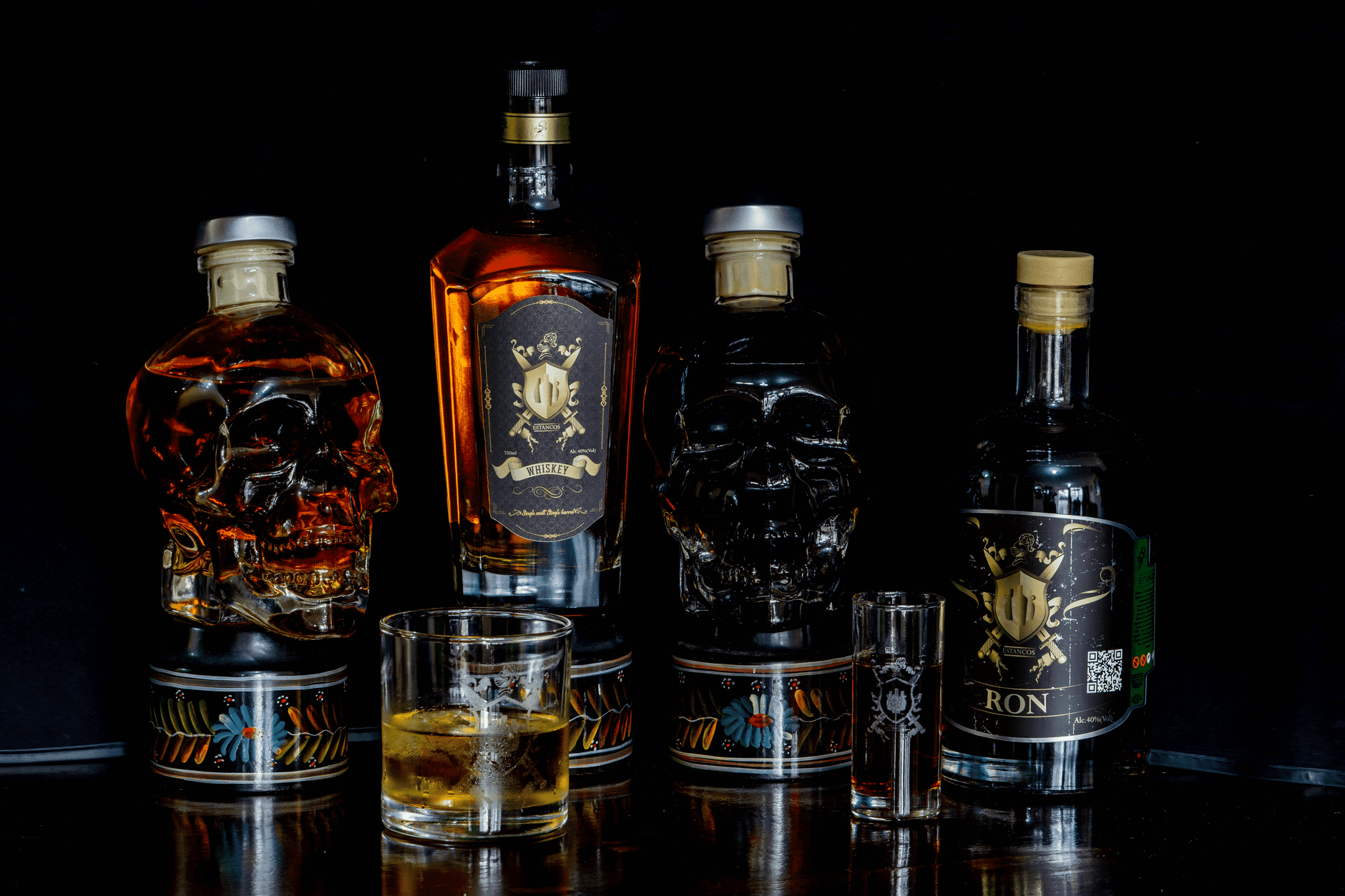
Bourbon, whiskey, and Scotch are three distinct types of spirits that often confuse even seasoned drinkers. While they may share some similarities, the differences in ingredients, production methods, and flavor profiles set them apart. Understanding these nuances is essential for anyone interested in cooking, mixing cocktails, or simply enjoying a fine drink.
This article will explore the differences between bourbon, whiskey, and Scotch in detail, discussing their unique characteristics, culinary uses, and suggestions for incorporating these spirits into your cooking and drinking routines.
What Is The Difference Between Bourbon And Whiskey And Scotch?
Bourbon is a type of whiskey, while Scotch is also a whiskey, but each has specific regulations that define them. The main differences lie in the ingredients used, the regions they are produced in, and their aging processes.
Understanding Whiskey
Whiskey is a distilled alcoholic beverage made from fermented grain mash. The grains involved can include barley, corn, rye, and wheat. The process of making whiskey involves mashing the grains, fermenting them, distilling the liquid, and aging it in barrels.
- Types of Whiskey: The main types of whiskey include bourbon, Scotch, Irish whiskey, and rye whiskey.
- Flavor Profile: Whiskey’s flavor can range widely depending on ingredients, distillation, and aging methods. Common tasting notes include vanilla, caramel, spice, and oak.
What Is Bourbon?
Bourbon is a specific type of whiskey that must adhere to a stringent set of regulations. To be classified as bourbon, the spirit must be made in the United States and contain at least 51% corn in its grain mash. The remaining percentage can include rye, barley, and wheat.
Key Characteristics of Bourbon
- Geographical Origin: While bourbon can technically be made anywhere in the U.S., it is strongly associated with Kentucky, where most bourbon is produced.
- Aging Requirements: Bourbon must be aged in new charred oak barrels. There is no minimum aging period for it to be labeled as bourbon, although to be labeled “straight bourbon,” it must be aged at least two years.
- Alcohol Content: Bourbon must be distilled to no more than 160 proof (80% alcohol by volume) and entered into the barrel at no more than 125 proof.
Flavor Profile
Bourbon typically offers a sweet flavor profile, with notes of caramel, vanilla, and oak. The high corn content contributes to its sweetness, making it a favorite for mixing cocktails or enjoying neat.
What Is Scotch?
Scotch is a type of whisky (note the lack of an “e”) that is distilled in Scotland according to specific legal requirements. Like bourbon, Scotch has its own rules that dictate its production methods, ingredients, and aging processes.
Key Characteristics of Scotch
- Geographical Origin: Scotch must be made in Scotland and adhere to regulations defined by the Scotch Whisky Association (SWA).
- Aging Requirements: Scotch must be aged in oak barrels for a minimum of three years. Typically, many Scotch whiskies are aged for much longer to enhance their flavors.
- Ingredients: Scotch is traditionally made from malted barley. There are two main types: single malt (made from 100% malted barley at one distillery) and blended Scotch (a mix of single malts and grain whiskies).
Flavor Profile
Scotch offers a complex flavor profile that can vary significantly from one whisky to another. Common tasting notes include peat, smoke, fruit, and spices. The region within Scotland where it’s produced greatly influences its taste. For example, Islay Scotches are known for their strong peat flavor, while those from the Speyside region are often sweeter and fruitier.
Comparing Bourbon, Whiskey, and Scotch
Now that we have defined bourbon and Scotch, it’s essential to understand how they compare to whiskey broadly. Here are some clear distinctions:
| Criteria | Bourbon | Scotch | Whiskey |
|---|---|---|---|
| Geographical Origin | United States | Scotland | Various (including U.S., Canada, and Ireland) |
| Main Ingredient | At least 51% corn | Primarily malted barley | Varies by type (grains like corn, rye, barley, and wheat) |
| Aging Requirement | Used oak barrels for a minimum of 3 years | No standard aging requirement | |
| Flavor Profile | Sweet, caramel, vanilla, oak | Complex, smoky, fruity, spicy | Varies widely depending on the type |
| Alcohol Content | Maximum of 125 proof | No specific maximum, can vary | Varies by type, often around 80-100 proof |
Culinary Uses of Bourbon, Whiskey, and Scotch
These spirits are not just for sipping; they can also enhance your culinary creations. Here are some ideas on how to incorporate them into your kitchen:
Bourbon in Cooking
- Bourbon Sauce: Ideal for glazes and marinades for meats like chicken and pork. The sweetness of the bourbon complements savory flavors.
- Bourbon-Infused Desserts: Use bourbon to elevate desserts like chocolate brownies, pecan pie, or bread pudding.
- Bourbon in Barbecue: A fantastic addition to barbecue sauces, providing depth and richness to the flavor profile.
Whiskey in Cooking
- Whiskey Marinades: Similar to bourbon, whiskey works well in marinades for meats, lending a smoky flavor that enhances grilled dishes.
- Whiskey Soups and Stews: A splash of whiskey in your soups or stews can add a depth of flavor. Try it in a beef stew or chicken soup.
- Whiskey Cocktails: Whiskey is a primary ingredient in many cocktails, such as Old Fashioneds and Manhattans, making it a versatile choice for entertaining.
Scotch in Cooking
- Scotch Glazes: Use Scotch to create sophisticated glazes for meats and vegetables. Its smoky flavor works especially well with grilled items.
- Scotch in Cream Sauces: Incorporate Scotch into cream-based sauces for pasta or poultry for a rich, unique flavor.
- Scotch-Infused Chocolates: Pair Scotch with chocolate in desserts or create Scotch truffles for a luxurious treat.
Mixing Cocktails
Understanding how to mix cocktails with bourbon, whiskey, and Scotch can elevate your home bar experience. Here are some classic cocktails associated with each spirit:
Bourbon Cocktails
- Bourbon Sour: A refreshing cocktail made with bourbon, lemon juice, and simple syrup, garnished with a cherry.
- Mint Julep: A Southern classic made with bourbon, fresh mint, sugar, and crushed ice.
- Old Fashioned: A timeless cocktail featuring bourbon, sugar, Angostura bitters, served with a twist of orange.
Whiskey Cocktails
- Manhattan: A rich cocktail made with rye whiskey, sweet vermouth, and Angostura bitters, garnished with a maraschino cherry.
- Whiskey Smash: A refreshing mix of whiskey, mint, lemon, and simple syrup, served over ice.
- Sazerac: A New Orleans classic with rye whiskey, sugar, Peychaud’s bitters, and absinthe.
Scotch Cocktails
- Rob Roy: A Scotch-based cocktail that combines Scotch, sweet vermouth, and Angostura bitters.
- Blood and Sand: A classic cocktail made with Scotch, sweet vermouth, orange juice, and orange bitters.
- Scotch and Soda: A simple and refreshing drink made with Scotch whisky and soda water, garnished with a lemon twist.
Cooking Tips and Common Mistakes
When incorporating these spirits into your cooking or cocktails, certain tips and pitfalls can help ensure success:
Cooking with Alcohol
- Balance Flavors: Always taste your dish after adding alcohol. You may need to adjust seasoning to balance the alcohol’s intensity.
- Cooking Off Alcohol: Allow enough time for the alcohol to cook off to avoid harsh flavors. Typically, simmering for 20-30 minutes will suffice.
- Quality Matters: Use spirits that you enjoy drinking; the flavors will make a difference in your dishes.
Mixology Tips
- Measure Accurately: Use jiggers or measuring cups to ensure the correct proportions in cocktails.
- Balance Sweetness and Bitterness: Adjust sugar and bitters to create a well-rounded flavor profile in your cocktails.
- Chill Ingredients: Use chilled spirits and glassware for a refreshing cocktail experience.
Making Your Choice
Choosing between bourbon, whiskey, and Scotch may come down to personal preference or the dish you are preparing. Here are some final thoughts to help you decide:
- Bourbon: Ideal for sweet, caramel-rich flavors, excellent for desserts and cocktails with a sweet profile.
- Whiskey: Offers versatility; choose based on the grain base (rye adds spiciness, while barley tends to be smoother).
- Scotch: Best for smoky, complex flavors in savory dishes and enjoyed slowly neat or on the rocks.
With this knowledge, you are ready to explore the world of bourbon, whiskey, and Scotch, whether for culinary adventures or cocktail crafting. Understanding the differences and uses of these spirits will enhance both your cooking and drinking experience.
For further inspiration, consider trying a bourbon vanilla extract recipe or explore a flavorful bourbon shrimp recipe to dive deeper into the culinary applications of bourbon.