
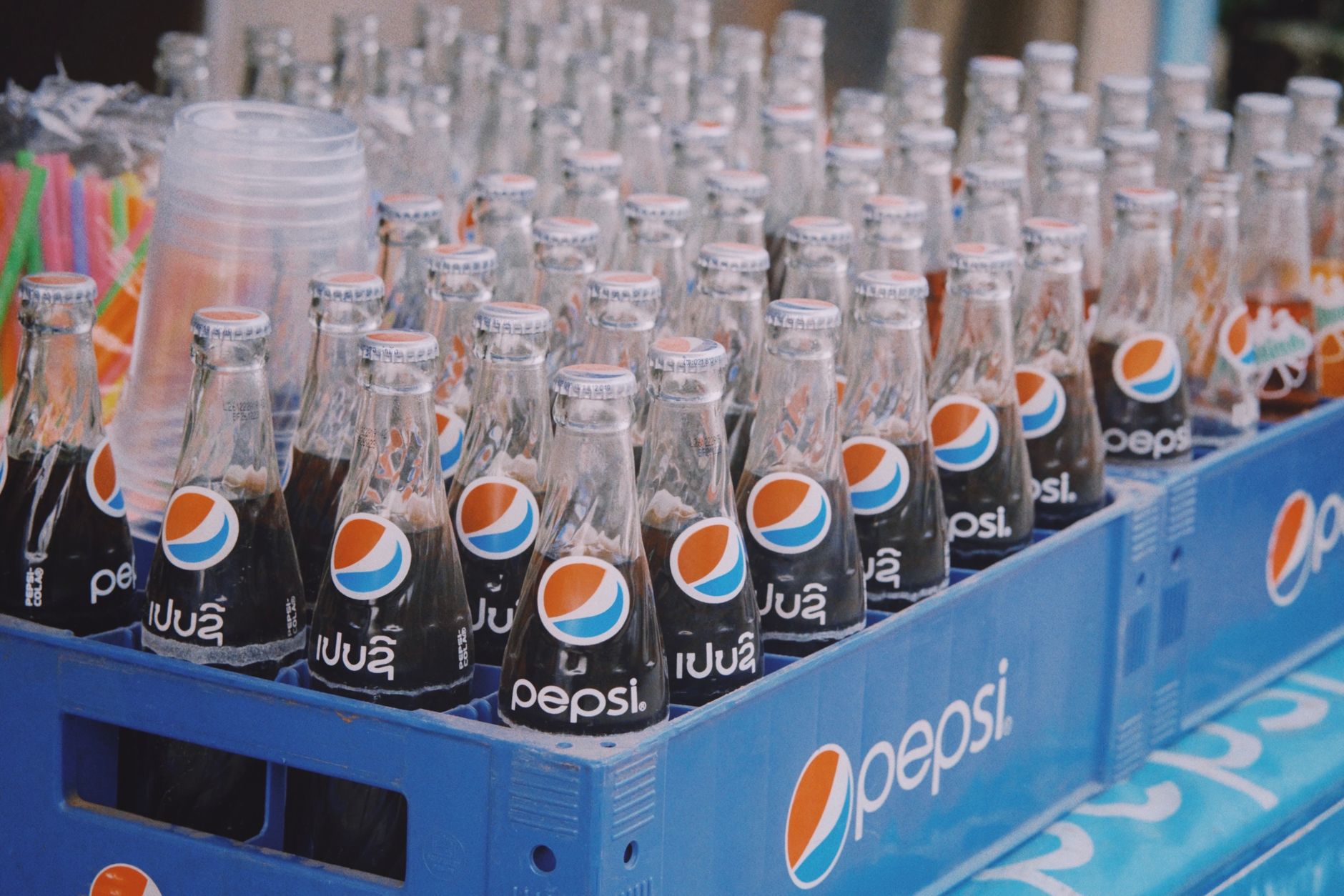
Pepsi is a globally recognized carbonated soft drink that has become a staple beverage choice for many consumers. Originally created in the late 19th century, it has evolved into a popular refreshment enjoyed alongside meals, during social gatherings, and as a standalone beverage. This article will explore the origins, ingredients, varieties, nutritional aspects, and creative uses of Pepsi.
Understanding what Pepsi is and how it fits into the landscape of soft drinks can enhance your appreciation of this iconic beverage. Whether you’re looking to enjoy it on its own or incorporate it into various recipes, this guide will provide valuable insights.
What Is Pepsi?
Pepsi is a carbonated soft drink produced by PepsiCo, characterized by its sweet, cola flavor and a slightly citrusy taste. The drink is known for its crisp and effervescent quality, making it a refreshing choice for many consumers worldwide. Launched in 1893, Pepsi has transformed from a medicinal tonic to one of the leading cola brands.
The History of Pepsi
The origins of Pepsi date back to 1893 when Caleb Bradham, a pharmacist in New Bern, North Carolina, created “Brad’s Drink.” He initially formulated the beverage to aid digestion and energize customers. In 1898, he renamed it Pepsi-Cola, drawing inspiration from the digestive enzyme pepsin and kola nuts used in the recipe.
Pepsi gained popularity in the early 20th century, particularly during World War II, when its marketing strategies began to evoke patriotic sentiments. Over the decades, the brand expanded its product offerings and launched several marketing campaigns aimed at different demographics.
Ingredients in Pepsi
The ingredients in Pepsi can vary slightly between countries due to local regulations and preferences. However, the core ingredients generally include:
- Carbonated Water: The primary ingredient that gives Pepsi its fizz and refreshing quality.
- Sugar: Pepsi traditionally uses high fructose corn syrup in the United States for sweetness, while other regions may use sucrose or cane sugar.
- Caramel Color: A food coloring that gives the drink its signature dark hue.
- Phosphoric Acid: This ingredient adds tartness and enhances the overall flavor profile.
- Caffeine: Provides a slight energy boost and contributes to the beverage’s characteristic taste.
- Natural Flavors: This vague term refers to the proprietary blend of spices and flavorings that give Pepsi its unique taste.
- Citric Acid: Sometimes included, it adds acidity and enhances flavor.
Nutritional Aspects of Pepsi
Pepsi is primarily a source of sugar and calories, providing little nutritional value beyond that. A standard 12-ounce (355 ml) can of Pepsi contains approximately:
- 150 calories
- 41 grams of sugar
- 30 mg of caffeine
It’s essential to consume Pepsi in moderation, as excessive sugar intake can lead to health issues such as obesity and dental problems. Always read the nutritional information on the can for more accurate details based on specific formulations.
Varieties of Pepsi
Pepsi has expanded its product lineup to cater to various tastes and dietary preferences. Some popular varieties include:
- Diet Pepsi: A low-calorie alternative sweetened with aspartame and/or sucralose.
- Pepsi Zero Sugar: A zero-calorie variant with bold flavor, designed to taste similar to regular Pepsi without the sugar.
- Pepsi Wild Cherry: Infused with cherry flavor, this version has gained a dedicated following.
- Pepsi Vanilla: A combination of classic cola and vanilla flavor, appealing to those who enjoy a creamier taste.
- Pepsi Mango: A fruit-flavored version that brings a tropical twist to the classic cola.
Where and How to Enjoy Pepsi
Pepsi is a versatile beverage that can be enjoyed in various settings and ways. Some popular occasions to enjoy Pepsi include:
- With Meals: Pepsi pairs well with fast food, barbecues, or casual dining experiences.
- At Social Events: Perfect for parties, picnics, and gatherings, Pepsi can be served on its own or mixed into cocktails.
- In Cooking: Pepsi can be used as a marinade, glaze, or ingredient in recipes to add flavor and moisture.
Creative Uses for Pepsi
Beyond enjoying it as a drink, Pepsi has a variety of creative culinary applications. Here are some ways to incorporate Pepsi into recipes:
1. BBQ Marinade
The sugars in Pepsi make it an excellent base for marinades, especially for meats. Here’s a simple recipe for a Pepsi BBQ marinade:
- 2 cups Pepsi
- 1 cup soy sauce
- 1/2 cup ketchup
- 1 tablespoon minced garlic
- 1 teaspoon black pepper
Instructions:
- Whisk together all the ingredients in a bowl.
- Place your meat of choice in a resealable bag and pour the marinade over it.
- Seal the bag, making sure to remove excess air, and refrigerate for at least 4 hours, ideally overnight.
- Grill your marinated meat according to your preference.
2. Pepsi Glazed Chicken Wings
This recipe features sticky, sweet chicken wings, perfect for parties or game day:
- 2 lbs chicken wings
- 1 cup Pepsi
- 1/2 cup soy sauce
- 1 tablespoon garlic powder
- 1 tablespoon onion powder
Instructions:
- Preheat your oven to 400°F (200°C).
- In a bowl, mix Pepsi, soy sauce, garlic powder, and onion powder.
- Place chicken wings in a large bowl and pour the mixture over them, ensuring they are well coated.
- Arrange wings on a baking sheet lined with parchment paper and bake for 30-35 minutes, flipping halfway through until crispy and cooked through.
3. Pepsi Cake
Adding soda to cake batter can create a moist and flavorful dessert. Here’s a quick recipe:
- 1 box chocolate cake mix
- 1 can (12 oz) of Pepsi
- 1 cup frosting of your choice
Instructions:
- Preheat your oven according to cake mix instructions.
- Combine the cake mix and Pepsi in a bowl until mixed.
- Pour the batter into a greased cake pan.
- Bake according to package directions. Cool before frosting.
Common Mistakes When Cooking with Pepsi
Here are a few common pitfalls to avoid when using Pepsi in your recipes:
- Using Too Much: The sweetness of Pepsi can overpower other flavors—use it judiciously.
- High Heat: When using Pepsi as a marinade, avoid high heat initially as the sugars can burn quickly.
- Not Adjusting Other Sugars: If a recipe already includes sugar, consider reducing its amount when using Pepsi.
Storing and Serving Pepsi
Pepsi should be stored in a cool, dry place, ideally in a refrigerator after opening. Unopened bottles and cans can be kept at room temperature until needed. Once opened, consume within a few days for the best flavor and fizz.
Pepsi Around the World
Pepsi varies in formulation and flavors based on regional preferences. For example, in some countries, you might find unique flavors like Pepsi Salty Watermelon in Japan or Pepsi with Lemon in various Asian markets. These variations reflect local tastes and cultural preferences, adding to the global appeal of the brand.
Conclusion
Pepsi is much more than just a soft drink; it’s a versatile ingredient that can enhance both everyday meals and special occasions. By understanding its history, nutritional aspects, and various uses, you can enjoy it in new and creative ways. Whether you pop open a can or use it in a recipe, Pepsi offers a refreshing experience with every sip.
If you’re looking for more creative drinks or food ideas, check out our peppermint mocha coffee recipe or learn how to make a homemade fruit punch recipe. Each provides a unique twist on traditional beverages that can elevate your next gathering!