
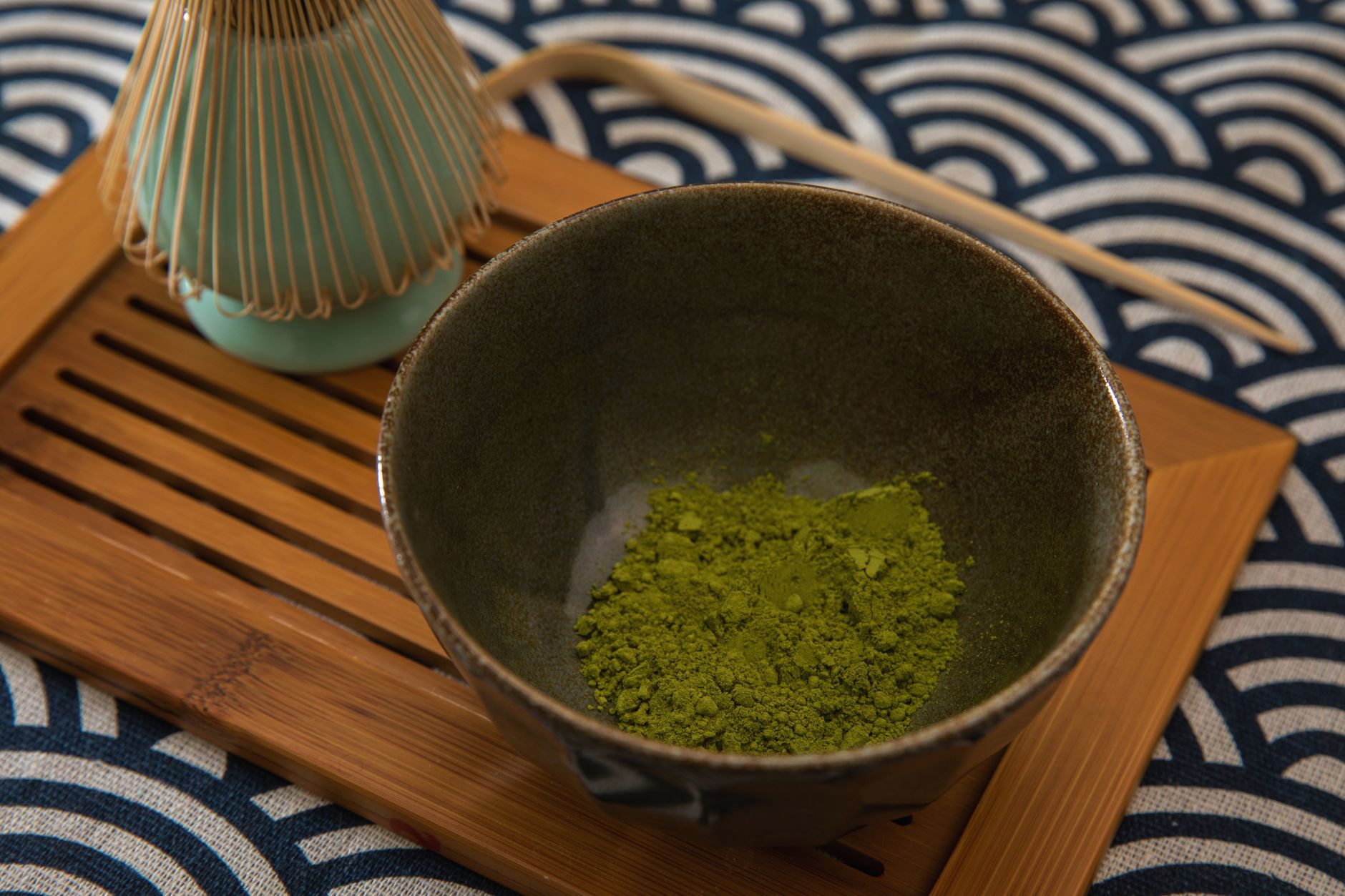
Matcha is a finely ground powder made from specially cultivated green tea leaves. Renowned for its vibrant green color and unique flavor, matcha is rich in nutrients and antioxidants. It has gained immense popularity, serving as both a traditional beverage and a versatile ingredient in various culinary creations.
This guide will explore what matcha is, its origins, how it’s made, its health benefits, and practical tips for incorporating it into your daily routine, as well as various recipes to make the most of this exceptional ingredient.
What Is Matcha?
Matcha is a type of powdered green tea that originates from Japan. It is produced from shade-grown tea leaves, which undergo a meticulous growing and processing process. The leaves are harvested, steamed, dried, and then ground into a fine powder using granite stone mills.
Unlike regular green tea, where the leaves are steeped and then discarded, matcha involves consuming the entire leaf, resulting in a richer flavor and higher nutrient content.
Origins of Matcha
Matcha has a long history that dates back to the Tang Dynasty in China (618-907 AD), where powdered tea was first introduced. It was later refined and celebrated in Japan, particularly in the context of the tea ceremony, which emphasizes mindfulness and aesthetics.
The meticulous process of making matcha involves shading the tea plants for several weeks before harvest, which enhances the flavor and increases chlorophyll content. The result is not only a vibrant green color but also a unique umami taste profile that sets it apart from other teas.
How Matcha Is Made
The process of making matcha is labor-intensive and requires careful attention to detail:
- Shading: About four weeks before harvest, tea plants are covered to block sunlight. This process enhances the cultivation of amino acids and chlorophyll.
- Harvesting: Only the youngest, most tender leaves are handpicked.
- Steaming: The leaves are quickly steamed to prevent oxidation, preserving their color and nutrients.
- Drying: After steaming, the leaves are dried to reduce moisture content.
- Grinding: The dried leaves are ground into a fine powder using traditional stone mills.
Health Benefits of Matcha
Matcha is often touted for its numerous health benefits, which include:
- Antioxidant-rich: Packed with catechins, particularly EGCG (epigallocatechin gallate), matcha contains more antioxidants than most other foods or beverages.
- Boosts metabolism: The caffeine and chlorophyll in matcha can enhance metabolic rate, making it a popular choice for those looking to lose weight.
- Enhances focus: The combination of caffeine and L-theanine in matcha can promote a calm, focused state, making it ideal for studying or working.
- Detoxifies the body: Chlorophyll acts as a detoxifier, helping to eliminate harmful toxins from the body.
Types of Matcha
Matcha comes in various grades, each suited for different uses:
- Ceremonial Grade: This is the highest quality available, characterized by its vibrant green color and fine texture. It is primarily used in traditional Japanese tea ceremonies.
- Premium Grade: Slightly lower in quality than ceremonial grade but still suitable for drinking. It works well for lattes and smoothies.
- Culinary Grade: Used for baking and cooking, culinary grade matcha has a stronger flavor and is less expensive. It is suitable for desserts, dressings, and other dishes.
How to Prepare Matcha
Preparing matcha is straightforward, but it requires a few essential tools to get the best results:
- Matcha bowl (Chawan): A wide, shallow bowl allows for easy whisking.
- Bamboo whisk (Chasen): A traditional tool used to froth the matcha powder into the water.
- Bamboo scoop (Chashaku): This scoop is used to measure the matcha powder.
- Fine mesh sieve: Helps to break up any lumps in the matcha powder.
Basic Matcha Tea Recipe
This simple recipe guides you through making a traditional matcha tea:
- Ingredients:
- 1-2 teaspoons matcha powder
- 2 ounces hot water (not boiling)
- Equipment:
- Matcha bowl
- Bamboo whisk
- Bamboo scoop
- Using the bamboo scoop, measure 1-2 teaspoons of matcha powder and sift it into the matcha bowl to remove any lumps.
- Heat water to around 160°F (70°C); do not let it boil as this can scorch the matcha.
- Pour the hot water into the bowl with the matcha powder.
- Whisk briskly in a zig-zag motion using the bamboo whisk until the matcha is frothy and well combined.
- Serve immediately and enjoy your matcha tea!
Incorporating Matcha into Your Diet
Matcha is incredibly versatile and can be used in various recipes beyond tea. Here are some delicious ways to incorporate matcha into your diet:
Matcha Lattes
Matcha lattes have become immensely popular as a creamy and flavorful alternative to coffee.
- Ingredients:
- 1 teaspoon matcha powder
- 1 cup milk of your choice (dairy, almond, soy)
- 1-2 teaspoons sweetener (honey, agave, or maple syrup) – optional
- In a small bowl, sift the matcha powder to break up any clumps.
- In a separate pot, heat the milk until hot but not boiling.
- Add the hot milk to the matcha bowl in a steady stream while whisking vigorously.
- Add sweetener if desired and whisk until well combined.
- Serve in a glass or cup, and enjoy!
Matcha Smoothies
Matcha smoothies offer a refreshing and nutritious way to enjoy the benefits of matcha.
- Ingredients:
- 1 teaspoon matcha powder
- 1 banana
- 1 cup spinach
- 1 cup almond milk (or any preferred milk)
- Ice cubes (optional)
- In a blender, add the banana, spinach, matcha powder, and almond milk.
- Blend until smooth, adding ice cubes if desired for a chilled effect.
- Taste and adjust sweetness if needed, then serve immediately.
Matcha Desserts
Matcha can elevate various desserts. Consider trying matcha cookies, cakes, or even ice cream.
Matcha Cookies Recipe
A flavorful twist on traditional cookies, these matcha cookies are chewy and delicious.
- Ingredients:
- 1 cup all-purpose flour
- 1 teaspoon matcha powder
- ½ cup butter, softened
- ¾ cup sugar
- 1 egg
- ½ teaspoon vanilla extract
- ½ teaspoon baking soda
- ¼ teaspoon salt
- Preheat your oven to 350°F (175°C).
- In a large bowl, cream together the softened butter and sugar until fluffy.
- Add the egg and vanilla extract, mixing until well incorporated.
- In a separate bowl, combine the flour, matcha powder, baking soda, and salt.
- Gradually add the dry ingredients to the wet mixture, stirring until just combined.
- Drop spoonfuls of dough onto a lined baking sheet.
- Bake for 8-10 minutes or until edges are slightly golden. Let cool before serving.
Common Mistakes to Avoid
While preparing matcha, there are several common pitfalls to be aware of:
- Using boiling water: This can scorch the matcha, resulting in a bitter taste. Aim for water temperature around 160°F (70°C).
- Not sifting matcha: Sifting helps eliminate clumps and creates a smoother texture.
- Using low-quality matcha: Using culinary grade for tea can lead to a less satisfying experience. Choose the right grade for your preparation.
Storing Matcha
Proper storage is crucial to maintaining matcha’s freshness and flavor. Follow these tips:
- Store matcha powder in a cool, dark place, ideally in an airtight container to protect it from light and moisture.
- Avoid keeping matcha in the refrigerator, as fluctuations in temperature can cause moisture to form and affect the quality.
- Use matcha within a few weeks of opening for the best flavor and nutritional benefits.
Final Thoughts
Incorporating matcha into your diet can be both enjoyable and beneficial. Its versatility allows for creative use in various recipes, from beverages to baked goods. Whether you’re savoring a cup of traditional matcha tea or exploring innovative desserts, this unique ingredient is bound to enhance your culinary experience.
For more ways to enjoy matcha, consider trying a vanilla matcha latte or experimenting with a refreshing green tea cocktail. Both recipes are delightful and showcase the unique qualities of matcha.