
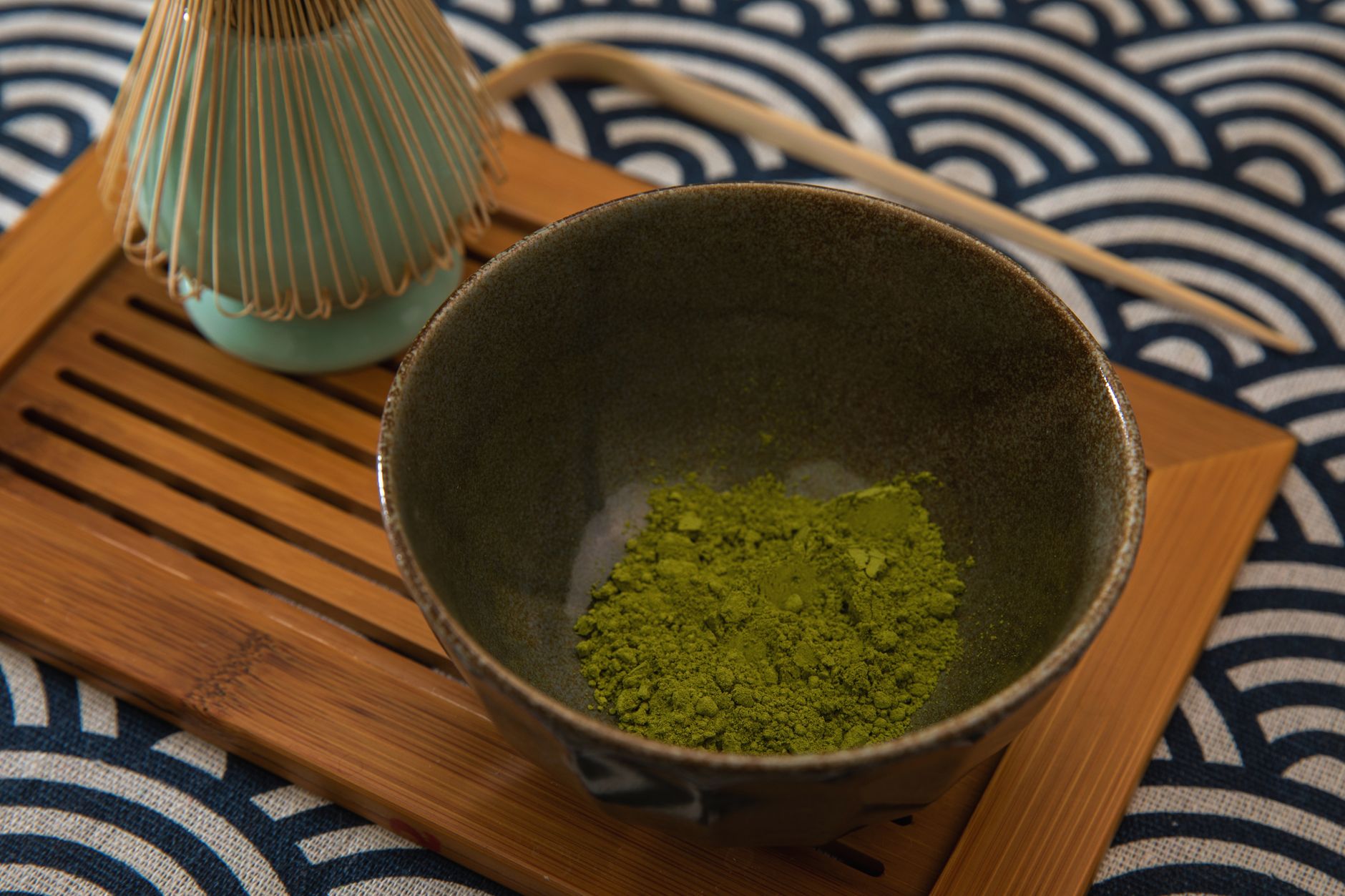
Matcha is a finely ground powder made from specially grown and processed green tea leaves. Its vibrant green color and unique flavor profile have made it a popular ingredient in various culinary practices, from traditional Japanese tea ceremonies to modern beverages and desserts. Understanding what matcha is made of can enhance your appreciation of this versatile ingredient.
In this article, we will explore the components of matcha, how it is produced, its health benefits, and tips for incorporating it into your kitchen. Whether you’re a matcha novice or an enthusiast, this guide will provide valuable insights.
What Is Matcha Made Of?
Matcha is composed primarily of ground green tea leaves, specifically from the Camellia sinensis plant. The entire leaf is used in the matcha-making process, making it different from regular green tea, where only the brewed water extracts flavor and nutrients from the leaves. Let’s break down the key components that form matcha.
The Leaves
At the core of matcha is the young leaves of the tea plant, which are grown under shade for about three weeks before harvest. This shading process increases the chlorophyll content in the leaves, enhancing their green color and elevating the levels of certain amino acids, particularly L-theanine. The two primary varieties of matcha are:
- Tencha: The highest quality matcha is made from tencha, tea leaves that have been steamed, dried, and then ground into a fine powder.
- Gyokuro: A type of shade-grown green tea, Gyokuro contributes to some matchas, lending additional sweetness and umami flavor.
Processing of Matcha
The process of creating matcha begins shortly after harvesting. Here’s how it’s done:
- Steaming: Freshly picked leaves are steamed to prevent oxidation, keeping their vibrant color and nutrients intact.
- Drying: After steaming, the leaves are quickly dried to remove moisture. This process helps maintain the flavor and aroma of the leaves.
- Removing Stems and Veins: Once dried, the leaves undergo meticulous sorting to remove any stems and veins, ensuring only the finest parts of the leaf are used in matcha.
- Grinding: The final step involves stone grinding the leaves into a fine powder. Traditional stone mills slowly grind the leaves, producing a gentle, ultra-fine powder.
The Nutritional Components of Matcha
Matcha’s unique production methods contribute to its nutritional profile, making it different from standard green tea. Here’s what you’ll find in matcha:
Vitamins and Minerals
Matcha is rich in essential vitamins and minerals. Examples include:
- Vitamin C: Important for skin health and immune support.
- Vitamin A: Supports vision and overall health.
- Vitamin K: Plays a role in blood clotting and bone health.
- Iron: Contains non-heme iron, which is crucial for red blood cell production.
- Calcium: Helps maintain strong bones and teeth.
Antioxidants
One of the standout features of matcha is its high antioxidant content. Matcha contains more catechins than brewed green tea, particularly epigallocatechin gallate (EGCG), known for its various health benefits, including supporting metabolism and reducing inflammation.
Amino Acids
Matcha is particularly high in L-theanine, an amino acid that promotes relaxation without drowsiness. This unique compound can help balance caffeine’s effects, promoting a feeling of calm alertness.
Health Benefits of Matcha
Incorporating matcha into your diet may offer numerous health benefits, though it’s essential to approach these claims with a balanced perspective. Some potential health benefits include:
Boosts Metabolism
Matcha may help increase metabolism and support weight management efforts, thanks to its active compounds like EGCG. Some studies suggest that consuming matcha can enhance fat oxidation.
Enhances Calmness and Focus
Thanks to the high levels of L-theanine, matcha can provide a calm energy boost. It encourages focus without the jitters commonly associated with caffeine consumption.
Supports Heart Health
The antioxidant properties of matcha may contribute to improved heart health by reducing cholesterol levels and lowering blood pressure.
How to Incorporate Matcha in Your Diet
Matcha’s versatility allows it to be used in a variety of culinary applications. Here are some practical tips and ideas for incorporating matcha into your meals:
Drinks
Matcha is perhaps best known for its use in beverages, especially matcha lattes. Here’s a simple recipe for a basic matcha latte:
Basic Matcha Latte Recipe
- Ingredients:
- 1 tsp matcha powder
- 2 oz hot (not boiling) water
- 6 oz milk of your choice (dairy, almond, oat, etc.)
- Sweetener to taste (optional)
Instructions:
- In a bowl, sift the matcha powder to remove any lumps.
- Add hot water and whisk with a bamboo whisk (chasen) or a milk frother until fully dissolved and frothy.
- In a separate container, steam the milk until hot (but not boiling).
- Pour the matcha mixture into a cup and add the steamed milk. Sweeten if desired.
- Enjoy your matcha latte!
Cooking and Baking
Matcha can elevate both savory and sweet dishes. Consider these ideas:
- Add matcha to pancake or waffle batter for a vibrant breakfast treat.
- Incorporate matcha into cookie or cake recipes for added flavor and color.
- Mix with yogurt for a nutritious snack.
Matcha in Smoothies
Blend matcha with fruits like bananas, spinach, and milk for a healthy, energizing smoothie. It pairs beautifully with ingredients like almond butter or chia seeds.
Practical Tips for Using Matcha
Using matcha may seem straightforward, but there are nuances to ensure you get the best flavor and benefits:
Choosing Quality Matcha
When selecting matcha, aim for ceremonial grade for drinks and desserts, as it has a sweeter taste and finer texture. Culinary grade matcha is perfect for cooking and baking.
Storage
Matcha is sensitive to light, heat, and moisture. Store it in an airtight container in a cool, dark place to preserve its quality. It’s best consumed within a few months of opening.
Common Mistakes to Avoid
Here are a few pitfalls to avoid when working with matcha:
- Using boiling water can scorch the matcha, leading to a bitter taste. Aim for water around 160-175°F (70-80°C).
- Neglecting to sift the matcha can result in clumps, making it hard to mix. Always sift before using.
- Forgetting to whisk properly can prevent the matcha from fully dissolving, affecting texture and flavor.
Conclusion
Matcha is a unique and versatile ingredient made from ground green tea leaves, offering various health benefits and culinary applications. Understanding what matcha is made of enhances its appreciation and usage in daily life. With the tips and recipes provided, you can start incorporating this vibrant powder into your diet, whether as a drink or cooking ingredient.
To explore more delightful recipes and cooking tips, feel free to check out our vanilla matcha latte recipe and other culinary guides on our blog.