
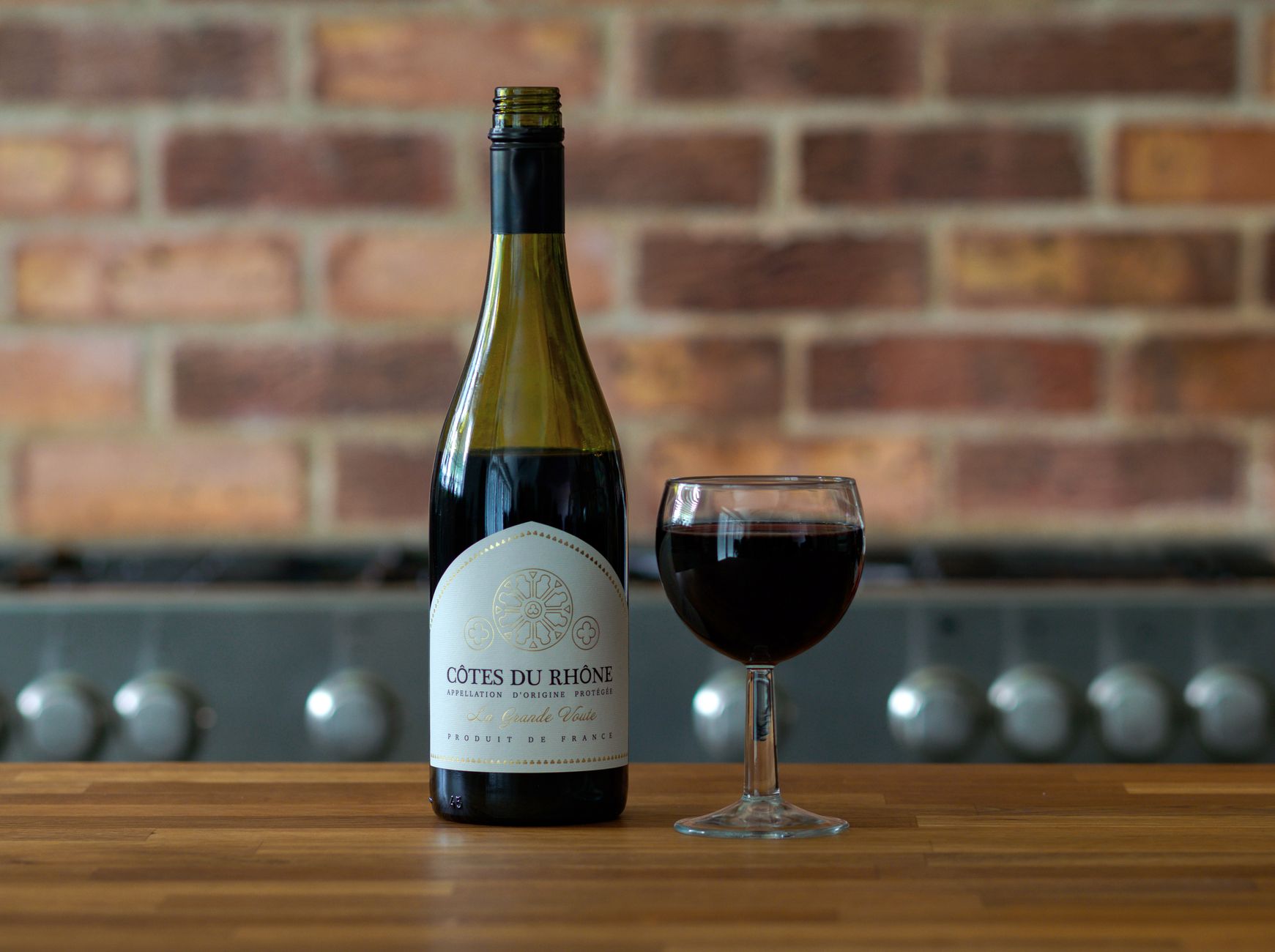
Grenache wine, a versatile and beloved varietal, has captivated wine enthusiasts with its rich, fruity flavors and accessibility. Commonly produced in various styles around the globe, it lends itself to a delightful range of dishes, making it an ideal choice for your dining table.
To fully appreciate Grenache wine, understanding its characteristics, food pairings, and unique qualities is essential. This guide explores everything you need to know about Grenache wine, from its origins to what it brings to your next meal.
What Is Grenache Wine?
Grenache wine is a red grape varietal that originates from the Aragon region of Spain, known for producing expressive wines with flavors of red fruit, spices, and soft tannins. It is widely cultivated and often used in blends, particularly in regions like France’s Rhône Valley and Australia’s wine country. Grenache can be made into various styles, including red, rosé, and even dessert wines.
The Flavor Profile of Grenache Wine
The primary flavor profile of Grenache wine often includes:
- Bright red fruits such as strawberries, raspberries, and cherries
- Spicy notes like cinnamon and white pepper
- Herbal undertones, often reminiscent of thyme or rosemary
- A soft, velvety texture due to lower tannin levels
- A warm, often high alcohol content, typically around 14-15%
Depending on the winemaking techniques and regions, Grenache wines can vary in their expression, with some showcasing more fruity elements while others may reveal earthy undertones. Aged versions of Grenache can develop additional complexity with flavors like leather, tobacco, and dark chocolate.
Regions Known for Grenache Production
Grenache is cultivated in numerous wine regions around the world, each displaying unique characteristics due to terroir. Here are some notable regions:
Spain
As the original home of Grenache, Spain is known for producing Garnacha wines, often blended with Tempranillo. The wines are generally fruit-forward with a higher acidity, ideal for spicy foods.
France
In France, Grenache is a key player in the Southern Rhône Valley, particularly in Châteauneuf-du-Pape wines, where it’s typically blended with Syrah and Mourvèdre. Expect smoother, more complex wines with earthy and herbal notes.
Australia
Grenache finds a significant presence in Australia, particularly in regions like Barossa Valley and McLaren Vale. These wines are often ripe and fruit-driven, exhibiting bold flavors reminiscent of jammy fruits.
Food Pairing with Grenache Wine
Grenache’s vibrant fruit and moderate tannins make it incredibly food-friendly. Here are some suggestions for pairing Grenache wines with various dishes:
Meat Dishes
Grenache pairs beautifully with grilled meats, including:
- Lamb chops with mint sauce
- BBQ ribs with a sweet and tangy glaze
- Stuffed bell peppers with ground beef and rice
The fruity profile complements the seasoning and richness of these dishes, balancing them perfectly.
Vegetarian Options
For those looking for vegetarian pairings, consider:
- Roasted vegetable medley, especially with a drizzle of balsamic glaze
- Grilled portobello mushrooms with herbs
- Tomato-based pasta dishes, like penne arrabbiata or ratatouille
The fruitiness of Grenache can enhance the natural sweetness of roasted vegetables and highlight the acidity of tomato sauces.
Cheese Pairings
When it comes to cheese, Grenache can be paired with:
- Soft cheeses like Brie or Camembert
- Sharp Cheddar or aged Gouda
- Humboldt Fog or other goat cheeses
The wine’s acidity and fruit flavors will complement the creaminess of soft cheeses and balance the saltiness of aged varieties.
How to Serve Grenache Wine
Serving Grenache correctly enhances its flavors considerably. Here are some tips:
- Temperature: Serve Grenache at a slightly chilled temperature, around 60-65°F (15-18°C).
- Glassware: Use a wine glass with a wider bowl to allow the aromas to open up.
- Aeration: If possible, decant the wine for about 30 minutes before serving, especially for younger Grenaches.
How to Make Your Own Grenache Wine
For those interested in winemaking, crafting your own Grenache wine could be a rewarding experience. Though winemaking is a process that requires time and patience, you can embark on this journey with the following overview:
Ingredients
To make Grenache wine at home, you will need:
- Grenache grapes (about 20-30 pounds)
- Wine yeast (choose a strain suitable for red wines)
- Sugar (if necessary, depending on grape sweetness)
- Campden tablets (for sanitizing)
- Water (for dilution)
Essential Equipment
You will also require some essential winemaking equipment:
- Fermentation bucket
- Hydrometer (to measure sugar content)
- Wine bottles and corks
- Press for extracting juice from grapes
- Siphon hose
- Sanitizing agent
Winemaking Process
- Sanitize all equipment using a Campden tablet solution.
- Crush the Grenache grapes to release the juice into your fermentation bucket.
- Add the wine yeast and sugar if needed. Stir well.
- Cover the bucket with a cloth and let ferment in a cool, dark place for about 5 to 7 days, stirring daily.
- Once fermentation slows, siphon the liquid into a clean container, leaving sediment behind.
- Let it age in a cool, dark environment, checking regularly and siphoning off sediment every few months.
- After 6 months to a year, bottle the wine and cork it for further aging.
While this process may take a considerable amount of time and care, the results can be incredibly rewarding.
Common Mistakes in Grenache Winemaking
When attempting to craft Grenache wine, there are common pitfalls to avoid:
- Not sanitizing equipment properly, which can lead to contamination.
- Overfermenting the grapes, leading to a loss of fruit character.
- Choosing low-quality grapes, which can negatively affect the final result.
Paying careful attention to the process and quality of ingredients will help you create a delightful Grenache to enjoy with meals.
Storage and Aging of Grenache Wine
Proper storage can greatly affect the quality of Grenache wine. Here are some storage tips:
- Store Grenache upright in a cool, dark, and consistent environment, ideally around 55°F (13°C).
- Avoid exposure to light and temperature fluctuations that can degrade wine’s quality.
- For aging, Grenache can typically last 5 to 10 years, depending on the quality and winemaking style.
Exploring Grenache Variations
Grenache isn’t just confined to red wines. Here are some variations to consider:
Grenache Rosé
This lighter, fruit-forward version is perfect for summer sipping, offering notes of strawberry and watermelon with a refreshing acidity. It pairs well with salads, grilled seafood, and light pasta dishes.
Grenache Blanc
Grenache Blanc is a white wine variant that presents flavors of citrus, pear, and floral notes. It is often enjoyed with seafood, poultry, and creamy sauces.
Dessert Grenache
Sweet Grenache dessert wines, often made from late-harvest grapes, exhibit rich flavors of dried fruits and spices. They can be paired with chocolate desserts or enjoyed alone as a delightful end to a meal.
Grenache in Cocktails
While Grenache is primarily enjoyed as a standalone wine, it can also be utilized in cocktails. Consider using Grenache to create a fruity wine spritzer or a refreshing sangria. Simply mix Grenache with soda water, seasonal fruits, herbs, and a splash of citrus for a summer refreshment.
With its vibrant flavors and versatility, Grenache wine is more than just a drink; it’s an experience. From food pairings to home winemaking, Grenache offers countless opportunities to explore and enjoy.
To recap, Grenache wine is a delightful, adaptable varietal perfect for a balanced meal or a refreshing glass on its own. Whether you opt for a food-friendly red or a refreshing rosé, Grenache brings a burst of flavor that enhances your dining experience.
If you’re interested in exploring further, consider trying your hand at making strawberry wine or blueberry wine for a fruity twist. Explore the endless potential of Grenache and beyond to elevate your culinary adventures!