
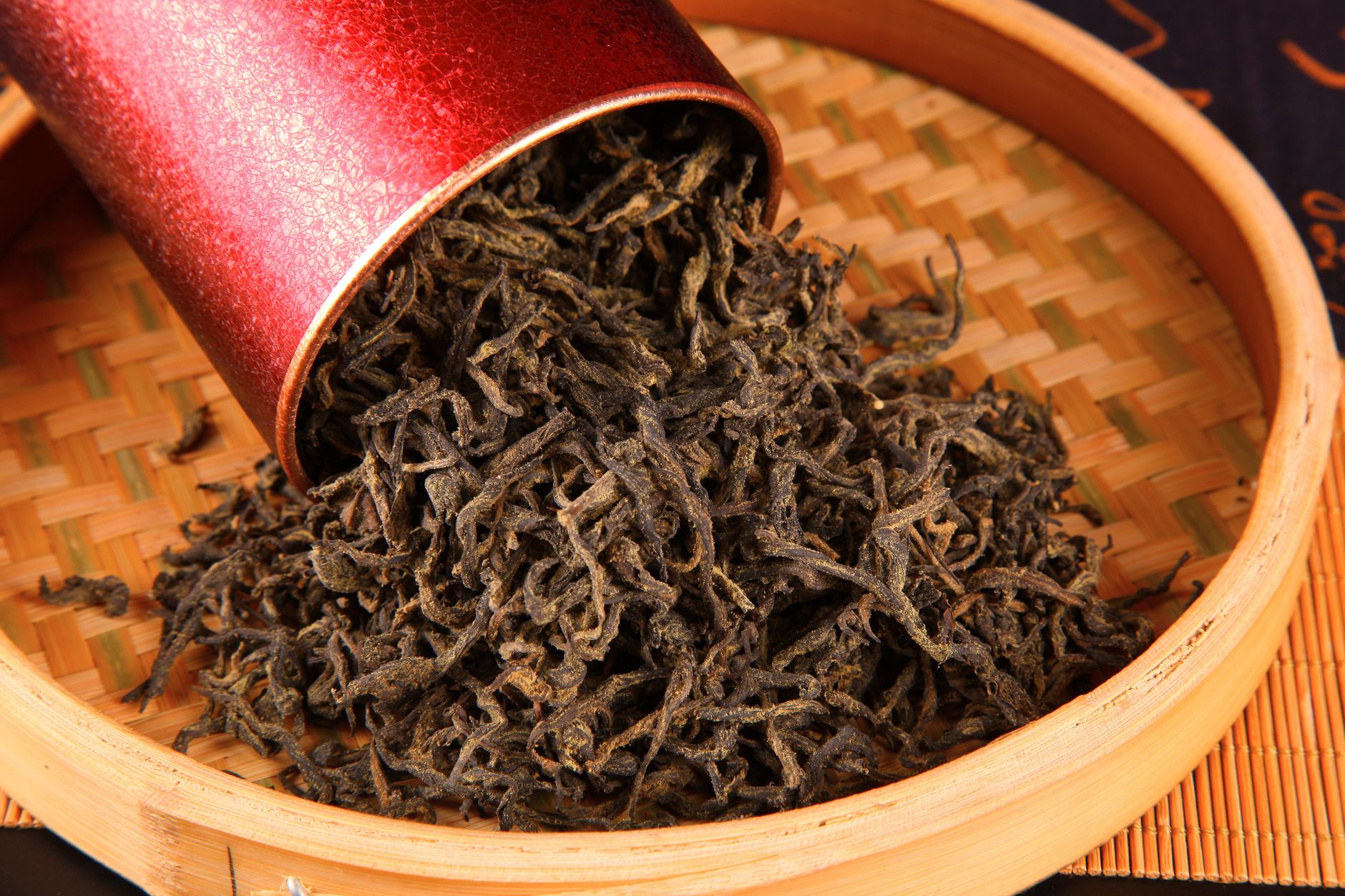
Fermented tea is an intriguing beverage that stands out due to its unique flavors and potential health benefits. Originating in various cultures, fermented tea presents a delightful blend of taste and healthfulness. In this article, you will learn about the fermentation process, types of fermented tea, techniques for brewing, and some helpful tips for enjoying this special drink.
This guide covers essential aspects of fermented tea, such as its history, how it differs from regular tea, and popular varieties. Whether you’re a tea enthusiast or a novice, understanding fermented tea can enhance your appreciation and experience. Let’s dive in!
What Is Fermented Tea?
Fermented tea refers to teas that undergo a fermentation process, transforming their flavor, aroma, and health properties. Unlike traditional tea, which is typically made from dried leaves steeped in hot water, fermented tea is produced through microbial fermentation, leading to unique flavors and several potential health benefits.
Fermentation provides beneficial probiotics and can create depth in flavor, resulting in teas that are effervescent, tangy, or even sour, depending on the type and length of fermentation.
The Fermentation Process
Fermentation is a natural metabolic process where microorganisms like yeast and bacteria convert sugars into acids, gases, or alcohol. In the context of tea, this process involves several key steps:
- Selection of Tea Leaves: Quality tea leaves are chosen, which can vary from black to green varieties.
- Initial Brewing: The tea is brewed normally, steeped in hot water to extract flavors.
- Coagulation and Cooling: After brewing, the tea is cooled down to a temperature suitable for fermentation.
- Introduction of Cultures: Starter cultures, such as SCOBY (Symbiotic Culture Of Bacteria and Yeast) for kombucha or specific bacterial strains, are added to the cooled tea.
- Fermentation: The mixture is placed in a closed container to allow fermentation to take place, usually in a warm and dark environment.
- Flavoring (Optional): At this stage, other flavors like herbs, fruit, or spices can be added, depending on the desired profile.
- Bottling and Second Fermentation (Optional): After sufficient fermentation time, the tea can be bottled for carbonation, resulting in a fizzy beverage.
- Consumption: Finally, the fermented tea is ready to drink, either fresh or after further age for improved flavor.
Types of Fermented Tea
Several varieties of fermented tea exist, each with distinct characteristics. Here are some popular types:
Kombucha
Kombucha is perhaps the most well-known fermented tea. It is made by fermenting sweetened black or green tea with a SCOBY. This results in a tangy, effervescent drink complete with probiotics. Kombucha can be flavored with various fruits and herbs to enhance its taste.
Puerh Tea
Puerh tea, originating from China, is made from fermented and aged tea leaves. It can be sold in loose form or as compressed cakes. Its flavor can range from earthy and woody to sweet and rich, depending on the aging process. Puerh offers unique health benefits and is often appreciated by tea connoisseurs.
Jun Tea
Jun tea is a lesser-known form of fermented tea made with green tea and honey. The fermentation process involves a different culture, which gives it a slightly different taste profile, often perceived as more floral and effervescent.
Other Varieties
There are other fermented tea drinks like Tepache (a Mexican beverage made from pineapple and brown sugar) and Kashiwamochi Tea (a Japanese fermented drink). Each type varies in flavor, aroma, and health benefits, showcasing the range of possibilities through fermentation.
Health Benefits of Fermented Tea
Fermented tea is often touted for its numerous health benefits, which can include:
- Probiotics: The fermentation process introduces probiotics, which may aid digestion and gut health.
- Antioxidants: Many fermented teas retain the antioxidants present in their base tea leaves, contributing to overall health.
- Improved Nutrient Absorption: Fermentation can enhance the bioavailability of certain nutrients.
- Blood Sugar Regulation: Some studies suggest that fermented tea may contribute to better blood sugar regulation.
- Enhanced Energy Levels: The caffeine levels in fermented tea can provide a gentle energy boost without the jitters associated with coffee.
Brewing Fermented Tea at Home
Brewing fermented tea at home can be a rewarding experience, allowing you to customize flavors and explore different varieties. Follow these steps to get started:
Essential Equipment
- A glass or ceramic container (avoid metal unless it is stainless steel)
- A breathable cloth or coffee filter and rubber band or string
- A thermometer (optional)
- A wooden or plastic stirring tool
- Bottles for storage (preferably glass)
Basic Kombucha Recipe
This recipe provides a foundation for making a basic kombucha. You can adjust the flavorings as desired.
Ingredients
- 4 cups water
- 2 tablespoons loose black or green tea (or 2-3 tea bags)
- 1 cup granulated sugar
- 1 SCOBY
- 2 cups starter tea (from a previous batch or store-bought kombucha)
- Additional flavorings (fruits, spices) if desired
Method
- Boil the water in a pot. Once boiling, remove from heat and add tea leaves or bags to steep for 10-15 minutes. Remove tea leaves or bags.
- Add sugar to the tea while it’s still warm and stir until fully dissolved.
- Allow the sweetened tea to cool to room temperature.
- Transfer the cooled tea into a glass container and add the starter tea.
- Gently place the SCOBY on top of the mixture. If it sinks, that’s okay; it will float when fermentation takes place.
- Cover the container with a breathable cloth, securing it with a rubber band. This allows air in while keeping contaminants out.
- Place the container in a warm, dark area (around 70-85°F) and allow it to ferment for 7-14 days. Taste it periodically to check for flavor.
- Once it reaches your desired taste, carefully remove the SCOBY and set it aside for the next batch.
- Bottle the kombucha, adding any flavorings if desired, and seal tightly. Leave it to carbonate for another 3-7 days at room temperature.
- Refrigerate the bottles once carbonated. Serve chilled and enjoy!
Flavoring Your Fermented Tea
Customizing the flavor of your fermented tea can be a fun and creative process. Here are some common flavoring options:
- Fruits: Berries, citrus slices, ginger, or tropical fruits can add refreshing zest.
- Herbs: Fresh herbs like mint, basil, or lavender contribute unique aromas and tastes.
- Spices: Cinnamon sticks, cardamom pods, or cloves can introduce warm spice notes.
- Sweeteners: Consider natural sweeteners like honey, agave, or even flavored syrups.
When adding flavorings, keep in mind that they can alter the fermentation process and timing, so be attentive to taste testing to ensure the desired result. Add about 1-2 cups of flavoring ingredients for a gallon batch for best results.
Common Mistakes and Troubleshooting
While brewing fermented tea can be enjoyable, common mistakes can affect the final product. Here are some tips for troubleshooting:
- Incorrect Temperature: Ensure the fermentation area stays within the ideal temperature range. Too cold can slow the fermentation, while too hot may kill the SCOBY.
- Contamination: Always use clean equipment and avoid introducing contaminants, which can spoil your brew.
- Flavor Not Developing: If your tea lacks flavor, it may need more time or additional starter tea to aid the fermentation.
- Off Smell or Appearance: Any foul smell or visible mold indicates spoilage. Dispose of the batch and start anew.
Storing Fermented Tea
Proper storage of fermented tea is key for retaining its quality:
- Refrigeration: Once bottled, keep fermented tea in the refrigerator to slow down the fermentation and reduce acidity.
- Limit Air Exposure: Ensure your bottles are sealed tightly to prevent unwanted air exposure, which may lead to over-carbonation and even bursting.
- Shelf Life: Consume home-brewed fermented tea within 1-3 months for the best flavor and quality, although it might remain safe to drink longer if stored properly.
Conclusion
Fermented tea offers a unique blend of taste and potential health benefits, making it an interesting addition to your beverage repertoire. From kombucha to puerh, each variety has its unique flavor profile, allowing for endless possibilities in flavoring and brewing methods. Whether you decide to brew your own or purchase artisanal blends, fermented tea is sure to expand your palate.
To get started on your fermented tea journey, consider trying your hand at homemade kombucha or exploring different varieties such as classic puerh or light jun tea. The world of fermented tea awaits you!
If you’re interested in exploring more beverage recipes, check out the Korean barley tea recipe or learn how to make a ginger bug for your next culinary adventure.