
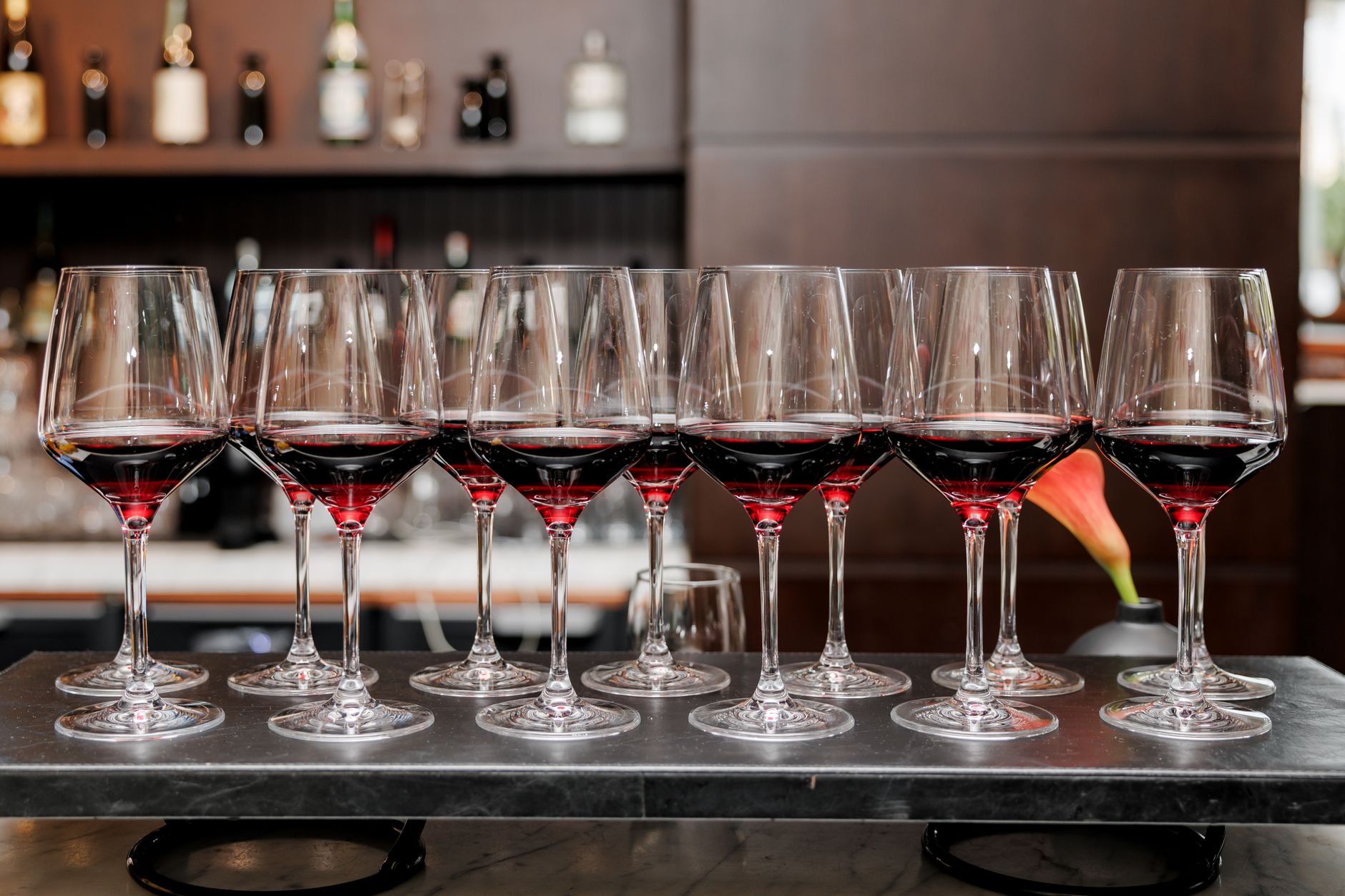
Understanding what is considered a glass of wine can enhance your drinking experience, whether you are at home or dining out. It goes beyond just pouring a beverage into a glass; it’s about flavor, appreciation, and serving size.
This article will break down the specifics of what constitutes a glass of wine, including standard serving sizes, the impact of wine types, and tips for enjoying wine responsibly.
What Is Considered A Glass Of Wine?
A glass of wine is generally defined as a serving of wine that contains about 5 ounces (148 milliliters). This measurement is a standard used in the wine industry to help consumers understand appropriate portions and alcohol content. However, this standard can vary based on the type of wine, the occasion, and personal preferences.
The Standard Serving Size: 5 Ounces
The consensus among most wine experts is that a standard glass of wine is 5 ounces. This amount is designed to allow for both tasting and enjoyment while keeping the alcohol levels manageable.
Understanding Alcohol Content
Alcohol content in wine is measured in Alcohol by Volume (ABV). Most wines contain between 12% and 15% ABV. A 5-ounce serving typically has about 0.6 ounces of pure alcohol, which translates to roughly one standard drink. Understanding this helps you monitor your intake, especially in social settings.
Variations in Glass Sizes
Different types of wines can influence the size of the glass and the amount poured. Specialty glasses are designed for different kinds of wine, each of which may entail a slightly different serving size. Below are common wine glass sizes:
- Red Wine Glass: Typically holds 12-14 ounces, filled to about 5-6 ounces.
- White Wine Glass: Generally holds 10-12 ounces, filled to about 4-5 ounces.
- Sparkling Wine Flute: Holds about 6-8 ounces, usually filled to around 4 ounces.
- Dessert Wine Glass: Can hold 6-8 ounces, filled to about 3-4 ounces due to sweetness.
Specialty Serving Sizes
When serving wines like dessert wines, ice wines, or premium vintage wines, it’s common to pour less—around 3 to 4 ounces—allowing the drinker to savor the unique flavors without overwhelming their palate.
Choosing the Right Glass
The choice of glass can significantly influence the drinking experience. Different shapes and sizes can affect how the aromas are released and how the wine is perceived.
- Red Wine Glass: The wider bowl helps aerate the wine, intensifying its flavors.
- White Wine Glass: A smaller bowl retains the wine’s crispness and aromas.
- Champagne Flute: The narrow shape emphasizes the bubbles and aromas of sparkling wines.
Factors Affecting Glass Size and Serving Amount
While the standard glass is defined, several factors can lead to variations in how wine is served:
Type of Wine
Different wines come with unique characteristics and require different serving styles. For example, lighter wines may be served in smaller quantities to enhance their refreshing qualities, while fuller-bodied wines may be preferred in larger pours to develop their complex aromas.
Occasion
The context, such as whether it’s a casual dinner or a formal celebration, also plays a crucial role in the serving size. During festive occasions like weddings or anniversaries, it is common to pour more generously.
Personal Preference
Individual tastes also come into play. Some may prefer smaller pours to enjoy the nuances of various wines, while others may favor a more substantial serving during casual evenings.
Health and Safety Considerations
Understanding what is considered a glass of wine can also contribute to responsible drinking practices. Staying aware of alcohol consumption is key. Here are some points to keep in mind:
- Drink Responsibly: Limit yourself to one drink when possible, especially if you’re venturing into multiple types of wines.
- Hydrate: Drink water in between servings to help mitigate the effects of alcohol.
- Know Your Limits: Everyone’s tolerance differs; understand your own body and its reactions.
Tips for Enjoying Wine
To enhance your wine-drinking experience, consider these tips:
- Temperature Matters: Serve white wines chilled, while red wines are best enjoyed at room temperature.
- Decant When Necessary: Certain wines, particularly reds, benefit from decanting to aerate and release complex flavors.
- Pair Food Wisely: Complement your wine with well-paired foods for an elevated tasting experience.
Evaluating Wine Quality and Value
Not all wines are created equal, and understanding what constitutes a glass can help you appreciate quality. Factors affecting the wine value include:
- Origin: Wines from renowned regions may have distinct characteristics and higher values.
- Varietals: Certain grape varieties command higher prices based on demand and rarity.
- Aging Potential: Some wines are meant to be aged, enhancing their flavors and potential market value.
What to Do If You Want More Wine
If you find yourself enjoying your wine experience, knowing how to responsibly revisit your glass is essential. Here are steps to take:
- Assess your current glass size and remaining wine.
- Consider your limits and how much more wine you feel comfortable consuming.
- If you decide to refill, pour a standard amount (5 ounces or less). This helps maintain control and avoid excessive drinking.
Common Mistakes to Avoid
Even seasoned wine drinkers can make mistakes, including:
- Pouring Too Much: Always stick to the recommended serving size to help monitor alcohol consumption.
- Ignoring Temperature: Serving wine too warm or cold can mask its flavors and aromas.
- Overlooking Glass Quality: Using inappropriate glassware can negatively impact the overall wine experience.
Wine Measurements in Practice
Understanding measurements can help you further define your wine experience. Here’s a quick reference guide to standard ounces in relation to European and traditional wine glasses:
| Glass Type | Standard Ounces | Milliliters |
|---|---|---|
| Red Wine Glass | 5-6 | 148-177 |
| White Wine Glass | 4-5 | 118-148 |
| Champagne Flute | 4 | 118 |
| Dessert Wine Glass | 3-4 | 89-118 |
Final Thoughts on Wine Enjoyment
Understanding what is considered a glass of wine can lead to more enjoyable experiences. By respecting serving sizes, choosing the right glass, and making thoughtful decisions about when, how, and why you’re drinking, you increase both your enjoyment and appreciation of this exquisite beverage.
As you navigate your wine journey, remember to explore different types of wine and learn about pairing them with foods to elevate your meals. You might also find it interesting to try your hand at making your own wine punch or even a homemade wine recipe to enjoy during gatherings.
For more engaging culinary guides, consider checking out our recipe for wine punch or get adventurous with our homemade wine recipe!