
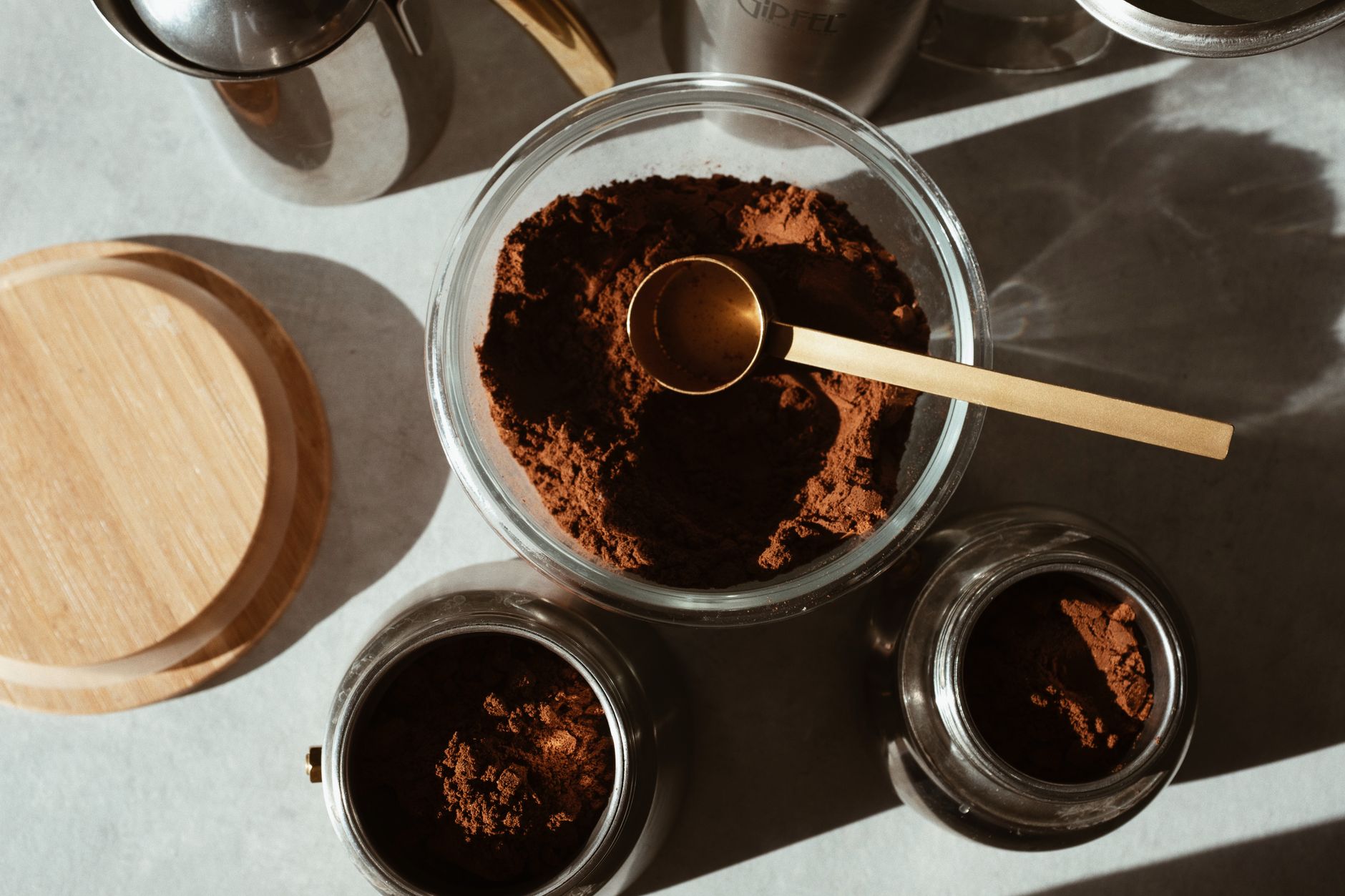
Coffee powder, commonly known as ground coffee, is a crucial ingredient in brewing your favorite cup of joe. It is made from roasted coffee beans that have been finely ground to enhance extraction of flavor and aroma during the brewing process. Understanding coffee powder can help you select the best type for your brewing method and optimize your coffee experience.
The texture, grind size, and even the type of coffee bean play significant roles in the final flavor of your brewed coffee. This guide will delve into everything you need to know about coffee powder, including how it’s made, its various forms, the importance of grind size, and practical tips for using it in your kitchen.
What Is Coffee Powder?
Coffee powder is the result of grinding roasted coffee beans into a fine or coarse texture, depending on the brewing method you intend to use. The process aims to expose the maximum surface area of the coffee, which allows for a richer infusion of flavors when water passes through during brewing. This time-honored culinary ingredient can be used not only for brewing but also in various recipes that call for a coffee flavor.
How Is Coffee Powder Made?
The journey of coffee powder begins with coffee beans, which are seeds from the coffee cherry. Here’s a summary of how coffee powder is made:
- Harvesting: Coffee cherries are picked from coffee plants, typically when they reach full ripeness.
- Processing: The cherries undergo either dry or wet processing. In wet processing, cherries are pulped, fermented, and washed to remove the mucilage, leaving just the green coffee beans.
- Drying: The beans are dried either in the sun or using mechanical dryers to reduce moisture content.
- Roasting: The dried beans are roasted at high temperatures, which develops their flavor and aroma. The degree of roasting (light, medium, or dark) greatly influences the resulting taste of the coffee powder.
- Grinding: Finally, the roasted beans are ground to the desired coarseness for specific brewing methods, ranging from fine for espresso to coarse for French press.
Types of Coffee Powder
Coffee powder comes in different forms, each suited to specific brewing methods and culinary uses. Understanding these types can help you choose the correct one for your needs.
- Espresso Powder: Very finely ground coffee intended for espresso machines. It’s essential for making concentrated coffee shots.
- Drip Coffee Grind: Medium grind size that works perfectly with drip coffee makers.
- French Press Grind: Coarse coffee suitable for the immersion method of brewing via a French press.
- Turkish Coffee Powder: Extremely fine powder used in making traditional Turkish coffee. It is the closest grind to flour.
- Instant Coffee Powder: Dehydrated coffee that dissolves easily in water, convenient for a quick cup of coffee without brewing.
Understanding Grind Size
The grind size of coffee powder significantly influences the brewing process and the final flavor of your cup. Here is how grind size can affect extraction:
- Fine Grind: Increases extraction speed, suitable for quick brewing methods like espresso. Too fine may lead to over-extraction, resulting in a bitter taste.
- Medium Grind: Offers a balanced extraction, ideal for drip brewing. It allows sufficient time for flavors to develop without bitterness.
- Coarse Grind: Slower extraction, suitable for French press or cold brew methods. This grind prevents over-extraction, resulting in smoother flavors.
Cooking with Coffee Powder
Coffee powder is versatile beyond brewing. Its rich flavor can add depth to both sweet and savory recipes. Here are a few ways you can incorporate coffee powder into your cooking:
1. Baking
Coffee powder can enhance the flavor of baked goods such as cakes, cookies, and brownies. It brings out chocolate flavors and adds a unique depth to various desserts while imparting a lovely aroma.
2. Marinades and Rubs
In savory cooking, coffee powder can be used to create marinades or rubs for meats. It works particularly well with beef and pork, imparting a rich, smoky flavor profile.
3. Coffee-Infused Dishes
Consider using coffee powder in dishes such as chili or barbecue sauce. It adds a complexity to the flavors and can enhance the overall taste of the dish without overpowering other ingredients.
4. Beverages and Smoothies
You can add coffee powder to smoothies or milkshakes for a mocha flavor. Just be sure to use a finely ground coffee so it blends seamlessly.
How to Store Coffee Powder
Proper storage of coffee powder is crucial to maintaining its freshness and flavor. Here are some tips:
- Airtight Container: Store coffee powder in an airtight container to limit exposure to air.
- Keep in a Cool, Dark Place: Light, heat, and moisture can degrade coffee flavor. A pantry or cupboard away from the stove and sunlight is ideal.
- Use Within a Reasonable Timeframe: Ideally, coffee powder should be used within two weeks of grinding for the best flavor. If you need to store it longer, consider freezing it.
Common Mistakes When Using Coffee Powder
Even experienced coffee lovers can make missteps. Here are some common pitfalls to avoid with coffee powder:
- Incorrect Grind Size: Using the wrong grind size for your brewing method can lead to over-extraction or under-extraction.
- Stale Coffee Powder: Using stale coffee can result in lackluster flavor. Always check the roast date before purchasing and prefer freshly ground coffee when possible.
- Water Temperature: Water that is too hot can scorch the grounds, while water that is too cold will under-extract them.
Coffee Powder Substitutions
While coffee powder is unique, there are some alternatives you can consider when you need a coffee flavor without using actual coffee:
- Instant Coffee: Works as a quick replacement for brewed coffee in baking recipes. Use about one tablespoon of instant coffee for every cup of brewed coffee.
- Cocoa Powder: For chocolate desserts, cocoa powder can mimic some of the bitterness and depth that coffee adds but will not impart the coffee flavor.
- Chicory Root: This plant root has a similar flavor profile to coffee and is often blended with coffee or used as a caffeine-free alternative.
- Tea: Strong teas such as black or chai can offer a different but enjoyable flavor profile, although it won’t be a direct substitute for coffee taste.
Tips for Making the Best Cup of Coffee
To make the most of your coffee powder, consider these helpful tips:
- Use Fresh Beans: Invest in high-quality, fresh coffee beans and grind only what you need just before brewing.
- Water Quality: Use filtered water to avoid any off-flavors from tap water.
- Correct Coffee-to-Water Ratio: Start with a 1:15 to 1:18 ratio of coffee to water and adjust according to personal taste.
- Experiment with Brewing Methods: Try different brewing methods and ratios to discover what works best for your palate.
Conclusion
Understanding coffee powder encompasses not just its definition but also its versatility in cooking and baking. A crucial component for any coffee enthusiast, coffee powder opens up opportunities for enhancing flavors beyond just brewing. Now that you’ve gained insights into its uses, storage, and preparation, you can elevate your culinary repertoire with this delightful ingredient.
Explore additional recipes, tips, and guides to expand your culinary experimentation with coffee and more: try a caramel coffee recipe, or learn how to make a coffee negroni.