
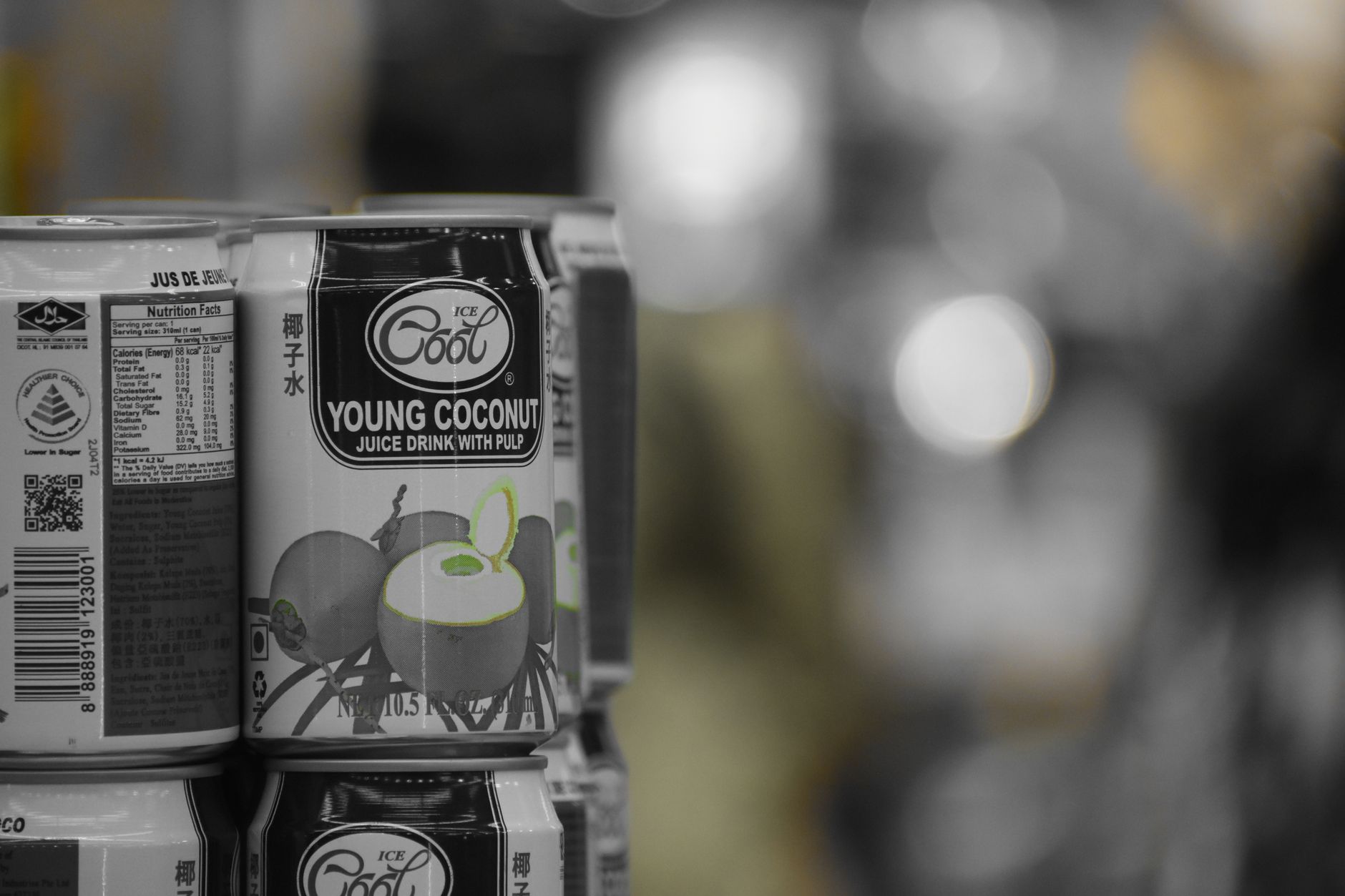
Coconut juice, often referred to as coconut water, is the clear liquid found inside young green coconuts. With its refreshing taste and hydrating properties, coconut juice is becoming increasingly popular as a natural beverage choice. Not only does it boast numerous health benefits, but it also enhances the flavor of various culinary dishes.
In this guide, we will explore what coconut juice is, its nutritional benefits, culinary uses, and how to select, store, and incorporate it into your diet. Whether you’re looking to hydrate after a workout or add a tropical flair to your recipes, understanding coconut juice will enable you to enjoy its versatility in the kitchen.
What Is Coconut Juice?
Coconut juice is the liquid that fills the cavity of a fresh, green coconut. It is different from coconut milk, which is made by blending the flesh of mature coconuts with water. Coconut juice is a naturally sweet, light, and refreshing beverage that is low in calories and free from added sugars. Its subtle flavor makes it an ideal ingredient for a variety of dishes and drinks.
Nutritional Benefits of Coconut Juice
Coconut juice has gained a reputation for being a healthful beverage. It contains essential vitamins and minerals, making it a nutritious choice. Here are some key nutritional benefits:
- Hydration: Coconut water is an excellent source of hydration due to its high electrolyte content, making it especially beneficial after exercise.
- Low-Calorie: With only about 46 calories per cup, coconut juice is a low-calorie beverage compared to sugary drinks.
- Nutrients: It contains potassium, magnesium, calcium, sodium, and vitamin C, all of which contribute to overall health.
- Antioxidants: Coconut juice contains several antioxidants that help combat oxidative stress and inflammation in the body.
- Digestive Health: Coconut juice is known to be gentle on the stomach and can aid in digestion.
How to Select the Right Coconut Juice
When purchasing coconut juice, you have a few options: fresh, canned, and bottled. Here’s how to select the best option:
- Fresh Coconut Juice: If available, fresh coconut juice from green coconuts offers the best flavor and nutritional value. Look for coconuts that feel heavy for their size and have no cracks or mold.
- Canned Coconut Water: Choose brands that list coconut water as the only ingredient. Avoid those with added sugars or preservatives for the best health benefits.
- Bottled Coconut Water: Similar to canned options, select bottled coconut water with minimal ingredients and no added sugars. Check labels for nutritional information.
How to Prepare Fresh Coconut Juice
Preparing fresh coconut juice at home can be a rewarding experience. Here’s a simple method to extract the juice:
- Choose a Young Coconut: Look for a young, green coconut with a smooth exterior.
- Tools Needed: You will need a large chef’s knife or machete, a bowl for the juice, and optionally, a straw.
- Cut Open the Coconut: Using the knife, carefully slice off the top of the coconut at an angle to create an opening. Avoid applying too much pressure to prevent the juice from spilling.
- Drain the Juice: Hold the coconut upside down over the bowl to collect the juice. You can also enjoy it straight from the coconut with a straw.
Culinary Uses of Coconut Juice
Coconut juice is a versatile ingredient that can be incorporated into various dishes and beverages. Here are some popular culinary uses:
As a Beverage
Due to its refreshing taste, coconut juice can be enjoyed on its own. It also serves as a base for smoothies, cocktails, and mocktails.
Cooking and Baking
Coconut juice can add moisture and flavor to baked goods like cakes and muffins. It can also be used in savory dishes, such as curries, soups, and sauces, to impart a tropical flavor.
Marinades and Dressings
Use coconut juice in marinades for meats and seafood, adding a sweet and tangy note. It can also serve as an interesting base for salad dressings.
Coconut Juice in International Cuisines
Coconut juice plays a significant role in many regional cuisines. In Southeast Asian cooking, it often appears in curries and soups, while Caribbean cuisine incorporates it in drinks and desserts. Its sweet, mild flavor complements spicy dishes well.
Common Mistakes When Using Coconut Juice
To help you make the most of coconut juice in your cooking, here are some common mistakes to avoid:
- Using The Wrong Type: Ensure you’re using coconut juice, not coconut milk. The two are distinctly different and serve different culinary purposes.
- Adding Too Much Sugar: Since coconut juice is already naturally sweet, avoid adding extra sugar to your recipes unless necessary.
- Overheating: Coconut juice should not be boiled or cooked for long periods, as this can alter its flavor and nutrients.
Storage and Shelf Life of Coconut Juice
Proper storage of coconut juice is vital for maintaining its freshness. Here are some general guidelines:
- Fresh Coconut Juice: Best consumed immediately after extraction. If stored in a sealed container, it can last in the refrigerator for up to 24 hours.
- Canned or Bottled Coconut Juice: Once opened, consume within 3 to 5 days and store in the refrigerator. Always check the expiration date if unopened.
Creative Ways to Use Coconut Juice
For those looking to experiment, here are some creative applications for coconut juice:
Refreshing Cocktails
Create invigorating cocktails by mixing coconut juice with rum, lime juice, and coconut cream. Garnish with mint leaves for an added touch.
Smoothies and Milkshakes
Blend coconut juice with tropical fruits like mango or pineapple to create refreshing smoothies. Add yogurt or protein powder for a nutritious boost.
Frozen Treats
Freeze coconut juice in ice cube trays to use in juices and cocktails. Alternatively, blend with fruits and freeze to make tropical popsicles.
Potential Drawbacks of Coconut Juice
Although coconut juice has many benefits, it’s important to consume it in moderation. Here are a few cautions:
- High Potassium Content: Individuals with kidney issues should consult with a healthcare provider before consuming large amounts of coconut juice due to its high potassium content.
- Natural Sugar: Although natural, the sugars found in coconut juice can add up; therefore, balance it with other dietary components.
FAQs About Coconut Juice
Here are answers to some frequently asked questions about coconut juice:
Is coconut juice the same as coconut milk?
No, coconut juice (or coconut water) is the clear liquid found inside coconuts, while coconut milk is made from the grated meat of ripe coconuts blended with water.
Can I drink coconut juice every day?
Yes, drinking coconut juice daily can be beneficial, but moderation is key due to its sugar content. Balance it with a varied diet for optimal health.
How can I use coconut juice in desserts?
Coconut juice can add unique flavor to puddings, jellies, and cakes. Use it in place of water or milk in recipes for a tropical twist.
Is coconut juice safe for children?
Generally, coconut juice is safe for children, but the sweetness can lead to excessive sugar intake. Moderation is advised.
Conclusion
Coconut juice is a nutritious, versatile ingredient that can enhance both your hydration and your meals. Its refreshing flavor complements an array of dishes, making it a delightful addition to your kitchen. Whether consumed alone or mixed into recipes, understanding how to best utilize coconut juice allows you to incorporate this tropical wonder into your everyday life.
For more culinary inspiration, consider exploring your options for perfect coconut milk recipes, smoothie ideas, and tropical baking tips to make the most out of coconut flavors. Enjoy experimenting!