
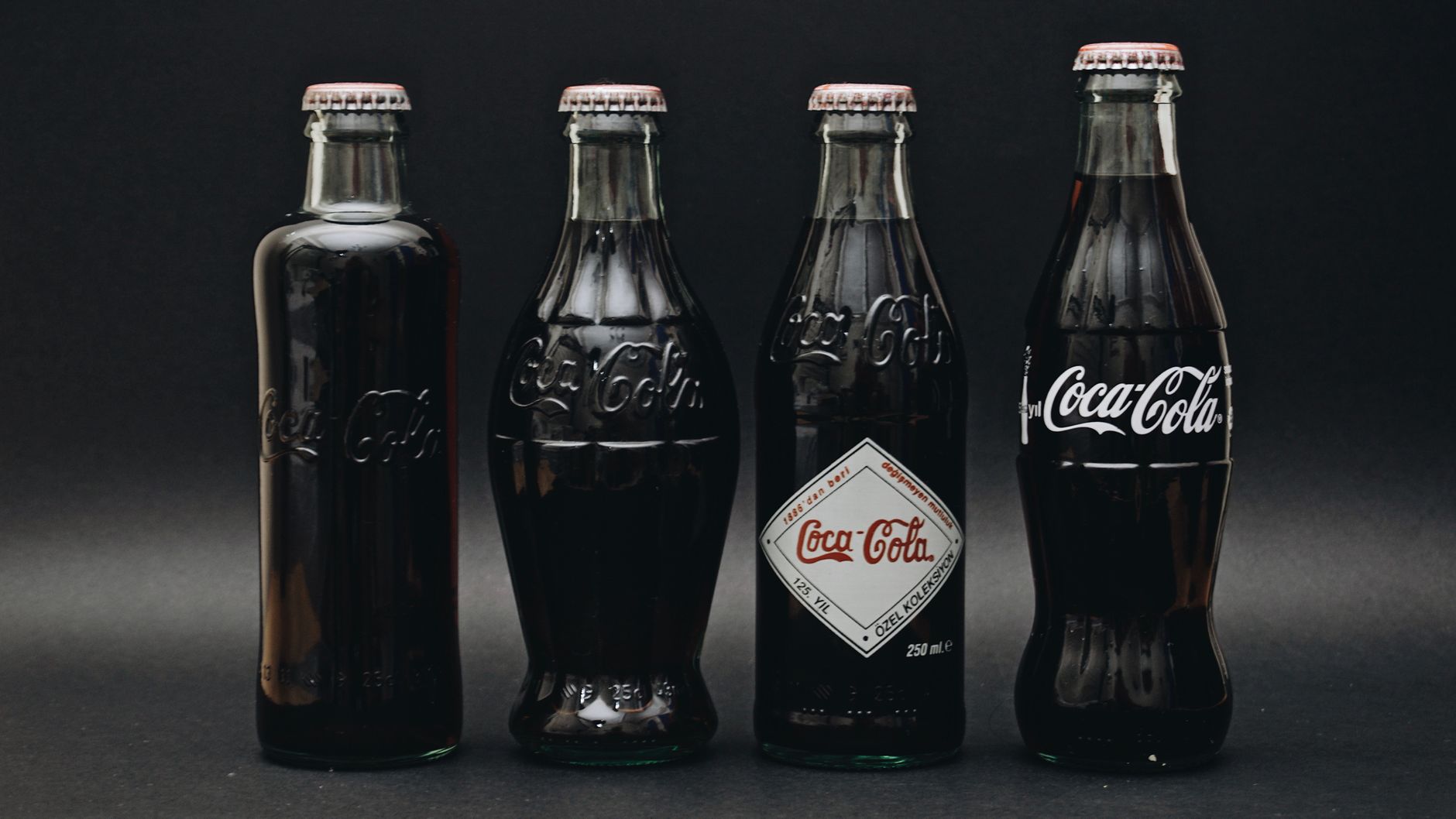
Coca-Cola, one of the most recognizable soft drinks in the world, boasts a complex flavor profile that sets it apart from other sodas. People often wonder what this iconic beverage is supposed to taste like, as its unique combination of flavors creates a sensory experience that is both refreshing and invigorating. Understanding Coca-Cola’s taste can enhance your enjoyment and appreciation of this classic drink.
In this article, we will delve into the various elements that define the flavor of Coca-Cola, explore its uses in various culinary contexts, and discuss ways to enjoy it beyond just drinking it straight from the can. From flavor notes to popular pairings, read on to uncover the delightful nuances of Coca-Cola.
What Is Coca-Cola Supposed To Taste Like?
Coca-Cola is known for its sweet, slightly spicy, and caramel-like flavor, accompanied by a refreshing effervescence. The drink combines hints of vanilla, cinnamon, nutmeg, and other secret flavors to create a unique experience. The balance of sweetness, acidity, and carbonation results in a crisp, invigorating mouthfeel that many find irresistible.
The Flavor Profile of Coca-Cola
To appreciate Coca-Cola’s taste fully, it’s essential to break down its flavor components. Below are some key elements that contribute to the overall profile of this beloved beverage:
Sugar and Sweetness
The primary taste sensation in Coca-Cola is sweetness. The drink typically contains high fructose corn syrup (HFCS) or sucrose, resulting in a sugary taste that many associate with refreshment. The sweetness is balanced by acidity and bitterness, preventing it from becoming overwhelmingly sweet.
Acidity and Carbonation
Coca-Cola has a distinct level of acidity, largely due to phosphoric acid. This acidity provides a slight tang that enhances the overall flavor, contributing to the refreshing quality of the drink. The carbonation in Coca-Cola also plays a significant role; the fizziness stimulates the palate and makes every sip enjoyable.
Flavor Notes
Coca-Cola’s flavor profile includes a mix of various tastes derived from its ingredients:
- Vanilla: This flavor adds a creamy, smooth quality that softens the overall taste.
- Cinnamon: A subtle spice note that enhances the drink’s complexity and adds warmth.
- Nutmeg: Another warm spice that contributes to the layered flavor, giving it a hint of earthiness.
- Citrus: Some drinkers note a slight citrus undertone, which brightens the overall taste.
- Caramel: The rich caramel flavor serves as the backbone of Coca-Cola, providing depth and richness.
Cooking and Baking with Coca-Cola
Coca-Cola is not only a refreshing beverage but also a versatile ingredient that can be used in various culinary applications. Here are some ways to incorporate it into your cooking and baking:
Marinades
Coca-Cola’s sweetness and acidity make it an excellent marinade for meats. It can help tenderize tougher cuts and add a unique flavor. To create a simple marinade:
- Combine 1 cup of Coca-Cola with 1/4 cup of soy sauce, 2 tablespoons of Worcestershire sauce, and minced garlic.
- Add your choice of meat, such as chicken, pork, or beef, and let it marinate for at least two hours or overnight for best results.
Glazes and Sauces
You can use Coca-Cola as a base for delicious sauces and glazes. A popular option is to create a sweet and tangy barbecue sauce by combining:
- 1 cup of Coca-Cola
- 1 cup of ketchup
- 2 tablespoons of apple cider vinegar
- 1 tablespoon of brown sugar
- A pinch of smoked paprika
Simmer the mixture in a saucepan until thickened, then use it to glaze grilled meats or as a dipping sauce.
Baking
Coca-Cola can also be a surprising addition to baked goods. Try substituting it for liquid in a cake recipe to enhance moisture and add a subtle flavor. Here’s a simple Coca-Cola cake recipe:
Coca-Cola Cake Recipe
This cake is rich, moist, and has a unique flavor stemming from the soda. It serves about 12 people.
Ingredients:
- 2 cups all-purpose flour
- 2 cups granulated sugar
- 1/2 cup unsweetened cocoa powder
- 1 teaspoon baking soda
- 1 teaspoon salt
- 1 cup Coca-Cola
- 1 cup vegetable oil
- 2 large eggs
- 1 teaspoon vanilla extract
Instructions:
- Preheat the oven to 350°F (175°C). Grease and flour a 9×13 inch baking pan.
- In a mixing bowl, whisk together the flour, sugar, cocoa powder, baking soda, and salt.
- Add the Coca-Cola, vegetable oil, eggs, and vanilla extract. Mix until well combined.
- Pour the batter into the prepared pan and bake for 30-35 minutes, or until a toothpick comes out clean. Allow to cool before serving.
Mixing Drinks with Coca-Cola
Another way to enjoy Coca-Cola is by incorporating it into mixed drinks. Its sweet and spicy flavor can complement a variety of spirits, adding depth to cocktails.
Popular Coca-Cola Cocktails
Here are a few cocktails that highlight Coca-Cola’s unique taste:
- Rum and Coke: A classic combination, mixing dark or spiced rum with Coca-Cola and a lime wedge for garnish.
- Whiskey and Coke: Simple yet effective, this pairing balances the bold flavors of whiskey with Coca-Cola’s sweetness.
- Cuba Libre: A twist on the rum and Coke, it adds freshly squeezed lime juice for an extra zing.
Common Mistakes and Troubleshooting
While experimenting with Coca-Cola in cooking or baking, it’s essential to avoid certain pitfalls. Here are some common mistakes to watch for:
- Using too much Coca-Cola: Balance is key. Too much soda can result in overly sweet or dense dishes.
- Not accounting for sugar: Since Coca-Cola contains a significant amount of sugar, reduce the sugar in your recipes accordingly.
- Ignoring carbonation: When baking, use flat Coca-Cola for a more consistent texture. Carbonation can make delicate cakes rise too quickly.
Storage and Reheating Tips
If you have leftover Coca-Cola or dishes prepared with it, here’s how to store and reheat them effectively:
- Coca-Cola Storage: Keep it in a cool, dry place away from sunlight. Once opened, refrigerate the soda and consume within a week for optimal freshness.
- Reheating Dishes: For meals made with Coca-Cola, reheat in the oven or on the stovetop. Avoid microwaving, as it can cause uneven heating.
Food Pairings with Coca-Cola
Coca-Cola’s versatile flavor allows it to be paired with a wide range of foods. Here are some popular pairings to consider:
- Burgers: The sweetness and acidity of Coca-Cola complement the savory flavors of a grilled burger.
- Pizza: The carbonation cleanses the palate, making it an excellent choice to pair with cheesy pizza.
- Spicy Chicken Wings: The sweetness balances the heat of spicy dishes.
Unconventional Uses for Coca-Cola
Beyond cooking and drinking, Coca-Cola has some unexpected uses:
- Cleansing Agent: The phosphoric acid in Coca-Cola can effectively clean various surfaces, making it useful for tackling tough stains and buildup.
- Gardening: Some gardeners use flat Coca-Cola as a root stimulator for plants due to its sugar content, which attracts microbes.
The Legacy of Coca-Cola in Culture
Coca-Cola has an enduring impact on popular culture, symbolizing everything from refreshment to togetherness. Its distinctive flavor has made it a staple at social gatherings, parties, and family meals. Today, Coca-Cola continues to engage consumers through innovative marketing, product variations, and collaborations. Understanding its taste can deepen your appreciation of this iconic beverage and its role in everyday life.
In summary, Coca-Cola brings a delightful mix of sweetness, acidity, and carbonation to your palate. From cooking and baking to mixing cocktails, its versatility is unmatched. Explore different ways to incorporate this beloved drink into your culinary practices, and you’ll discover new enjoyment in both Coca-Cola and your meals.
For further inspiration in your culinary journey, check out our blue cola recipe and orange soda recipe for unique soda variations that can add a twist to your next gathering.