
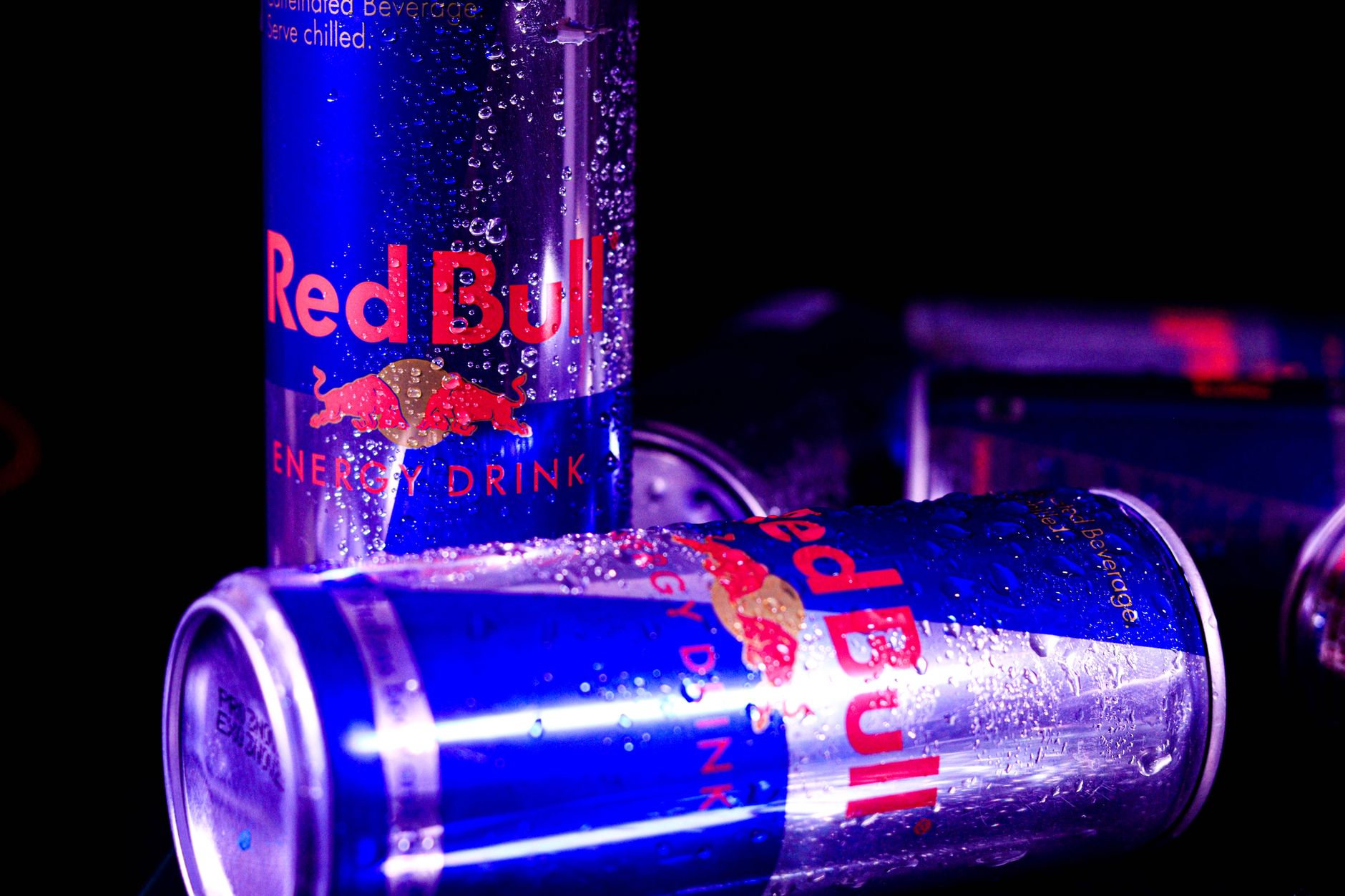
Caffeine is a widely consumed stimulant present in various beverages, including energy drinks like Monster and Red Bull. Many people rely on these drinks for a quick energy boost, especially during long work shifts or intense workouts. When comparing these two popular brands, consumers often wonder, “What has more caffeine, Monster or Red Bull?” Understanding the caffeine content can help you make informed choices about your energy drink consumption.
This article will explore the caffeine levels in both Monster and Red Bull, detailing how they differ, and providing additional insights into the effects of caffeine, serving sizes, and recommendations for safe consumption. This information can be helpful whether you’re selecting an energy drink for workout fuel or a late-night study session.
What Has More Caffeine Monster Or Red Bull?
When comparing the caffeine content of Monster and Red Bull, Monster generally contains more caffeine per ounce than Red Bull. A standard 16-ounce can of Monster contains about 160 milligrams of caffeine, while a 8.4-ounce can of Red Bull contains approximately 80 milligrams of caffeine. This means that if you drink the same volume, Monster provides a more substantial caffeine boost.
Understanding Caffeine Content
Caffeine is a natural stimulant that affects the central nervous system, helping to improve focus, alertness, and energy levels. While moderate intake is generally considered safe, excessive caffeine consumption can lead to side effects such as insomnia, anxiety, restlessness, and increased heart rate.
Caffeine in Monster Energy Drinks
Monster comes in various formulations and flavors, each with different caffeine levels. The original Monster Energy drink, which is the most commonly consumed variant, provides a considerable amount of caffeine. However, several other options within the Monster line exist, including:
- Monster Ultra (various flavors, typically around 150 mg per 16 oz)
- Monster Zero Sugar (approximately 140 mg per 16 oz)
- Monster Java (coffee-based, usually around 200 mg per 16 oz)
As you can see, the caffeine level does vary across different Monster products, but the original version remains a favorite among energy drink consumers.
Caffeine in Red Bull Energy Drinks
Red Bull also has a few different styles of drinks, but the traditional Red Bull remains the most well-known for its distinct taste and energy-boosting properties. The regular 8.4-ounce can contains about 80 milligrams of caffeine. Other variations include:
- Red Bull Sugarfree (approximately 80 mg per 8.4 oz)
- Red Bull Zero Calories (about 80 mg per 8.4 oz)
- Red Bull Editions (flavored varieties with similar caffeine levels)
Despite any variations, each of these options usually contains a consistent amount of caffeine, typically half of what you would find in a serving of Monster.
Caffeine Comparison
To further clarify the relationship between these two energy drinks, let’s summarize their caffeine content based on standard serving sizes:
| Drink | Serving Size | Caffeine Content |
|---|---|---|
| Monster Energy | 16 oz | 160 mg |
| Red Bull | 8.4 oz | 80 mg |
This comparison makes it clear that Monster has a higher caffeine concentration compared to Red Bull. When considering a larger serving size, Monster undeniably has more caffeine based on volume. For example, a 24-ounce can of Monster might contain around 240 milligrams of caffeine, while three 8.4-ounce cans of Red Bull combined would only provide 240 milligrams, requiring more liquid to reach similar caffeine levels.
Choosing the Right Energy Drink
The choice between Monster and Red Bull ultimately depends on personal preferences and energy needs. Here are some factors to consider when selecting an energy drink:
- Caffeine Sensitivity: If you are sensitive to caffeine or simply prefer lower levels, Red Bull could be the better option.
- Flavor Preferences: Monster typically offers a broader flavor range, so you might choose it based on taste.
- Serving Size: If you tend to consume larger volumes, Monster might be more suitable for your needs.
- Brand Connection: Some consumers gravitate toward a specific brand based on marketing, lifestyle, or social connection.
Effects of Caffeine on the Body
Consuming moderate amounts of caffeine can have several benefits, including increased alertness, improved physical performance, and enhanced mood. However, it is crucial to understand how caffeine can also negatively impact your body, particularly in large quantities:
- Increased Heart Rate: High caffeine intake can lead to rapid heartbeats and increased blood pressure.
- Anxiety and Jitters: For some, high caffeine levels can result in feelings of anxiety and jitteriness, making it harder to relax.
- Sleep Disruption: Caffeine can interfere with sleep patterns and lead to insomnia if consumed too close to bedtime.
- Digestive Issues: Some individuals might experience digestive issues, including upset stomachs or acid reflux, when consuming energy drinks.
Ultimately, moderation is key. For most healthy adults, moderate caffeine intake, often cited as 400 milligrams per day, is typically considered safe.
Caffeine Consumption Recommendations
When selecting between Monster and Red Bull, here are some general recommendations for safe consumption:
- Monitor your total daily caffeine intake from all sources, including coffee, tea, and other caffeinated beverages.
- Time your consumption appropriately—try not to drink energy drinks too late in the day to avoid sleep disturbances.
- Stay hydrated: Drink plenty of water alongside energy drinks, as caffeine can have a mild diuretic effect.
- Consult a healthcare professional if you’re unsure about your caffeine sensitivity or have pre-existing health conditions.
Conclusion
When comparing Monster and Red Bull, it’s evident that Monster contains more caffeine per ounce than Red Bull, making it a stronger choice for those seeking a quick energy boost. However, each drink has its own benefits and flavors tailored to varying consumer preferences. Understanding your body’s caffeine tolerance is essential in making an informed choice for your energy drink needs.
If you’re already familiar with the balance of caffeine and its effects, consider exploring recipes that incorporate energy drinks into creative cocktails. You might enjoy mixing flavors for fun party drinks or finding new ways to energize your day while opting for beverages that suit your caffeine intake needs. Check out our Red Bull Italian Soda Recipe or learn how to create a refreshing Vodka Red Bull Recipe for your next gathering or night out.