
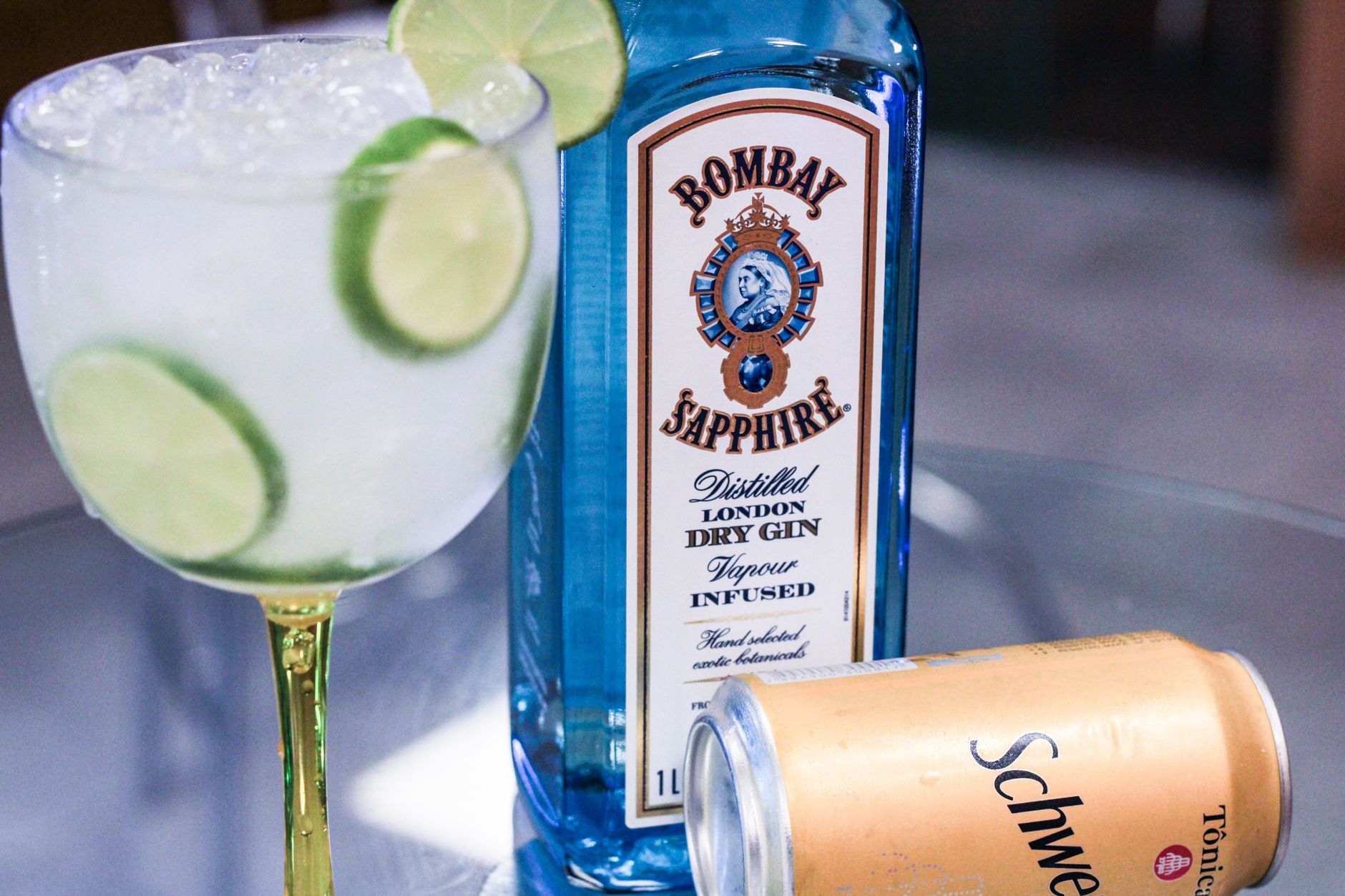
Tonic water, often overshadowed by its more popular counterparts in the beverage world, has a unique and refreshing taste that warrants closer examination. This effervescent drink, primarily known for its role in cocktails, particularly gin and tonic, combines various flavors that can be intriguing to many.
Understanding what tonic water tastes like not only enhances your drinking experience but also helps you appreciate its place in the mixology world. In this guide, we will explore the flavor profile of tonic water, its ingredients, culinary uses, and more.
What Does Tonic Water Taste Like?
Tonic water has a distinct flavor that is both refreshing and slightly bitter. The most prominent flavor comes from quinine, a compound derived from the bark of the cinchona tree, which provides the characteristic bitterness. Alongside this bitterness, tonic water typically has a hint of sweetness, often from added sugars or high-fructose corn syrup, and a citrusy or herbal undertone from various flavoring agents.
The balance of these flavors can vary significantly between brands and types of tonic water. Some are more bitter, while others lean toward the sweet side. This complexity makes tonic water a versatile mixer and a refreshing stand-alone drink.
Key Ingredients in Tonic Water
To understand the taste of tonic water better, it’s helpful to know its key ingredients:
- Quinine: The source of tonic water’s distinct bitterness, this compound has been used medicinally for centuries and offers a unique taste characteristic.
- Carbonated Water: This is the base of tonic water, providing fizz and enhancing the overall drinking experience.
- Sweeteners: Different brands use various sweeteners, including cane sugar, high-fructose corn syrup, or artificial sweeteners, to balance the bitterness of quinine.
- Flavorings: Many tonic waters include additional flavors, such as citrus oils or herbal extracts, which can provide extra depth and complexity to the drink.
Flavor Profile Breakdown
Now, let’s delve deeper into the flavor profile of tonic water. Understanding the different elements can help you tailor your drink choices and appreciate its versatility.
The Bitterness of Quinine
The most striking feature of tonic water is its bitterness, which comes from quinine. This bitterness is often described as sharp and astringent. For some, it can be an acquired taste, especially for those who are accustomed to sweeter beverages.
The Sweetness Factor
Most commercial tonic waters include sweeteners to counterbalance the bitterness of quinine. The level of sweetness can vary widely among brands, with some offering a more pronounced sugary note than others. The sweetness often feels like a gentle whisper rather than an overpowering shout, ensuring the tonic retains its refreshing quality.
Citrus and Herbal Notes
In addition to bitterness and sweetness, many tonic waters carry citrus and herbal fragrances. These can be derived from natural flavorings, such as lime, lemon, or even herbs like rosemary and thyme. This fragrant quality enhances the overall drinking experience and complements spirits like gin.
Types of Tonic Water
Not all tonic waters are created equal. Their flavor profiles can vary based on the craftsmanship and ingredients used by various brands. Here are a few types of tonic waters to consider:
Classic Tonic Water
Classic tonic water is the most widely recognized type, characterized by a standard blend of quinine, sugar, and carbonation. This type typically has a balanced flavor and works well with a variety of spirits.
Light Tonic Water
Light tonic water, often marketed towards those seeking lower-calorie options, uses artificial sweeteners instead of traditional sugars. This results in a drink that is less sweet and can taste much drier than its classic counterpart.
Flavored Tonic Water
Flavored tonic waters, which may include notes of cucumber, elderflower, or various fruits, are growing increasingly popular. These variants can add a different dimension to cocktails and can also be enjoyed on their own. Their additional flavoring helps smooth the bitterness and can create a different cocktails experience.
Indian Tonic Water
This specific style of tonic water is known for its higher quinine content and often comes with a noticeable sweetness. Indian tonic water has a reputation for being a perfect mixer for gin, enhancing the botanical flavors present in the spirit.
Culinary Uses of Tonic Water
Tonic water is not just for mixing drinks; it has various culinary uses that can elevate your recipes. Here are some innovative ways to incorporate tonic water into your cooking:
Marinades
The bitterness of tonic water can help tenderize meat, making it an interesting addition to marinades. Consider combining tonic water with citrus juice, herbs, and spices to impart a unique flavor to chicken or fish.
Cooking Grains
Using tonic water instead of water or broth for cooking grains like rice or quinoa adds a slight dimension of flavor. Just remember to adjust any added salts and seasonings accordingly.
Desserts
Tonic water can also feature in desserts, especially sorbets or jellies. The bitterness balances sweetness well, making for a refreshing finish to any meal.
Choosing the Right Tonic Water
When it comes to selecting a tonic water that suits your taste preferences, consider the following tips:
Read Labels
Examine the ingredient list and nutritional information. Some tonic waters may contain more sugar or artificial ingredients than others, impacting both taste and health.
Taste Test
If you have access to several brands, consider doing a blind taste test. Rate them based on bitterness, sweetness, and overall flavor profile. This method can help you find your ideal tonic water.
Pairing with Spirits
Different spirits pair better with certain tonic waters. For example, a floral gin might work well with an elderflower tonic, while a more robust gin could be complemented by a classic or Indian tonic water. Experimenting with various combinations can elevate your cocktails.
Common Mistakes When Drinking Tonic Water
While tonic water is generally straightforward to enjoy, there are a few common mistakes to avoid:
Overmixing Cocktails
When preparing a gin and tonic, avoid overmixing as it can flatten the bubbles and diminish the refreshing fizz of the tonic.
Ignoring Temperature
Cold tonic water enhances its refreshing qualities. Always serve it chilled to enjoy the best flavor.
Neglecting Garnishes
Garnishes like citrus slices or herbs can enhance the flavor experience of your drink. Don’t overlook this simple way to elevate your glass.
Health Aspects
While tonic water contains quinine, which can offer various health benefits, such as muscle relaxation, it is often sweetened. Moderation is key when consuming tonic water, as excessive intake can lead to increased caloric consumption.
Quinine Considerations
Some individuals may be sensitive to quinine and should consume tonic water with caution. It is important to pay attention to any adverse reactions and consult health professionals when necessary.
Sugar Content
Not all tonic waters are low in sugar. Be aware of the sugar content in your choice of tonic water, especially if you’re monitoring your sugar intake.
Making Your Own Tonic Water
For those who prefer a hands-on approach, making homemade tonic water can be both rewarding and delightful. Here’s a simple guide:
Ingredients
- 2 cups water
- 2 teaspoons quinine powder (make sure it’s food grade)
- 1 cup sugar (or to taste)
- Zest of 1 lemon or lime for added flavor
- 1 teaspoon citric acid (optional)
- Carbonated water to mix
Instructions
- In a saucepan, combine water, quinine powder, sugar, and citrus zest. Bring to a boil over medium heat.
- Stir until the sugar has completely dissolved, then let it simmer for about 20 minutes.
- Remove from heat and let the mixture cool completely.
- Strain the mixture into a clean bottle, discarding the solids.
- To serve, mix the tonic syrup with carbonated water in a 1:4 ratio, adjusting to taste.
Conclusion
Tonic water offers a complex flavor profile of bitterness, sweetness, and herbal notes, making it an essential component in many cocktails. Understanding its taste can enhance your beverage experience and open up new culinary possibilities. Whether you’re sipping it straight or using it in recipes, tonic water remains a versatile and refreshing choice.
For home bartenders and culinary adventurers alike, exploring flavored variations, learning to make your own tonic, and discovering new pairings with different spirits can lead to delightful outcomes. Embrace the unique flavors tonic water brings to your glass, and consider experimenting with making a homemade version to find a blend that suits your taste perfectly.
If you’re interested in crafting your own tonic water, check out the detailed tonic water recipe [here](https://bartenderscabinet.com/tonic-water-recipe/). Explore more drinking ideas, cooking tips, and food guides to enhance your culinary journeys!