
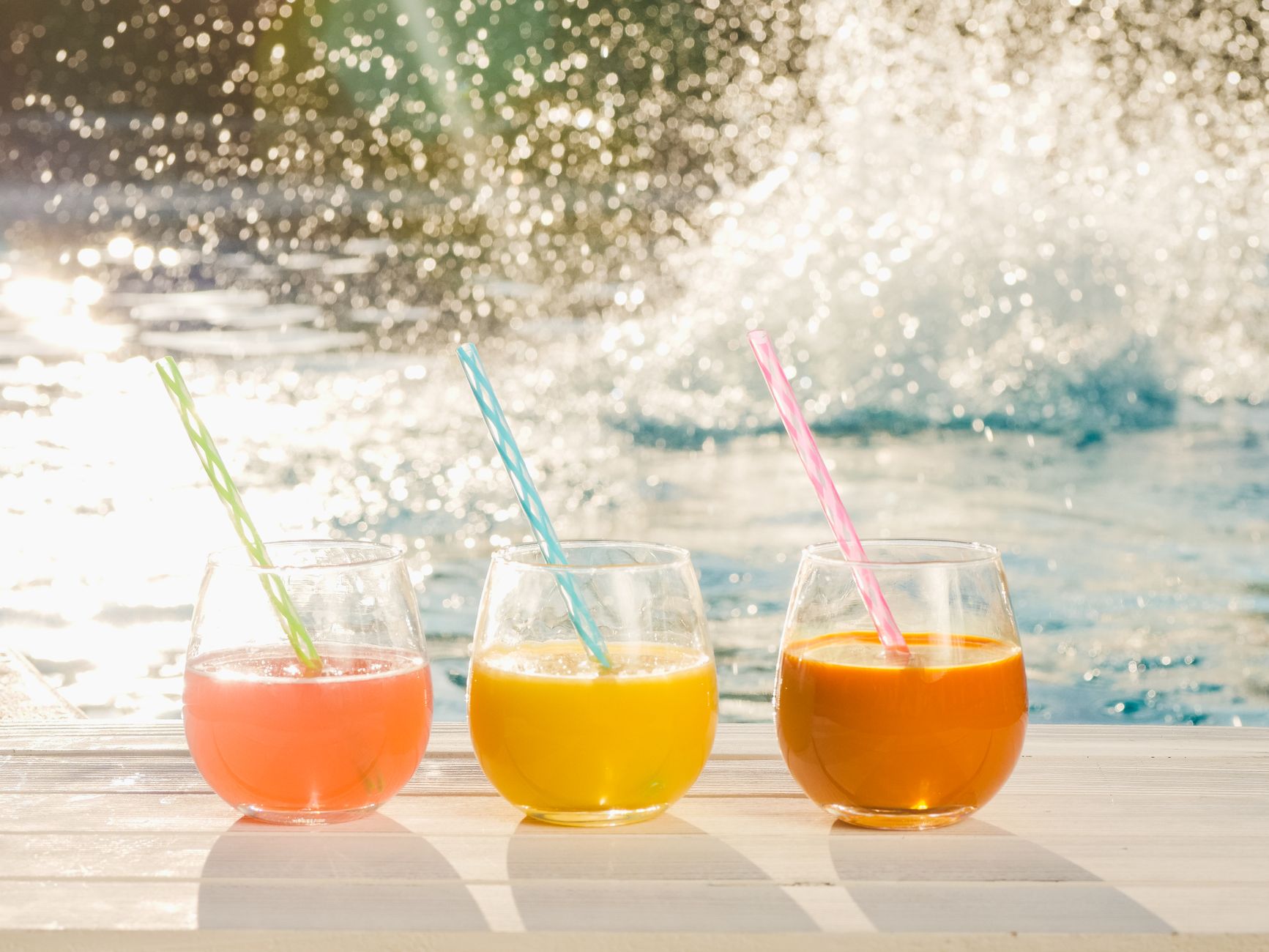
Vitamin water is a beverage that many people turn to for hydration and added nutrients. With its bright colors and fruity flavors, it can be tempting to reach for a bottle when you’re feeling thirsty. However, it raises a significant question: is vitamin water good for you? Understanding what goes into vitamin water and its actual benefits can help you determine if it’s the right choice for your hydration needs.
In this article, we will explore the ingredients commonly found in vitamin water, the potential health benefits and drawbacks, and compare it to plain water and other beverages. This holistic overview will empower you to make an informed decision about incorporating vitamin water into your diet.
Vitamin Water: Is It Good for You?
Vitamin water can be a good source of hydration, especially if you are someone who struggles to drink enough plain water. However, it is essential to weigh its nutritional value against added sugars and other artificial components. Each brand has its own unique formulation, so understanding the ingredients will give you clarity on its health effects.
What Is Vitamin Water?
Vitamin water is a flavored water beverage infused with vitamins, minerals, and often sugar or sweeteners. Originally developed as a healthier alternative to sugary sodas and juices, it aims to provide hydration along with additional nutrients. Most vitamin waters are marketed as functional drinks, targeting specific health functions such as energy, hydration, or immunity.
Ingredient Breakdown
To evaluate whether vitamin water is good for you, let’s break down its common ingredients:
- Water: The base of any vitamin water, important for hydration.
- Vitamins: Usually includes B vitamins (like B3, B5, B6, B12), vitamin C, and sometimes vitamin E. These vitamins play various roles, from energy production to serving as antioxidants.
- Minerals: Magnesium, potassium, and calcium are common minerals found in vitamin waters, which are crucial for bodily functions.
- Sweeteners: Many varieties include added sugars, usually in considerable amounts. Some brands use high fructose corn syrup, while others opt for stevia or other low-calorie sweeteners.
- Flavors: Natural or artificial flavorings are used to give vitamin water its distinct taste. Natural flavors usually come from real fruit sources, while artificial flavors are chemically derived.
The Nutritional Profile
The nutritional profile of vitamin water varies by brand but can generally be assessed by looking at the calories, sugar content, and vitamin levels. A typical bottle may have:
- Calories: Anywhere from 45 to 120 calories
- Sugars: Can contain 10-33 grams of sugar per serving
- Vitamins: Depending on the brand, can provide 100% or more of the daily recommended intake of certain vitamins
When comparing to sugary sodas and fruit juices, vitamin water is often lower in sugar and calories. However, the amount of added sugar can still be significant, which dilutes some of its potential health benefits.
Potential Health Benefits
When consumed in moderation, vitamin water can offer several health benefits, mainly due to its vitamin and mineral content:
1. Hydration
First and foremost, vitamin water can help keep you hydrated. Staying hydrated is crucial for maintaining optimal bodily functions, including regulating temperature, lubricating joints, and nutrient transport.
2. Vitamins for Energy
The B vitamins found in vitamin water can be beneficial for energy metabolism. They help convert food into fuel, which is especially important for those leading an active lifestyle.
3. Immune Support
Vitamin C, frequently found in vitamin water, is known for its immune-boosting properties. It supports the body’s natural defenses and may help reduce the duration of colds.
4. Convenient and Tasty Alternative
If you’re not a fan of plain water, vitamin water can provide a flavorful alternative that encourages you to drink more fluids.
Potential Drawbacks
Despite the potential benefits, there are some drawbacks to vitamin water that should not be overlooked:
1. High Sugar Content
One of the primary concerns is the sugar content. Some vitamin waters can have as much sugar as a soft drink, contributing to weight gain, increased blood sugar levels, and dental issues if consumed frequently.
2. Artificial Additives
Many brands utilize artificial flavors and sweeteners. Some individuals may want to avoid these due to potential side effects or personal preferences for natural ingredients.
3. Not a Substitute for a Balanced Diet
While vitamin water can provide additional nutrients, it’s not a substitute for a balanced diet rich in whole foods. Relying on it for your vitamin intake may lead to nutritional imbalances.
Comparing Vitamin Water with Other Beverages
To make a well-informed decision about whether to include vitamin water in your daily routine, let’s compare it to some other common beverages:
1. Plain Water
Plain water is calorie-free and essential for hydration without the added sugars and artificial ingredients found in vitamin water. It is the best choice for everyday hydration.
2. Sports Drinks
Sports drinks are designed for athletes to replenish electrolytes during intense exercise. They often contain a more significant amount of sugars and electrolytes than vitamin waters. If you’re not exercising vigorously, they may be unnecessary.
3. Fruit Juices
While 100% fruit juice contains natural sugars and vitamins, it can still contribute to high calorie and sugar intake if consumed in large amounts. It is generally more beneficial to eat whole fruits to gain fiber along with the vitamins.
4. Flavored Sparkling Water
Flavored sparkling water can be a lower-calorie alternative to vitamin water, providing flavor without the sugars or excess calories, making it a better option while still allowing for a variety of tastes.
When to Choose Vitamin Water
If you’re considering incorporating vitamin water into your routine, here are some specific situations when it might be beneficial:
- As an occasional treat to mix things up and encourage hydration.
- After intense physical activity where electrolyte replenishment may be needed.
- When you’re feeling under the weather and want an extra vitamin boost.
Practical Tips for Choosing Vitamin Water
If you decide to go for vitamin water, consider these tips to ensure a healthier choice:
- Read labels carefully. Check both the calorie and sugar content to select a lower-sugar option.
- Look for products that use natural flavorings and sweeteners.
- Consider the purpose: match the vitamin water to your specific needs, such as energy or hydration.
Homemade Vitamin Water Alternatives
If you’re looking for healthier options with more control over what goes into your drink, consider making your own vitamin-infused water at home:
Simple Homemade Vitamin Water Recipe
- Choose your base: Start with 4 cups of filtered water (still or sparkling).
- Pick your flavors: Add slices of fruits (like lemon, cucumber, or berries) and herbs (like mint or basil).
- Optional: For added nutrients, consider adding a splash of fresh juice or a scoop of powdered electrolytes.
- Let it sit: Refrigerate for 1-2 hours to allow the flavors to infuse.
- Serve chilled, adding ice if desired.
This homemade version provides hydration without the added sugars and can be customized to your taste preferences.
Recognizing Common Mistakes
When considering vitamin water or any flavored beverages, some common pitfalls may arise:
- Assuming all vitamin waters are low in sugar—do your research.
- Using vitamin water solely as a hydration method—remember to drink plain water too.
- Making it a regular, daily drink instead of an occasional choice—it’s best as a supplement, not a staple.
Storage and Shelf Life
Ideally, keep opened vitamin water in the refrigerator and consume it within a few days for best taste. Check the “best by” date on closed bottles, but usually, they last for several months if unopened and properly stored.
Final Thoughts
Vitamin water can have its perks, particularly as a flavorful way to stay hydrated. Yet, it is essential to understand its sugar content, artificial ingredients, and overall appropriateness within a balanced diet. For soda drinkers or those seeking alternatives to plain water, vitamin water may present a healthier option. However, for optimal hydration and nutrition, consider balancing it with plenty of plain water and whole foods in your diet.
Next time you’re in the drink aisle, remember to weigh the pros and cons. For a refreshing and healthier alternative, explore making your own infused water at home.
Explore related recipes, cooking tips, or food guides, such as our immune-boosting juice recipe and high blood pressure juice recipe for more ideas!