
There’s something magical about the first sip of tang tea, that perfect balance of tart and sweet hitting your palate all at once. This refreshing beverage has become my go-to drink for hot afternoons and lazy weekends, offering a nostalgic nod to childhood summers while feeling completely sophisticated on an adult palate.
Tang tea combines the bright, citrusy notes of instant tang drink mix with hot or cold brewed tea for a drink that’s impossibly easy yet deeply satisfying. What makes this recipe special is its versatility: you can serve it steaming hot on winter mornings or ice-cold over crushed ice when the temperature climbs, and it takes just minutes to prepare.
Whether you’re a busy parent looking for a quick refreshment or someone who enjoys experimenting with simple flavor combinations, this recipe delivers consistent results every single time. Let’s walk through how to make your own tang tea at home.
Why You’ll Love This Recipe
This recipe shines because it transforms two pantry staples into something that tastes like a special treat.
- Incredibly quick to make, ready in under five minutes with minimal effort
- Customizable sweetness and tang intensity to match your exact taste preferences
- Works beautifully served hot or cold, making it year-round friendly
- Budget-friendly using affordable ingredients most households already have on hand
- Perfect base for experimenting with flavor variations and creative twists
My Experience Making This Recipe
I first rediscovered tang tea while cleaning out my parents’ pantry and finding a dusty container of orange tang from years past. That nostalgic moment sparked an idea to elevate it into something more sophisticated by pairing it with quality tea.
My initial experiments were surprisingly successful, with the citrus notes from the tang complementing black tea beautifully while mellowing its natural bitterness. Friends who tried it immediately asked for the recipe, surprised that such a simple combination could taste so refined and crave-worthy.
What impressed me most was how the flavor profile shifted depending on which tea I used and whether I served it hot or cold. The tang tea became my signature offering at casual gatherings, and honestly, it’s become my favorite way to use instant tang mix.
Recipe Overview
- Recipe Name: Tang Tea
- Servings: 2 servings
- Prep Time: 3 minutes
- Cook Time: 5 minutes
- Total Time: 8 minutes
- Course: Beverage
- Cuisine: American
- Calories Per Serving: 45 calories
Equipment You Will Need
- Kettle or pot for boiling water
- Two tea cups or mugs
- Tea strainer or infuser basket
- Spoon for stirring
- Measuring spoons
- Optional: pitcher for batch preparation
Ingredients for Tang Tea
- 2 cups water
- 2 tea bags black tea or your preferred tea variety
- 3 tablespoons instant orange tang drink mix
- 1 tablespoon honey or sugar (optional, adjust to taste)
- Ice (for cold serving, optional)
- Lemon slice or orange wedge for garnish (optional)
Ingredient Notes and Substitutions
- Black Tea: Black tea provides a robust base that balances the sweetness of tang perfectly. You can substitute with green tea for a lighter flavor or white tea for something more delicate, though the overall flavor profile will shift toward more subtle citrus notes.
- Orange Tang Drink Mix: Instant tang is the star ingredient that gives this beverage its signature taste and color. Substitute with lemonade mix, strawberry tang, or any citrus instant drink powder, keeping the same three-tablespoon measurement for consistent results.
- Honey or Sugar: This optional sweetener balances the tartness of the tang and tea combination. Replace with agave nectar, maple syrup, or any liquid sweetener at a one-to-one ratio.
- Water Quality: Using filtered water improves the final taste by removing chlorine or mineral flavors that can interfere with the delicate balance. Tap water works fine if filtered water isn’t available, though the flavor may vary slightly.
How to Make Tang Tea
Step 1: Boil the Water
Fill your kettle with two cups of fresh, cold water and bring it to a rolling boil. Boiling water extracts the maximum flavor from your tea leaves and helps dissolve the tang powder thoroughly.
Step 2: Prepare Your Cups
While the water heats, place your two tea bags into separate mugs or tea infusers. This setup ensures even steeping and makes it easy to remove the bags once brewing is complete.
Step 3: Pour the Hot Water
Once the water reaches a boil, carefully pour one cup into each mug over the tea bags. The hot water will immediately begin extracting the tea’s color and flavor compounds.
Step 4: Steep the Tea
Let the tea steep for three to five minutes depending on how strong you prefer it, with longer steeping times creating a more robust tea flavor. I prefer four minutes as it gives a balanced strength without any bitterness.
Step 5: Remove the Tea Bags
Carefully remove each tea bag from the mugs and discard them, squeezing gently against the side of the mug with a spoon to extract any remaining liquid. This step prevents over-steeping and releases the final bit of tea flavor.
Step 6: Add the Tang Mix
Measure out one and a half tablespoons of instant orange tang into each mug and stir thoroughly until completely dissolved. The hot tea helps the tang powder dissolve quickly without any grainy texture remaining.
Step 7: Sweeten to Taste
Add half a tablespoon of honey or sugar to each mug if desired, stirring until the sweetener dissolves completely. Taste your mixture and adjust sweetness according to your preference, as different taste buds perceive sweetness differently.
Step 8: Serve Immediately or Chill
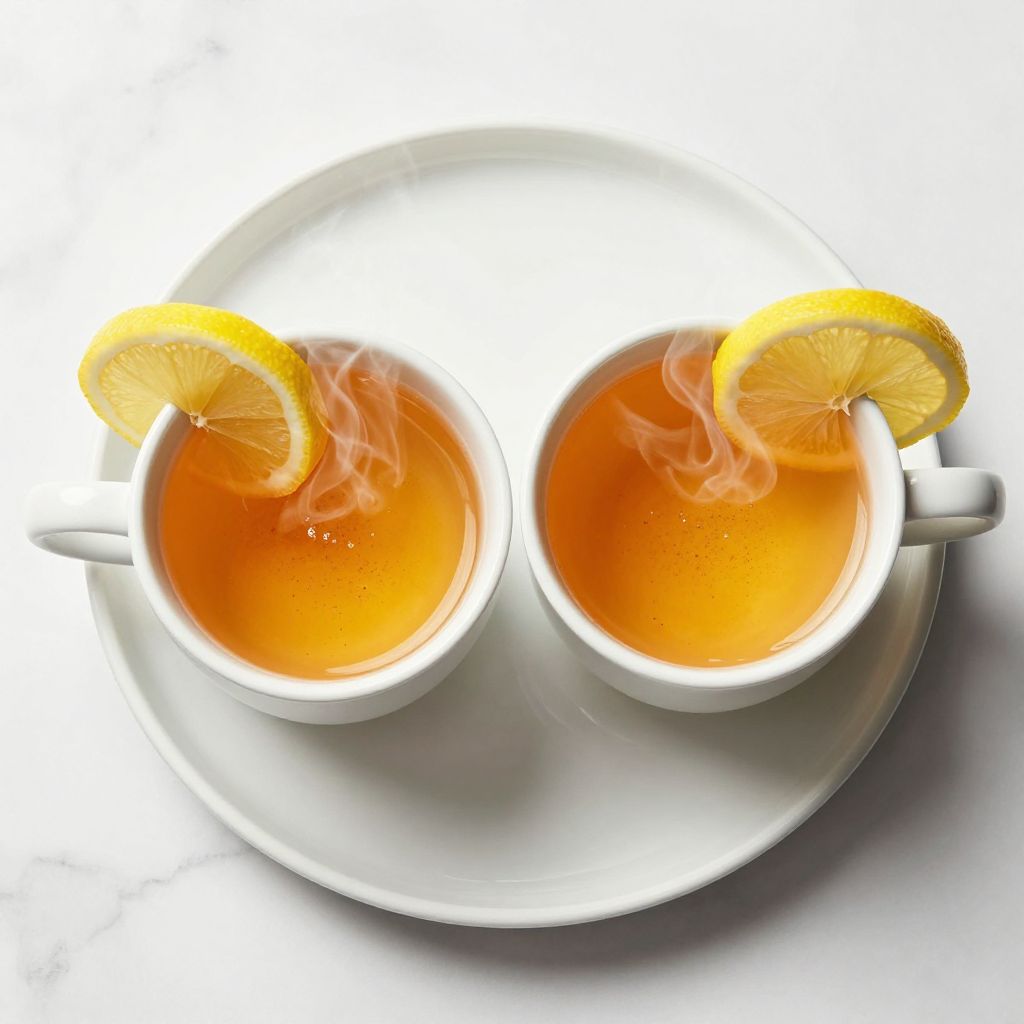
Serve the tang tea hot in your mugs with optional lemon or orange garnish, or pour over ice cubes into glasses for a refreshing cold version. Both versions are equally delicious and can be made moments before serving.
Pro Tip: Make a concentrated batch by doubling the tea and tang amounts in a pitcher, then dilute with hot or cold water to your preferred strength for multiple servings.
Tips for the Best Tang Tea
- Use fresh, recently boiled water rather than reheated water, as reheating can strip oxygen from the water and flatten flavors. Fresh boiling water extracts tea more efficiently and creates better overall taste.
- Don’t over-steep your tea beyond five minutes, as this creates excessive bitterness that clashes with the tang’s sweetness. Three to four minutes hits the sweet spot for most palates.
- Stir the tang powder thoroughly to avoid any undissolved particles settling at the bottom of your cup. Undissolved tang can create uneven flavor and a grainy mouthfeel.
- Chill your glasses in the freezer for five minutes before serving cold tang tea, as this keeps the beverage colder longer and feels more refreshing. Cold glasses prevent rapid dilution from melting ice.
- Experiment with different tea varieties to discover your favorite combination, as each tea brings different flavor notes that complement the citrus tang differently. White tea creates a lighter version while chamomile adds unexpected floral notes.
- Make tang tea concentrate by using double the tang mix and halving the water, then store in the refrigerator for quick single-serving preparations throughout the week. This saves time on busy mornings.
Common Mistakes to Avoid
- Using boiling water that’s been sitting too long loses heat and fails to properly extract tea flavor, resulting in weak, flat-tasting beverage. Always use water immediately after it reaches a boil.
- Adding tang powder to cold water causes it to clump and remain undissolved, creating an unpleasant grainy texture. Hot liquid dissolves the powder instantly and creates smooth consistency.
- Forgetting to remove tea bags promptly leads to over-steeping and excessive bitterness that overpowers the pleasant tang flavor. Set a timer if you tend to get distracted.
- Using too much tang mix creates an overly sweet drink that masks the tea’s natural flavor complexity. Start with three tablespoons per two cups and adjust downward if the taste feels cloying.
- Preparing tang tea in advance without refrigeration causes the flavor to degrade and the beverage to spoil faster than you’d expect. Always chill immediately if making ahead.
Serving Suggestions
Tang tea pairs beautifully with light snacks and afternoon treats, transforming an ordinary break into something special and intentional. The bright citrus flavor complements both sweet and savory foods without overwhelming your palate.
- Serve alongside buttery shortbread cookies or lemon biscuits for an afternoon tea experience
- Pair with fresh fruit like strawberries, peaches, or berries for a refreshing summer combination
- Enjoy with scones topped with clotted cream and jam for a casual tea party
- Accompany sandwiches or tea sandwiches for a light lunch meal
- Serve cold over ice at outdoor gatherings and casual summer parties
Variations to Try
- Minty Tang Tea: Add five fresh mint leaves to your mug before steeping, or use mint tea bags instead of black tea. The mint brings cooling freshness that brightens the citrus notes beautifully.
- Spiced Tang Tea: Add a cinnamon stick and two whole cloves to your mug while steeping, creating warming spice notes that balance the tang’s tartness. This variation feels especially cozy during cooler months.
- Hibiscus Tang Tea: Replace standard black tea with hibiscus tea bags for a tart, floral twist that doubles down on the acidic elements. The result tastes more sophisticated and feels restaurant-quality.
- Honey-Ginger Tang Tea: Add a quarter teaspoon of ground ginger and increase honey to one full tablespoon for warming spice and comfort flavor. Ginger adds gentle heat that plays nicely with citrus.
- Creamy Tang Tea: Stir in two tablespoons of milk or cream after steeping for a smoother, less tart version that feels more indulgent. This works especially well with chai tea blends.
Dietary Adaptations
- Gluten-Free: Tang tea is naturally gluten-free as long as you verify your tea bags contain no gluten additives and use certified gluten-free instant tang mix. Most major brands are gluten-free, but checking labels ensures safety.
- Dairy-Free: Skip any added milk and use coconut milk, almond milk, or oat milk as creamers if desired without impacting the core recipe. The beverage remains equally delicious without dairy products.
- Vegan: Use agave nectar or maple syrup instead of honey to keep the recipe fully vegan-friendly. Verify your tea variety contains no animal-derived ingredients by checking the packaging.
- Low-Carb/Keto: Omit sweeteners entirely or use a keto-friendly sweetener like erythritol or stevia at half the amount since they’re significantly sweeter than sugar. The tang already provides citrus sweetness that carries the flavor well.
- Sugar-Free: Replace honey or sugar with monk fruit sweetener or stevia, adjusting to taste since these sweeteners behave differently than traditional sugars. Start with less and increase gradually until you reach desired sweetness.
Storage and Reheating
Refrigerator
Store prepared tang tea in an airtight glass container for up to three days, keeping it away from strong-smelling foods that might impart flavor. The citrus flavor remains bright and fresh throughout this timeframe.
- Transfer to a pitcher for easy pouring and serving
- Stir well before serving as flavors may settle slightly
- Keep at the back of your refrigerator where temperature stays most consistent
Freezer
Tang tea freezes well for up to one month when stored in freezer-safe containers, though ice crystal formation slightly affects texture. Consider freezing in ice cube trays for quick single servings.
- Leave half an inch of headspace in containers to allow for expansion
- Label containers with the freeze date for easy tracking
- Thaw overnight in the refrigerator before serving for best results
Reheating
Gently reheat refrigerated tang tea in a saucepan over medium heat or in the microwave in thirty-second intervals until warm. Avoid boiling, which can alter the delicate balance of flavors you worked to create.
- Stir occasionally while heating to ensure even temperature distribution
- Test temperature with a spoon before serving to avoid burns
- Cold tang tea requires no reheating and can go directly over fresh ice
Nutrition Information
| Nutrient | Amount |
|---|---|
| Calories | 45 |
| Total Fat | 0g |
| Saturated Fat | 0g |
| Carbohydrates | 11g |
| Fiber | 0g |
| Sugar | 10g |
| Protein | 0g |
| Sodium | 25mg |
| Cholesterol | 0mg |
These values are calculated per serving using standard ingredients without optional sweeteners or milk additions. Actual nutrition varies based on specific product brands and any customizations you make.
Tang Tea
Ingredients
Equipment
Method
- Boil the water: bring 2 cups of fresh water to a rolling boil in a kettle or pot.
- Prepare the cups: place one tea bag in each of two mugs or tea infusers.
- Pour the hot water: divide the boiling water evenly, pouring 1 cup into each mug over the tea bags.
- Steep the tea: let the tea bags steep for 3 to 5 minutes, depending on desired strength.
- Remove the tea bags: discard the tea bags, squeezing them gently against the mug sides to extract any remaining liquid.
- Add the Tang mix: stir 1.5 tablespoons of instant orange Tang into each mug until fully dissolved.
- Sweeten to taste: add 0.5 tablespoon of honey or sugar to each mug and stir until dissolved, adjusting sweetness if desired.
- Serve: enjoy hot or pour over ice for a cold version, garnished with a lemon slice or orange wedge as desired.
Notes
Frequently Asked Questions
Can I make tang tea without using tea bags?
Absolutely, loose leaf tea works beautifully when strained through a fine mesh strainer or infuser basket. The steeping time remains the same at three to five minutes.
What’s the best type of tea to use with tang?
Black tea creates the most traditional and balanced flavor, but green tea, white tea, or herbal blends each offer interesting variations. Experiment to discover your personal favorite pairing.
How much tang should I use if I want it less tart?
Start with two tablespoons instead of three and taste before adding more. You can always increase the tang amount, but you can’t remove it once it’s in the cup.
Can I prepare tang tea in bulk for a week?
Yes, make a large batch and store in a sealed pitcher in the refrigerator for up to three days. Prepare fresh batches every few days for best flavor quality.
Does tang tea work with decaffeinated tea?
Completely, decaffeinated tea pairs just as well with tang and allows for evening enjoyment without sleep disruption. The flavor experience remains identical to the caffeinated version.
What should I do if my tang tea tastes too bitter?
This indicates over-steeping of the tea or using water that wasn’t hot enough initially. Next time, reduce steeping to three minutes and use freshly boiled water.
Is tang tea suitable for children?
Yes, tang tea is safe for children when made with regular tea or herbal varieties, though you might reduce the tang amount slightly for sensitive palates. Avoid caffeinated teas for young children.
Final Thoughts
Tang tea has become my reliable go-to beverage that I return to again and again, whether serving guests or enjoying a quiet moment alone. The simplicity of this recipe masks how genuinely delicious and satisfying the final result tastes.
Give this tang tea recipe a try and discover why this humble combination of tea and instant mix has captured my heart so completely. You’ll quickly understand why this became my favorite way to enjoy both ingredients together.
Explore more refreshing tea recipes that bring joy to your daily routine, like this mullein tea recipe for herbal variety or try this elegant earl grey milk tea recipe for afternoon sophistication.