
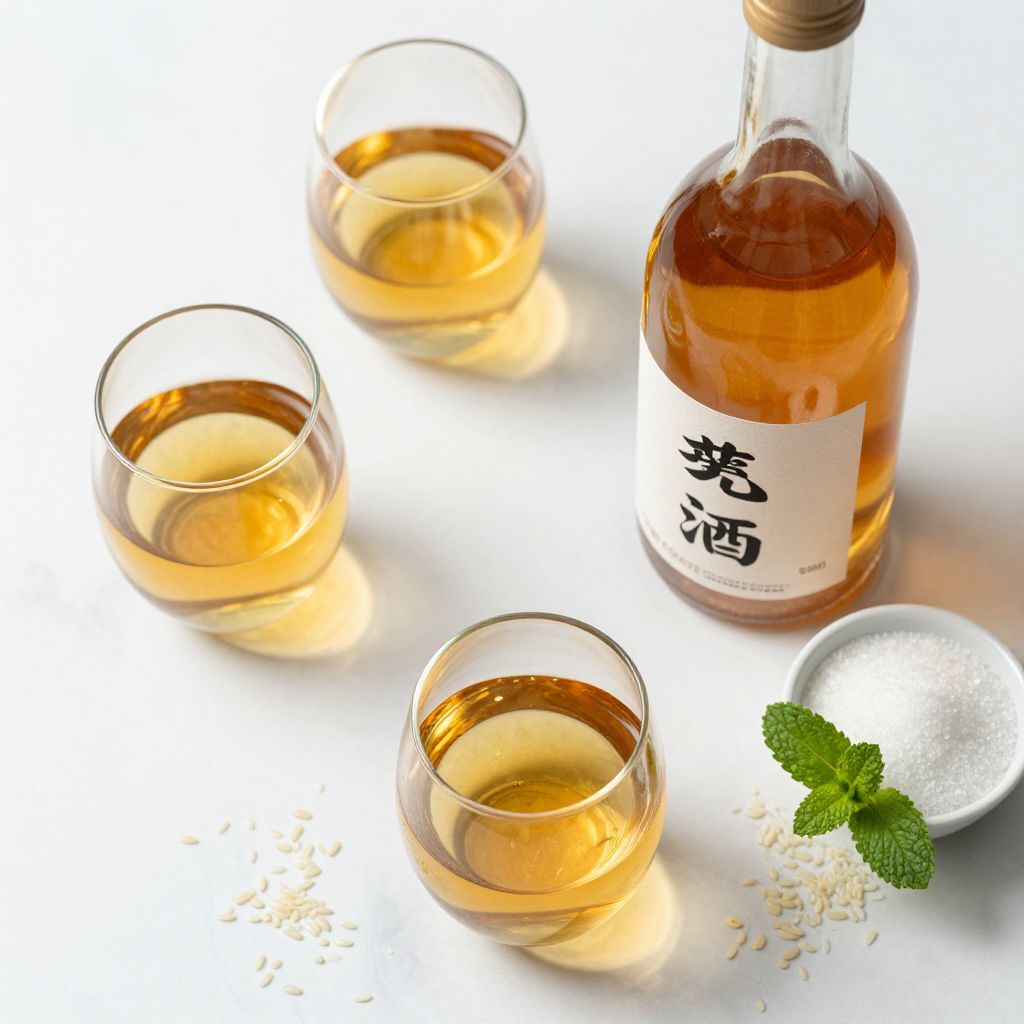
There’s something magical about the delicate sweetness of homemade Sweet Rice Wine. With its rich flavor and enticing aroma, this traditional beverage brings a touch of festivity to any gathering, making it a cherished recipe to master in your kitchen.
This recipe is special because it captures the essence of rice fermentation, resulting in a smooth and aromatic drink that pairs beautifully with a variety of dishes. Its unique flavor profile and versatility make it perfect for celebrations or a cozy night in. Let’s get started!
Why You’ll Love This Recipe
This Sweet Rice Wine recipe is a delightful addition to your culinary repertoire.
- Simple fermentation process with minimal ingredients.
- Unique flavor that enhances both sweet and savory dishes.
- Perfect for special occasions or as a thoughtful homemade gift.
- Customizable to suit your taste preferences.
My Experience Making This Recipe
When I first decided to try making Sweet Rice Wine, I was pleasantly surprised at how straightforward the process was. The moment the rice began to ferment, my kitchen filled with an irresistible aroma that made my mouth water.
After a few days of waiting, the first sip felt like pure magic. It was smooth, sweet, and had just the right amount of complexity. Friends and family couldn’t get enough of it, and I was thrilled to share this delightful creation.
Recipe Overview
- Recipe Name: Sweet Rice Wine
- Servings: 4 cups
- Prep Time: 15 minutes
- Cook Time: 3-5 days (fermentation)
- Total Time: 3-5 days
- Course: Beverage
- Cuisine: Asian
- Calories per Serving: Approximately 150
Equipment You Will Need
- Large pot
- Wooden spoon
- Fermentation container (glass or food-grade plastic)
- Cheesecloth or clean kitchen towel
- Measuring cups
- Strainer
Ingredients for Sweet Rice Wine
- 2 cups sweet rice (also known as glutinous rice)
- 4 cups water
- 1/2 cup sugar
- 1/4 teaspoon yeast (wine yeast or koji)
Ingredient Notes and Substitutions
- Sweet rice: This rice has a higher starch content, giving the wine its signature sweetness. You can substitute with regular short-grain rice, but the flavor will differ.
- Sugar: It enhances the fermentation process, resulting in a sweeter wine. Honey can be used as a substitute, but it will alter the flavor slightly.
- Yeast: Essential for fermentation. If you can’t find wine yeast, koji is a traditional option for making sweet rice wine.
How to Make Sweet Rice Wine
Step 1: Rinse the Rice
Start by rinsing the sweet rice under cold water until the water runs clear. This removes excess starch and prevents the wine from being overly thick.
Step 2: Soak the Rice
Soak the rinsed rice in water for at least 4 hours or overnight. Soaking helps the grains absorb water, which is crucial for proper cooking.
Step 3: Cook the Rice
Drain the soaked rice and steam it in a bamboo or metal steamer for about 30 minutes. Steaming gives the rice a sticky texture, perfect for fermentation.
Step 4: Cool the Rice
Once cooked, transfer the rice to a large bowl and let it cool to room temperature. This is important because adding yeast to hot rice can kill the yeast.
Step 5: Add Sugar and Yeast
Once cooled, sprinkle the sugar and yeast evenly over the rice. Stir gently to combine, ensuring the yeast activates properly.
Step 6: Ferment
Transfer the mixture to a fermentation container. Cover it with cheesecloth or a clean kitchen towel, allowing air to flow while keeping contaminants out.
Step 7: Wait and Watch
Let the mixture ferment at room temperature for 3-5 days. Check daily for bubbles, indicating that fermentation is happening. The longer it ferments, the stronger the flavor.
Step 8: Strain and Store
After fermentation, strain the liquid through a fine mesh strainer into clean bottles. Seal and store in the refrigerator. Your homemade sweet rice wine is now ready to enjoy!
Pro Tip: Make sure your fermentation container is clean to prevent unwanted bacteria from ruining your wine.
Tips for the Best Sweet Rice Wine
- Use fresh ingredients for the best flavor and fermentation.
- Keep the fermentation area warm, around 70-80°F, for optimal results.
- Experiment with different types of sugar for varied sweetness.
- Don’t rush the fermentation process; patience is key for deeper flavors.
- Store in dark glass bottles to preserve flavor and quality.
Common Mistakes to Avoid
- Using hot rice for fermentation. It can kill the yeast and stop the process.
- Skipping the rinsing step. This can lead to overly thick wine.
- Fermenting in a cold environment. It can slow or stop the fermentation process.
- Not checking daily. You need to monitor fermentation to ensure everything is going well.
Serving Suggestions
Sweet rice wine pairs beautifully with a variety of dishes, enhancing flavors and providing a delightful contrast.
- Serve chilled as an aperitif.
- Pair with sushi or sashimi for a refreshing complement.
- Enjoy alongside spicy Asian dishes for balance.
- Use in cocktails for a unique twist.
Variations to Try
- Add fruit like lychee or mango during fermentation for a fruity twist.
- Incorporate herbs like mint or basil for a refreshing flavor profile.
- Experiment with different sugars like brown sugar for a richer taste.
- Use a blend of sweet and regular rice for varied texture and flavor.
Dietary Adaptations
- Gluten-free: Sweet rice is already gluten-free, making this wine suitable for those with gluten sensitivities.
- Dairy-free: This recipe is naturally dairy-free; no adjustments needed.
- Vegan: All ingredients are plant-based, so it fits a vegan diet.
- Low-carb/Keto: This recipe is not low-carb due to the sugar content; consider reducing sugar for a keto-friendly version.
Storage and Reheating
Refrigerator
Store your sweet rice wine in the refrigerator to maintain freshness.
- Keep it sealed in dark glass bottles.
- Consume within 2-3 weeks for the best flavor.
Freezer
Freezing is not recommended as it may alter the texture and flavor.
- Consider making smaller batches if you want to avoid waste.
Reheating
Reheating is unnecessary, as sweet rice wine is best served chilled.
- Simply pour it into glasses and enjoy straight from the fridge.
Nutrition Information
| Nutrient | Amount |
|---|---|
| Calories | 150 |
| Total Fat | 0g |
| Saturated Fat | 0g |
| Carbohydrates | 35g |
| Fiber | 0g |
| Sugar | 30g |
| Protein | 1g |
| Sodium | 5mg |
| Cholesterol | 0mg |
This nutritional information is an estimate and may vary based on specific ingredients used.
Frequently Asked Questions
Can I use regular rice instead of sweet rice?
Regular rice can be used, but it will alter the flavor and sweetness of the wine.
How long can I store the wine?
Sweet rice wine can be stored in the refrigerator for up to 2-3 weeks for the best taste.
Can this wine be made ahead of time?
Yes, you can make it several days ahead of an event, just keep it chilled until serving.
What if my wine is too sweet?
If it’s too sweet for your taste, try reducing the sugar next time or adding a bit more water before fermentation.
Why is my wine cloudy?
A cloudy appearance is normal during fermentation and should clear up once it’s strained.
Final Thoughts
Making your own Sweet Rice Wine is a rewarding experience, bringing a touch of tradition to your home. You’ll impress your friends and family with this delightful homemade beverage.
So, roll up your sleeves and give this recipe a try! You might just find it becomes a staple in your culinary adventures.
For more beautiful beverage ideas, check out my homemade wine recipe or try your hand at strawberry mead for a fruity twist.
Sweet Rice Wine
Ingredients
Equipment
Method
- Rinse the sweet rice under cold water until the water runs clear.
- Soak the rinsed rice in water for at least 4 hours or overnight.
- Drain the soaked rice and steam it in a bamboo or metal steamer for about 30 minutes.
- Transfer the rice to a large bowl and let it cool to room temperature.
- Once cooled, sprinkle the sugar and yeast evenly over the rice. Stir gently to combine.
- Transfer the mixture to a fermentation container. Cover it with cheesecloth or a clean kitchen towel.
- Let the mixture ferment at room temperature for 3-5 days.
- After fermentation, strain the liquid through a fine mesh strainer into clean bottles.
- Seal and store in the refrigerator.