
Picture yourself on a warm afternoon, a chilled glass of ruby-red sangria in hand, the scent of fresh strawberries and citrus floating up from the pitcher. Strawberry sangria is the kind of drink that feels fancy enough for a dinner party but simple enough to throw together on a Tuesday.
This recipe shines because it’s refreshingly light, naturally sweet, and packed with real fruit flavor instead of relying on added sugars or artificial juices. The best part: you can make it hours ahead, letting the flavors meld while you prep everything else.
Why You’ll Love This Recipe
Strawberry sangria checks all the boxes for a crowd-pleasing, make-ahead beverage that tastes like you spent hours in the kitchen when you honestly didn’t. Here’s what makes it special:
- Ready in 15 minutes of active prep, then improves as it sits
- Naturally sweetened by fresh fruit, not overly boozy or cloying
- Scales up easily for parties or scales down for weeknight relaxation
- Looks stunning in a pitcher, impressing guests without fuss
- Works year-round, though peak strawberry season makes it shine brightest
My Experience Making This Recipe
The first time I made strawberry sangria was for a July gathering, and I was honestly skeptical that something so simple could taste this good. I threw together the ingredients about four hours before guests arrived, expecting it to be decent but forgettable.
When I poured the first glass, the aroma hit me first: bright strawberry mingling with orange and just a hint of wine. The flavor was balanced in a way that surprised me, with the fruit doing most of the heavy lifting while the wine provided structure and sophistication.
What really stuck with me was how people kept refilling their glasses throughout the evening, and several asked for the recipe because they assumed it contained more alcohol or added sugar than it actually did. Now I make it at least twice a month during warm months, and I’ve learned exactly how to adjust it based on the strawberries I find at the market.
Recipe Overview
- Recipe Name: Strawberry Sangria
- Servings: 6 to 8 servings
- Prep Time: 15 minutes
- Cook Time: 0 minutes
- Total Time: 15 minutes plus 4 hours chilling
- Course: Beverage
- Cuisine: Spanish-inspired
- Calories per Serving: 145
Equipment You Will Need
- Large pitcher or beverage dispenser (at least 2-quart capacity)
- Sharp knife for cutting fruit
- Cutting board
- Wooden spoon for stirring
- Jigger or measuring cups for liquids
- Wine glasses or serving glasses
- Fine mesh strainer (optional, for a cleaner pour)
Ingredients for Strawberry Sangria
- 1 bottle (750 milliliters) dry white wine or light red wine
- 1 pound fresh strawberries, hulled and halved
- 2 medium oranges, sliced into thin wheels
- 1 lemon, sliced into thin wheels
- 1/4 cup fresh orange juice (about 1 orange, squeezed)
- 2 tablespoons honey or 3 tablespoons sugar
- 1/4 cup brandy or cognac (optional but recommended)
- 1/2 cup sparkling water or club soda, added just before serving
- Ice cubes for serving
- Fresh mint leaves for garnish (optional)
Ingredient Notes and Substitutions
- Strawberries: They’re the star, providing natural sweetness and vibrant color. If you can’t find fresh ones, frozen strawberries work, though thaw them first and drain excess liquid to avoid watering down your sangria.
- White wine: A crisp, unoaked white like Pinot Grigio or Sauvignon Blanc works best. Light reds like Beaujolais add deeper color if you prefer a more traditional look; avoid heavy reds as they overpower the strawberry.
- Orange juice: Fresh squeezed makes a real difference in flavor brightness. Bottled works in a pinch, but skip the “from concentrate” versions as they taste flat and overly sweet.
- Honey vs. sugar: Honey dissolves slowly in cold liquid, so stir it in early; sugar dissolves faster but honey adds subtle floral notes. Use whichever you prefer based on taste.
- Brandy: It adds depth and complexity without making the drink boozy-tasting. Omit it for a lighter, more refreshing version, or swap in rum for a tropical twist.
How to Make Strawberry Sangria
Step 1: Prepare Your Fruit
Wash all your strawberries, oranges, and lemon thoroughly under cool running water and pat dry with paper towels. Removing any dirt or debris prevents cloudiness in your finished sangria and ensures the fruit stays fresh longer.
Step 2: Hull and Halve the Strawberries
Remove the green leafy tops from each strawberry using a small knife or a hulling tool, then cut each berry in half lengthwise. Halving them exposes more surface area to the wine, which lets the fruit flavor infuse faster and more completely.
Step 3: Slice the Citrus
Using a sharp knife, slice your oranges and lemon into thin wheels, about 1/4 inch thick, keeping the peel on for visual appeal. Thin slices release their oils and juice more readily than wedges, and they look beautiful floating in the pitcher.
Step 4: Combine Wine and Sweetener
Pour the entire bottle of wine into your pitcher, then add the honey or sugar and fresh orange juice. Stir well for about 30 seconds to ensure the sweetener dissolves completely; cold liquid makes this harder, so stir with intention.
Step 5: Add the Brandy
If you’re using brandy, pour it in now and stir to combine, about 10 seconds. The brandy blends seamlessly at this point rather than trying to incorporate it later when fruit is already in the pitcher.
Step 6: Layer in the Fruit
Add your prepared strawberry halves, orange wheels, and lemon wheels to the pitcher, stirring gently to distribute them evenly. The fruit will sink partially and float partially, which is exactly what you want for balanced flavor and appearance.
Step 7: Chill the Sangria
Cover the pitcher and place it in the refrigerator for at least 4 hours, ideally up to 8 hours. The longer it sits, the more the flavors meld and develop, creating a more cohesive, refined drink.
Step 8: Add Sparkle Before Serving
Just before serving, pour in the sparkling water or club soda and stir gently to incorporate. The carbonation goes flat if you add it too early, so this last step keeps your sangria refreshingly bubbly.
Pro Tip: Chill your serving glasses in the freezer for at least 15 minutes before pouring, or fill them with ice cubes first; cold glasses make sangria taste even more refreshing on warm days.
Tips for the Best Strawberry Sangria
- Choose firm, ripe strawberries with no soft spots or mold, as these will break down and cloud your sangria. If your berries smell strongly of strawberry, they’ll taste even better in the finished drink.
- Don’t skip the fresh orange juice; it brightens the whole drink and prevents the wine from tasting flat or one-dimensional. Bottled works if you’re truly short on time, but fresh is worth the 30 seconds of squeezing.
- Taste your sangria after 4 hours and adjust sweetness if needed by adding a touch more honey stirred in well. Everyone’s palate is different, and some wines are drier than others, so trust your own taste buds.
- Keep a separate bottle of chilled sparkling water or wine nearby when serving so guests can top up their glasses without diluting the fruit-infused drink. This also stretches your batch further if you’re serving a crowd.
- Float fresh strawberry slices or herb sprigs like mint in individual glasses rather than leaving them in the pitcher, which keeps the presentation fresh and allows guests to customize their garnish. It’s a small touch that feels thoughtful.
Common Mistakes to Avoid
- Buying strawberries too early and letting them sit in the fridge, where they lose flavor and firmness. Aim to make this sangria within 24 hours of purchasing your fruit for the brightest taste.
- Using bottled or “from concentrate” juices exclusively, which makes the drink taste muddy and overly sweet instead of bright and balanced. Fresh juice makes a noticeable difference in a drink with so few ingredients.
- Adding the sparkling water immediately after mixing, which causes it to go flat long before you’re ready to serve. Wait to add carbonation until the final moment before pouring glasses.
- Skipping the chilling time to serve sangria immediately, which results in a warm, watery drink that doesn’t showcase the flavors well. Cold temperatures mute sharpness and make sweetness more pleasant.
- Oversweetening the sangria, which masks the wine and fruit flavors and makes it taste more like punch than a sophisticated beverage. Start with less sweetener and adjust up if needed.
Serving Suggestions
Strawberry sangria pairs beautifully with warm-weather gatherings, picnics, and relaxed meals where you want something refreshing that doesn’t demand much attention. Serve it well-chilled in glasses filled with fresh ice, and don’t shy away from letting some of the macerated fruit tumble into each glass.
- Alongside Spanish appetizers like jamón iberico, manchego cheese, and marinated olives for an authentic flavor pairing
- With grilled fish tacos or ceviche, where the fruit and acidity complement lighter, seafood-forward dishes
- At brunch alongside quiches, fruit salads, and pastries for a sophisticated morning beverage
- With a simple salad of mixed greens, goat cheese, and candied nuts, where the sangria’s sweetness balances peppery arugula
- On its own as an aperitif before dinner, served with light cheeses and crackers
Variations to Try
- Peach Sangria: Swap out strawberries for fresh peaches sliced into wedges, keeping all other ingredients the same. Peaches add a more floral, summery quality that works especially well with white wine and a touch of vanilla extract.
- Berry Blend Sangria: Combine strawberries with raspberries and blackberries in equal parts for a deeper color and more complex berry flavor. The mix creates a more rounded, sophisticated taste than strawberries alone.
- Red Wine Version: Use a light-bodied red wine like Pinot Noir instead of white, and add a tablespoon of red currant jelly for subtle spice notes. Red wine sangria feels more autumnal and pairs beautifully with grilled meats.
- Minty Refresh: Add 6 to 8 fresh mint leaves gently bruised in your hands just before the final chilling step. Mint adds a cooling herbaceousness that makes the drink feel even more refreshing on hot days.
- Sparkling Wine Version: Replace half the still wine with chilled sparkling wine or Prosecco for a lighter, more festive drink. Add the sparkling wine just 30 minutes before serving to preserve as much carbonation as possible.
Dietary Adaptations
- Gluten-free: This sangria is naturally gluten-free as long as you use gluten-free wine and brandy. Most major wine and spirit producers make gluten-free products, though always check the label to be certain.
- Dairy-free: Strawberry sangria contains no dairy ingredients, making it safe for anyone avoiding milk or lactose. It’s an excellent choice for mixed gatherings where dietary needs vary.
- Vegan: This recipe is already vegan-friendly since it contains no animal products. Just double-check that your wine and brandy aren’t processed using animal-derived fining agents; most craft and natural wine producers use vegan methods.
- Low-carb or keto: Replace honey or sugar with a monk fruit sweetener or stevia, using about half the amount since these sweeteners are much more concentrated. The carb content will drop significantly, making this suitable for stricter carb-counting diets.
Storage and Reheating
Refrigerator
Strawberry sangria keeps beautifully in the refrigerator for up to 3 days, though the fruit will gradually soften and the flavors will mellow slightly. Cover the pitcher tightly with plastic wrap or a lid to prevent the drink from absorbing odors from other foods.
- Store in a glass pitcher or container, as plastic can absorb and retain flavors
- Keep the fruit in the sangria rather than straining it out, as it continues to infuse flavor
- Add fresh sparkling water each time you serve to maintain that bright, bubbly quality
Freezer
Freezing sangria is possible but not recommended, as ice crystals damage the fruit’s texture and the drink separates when thawed. If you must freeze, remove the fruit first and freeze only the liquid in ice cube trays, then use the cubes for future sangria batches.
- Strain out all fruit before freezing to avoid mushy texture when thawed
- Frozen sangria cubes work well for chilling future batches without diluting with regular ice
Reheating
Never reheat sangria, as this destroys the fresh flavors and makes the drink taste flat and overly sweet. Sangria is always served ice-cold, so focus on keeping it chilled rather than warming it.
- Always serve immediately after adding sparkling water for maximum fizz
- Refill glasses regularly rather than letting them sit, which allows carbonation to escape
Nutrition Information
| Nutrient | Amount |
|---|---|
| Calories | 145 |
| Total Fat | 0 grams |
| Saturated Fat | 0 grams |
| Carbohydrates | 18 grams |
| Fiber | 1 gram |
| Sugar | 15 grams |
| Protein | 0.5 grams |
| Sodium | 25 milligrams |
| Cholesterol | 0 milligrams |
These values are estimates based on a standard serving of 8 ounces and assume the use of dry white wine and honey. Your actual nutrition will vary depending on the specific wine brand, the amount of added sweetener, and whether you include brandy or sparkling water.
Frequently Asked Questions
Can I make strawberry sangria the night before?
Absolutely, and this is one of the best things about this recipe. Make it up to 24 hours ahead and refrigerate; the flavors actually deepen overnight.
What if my strawberries are very sweet or very tart?
Taste your sangria after 4 hours and adjust the honey or sugar accordingly. Start with less sweetener than the recipe calls for, then add more if needed, since you can always make it sweeter but can’t undo overdoing it.
Can I use frozen strawberries?
Yes, though thaw them completely first and drain off excess liquid so they don’t water down your sangria. Frozen berries work in a pinch, but fresh berries provide better texture and brighter flavor.
How much alcohol is in this drink?
A single serving contains roughly 12 to 15 percent alcohol by volume from the wine, with a bit more if you include brandy. The fruit and sugar make it taste less boozy than it actually is, so pace yourself and stay hydrated.
Can I make a non-alcoholic version?
Yes, replace the wine with sparkling grape juice or apple juice and skip the brandy, then increase the fresh orange juice to 1/2 cup. The result won’t be identical, but it captures the spirit of the drink in a family-friendly way.
What’s the best type of wine for this sangria?
A dry, crisp white wine like Pinot Grigio, Sauvignon Blanc, or a Spanish Albarino works beautifully because it doesn’t compete with the strawberry flavor. Avoid sweet wines or heavily oaked varieties, which muddy the fresh, fruity profile.
Final Thoughts
Making strawberry sangria feels like a small indulgence, and it truly is one of the easiest ways to impress people at a gathering. The whole process takes just 15 minutes of active time, and the rest is simply the drink getting better as you wait.
Next time you see gorgeous strawberries at the market, grab a bottle of wine and give this a try. You’ll find yourself making it again and again, tweaking it slightly based on the fruit you find and the season you’re in, and that’s exactly how a recipe becomes a favorite.
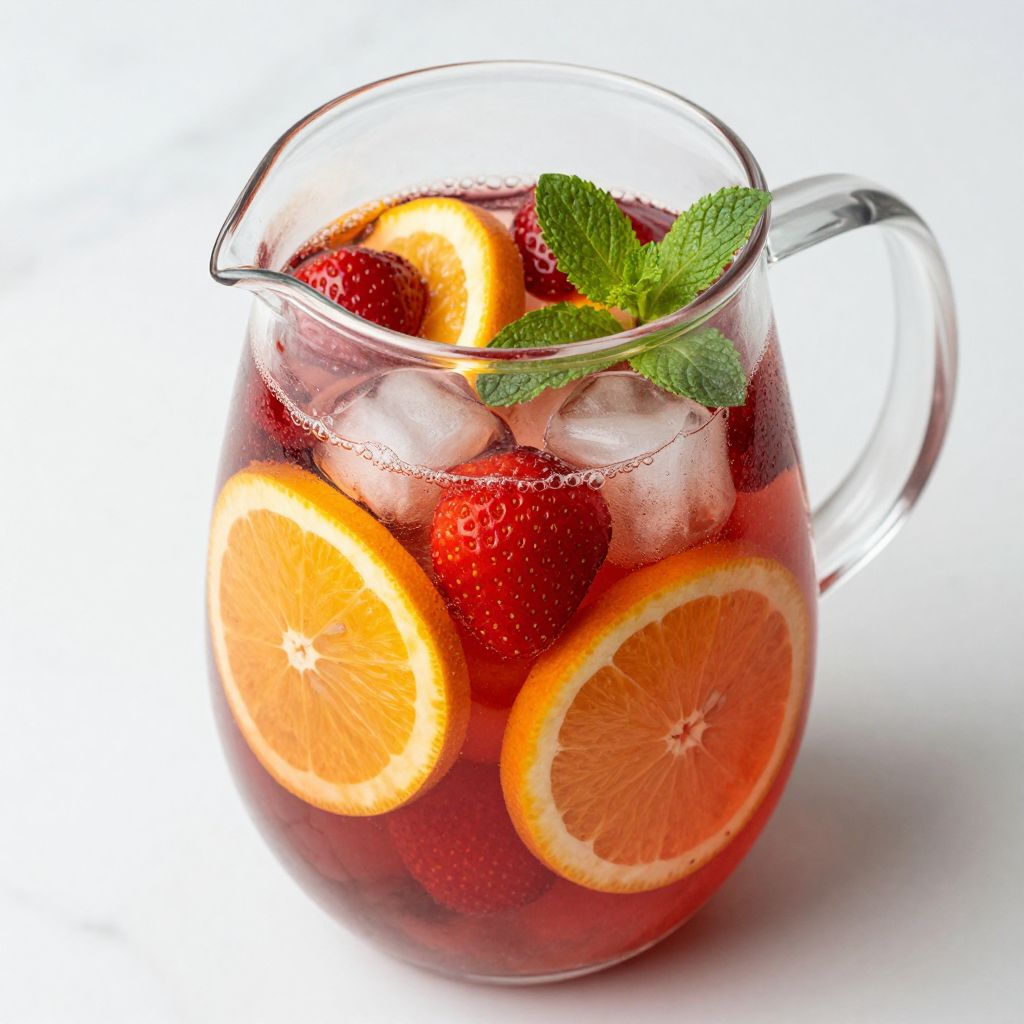
Strawberry Sangria
Ingredients
Equipment
Method
- Wash all strawberries, oranges, and lemon thoroughly under cool running water and pat dry with paper towels.
- Remove the green leafy tops from each strawberry using a small knife or hulling tool, then cut each berry in half lengthwise.
- Using a sharp knife, slice oranges and lemon into thin wheels, about 1/4 inch thick, keeping the peel on.
- Pour the entire bottle of wine into your pitcher, then add the honey or sugar and fresh orange juice. Stir well for about 30 seconds to ensure the sweetener dissolves completely.
- If using brandy, pour it in and stir to combine, about 10 seconds.
- Add prepared strawberry halves, orange wheels, and lemon wheels to the pitcher, stirring gently to distribute them evenly.
- Cover the pitcher and place it in the refrigerator for at least 4 hours, ideally up to 8 hours.
- Just before serving, pour in the sparkling water or club soda and stir gently to incorporate.
- Serve in chilled glasses filled with ice, allowing some macerated fruit to tumble into each glass. Garnish with fresh mint leaves if desired.