
Picture this: the smooth, rich aroma of freshly distilled Scotch whiskey wafting through your kitchen, drawing you in like a warm hug on a chilly evening. The art of Scotch whiskey distilling is not just a craft; it’s a tradition steeped in history that transforms simple grains into a beloved spirit.
This recipe is special because it allows you to experience the entire process, from fermentation to distillation, crafting a spirit that’s truly your own. With its deep flavors and unique character, making your own Scotch can be incredibly rewarding and a fantastic conversation starter.
Let’s dive into the ingredients and steps you’ll need to get started on this flavorful adventure!
Why You’ll Love This Recipe
Crafting your own Scotch whiskey is an incredibly fulfilling experience that connects you to centuries of tradition.
- Enjoy a unique flavor profile tailored to your taste.
- Impress friends with your homemade spirit.
- Engage in a fun and educational distilling process.
- Control the ingredients for a more natural product.
- Feel proud of creating something from scratch.
My Experience Making This Recipe
The first time I distilled whiskey, I was both excited and nervous. There’s something magical about watching clear liquid transform into a golden spirit, and each step felt like entering a new world.
Once my friends tasted my homemade Scotch, their reactions were priceless. They marveled at the depth of flavor, and it sparked countless conversations about our favorite whiskeys and distilling techniques.
Recipe Overview
- Recipe Name: Scotch Whiskey Recipe Distilling
- Servings: Varies
- Prep Time: 1 hour (excluding fermentation time)
- Cook Time: 8 hours (distillation)
- Total Time: 2 weeks (includes fermentation)
- Course: Beverage
- Cuisine: Scottish
- Calories per Serving: Varies
Equipment You Will Need
- Large fermentation vessel
- Airlock and stopper
- Heat source (stovetop or burner)
- Pot still or reflux still
- Hydrometer
- Glass bottles for storage
- Siphoning tube
Ingredients for Scotch Whiskey Recipe Distilling
- Water – About 5 gallons; used for mashing and dilution.
- Barley – 10 pounds; the primary fermentable ingredient.
- Yeast – 1 packet (distiller’s yeast); for fermentation.
- Enzymes – Optional; helps convert starches to sugars.
- Peat – Optional; for distinct smoky flavor during mashing.
Ingredient Notes and Substitutions
- Water: Essential for mashing and dilution; distilled water is best. You can use filtered water if distilled is unavailable.
- Barley: Provides sugars for fermentation; malted barley is preferred. You can substitute with corn or rye for different flavors.
- Yeast: Vital for fermentation; use distiller’s yeast for best results. Baker’s yeast can work, but the flavor may differ.
- Enzymes: Help in sugar conversion; optional but recommended. You can skip them if using malted barley.
- Peat: Adds smokiness to your whiskey; use if you like that flavor. You can omit it for a lighter spirit.
How to Make Scotch Whiskey Recipe Distilling
Step 1: Prepare Your Ingredients
Gather all your ingredients and equipment, ensuring they are clean and sanitized. This step is crucial to prevent unwanted bacteria from ruining your whiskey.
Step 2: Mash the Barley
Heat your water to around 160°F and add the crushed barley. This process activates enzymes that convert starches to sugars, essential for fermentation.
Step 3: Cool the Mash
After an hour, cool the mash to around 75°F. Cooling is necessary to create a safe environment for the yeast to thrive.
Step 4: Add Yeast
Sprinkle the yeast over the cooled mash and stir gently. This starts the fermentation process, where sugars are turned into alcohol.
Step 5: Ferment the Mixture
Seal the fermentation vessel with an airlock and let it sit for 5-10 days. Monitor the bubbling; when it slows down, fermentation is nearing completion.
Step 6: Distill the Liquid
Transfer the fermented mash to your still and heat it slowly. This process separates alcohol from the mash, creating a clear distillate.
Step 7: Collect the Distillate
As the liquid distills, collect it in glass bottles. Be mindful to separate the heads (first parts with undesirable flavors) from the hearts and tails (later parts).
Step 8: Age the Whiskey
Store your collected whiskey in oak barrels or bottles with oak chips for aging. This step adds complexity and depth to the flavor over time.
Pro Tip: Always taste your distillate during collection; it helps identify the right cuts for the best flavor.
Tips for the Best Scotch Whiskey
- Use high-quality ingredients for better flavor.
- Monitor fermentation temperature closely for optimal yeast activity.
- Be patient with aging; good whiskey takes time to develop.
- Experiment with different grains to discover unique flavors.
- Keep your equipment clean to avoid contamination.
Common Mistakes to Avoid
- Skipping sanitation can lead to bad flavors; always clean your equipment.
- Fermenting at too high a temperature may kill the yeast; stick to recommended ranges.
- Rushing the distillation process can create harsh flavors; take your time.
- Not tasting the distillate can lead to poor cuts; trust your palate.
- Neglecting aging can result in a flat spirit; let it mature for complexity.
Serving Suggestions
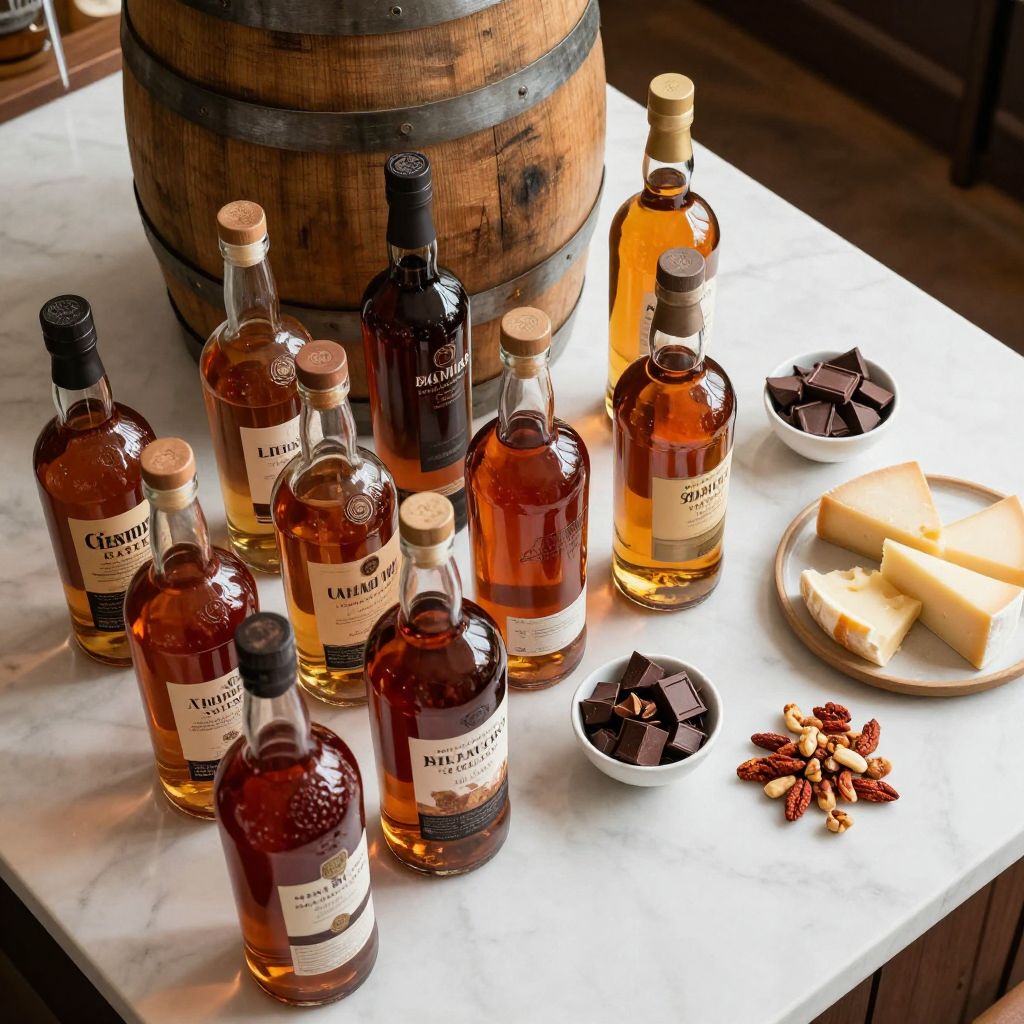
Enjoy your homemade Scotch neat or on the rocks for the full flavor experience. Pair it with a few tasty options for a delightful evening.
- Dark chocolate for a rich contrast.
- Cheese platter to complement the flavors.
- Smoked meats for a savory pairing.
- Spicy nuts for a crunchy snack.
- Classic cocktails like the Old Fashioned.
Variations to Try
- Use corn instead of barley for a sweeter flavor.
- Add spices like cinnamon for a unique twist.
- Try different woods for aging to influence the taste.
- Incorporate fruit during fermentation for a fruity character.
- Experiment with varying peat levels for different smokiness.
Dietary Adaptations
- Gluten-free: Substitute barley with corn or sorghum.
- Dairy-free: This recipe is dairy-free as is.
- Vegan: The recipe is inherently vegan-friendly.
- Low-carb/keto: Use grains with fewer carbs like rye or corn.
Storage and Reheating
Refrigerator
Store your whiskey in a cool, dark place. This preserves its flavor and quality.
- Seal the bottles tightly to prevent evaporation.
- Avoid direct sunlight to maintain flavor integrity.
Freezer
Whiskey can be stored in the freezer without affecting its flavor. Just ensure the bottle is sealed.
- Chilling enhances the smoothness when serving.
- Freezing does not dilute the whiskey’s flavor.
Reheating
Whiskey is not typically reheated, but if desired, warm it gently in a water bath. Avoid direct heat to preserve its character.
- Never microwave whiskey; it alters the flavor.
- Warm gently to enhance aromas and flavors.
Nutrition Information
| Nutrient | Amount |
|---|---|
| Calories | 70 |
| Total Fat | 0g |
| Saturated Fat | 0g |
| Carbohydrates | 0g |
| Fiber | 0g |
| Sugar | 0g |
| Protein | 0g |
| Sodium | 0mg |
| Cholesterol | 0mg |
This nutritional information is an estimate and can vary based on the exact ingredients and amounts used.
Frequently Asked Questions
Can I use different grains for distilling?
Yes, you can use grains like corn or rye for distinct flavors, but they will change the character of the whiskey.
How long does the fermentation take?
Fermentation usually takes about 5-10 days, but it can vary based on temperature and yeast activity.
Can I make this whiskey ahead of time?
Absolutely! You can distill and age your whiskey weeks or even months in advance.
What if my whiskey tastes too harsh?
Harshness can be due to improper cuts during distillation; ensure you separate heads and tails correctly.
Can I add flavorings during aging?
Yes, you can infuse your whiskey with spices or fruits during aging for unique flavors.
Final Thoughts
Crafting your own Scotch whiskey is a rewarding process that not only teaches you about distillation but also rewards you with a drink that carries your personal touch. So grab your ingredients and equipment, and let the adventure begin!
If you’re interested in exploring more delightful recipes, check out the Whiskey Sour Recipe or the Bourbon Sour Recipe. Happy distilling!
Scotch Whiskey Recipe Distilling
Ingredients
Equipment
Method
- Gather all your ingredients and equipment, ensuring they are clean and sanitized.
- Heat your water to around 160°F and add the crushed barley.
- After an hour, cool the mash to around 75°F.
- Sprinkle the yeast over the cooled mash and stir gently.
- Seal the fermentation vessel with an airlock and let it sit for 5-10 days.
- Transfer the fermented mash to your still and heat it slowly.
- As the liquid distills, collect it in glass bottles, separating heads, hearts, and tails.
- Store your collected whiskey in oak barrels or bottles with oak chips for aging.