
Picture yourself on a lazy summer afternoon, cracking open a jar of homemade peach moonshine and catching that unmistakable aroma of sun-ripened peaches mixed with pure grain alcohol. The peach moonshine mash recipe is a time-honored tradition in home distilling circles, transforming fresh fruit into a smooth, potent spirit that tastes like captured sunshine. This recipe brings together simple pantry staples and ripe peaches to create moonshine that’s simultaneously bold and approachable, making it perfect for those curious about home fermentation.
What sets this recipe apart is how forgiving it is for beginners while still producing genuine results that rival store-bought liqueurs. The mash ferments in just a few weeks, and the flavor profile shifts from tart to syrupy-sweet as the process unfolds. Whether you’re interested in home distilling as a hobby or simply want to impress friends with homemade spirits, this recipe delivers both ease and impressive flavor.
Why You’ll Love This Recipe
This peach moonshine mash checks every box for home fermentation enthusiasts and adventurous home cooks. You’ll appreciate how straightforward the process is and how quickly you see results.
- Fast fermentation takes just three to four weeks from start to finish
- Requires minimal equipment and everyday kitchen items you already own
- The peach flavor shines through without any harsh or chemical aftertaste
- Creates enough yield to share with friends or save for special occasions
- Perfectly customizable with different fruit variations once you master the base recipe
My Experience Making This Recipe
I first attempted this recipe on a whim after finding a crate of surplus peaches at the farmers market. The entire process felt less like chemistry and more like making juice, which honestly surprised me given all the intimidation surrounding home distilling.
The aroma that filled my kitchen during fermentation was incredible, shifting from fruity-fresh to rich and complex over those three weeks. When I finally strained and tasted the finished moonshine, the silky texture and natural peach sweetness made all the waiting worthwhile.
My friends were genuinely shocked when I told them it was homemade, and several asked for the recipe immediately. That first batch gave me confidence to experiment with variations, and I’ve since made versions with different fruit combinations that have become signature offerings at gatherings.
Recipe Overview
- Recipe Name: Peach Moonshine Mash
- Servings: Approximately 40 ounces (about 27 shots)
- Prep Time: 30 minutes
- Fermentation Time: 21 to 28 days
- Total Time: Approximately 4 weeks
- Course: Spirits and Liqueurs
- Cuisine: American (Appalachian)
- Alcohol Content: Approximately 80 proof or higher
Equipment You Will Need
- One gallon glass jar or fermentation vessel
- Cheesecloth or fine mesh strainer
- Wooden spoon for stirring
- Funnel for transferring liquid
- Glass bottles for storage
- Airlock or breathable cover (coffee filter works in a pinch)
- Kitchen scale for accurate measurements
- Knife and cutting board for preparing peaches
Ingredients for Peach Moonshine Mash
- Fresh peaches: 10 pounds, ripe but firm
- Granulated sugar: 8 pounds
- Water: 1 gallon, filtered or distilled
- Yeast: 2 packets of high-alcohol tolerant distiller’s yeast (such as turbo yeast)
- Honey: 2 cups (optional but recommended for smoothness)
- Lemon juice: 1/4 cup, freshly squeezed
- Peach schnapps or brandy: 1/2 cup (optional, for added complexity)
Ingredient Notes and Substitutions
- Fresh peaches: Ripe peaches provide natural sugars and authentic flavor. If fresh peaches are unavailable, frozen peaches work fine (thaw them completely first), though the flavor will be slightly less vibrant.
- Granulated sugar: Standard white sugar feeds the yeast and creates alcohol. Brown sugar can replace up to half the amount for a more complex, molasses-forward flavor, though this will change the final profile noticeably.
- Distiller’s yeast: High-alcohol tolerant yeast is essential for achieving higher proof spirits. Standard baking yeast will ferment but produces inferior results and dies at lower alcohol levels.
- Honey: Honey smooths the final product and adds subtle floral notes. Corn syrup or additional sugar works as a direct substitute, though you lose the smoothing effect.
- Lemon juice: Acid balances sweetness and prevents spoilage during fermentation. White vinegar provides similar functionality but imparts a sharper note.
How to Make Peach Moonshine Mash
Step 1: Prepare Your Peaches
Wash your peaches thoroughly under cool running water to remove any dirt or debris. Cut each peach in half, remove the pit, and cut the flesh into chunks (no need to peel them, as the skin adds color and tannins to the final product).
Step 2: Create Your Sugar Solution
Pour your gallon of filtered water into your fermentation vessel and add the sugar slowly while stirring constantly. Stirring prevents clumping and helps the sugar dissolve evenly, which ensures consistent fermentation throughout the batch.
Step 3: Add the Peaches
Once the sugar is fully dissolved, add all your peach chunks to the sugar solution. Stir well to distribute the fruit evenly, which helps extract maximum flavor and nutrients from the peaches during the fermentation process.
Step 4: Add Honey and Lemon Juice
Pour in your honey and lemon juice, stirring thoroughly to combine everything. The honey adds smoothness and body to the final spirit, while the lemon juice provides acidity that protects against unwanted bacteria and balances the sweetness of the peaches.
Step 5: Activate Your Yeast
Sprinkle both packets of distiller’s yeast over the surface of your mash without stirring immediately. Wait five minutes to allow the yeast to hydrate, then stir gently to distribute it throughout the mixture.
Step 6: Add Optional Spirits
If you’re using peach schnapps or brandy, add it now and stir well. This optional ingredient adds complexity and can boost the final alcohol content, though your moonshine will ferment perfectly fine without it.
Step 7: Cover and Begin Fermentation
Place your airlock on top of the vessel or cover it loosely with a breathable cloth like cheesecloth or a coffee filter. The covering prevents contamination while allowing gases produced during fermentation to escape, which is crucial for proper yeast activity.
Step 8: Monitor Fermentation Progress
Place your jar in a dark, cool location (ideally between 65 and 75 degrees Fahrenheit) and let it sit undisturbed for the first week. After the first week, give it a gentle stir every few days to ensure even fermentation and to check the progress visually.
Step 9: Wait for Fermentation to Complete
Total fermentation takes between 21 and 28 days, depending on temperature and yeast activity. You’ll know fermentation is complete when the liquid appears clear rather than cloudy, bubbling has stopped, and the sweet smell has shifted to a more neutral, mature alcohol aroma.
Step 10: Strain Your Moonshine
Line your strainer with cheesecloth and slowly pour the liquid through it into another clean vessel, leaving the fruit solids behind. This step requires patience; let gravity do the work rather than forcing it, which can introduce cloudiness into your final product.
Step 11: Filter Again for Clarity
For extra clarity and smoothness, pour the strained liquid through a coffee filter into your storage bottles. This second filtration removes any remaining particles and creates the crystal-clear appearance of professional moonshine.
Step 12: Bottle and Age
Fill dark glass bottles with your finished moonshine and cap them tightly. While moonshine can be consumed immediately, allowing it to age in the bottle for two to four weeks further smooths the flavor and mellows any remaining harshness.
Pro Tip: Temperature control is your secret weapon for successful fermentation; keep your mash between 65 and 75 degrees Fahrenheit for predictable, clean fermentation that avoids off-flavors from temperature stress.
Tips for the Best Peach Moonshine Mash
- Use the ripest peaches you can find, as they contain more natural sugars and more intense flavor. Farmers markets typically offer better ripeness and variety than grocery stores.
- Invest in a reliable thermometer to monitor fermentation temperature; temperature swings cause stuck fermentations or off-flavors that ruin batches.
- Keep your fermentation vessel in the same location throughout the process rather than moving it around. Movement can disrupt yeast activity and create inconsistent results.
- Resist the urge to taste or check on your moonshine constantly during fermentation. Unnecessary opening exposes it to air and can introduce infection.
- Label your bottles with the batch date and ingredients so you can track what you’ve made and replicate successful variations.
- Save a small sample of your mash before straining to test the clarity and flavor development; this helps you understand how fermentation progresses in your specific setup.
Common Mistakes to Avoid
- Using underripe or overripe peaches leads to weak flavor or unpleasant fermentation characteristics. Select firm, fragrant peaches that yield slightly to pressure but aren’t mushy.
- Skipping the lemon juice invites bacterial contamination and produces a final product that tastes flat and lifeless. The acid is not optional despite seeming like a minor ingredient.
- Failing to maintain consistent temperature causes fermentation to stall or restart unpredictably, resulting in batches that take twice as long or develop off-flavors. A stable environment trumps perfect temperature.
- Overfilling your vessel leaves no room for expansion during vigorous fermentation, causing overflow and wasted moonshine. Fill only to three-quarters capacity maximum.
- Drinking the moonshine before it’s fully fermented creates a harsh, unpleasant spirit with an unfinished taste. Patience for the full fermentation window produces dramatically better results.
Serving Suggestions
Your homemade peach moonshine shines in multiple applications, from sipping neat to mixing into summer cocktails. The natural peach flavor pairs beautifully with both warm and cold preparations depending on the season.
- Serve chilled as a shot with a peach nectar chaser for a refreshing warm-weather experience
- Mix with fresh lemonade and sparkling water for a lower-proof, fruit-forward punch perfect for gatherings
- Combine with ginger ale and muddled fresh mint for a complex, aromatic highball
- Layer over vanilla ice cream as a dessert spirit that creates an instant peach melba moment
- Use as a base for peach daiquiris by mixing with lime juice, simple syrup, and fresh ice
Variations to Try
- Spiced Peach Moonshine: Add cinnamon sticks, whole cloves, and star anise during fermentation for warming spice notes that complement the peach beautifully. Strain out the spices after two weeks to prevent over-extraction.
- Peachy Keen Berry Blend: Replace half the peaches with fresh raspberries or blackberries to create a more complex fruit profile. The berries add tartness that balances the peach sweetness.
- Bourbon Barrel Effect: Age your finished moonshine in a glass container with charred oak chips for two weeks to mimic barrel aging and add vanilla and wood notes. This technique creates deeper complexity without actual barrel aging.
- Peach and Ginger Fusion: Add fresh ginger slices during fermentation (about 2 ounces) for a spicy kick that cuts through the sweetness. Remove the ginger after the first week to prevent it from overpowering the peach.
- Honey-Forward Version: Increase honey to 3 cups and reduce sugar to 7 pounds for a sweeter, more luxurious final product that tastes closer to peach liqueur. This variation ages even better and develops incredible complexity over months.
Dietary Adaptations
- Lower Sugar: Reduce sugar to 6 pounds and use only honey for sweetening (approximately 3 cups). This creates a less sweet final product, though it also produces lower alcohol content and a lighter body.
- Gluten-Free: This recipe is naturally gluten-free as written, but confirm your yeast packaging specifically states gluten-free certification. Most distiller’s yeasts are gluten-free, but cross-contamination during processing varies by manufacturer.
- Organic Option: Source organic peaches, organic sugar, and organic honey to create an entirely organic moonshine. The flavor difference is subtle but noticeable, with organic fruit often providing more intense, authentic peach notes.
- Low-Calorie Version: Replace some sugar with sugar alcohol like erythritol or xylitol for reduced calorie content. Use about 50 percent sugar alcohol and 50 percent granulated sugar, as using only sugar alcohol can affect fermentation unpredictably.
Storage and Reheating
Refrigerator
Store your bottled moonshine in the refrigerator at 40 degrees Fahrenheit for up to one year. Cold storage slows any remaining microbial activity and keeps the flavor fresh and bright.
- Use dark glass bottles to protect from light degradation
- Cap bottles tightly to prevent evaporation and oxidation
- Keep away from strong-smelling foods that might impart flavor through the glass
Freezer
Moonshine’s high alcohol content prevents it from freezing solid at standard freezer temperatures, but freezer storage works beautifully for long-term preservation. Frozen moonshine keeps for up to five years with minimal flavor degradation.
- Use plastic or thick glass bottles as rapid temperature changes can crack thin glass
- Leave a little headspace to account for any minimal expansion
- Thaw at room temperature before serving rather than warming rapidly
Reheating
Moonshine is consumed cold or at room temperature and never requires reheating. If you plan to use it in hot cocktails or mulled preparations, add it after the liquid cools slightly to preserve the spirit’s volatile flavor compounds.
- For warm toddies or hot cocktails, add moonshine to the prepared drink just before serving
- Never boil or rapidly heat moonshine, which burns off the delicate fruit flavors
- Room-temperature serving highlights the natural flavors better than serving ice-cold
Nutrition Information
| Nutrient | Amount |
|---|---|
| Calories | 85 per 1.5 ounce serving |
| Total Fat | 0 grams |
| Saturated Fat | 0 grams |
| Carbohydrates | 2 grams |
| Fiber | 0 grams |
| Sugar | 1 gram |
| Protein | 0 grams |
| Sodium | 0 milligrams |
| Cholesterol | 0 milligrams |
These values are approximate and based on the fermentation of ingredients listed with minimal residual sugar. Actual nutritional content varies based on how completely the yeast ferments the sugar and the exact peach variety used.
Frequently Asked Questions
Can I use frozen peaches instead of fresh?
Absolutely, frozen peaches work perfectly fine for this recipe. Thaw them completely before adding them to your mash, as the thawing process actually breaks down cell walls and releases more flavor compounds than fresh fruit sometimes provides.
What happens if my moonshine tastes harsh or unfinished after fermentation?
Harsh flavor typically means fermentation didn’t complete fully or the mash was exposed to temperature fluctuations. Age the moonshine for another two to four weeks in the bottle; most harshness mellows considerably with time as the alcohol bonds further break down and integrate.
How do I know for sure when fermentation is complete?
Fermentation is complete when the liquid stops producing bubbles, the mash settles and appears clear rather than cloudy, and the aroma shifts from fruity-sweet to neutral or slightly yeasty. A hydrometer reading showing specific gravity below 1.000 confirms fermentation completion if you own one.
Can I adjust the peach flavor if it’s too weak or too strong?
If flavor is too weak, make a peach syrup by simmering fresh peaches with sugar and water, then blend it with your finished moonshine. If flavor seems too strong, simply dilute with a neutral spirit like vodka or with water to reach your preferred balance.
Is there any legal concern with making moonshine at home?
In the United States, federal law prohibits home distillation of spirits, though home beer and wine fermentation is legal in limited quantities. Check your local and state laws before beginning, as regulations vary significantly by location.
Why does my moonshine have a cloudy appearance?
Cloudiness usually results from incomplete fermentation, yeast particles remaining in suspension, or bacterial contamination. Re-filter through a coffee filter and allow several more weeks of settling before deciding if the cloudiness is permanent.
Final Thoughts
Making your own peach moonshine transforms you from a consumer into a creator, and that sense of accomplishment when you open your first batch is genuinely special. The recipe itself is forgiving and teaches you fundamental fermentation principles that transfer to countless other projects once you feel confident.
Don’t let the initial complexity intimidate you; thousands of home fermenters start exactly where you are, and this recipe has guided them successfully to delicious results. Grab some peaches, follow these steps, and join the long tradition of home distilling that reaches back generations.
Want to explore more fruit-based spirits? Check out our blackberry moonshine recipe for a different flavor profile using similar techniques, or discover our complete fruit moonshine mash recipe guide for variations on this foundation method.
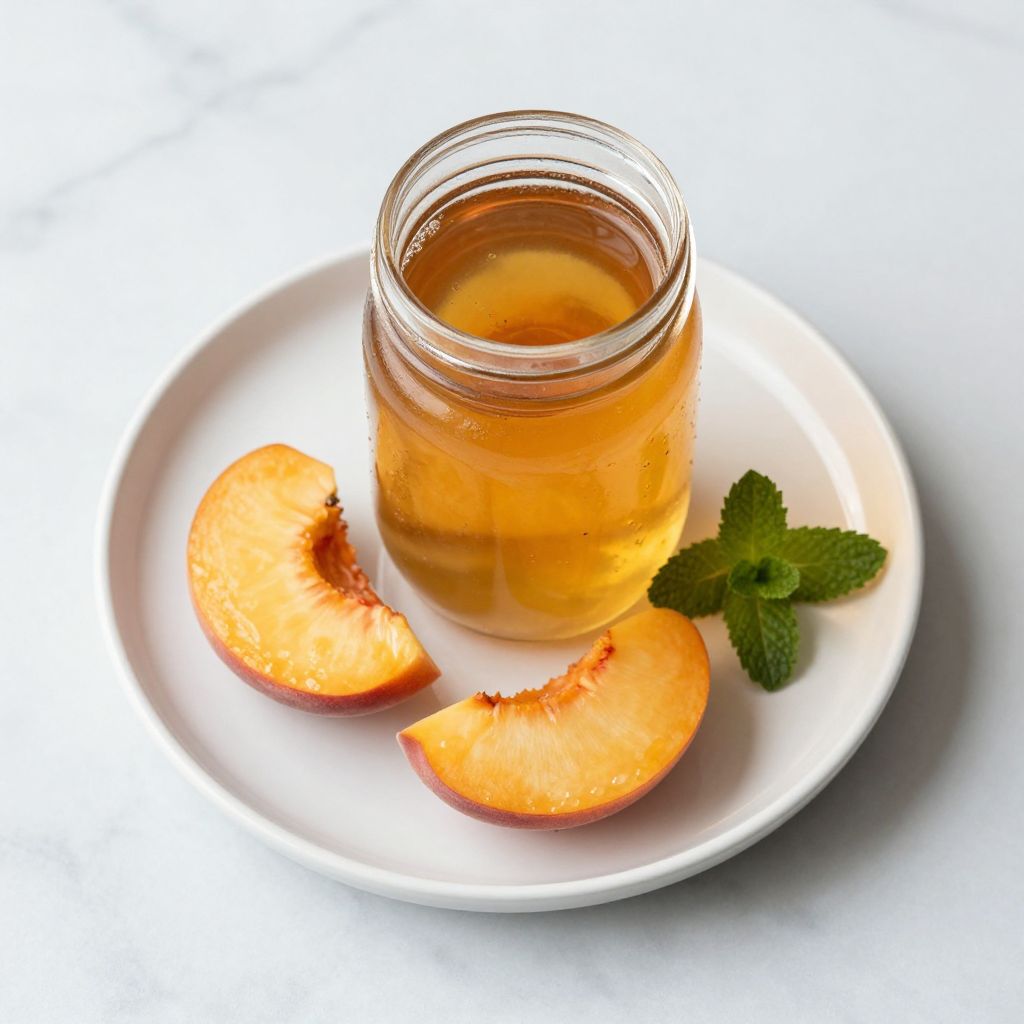
Peach Moonshine Mash
Ingredients
Equipment
Method
- Wash 10 pounds of fresh peaches under cool running water, then halve, pit, and cut into chunks.
- Pour 1 gallon of filtered water into the fermentation vessel and add 8 pounds of granulated sugar, stirring until fully dissolved.
- Add the peach chunks to the sugar solution and stir thoroughly to combine.
- Stir in 2 cups of honey and 1/4 cup of freshly squeezed lemon juice until evenly mixed.
- Sprinkle 2 packets of distiller's yeast over the mash surface and let sit 5 minutes, then stir gently to distribute the yeast.
- If using, add 1/2 cup of peach schnapps or brandy and stir to incorporate.
- Cover the vessel with an airlock or breathable cloth and ferment at 65 to 75 °F.
- Allow fermentation for 21 to 28 days, giving the mash a gentle stir once after the first week.
- Once fermentation is complete (liquid clear and bubbling stopped), strain the mash through cheesecloth into a clean container.
- Filter the strained liquid through a coffee filter into storage bottles for extra clarity.
- Seal bottles and age for 2 to 4 weeks at room temperature before serving.