
There’s something undeniably sophisticated about sipping a Remy Sidecar on a quiet evening, watching the amber liquid catch the light as you raise the glass to your lips. This classic cocktail combines the warmth of Remy Martin cognac with the brightness of Cointreau and fresh lemon juice, creating a drink that feels both timeless and thoroughly modern.
The Remy Sidecar stands out because it delivers complexity without pretension, and it takes just five minutes to master. Whether you’re hosting a dinner party or treating yourself after a long day, this recipe will become your go-to cocktail.
Why You’ll Love This Recipe
A well-made Remy Sidecar tastes like liquid silk, with layers of flavor that unfold on your palate. Here’s what makes this cocktail special:
- Uses premium Remy Martin cognac, which brings rich, oaky depth to every sip
- Takes less than five minutes from start to finish, perfect for impromptu entertaining
- Balances sweetness and tartness beautifully, with no single flavor dominating
- Works equally well as an aperitif or after-dinner drink
- Impresses guests without requiring fancy bartending techniques
My Experience Making This Recipe
The first time I made a Remy Sidecar for friends, I’ll admit I was nervous about getting the proportions right. I’d sampled versions at cocktail bars that tasted thin and boozy, while others were cloyingly sweet.
When I nailed the ratio on my third attempt, everything clicked. The cognac sang, the Cointreau added just enough honey-like sweetness, and the fresh lemon juice cut through everything with brightness. My guests returned to that drink all evening, asking what I’d done differently.
Now I keep the ingredients on hand and make Remy Sidecars without thinking twice. The simplicity is part of its charm, really.
Recipe Overview
- Recipe Name: Remy Sidecar
- Servings: 1 cocktail
- Prep Time: 2 minutes
- Cook Time: 0 minutes
- Total Time: 2 minutes
- Course: Cocktail / Beverage
- Cuisine: French
- Calories per Serving: 165
Equipment You Will Need
- Cocktail shaker or mixing glass
- Bar strainer
- Jigger or measuring spoon
- Coupe glass or martini glass
- Bar spoon (optional)
- Citrus juicer or hand juicer
- Cutting board and small knife
Ingredients for Remy Sidecar
- Remy Martin cognac: 2 ounces
- Cointreau (orange liqueur): 1 ounce
- Fresh lemon juice: 0.75 ounces
- Ice: 1 cup cubed or cracked
- Lemon twist: 1 thin strip for garnish
Ingredient Notes and Substitutions
- Remy Martin Cognac: This brandy forms the backbone of the drink, bringing vanilla, oak, and subtle fruit notes that define the cocktail’s character. If unavailable, use another quality cognac like Hennessy or Courvoisier, though the flavor profile will shift slightly.
- Cointreau: This clear orange liqueur adds sweetness and citrus complexity while balancing the cognac’s richness. You can substitute Triple Sec or Grand Marnier, though Grand Marnier will make the drink slightly heavier and more complex.
- Fresh Lemon Juice: Freshly squeezed juice tastes brighter and cleaner than bottled, making this ingredient non-negotiable. Bottled lemon juice tastes flat and metallic by comparison.
- Ice: Use cubed or cracked ice that’s as cold as possible, since cold dilution is your friend here. Warm or partially melted ice ruins the balance instantly.
How to Make Remy Sidecar
Step 1: Gather and Chill Your Glass
Pull a coupe glass or martini glass from your cabinet and set it aside while you prepare the drink. If you have time, place it in the freezer for two minutes or fill it with ice water to chill it thoroughly.
A cold glass keeps the cocktail cold longer and prevents the ice from melting too quickly once poured.
Step 2: Measure Your Cognac
Using your jigger, carefully measure out 2 ounces of Remy Martin cognac into a cocktail shaker. This is the star ingredient, so accurate measurement matters.
Cognac is expensive enough that eyeballing it is false economy.
Step 3: Add the Cointreau
Pour 1 ounce of Cointreau into the shaker with the cognac. The orange liqueur balances the cognac’s weight and adds subtle citrus aromatics that complement the lemon.
This ratio creates the classic 2:1 ratio between the spirit and the modifier, which is the backbone of a properly proportioned Sidecar.
Step 4: Squeeze Fresh Lemon Juice
Cut a fresh lemon in half and juice it using a hand juicer or citrus press, aiming for 0.75 ounces of juice. Strain the juice through a fine mesh strainer to catch pulp and seeds.
Fresh lemon juice is acidic and bright, creating the tartness that prevents the drink from tasting overly sweet.
Step 5: Fill the Shaker with Ice
Add a full cup of ice cubes or cracked ice to the shaker with the liquid ingredients. The ice chills the drink while also diluting it slightly, which opens up the flavors.
Don’t skip the ice or use warm ice; cold dilution is what makes a Sidecar taste smooth rather than hot and sharp.
Step 6: Shake Vigorously
Place the lid on the shaker and shake hard for 10 to 15 seconds, using your whole arm. Shake until the outside of the shaker becomes frosty and cold to the touch.
Proper shaking chills the ingredients, combines them thoroughly, and creates the slight cloudiness that indicates proper emulsification and ice dilution.
Step 7: Empty Your Chilled Glass
Remove your coupe or martini glass from the freezer and quickly empty it of any ice water or melted ice. A wet glass is fine; a warm glass ruins the drink.
Work quickly here so your glass stays cold while you strain the cocktail.
Step 8: Strain Into the Glass
Using a bar strainer, pour the shaken cocktail into your chilled glass, catching the ice and keeping the liquid flowing smoothly. Aim for a clean, quick pour that leaves the ice behind in the shaker.
You want the drink to land in the glass clear and cold, not watered down from melting ice.
Step 9: Garnish with Lemon Twist
Cut a thin strip of lemon peel about 2 inches long and express the oils over the drink by twisting it over the surface. Drop the twist into the glass or rest it on the rim.
The lemon oils add aroma and a touch of citrus oil complexity that rounds out the drink’s flavor.
Pro Tip: Always use fresh lemon juice squeezed within the hour of making the drink; the flavor degradation is real and noticeable after that point.
Tips for the Best Remy Sidecar
- Chill your glass before pouring to keep the cocktail cold longer and prevent excessive ice melt once served. A 30-second freeze or an ice water rinse makes a real difference.
- Use a 2:1:0.75 ratio of cognac to Cointreau to lemon juice, which is the classic formula that restaurants follow. Deviating from this ratio throws off the balance.
- Shake, don’t stir, because you want the drink to pick up dilution and aeration that only come from vigorous shaking. Stirred Sidecars taste thinner and less integrated.
- Squeeze your lemon juice fresh immediately before making the drink; bottled juice tastes chemical and flat. One fresh lemon yields enough juice for two cocktails.
- Use quality ice that’s as cold as possible, from a freezer set to zero degrees or lower. Warm ice melts too fast and ruins the drink’s temperature and dilution.
- Serve the drink immediately after straining, while it’s still properly cold. Letting it sit on the bar while you chat melts the ice and warms the cocktail.
Common Mistakes to Avoid
- Using bottled lemon juice instead of fresh makes the drink taste sour and metallic rather than bright and balanced. The flavor difference is immediately noticeable to anyone who’s had a proper Sidecar.
- Skipping the ice or using warm ice prevents proper chilling and dilution, resulting in a hot, sharp, boozy drink that hurts to swallow. Always shake with plenty of cold ice.
- Over-pouring the Cointreau or under-pouring the cognac throws off the balance and makes the drink taste like sweet liqueur rather than a cognac-forward cocktail. Measure precisely using a jigger.
- Serving the drink in a warm glass causes it to warm up immediately after pouring, destroying the temperature you worked to build. Always chill your glass first.
- Stirring instead of shaking results in a drink that feels thin and disconnected, lacking the silky texture that comes from proper shaking. The vigorous motion matters more than you’d think.
Serving Suggestions
A Remy Sidecar pairs beautifully with light appetizers or as an after-dinner drink that aids digestion without being heavy. The cocktail’s balance makes it work in almost any social setting.
- Serve as an aperitif before a French dinner, pairing it with cheese and cured charcuterie
- Offer after a dessert course as a digestif that cleanses the palate without overwhelming it
- Make it the centerpiece of an elegant happy hour or cocktail reception
- Pair with dark chocolate or chocolate truffles for a sophisticated dessert drink
- Serve at a dinner party where guests appreciate classic cocktails over trendy creations
Variations to Try
- Brandy Sidecar: Substitute cognac with a less expensive brandy to reduce the cost while keeping the same structure and balance. The drink will taste slightly drier and less complex, but still quite good.
- Grand Marnier Sidecar: Replace Cointreau with Grand Marnier for a richer, more complex orange note and added caramel sweetness. This version tastes more luxurious but can overshadow lighter cognacs.
- Lemon Sidecar: Add a tiny splash of simple syrup and increase the lemon juice to 1 ounce for a more citrus-forward version. This variation works well if your lemon was especially tart.
- Warm Sidecar: Heat the cognac and Cointreau gently in a saucepan, skip the ice, and serve in a warming glass for a wintertime version. This works best with a squeeze of fresh lemon and a cinnamon stick.
- Sidecar Sour: Add 0.5 ounces of egg white and increase lemon juice to 1 ounce for a silky, frothy texture that feels luxurious. Shake for an extra 5 seconds to properly emulsify the egg white.
Dietary Adaptations
- Gluten-Free: Both Remy Martin cognac and Cointreau are naturally gluten-free, making this cocktail safe for anyone avoiding gluten. Always verify your specific brands in case of cross-contamination during production.
- Lower Alcohol Version: Reduce the cognac to 1.5 ounces and increase lemon juice to 1 ounce, topping with 0.5 ounces of soda water. This trade-off gives you a lighter, more refreshing drink that’s less boozy.
- Vegan: The classic Remy Sidecar is already vegan, containing no animal products whatsoever. The variation with egg white is not vegan unless you use aquafaba instead.
- Lower Calorie: The drink clocks in at 165 calories, which is quite reasonable for a cocktail; no adaptations needed unless you reduce the alcohol content. Adding simple syrup or sweeteners pushes calories significantly higher.
Storage and Reheating
Refrigerator
You cannot store a finished Remy Sidecar in the refrigerator because ice melt will dilute it beyond recognition. Store your cognac, Cointreau, and fresh lemon juice separately in the fridge and mix fresh when ready to drink.
- Cognac and Cointreau keep indefinitely in a cool, dark cabinet (no refrigeration needed)
- Fresh lemon juice stays good for 2 to 3 days in a sealed container in the refrigerator
- Make fresh cocktails each time rather than batching ahead
Freezer
Do not freeze a finished Remy Sidecar, as the alcohol prevents proper freezing and the texture becomes unpleasant. Pre-chill your glass and keep your ice very cold instead.
- Store ice in the freezer to keep it as cold as possible for shaking
- You can freeze lemon juice in ice cube trays, though fresh juice always tastes better
Reheating
There is no reheating involved with a cocktail; serve it cold and fresh every time. If your drink has warmed up while sitting, discard it and make a new one rather than trying to rescue it.
- Never reheat cognac or liqueurs, which damages their delicate flavor compounds
- Always make cocktails to order rather than in advance
Nutrition Information
| Nutrient | Amount |
|---|---|
| Calories | 165 |
| Total Fat | 0g |
| Saturated Fat | 0g |
| Carbohydrates | 6g |
| Fiber | 0g |
| Sugar | 4g |
| Protein | 0g |
| Sodium | 2mg |
| Cholesterol | 0mg |
This nutrition information is an estimate based on standard ingredient sizes and servings. Individual values may vary based on brand-specific formulations and preparation methods.
Frequently Asked Questions
Can I make a batch of Remy Sidecars ahead of time for a party?
You can pre-measure your cognac, Cointreau, and lemon juice into separate bottles and shake them fresh to order just before serving. Mixing everything ahead causes excessive dilution and flavor degradation as the ice melts.
What’s the difference between a Sidecar and a Daisy?
A Daisy is a wider family of cocktails that uses any spirit, liqueur, and lemon juice, while a Sidecar specifically uses cognac and Cointreau. The proportions and construction are nearly identical, but the spirit choice defines each drink.
Can I use lime juice instead of lemon juice?
Lime juice will work but creates a noticeably different drink with less brightness and more tropical notes. Lemon juice is the traditional choice because it’s more subtle and lets the cognac shine.
Why does my Sidecar taste watery?
Either your ice was warm when you shook the drink, or you waited too long before serving it. Always use ice fresh from a cold freezer and serve the cocktail immediately after straining.
Is a Remy Sidecar the same as a Cognac Sidecar?
Not exactly; a Cognac Sidecar is any Sidecar made with cognac, while a Remy Sidecar specifically uses Remy Martin cognac. The distinction comes down to brand, though any quality cognac produces a proper Sidecar.
What type of glass should I use?
A coupe glass or martini glass works perfectly, chilled beforehand. The shape doesn’t affect taste, but chilling does, so pick whichever elegant glass you have and chill it thoroughly.
Final Thoughts
The Remy Sidecar teaches you something important about cocktails: simplicity, balance, and proper technique matter infinitely more than complexity. Once you master this drink, you understand the foundation that all great cocktails rest on.
Make this recipe tonight, and notice how the cognac, Cointreau, and lemon juice speak to each other in perfect harmony. You’re going to love it.
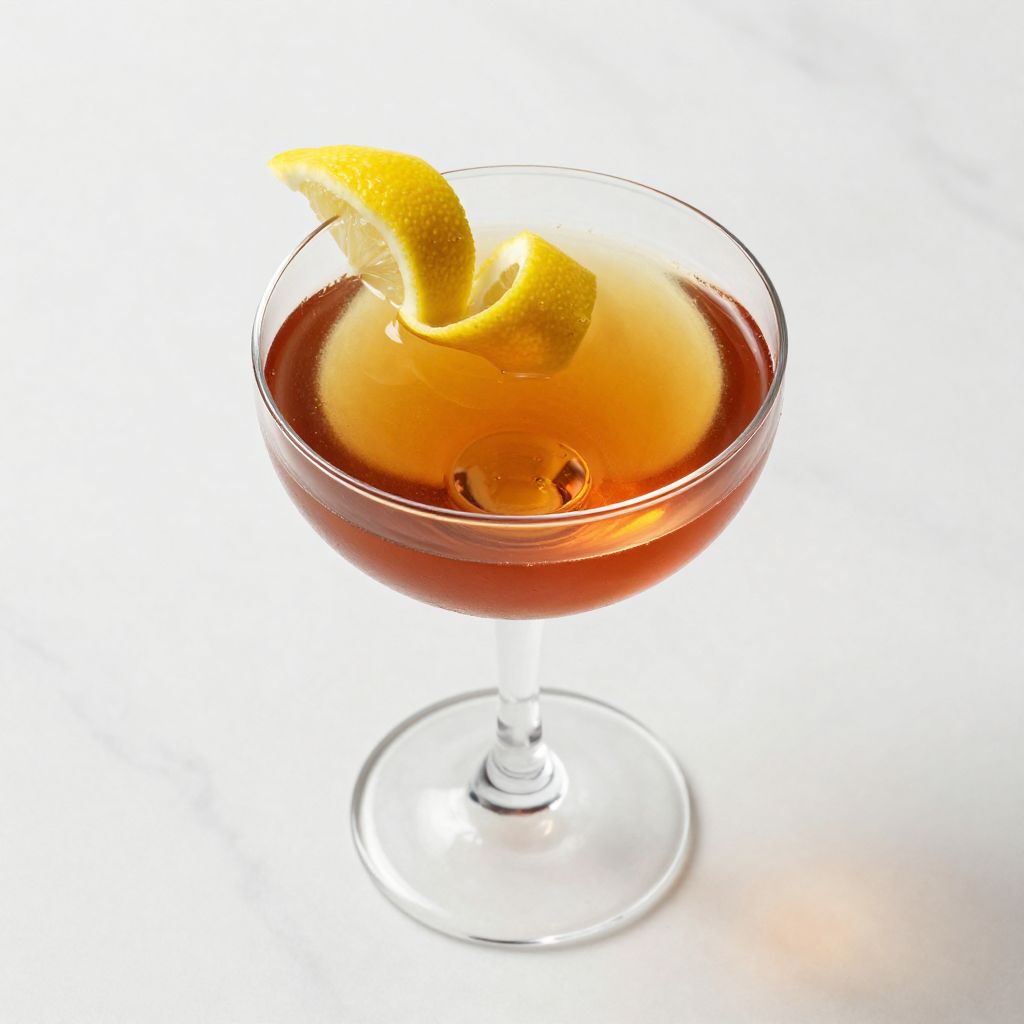
Remy Sidecar
Ingredients
Equipment
Method
- Pull a coupe glass or martini glass from your cabinet and place it in the freezer for two minutes or fill it with ice water to chill it thoroughly.
- Using your jigger, carefully measure out 2 ounces of Remy Martin cognac into a cocktail shaker.
- Pour 1 ounce of Cointreau into the shaker with the cognac.
- Cut a fresh lemon in half and juice it using a hand juicer or citrus press, aiming for 0.75 ounces of juice. Strain the juice through a fine mesh strainer to catch pulp and seeds.
- Add a full cup of ice cubes or cracked ice to the shaker with the liquid ingredients.
- Place the lid on the shaker and shake hard for 10 to 15 seconds, using your whole arm, until the outside of the shaker becomes frosty and cold to the touch.
- Remove your coupe or martini glass from the freezer and quickly empty it of any ice water or melted ice.
- Using a bar strainer, pour the shaken cocktail into your chilled glass, catching the ice and keeping the liquid flowing smoothly.
- Cut a thin strip of lemon peel about 2 inches long and express the oils over the drink by twisting it over the surface. Drop the twist into the glass or rest it on the rim.