
Imagine the sweet aroma of fresh raspberries wafting through your kitchen, hinting at the delightful concoction you are about to create. This raspberry wine recipe is a celebration of summer’s bounty, transforming simple ingredients into a refreshing beverage that bursts with flavor and charm.
Making raspberry wine at home is not just rewarding; it’s an experience that will impress your friends and family. With its vibrant color and fruity notes, this wine is perfect for sipping on warm evenings or serving at gatherings. Let’s gather our ingredients and dive into this winemaking adventure!
Why You’ll Love This Recipe
This raspberry wine recipe is a delight for both novice and experienced winemakers. You will enjoy the gratifying process of creating something truly special.
- Deliciously fruity and refreshing.
- Perfect for summer gatherings or cozy nights in.
- Customizable to suit your taste preferences.
- Simple steps make it approachable for everyone.
- It makes for a thoughtful homemade gift.
My Experience Making This Recipe
The first time I made raspberry wine, I couldn’t believe how easy it was. As the sweet smell of fermenting raspberries filled my home, I felt like a true winemaker.
Sharing the finished product with friends was a joy, and their delight at the vibrant flavor was the cherry on top. This wine quickly became a favorite, earning a special place in my recipe collection.
Recipe Overview
- Recipe Name: Raspberry Wine
- Servings: About 5 bottles
- Prep Time: 15 minutes
- Cook Time: 6 weeks (fermentation)
- Total Time: 6 weeks 15 minutes
- Course: Beverage
- Cuisine: American
- Calories per Serving: 120
Equipment You Will Need
- Fermentation vessel (5-gallon carboy or bucket)
- Airlock and stopper
- Siphon (or racking cane)
- Wine bottles and corks
- Hydrometer
- Large pot for boiling
- Strainer or cheesecloth
Ingredients for Raspberry Wine
- 5 pounds of fresh raspberries
- 2 pounds of granulated sugar
- 1 gallon of water
- 1 cup of white grape juice
- 1 teaspoon of yeast nutrient
- 1 packet of wine yeast
Ingredient Notes and Substitutions
- Fresh raspberries: They provide the main flavor. Frozen raspberries can be used in a pinch.
- Granulated sugar: This is crucial for fermentation. Honey can be a natural substitute, but it will alter the flavor.
- White grape juice: Adds complexity to the flavor. You can use another fruit juice for a different taste.
- Wine yeast: This specific yeast is best for winemaking. Baker’s yeast can be used but may not yield the best results.
How to Make Raspberry Wine
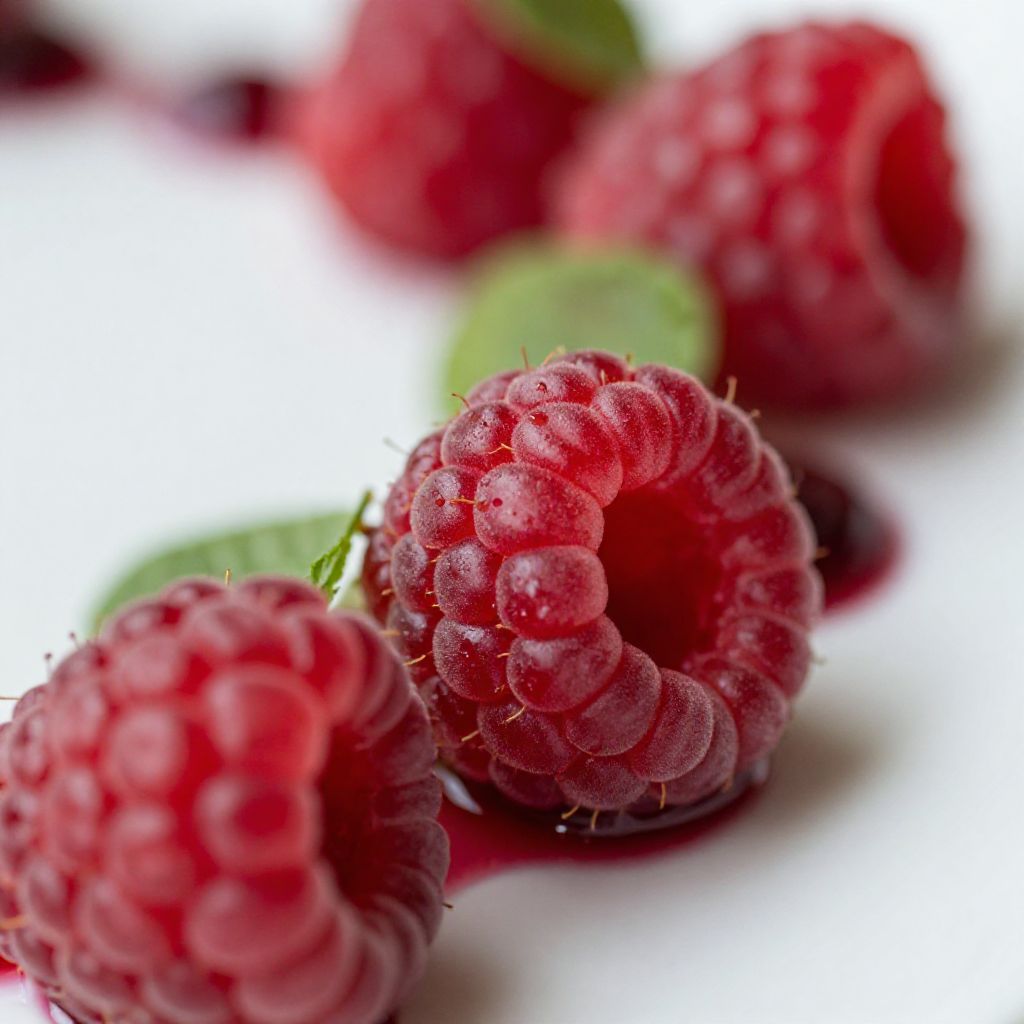
Step 1: Prepare the Raspberries
Start by washing the raspberries thoroughly to remove any dirt or impurities. This ensures a clean flavor profile in your wine.
Step 2: Create the Raspberry Mash
Place the raspberries in a large pot and gently crush them with a potato masher. This releases the juices and helps with fermentation.
Step 3: Boil the Mixture
Add 1 gallon of water to the pot with the mashed raspberries. Bring the mixture to a boil, which helps extract flavor and sanitize the mixture.
Step 4: Add Sugar and Nutrients
Once boiling, stir in the granulated sugar and yeast nutrient until dissolved. This sweetness is essential for fermentation and flavor development.
Step 5: Cool Down the Mixture
Remove the pot from heat and allow it to cool to room temperature. Adding yeast to a hot mixture can kill the yeast, preventing fermentation.
Step 6: Ferment the Mixture
Once cooled, pour the mixture into the fermentation vessel. Add the white grape juice and sprinkle the wine yeast on top, then seal it with an airlock.
Step 7: Monitor the Fermentation
Place the fermentation vessel in a dark, cool place. Over the next few weeks, you will see bubbles in the airlock as fermentation occurs.
Step 8: Bottle the Wine
After about six weeks, the bubbling will stop. It’s time to siphon the wine into clean bottles, leaving sediment behind. Seal the bottles with corks.
Pro Tip: Patience is key; let the wine age for at least 3 months for the best flavor.
Tips for the Best Raspberry Wine
- Always use fresh, quality raspberries for the best flavor.
- Ensure all equipment is sanitized to avoid unwanted bacteria.
- Monitor temperature during fermentation; it should be between 65°F and 75°F.
- Consider adding a splash of lemon juice for acidity and balance.
- Experiment with different fruit blends for unique flavors.
Common Mistakes to Avoid
- Skipping sanitization can lead to spoilage. Always clean your equipment!
- Using fruit that is overripe or spoiled can ruin the flavor.
- Fermenting at too high or low temperatures can affect yeast performance.
- Rushing the bottling process can trap unwanted sediment in your wine.
Serving Suggestions
Raspberry wine is delightful on its own, but it pairs beautifully with food. Here are some suggestions to enhance your experience.
- Cheese platters with soft cheeses like brie or goat cheese.
- Grilled meats, especially chicken or pork.
- Chocolate desserts for a decadent combination.
- Fresh fruit salads to keep it light and refreshing.
Variations to Try
- Add a hint of mint for a refreshing twist.
- Mix in strawberries for a delightful berry blend.
- Incorporate spices like cinnamon for a warm, spiced touch.
- Experiment with different types of sugar for unique sweetness.
Dietary Adaptations
- Gluten-free: This recipe is naturally gluten-free.
- Dairy-free: No dairy products are used, making it suitable for all diets.
- Vegan: All ingredients are plant-based, perfect for vegans.
- Low-carb/keto: Substitute sugar with a keto-friendly sweetener.
Storage and Reheating
Refrigerator
Raspberry wine should be stored in a cool, dark place. Once opened, keep it refrigerated for optimal freshness.
- Use within 2 weeks after opening for the best flavor.
- Seal the bottle tightly to prevent oxidation.
Freezer
While it is not common to freeze wine, you can freeze small amounts in ice cube trays for cocktails. Just be aware that freezing may alter the texture.
- Use within 6 months for best flavor.
- Thaw in the refrigerator before use.
Reheating
Raspberry wine is typically enjoyed chilled. If you prefer it warm, gently heat it on the stove without boiling.
- Warm with spices for a cozy drink.
- Never microwave, as it can alter the flavor.
Nutrition Information
| Nutrient | Amount |
|---|---|
| Calories | 120 |
| Total Fat | 0g |
| Saturated Fat | 0g |
| Carbohydrates | 30g |
| Fiber | 1g |
| Sugar | 28g |
| Protein | 0g |
| Sodium | 5mg |
| Cholesterol | 0mg |
Nutrition values are approximate and can vary based on ingredients used.
Frequently Asked Questions
Can I use frozen raspberries?
Yes, frozen raspberries work well and can save you some prep time.
How far in advance can I make this wine?
It’s best to start your wine at least six weeks before you plan to serve it. The longer it ages, the better the flavor.
What should I do if my wine is too sweet?
If your wine is too sweet, you can add a bit of acidity, such as lemon juice, to balance the flavor.
Can I carbonate this wine?
Carbonation is not traditional for wine but can be achieved by adding a small amount of sugar before bottling.
How should I store my raspberry wine?
Store it in a cool, dark place, and refrigerate once opened to maintain freshness.
Final Thoughts
Making your own raspberry wine is not just about the end product; it’s about the joy of creating something delicious. Whether you are enjoying a glass on a warm summer evening or sharing it with loved ones, this wine is bound to bring smiles.
So, gather your ingredients and give this recipe a try. You won’t regret it, and who knows, you might just become the go-to winemaker in your circle!
For more delightful recipes, check out this raspberry mead recipe or explore this delicious strawberry wine recipe. Happy winemaking!
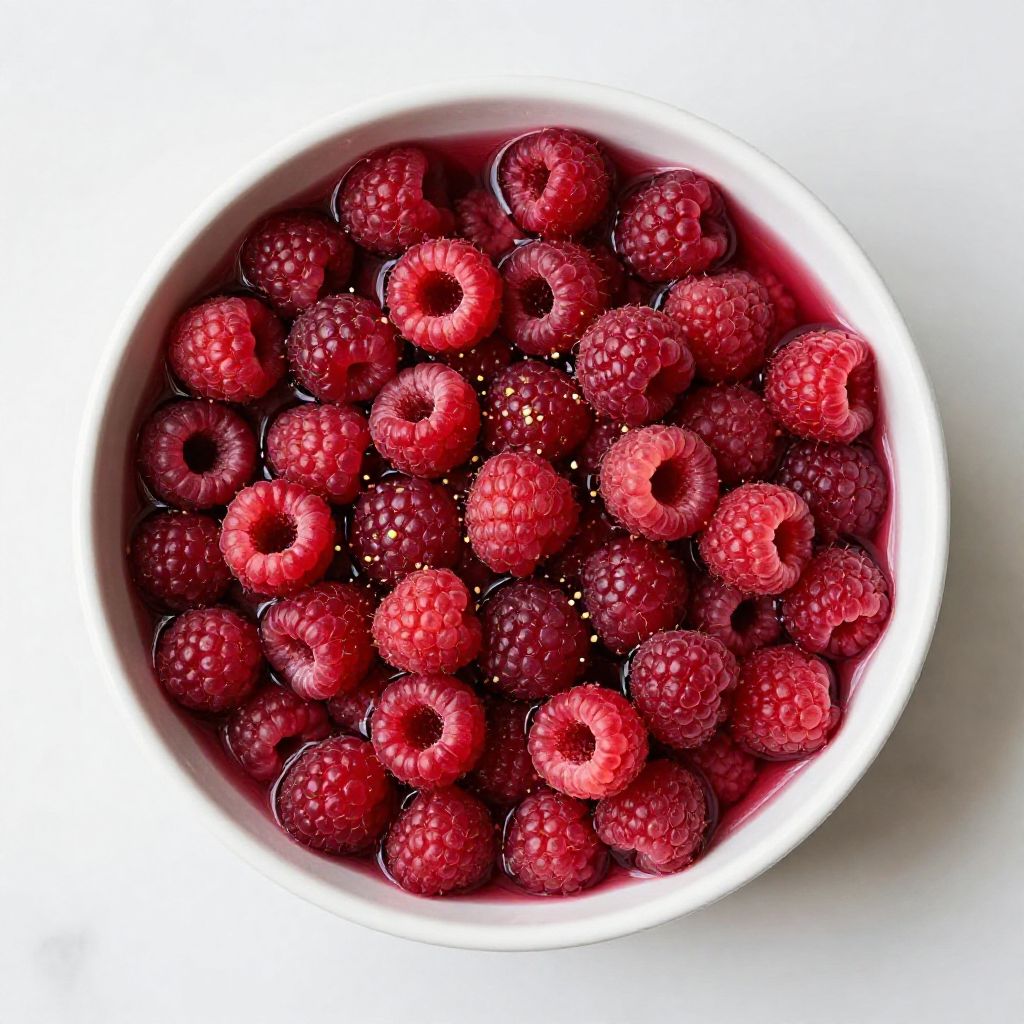
Raspberry Wine
Ingredients
Equipment
Method
- Wash 5 pounds of fresh raspberries thoroughly under running water to remove any dirt or impurities.
- Place the washed raspberries in a large pot and gently crush them with a potato masher to release their juices.
- Add 1 gallon of water to the pot with the mashed raspberries and bring the mixture to a boil at 212°F, then boil for 10 minutes to extract flavor and sanitize.
- Stir in 2 pounds of granulated sugar and 1 teaspoon of yeast nutrient until fully dissolved.
- Remove the pot from heat and allow the mixture to cool to room temperature (around 70°F), which may take about 1 hour.
- Pour the cooled raspberry mixture into a sanitized 5-gallon fermentation vessel, add 1 cup of white grape juice, sprinkle 1 packet of wine yeast on top, and seal with an airlock.
- Place the fermentation vessel in a dark, cool location at 65–75°F for about 6 weeks, monitoring bubbles in the airlock during fermentation.
- After 6 weeks, when bubbling has stopped, siphon the wine into clean bottles, leaving sediment behind, and cork the bottles.