
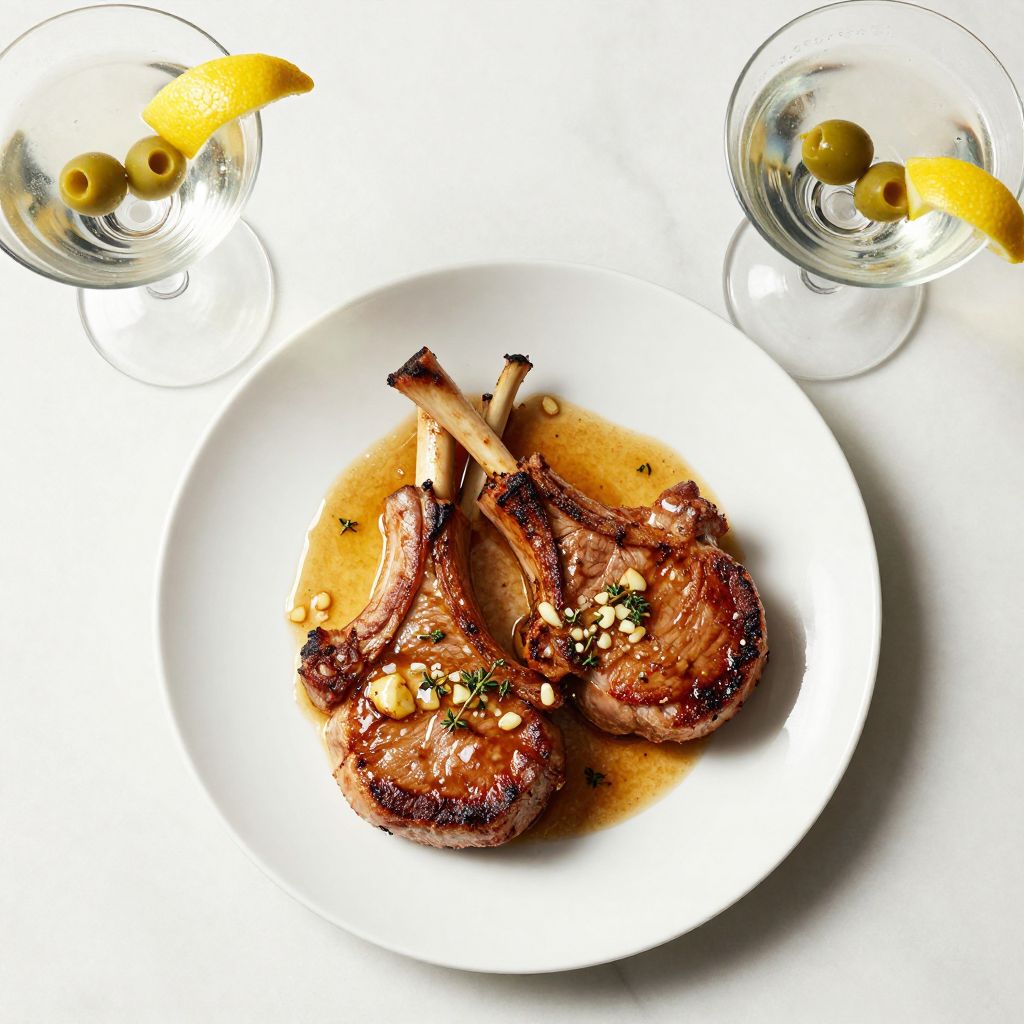
Picture this: a sizzling pork chop fresh from the pan, its crust crackling as you slice into the tender, juicy meat inside, paired with a smooth, sophisticated martini that balances richness with bright, clean flavors. The pork chop martini isn’t a cocktail you drink while eating a pork chop, but rather a culinary pairing that brings together two worlds of flavor in one unforgettable meal.
This recipe combines a perfectly seared pork chop with a classic martini cocktail, creating a dining experience that feels restaurant-quality yet entirely achievable at home. The magic lies in the contrast: savory, protein-packed pork meets the crisp, herbaceous notes of a well-made martini, elevating an ordinary dinner into something memorable.
Whether you’re hosting a dinner party or treating yourself to something special on a weeknight, this pairing proves that great food doesn’t need to be complicated. Ready to impress your guests (or yourself) with minimal fuss and maximum flavor?
Why You’ll Love This Recipe
This pairing delivers sophisticated flavor without requiring culinary school credentials. The pork chop cooks in under thirty minutes, while the martini takes mere moments to prepare.
- Elegant enough for dinner guests, simple enough for a solo dinner night
- The savory crust on the pork complements the dry, botanical notes of the martini perfectly
- Requires minimal ingredients, each one working hard to earn its place on your plate
- Adaptable to different skill levels and ingredient preferences without losing its sophistication
- Creates a complete meal experience that feels special without demanding hours in the kitchen
My Experience Making This Recipe
The first time I made this pairing, I was skeptical about serving a martini with dinner rather than before it. Once I tasted how the gin’s juniper and vermouth’s herbal warmth cut through the richness of a perfectly seared pork chop, I became a convert.
My dinner guests devoured their pork chops and sipped their martinis with genuine appreciation, and several asked for the recipe before dessert arrived. The combination felt luxurious without being fussy, which is exactly the vibe I was going for.
What surprised me most was how the martini actually enhanced the pork’s flavor rather than competing with it. The botanical notes in the cocktail create a flavor bridge that makes each bite of pork taste richer and more interesting.
Recipe Overview
- Recipe Name: Pork Chop Martini
- Servings: 2
- Prep Time: 10 minutes
- Cook Time: 15 minutes
- Total Time: 25 minutes
- Course: Main Course
- Cuisine: American
- Calories per Serving: 420
Equipment You Will Need
- 12-inch cast iron skillet or heavy-bottomed stainless steel pan
- Meat thermometer for accurate doneness checking
- Cocktail shaker or mixing glass
- Bar strainer or Hawthorne strainer
- Martini glasses (chilled)
- Cutting board and sharp knife
- Paper towels for drying the pork
- Measuring jigger for cocktail ingredients
- Tongs or spatula for flipping
Ingredients for Pork Chop Martini
For the Pork Chops
- 2 bone-in pork chops, 1.5 inches thick (about 10 ounces each)
- 2 tablespoons kosher salt
- 1 tablespoon freshly ground black pepper
- 2 tablespoons olive oil
- 3 tablespoons butter
- 4 cloves garlic, smashed
- 3 sprigs fresh thyme
- 1/4 cup dry white wine or chicken stock
For the Martini
- 3 ounces gin (London dry style recommended)
- 1 ounce dry vermouth
- 1/4 teaspoon olive brine from a jar of olives
- Ice (preferably large cubes)
- 2 pitted green olives for garnish
- Lemon twist (optional, for additional garnish)
Ingredient Notes and Substitutions
- Pork chops: Bone-in chops stay juicier than boneless cuts because the bone insulates the meat during cooking, preventing overcooking at the edges. Boneless chops work fine, but reduce cooking time by 2-3 minutes on each side.
- Olive oil: High smoke point oil is essential for searing without burning. Avocado oil or vegetable oil works equally well if you prefer.
- Thyme: Fresh thyme adds earthy notes that echo the martini’s herbal profile beautifully. Rosemary is a strong substitute but use only 2 sprigs as it overpowers more easily.
- Gin: The backbone of your martini, quality matters here. A London dry gin like Tanqueray or Bols works perfectly. Opt for a juniper-forward gin if you want more botanical bite.
- Dry vermouth: This ingredient prevents the martini from tasting one-dimensional. Noilly Prat is the classic choice, but any dry vermouth under three years old keeps the flavors bright.
- Green olives: The brine and the olive itself add salinity and umami that bridges pork and martini flavors. Blue cheese-stuffed olives create an interesting twist if you enjoy funkier profiles.
How to Make Pork Chop Martini
Step 1: Prepare Your Pork Chops
Remove your pork chops from the refrigerator 20 minutes before cooking to allow them to come to room temperature. This prevents the cold center from requiring excessive cooking time, which would dry out the exterior.
Pat both sides of the pork chops completely dry with paper towels, then season generously with kosher salt and freshly ground black pepper on both sides. Dry meat creates a better crust, while proper seasoning penetrates the meat rather than sitting on top.
Step 2: Heat Your Pan
Place your cast iron skillet or heavy-bottomed pan over medium-high heat and allow it to preheat for 2-3 minutes until it’s hot enough that a drop of water instantly evaporates on contact. A properly heated pan creates the flavorful crust that makes this dish special.
Step 3: Sear the Pork Chops
Add olive oil to the hot pan and swirl to coat evenly. Immediately place both pork chops in the pan and do not move them for 4-5 minutes, allowing a deep golden crust to form on the first side.
Resist the urge to poke, prod, or flip early, as moving the meat prevents proper crust development. The Maillard reaction that creates that beautiful brown exterior happens only when meat stays in direct contact with heat.
Step 4: Flip and Cook the Second Side
Using tongs, carefully flip each pork chop and let them cook undisturbed for another 3-4 minutes. The second side won’t take as long since one side is already insulated by the crust.
Step 5: Build the Pan Sauce
Reduce heat to medium, then add butter, smashed garlic cloves, and fresh thyme sprigs to the pan around the pork chops. Tilt the pan and baste the pork with the foaming butter for 1-2 minutes, using a spoon to continuously pour the butter over the meat.
The butter and aromatics infuse the pork with deep, complex flavors while the basting keeps the surface moist and adds richness. This step transforms a simple seared chop into something restaurant-quality.
Step 6: Check Doneness and Rest
Insert a meat thermometer into the thickest part of one pork chop without touching the bone. When it reads 145 degrees Fahrenheit, your pork is perfectly cooked: tender, juicy, and safe to eat.
Transfer the pork chops to a warm plate and add the white wine or stock to the pan, scraping the bottom with a wooden spoon to release all the browned bits. Let the pork rest for 3-5 minutes while you prepare the martini.
Step 7: Chill Your Martini Glasses
Place two martini glasses in the freezer now, or fill them with ice water while you make the cocktail. A cold glass keeps your martini perfectly chilled and prevents dilution from happening too quickly.
Step 8: Prepare Your Martini
Fill your cocktail shaker with large ice cubes, then add 3 ounces of gin, 1 ounce of dry vermouth, and 1/4 teaspoon of olive brine. Stir gently but thoroughly for 10-15 seconds until the shaker feels frosty on the outside.
Stirring rather than shaking creates a silky, well-integrated cocktail without aerating it unnecessarily. The olive brine adds a subtle umami note that echoes the pork’s savory depth.
Step 9: Strain and Garnish
Empty the ice water from your chilled martini glasses, then strain the cocktail evenly between them. Drop two green olives into each glass and add a lemon twist if desired.
The visual presentation of those bright green olives signals to your guest that this is a proper martini, and the aromatic lemon oils (if using) add brightness that prepares the palate for the rich pork to come.
Step 10: Plate and Serve
Plate your rested pork chops on warm dinner plates, spooning the pan sauce (including the garlic and thyme) over and around the meat. Place a martini glass beside each plate and serve immediately.
Pro Tip: The key to keeping your pork chops juicy is not overcooking them and letting them rest after cooking, allowing the juices to redistribute throughout the meat instead of running out onto your plate.
Tips for the Best Pork Chop Martini
- Choose pork chops at least 1.5 inches thick, as thinner cuts dry out too easily during searing. Thicker meat gives you a larger window for cooking without overcooking the center.
- Use a meat thermometer instead of guessing doneness by touch or appearance. Pork is safe at 145 degrees, and using a thermometer removes all guesswork from achieving perfect results every time.
- Don’t skip the resting period after cooking. Those 3-5 minutes allow muscle fibers to relax and reabsorb moisture, resulting in significantly juicier meat.
- Stir your martini, don’t shake it, to keep the drink silky and elegant rather than aerated and cloudy. Shaking is better for citrus-heavy cocktails, but this classic gin martini deserves a gentle hand.
- Chill your martini glasses beforehand. A warm glass will dilute your cocktail before you finish the first sip, ruining the careful balance of flavors you’ve created.
- Make the martini last, right before plating the pork. A well-made martini is best enjoyed within 2-3 minutes of preparation, so time your steps accordingly.
Common Mistakes to Avoid
- Starting with cold pork straight from the refrigerator causes uneven cooking, with the edges overdone before the center reaches the right temperature. Always allow 20 minutes for the meat to come to room temperature.
- Moving the pork chops too early prevents proper crust formation and results in pale, stewed meat instead of the flavorful golden exterior this dish demands. Patience is your secret weapon here.
- Skipping the vermouth makes the martini one-dimensional and overly boozy, losing the herbal complexity that makes it pair beautifully with pork. Vermouth is not optional; it’s essential.
- Using thin, boneless pork chops that dry out during cooking no matter what technique you use. Bone-in cuts one and a half inches thick are the minimum for this recipe’s success.
- Overcooking the pork chop past 150 degrees interior temperature, resulting in dry, tough meat that no amount of sauce can rescue. Set your thermometer for 145 and trust it.
Serving Suggestions
This pairing stands beautifully on its own, but a few thoughtful sides elevate the meal to something truly special. Choose sides that don’t compete with the pork and martini, instead complementing their sophisticated flavors.
- Creamed spinach or sauteed mushrooms add umami depth without overwhelming the plate’s delicate flavor balance
- A simple green salad dressed with lemon vinaigrette provides bright acidity that refreshes the palate between bites
- Roasted fingerling potatoes tossed in butter and herbs offer earthiness and substance without heaviness
- Crusty bread for soaking up the pan sauce completes the experience and ensures nothing goes to waste
- Asparagus wrapped in prosciutto creates an elegant side that matches the dinner’s sophisticated tone
Variations to Try
- Thicker crust pork chops: Dredge the seasoned pork in a light coating of panko breadcrumbs before searing to create an extra-crispy exterior that adds textural contrast. The breadcrumbs turn golden brown and create a satisfying crunch without overwhelming the dish.
- Different martini styles: Try a dirty martini with more olive brine for a saltier, umami-forward version that intensifies the connection between drink and dish. Alternatively, a vesper martini swaps vermouth for vodka and adds a touch of Chartreuse for herbal complexity.
- Apple cider reduction pork: Replace the white wine with apple cider and add a splash of apple cider vinegar to the pan sauce for a slightly sweet-tart profile that echoes autumn flavors. This variation pairs wonderfully with the martini’s botanical notes.
- Spiced pork chops: Add smoked paprika, cumin, and a pinch of cayenne to your seasoning blend for a Southwestern twist that introduces subtle heat and smokiness. This variation calls for a slightly different martini, perhaps one made with a peppery gin.
- Pan-seared with cognac: Deglaze the pan with a splash of cognac instead of white wine after searing for a deeper, more luxurious sauce with notes of oak and vanilla. This variation creates an even more indulgent pairing experience.
Dietary Adaptations
- Gluten-free: This recipe is naturally gluten-free as written, containing no flour or gluten-containing ingredients. Simply verify that your stock, if using, carries gluten-free certification.
- Dairy-free: Replace the butter with olive oil or avocado oil for basting and pan sauce creation, though you’ll sacrifice some richness in the final dish. The pork will still be delicious, though slightly less luxurious.
- Lower alcohol martini: Reduce the gin to 2 ounces and increase the vermouth to 1.5 ounces for a lighter, more herbal drink that doesn’t overpower a lighter appetite. This creates what martini purists call a “wet” martini.
- Vegan substitution: This recipe is inherently carnivorous, but thick slices of meaty portobello mushroom, seasoned and seared identically to the pork, create a surprisingly satisfying plant-based alternative. Skip the martini if avoiding alcohol, or enjoy it alongside your mushroom preparation.
Storage and Reheating
Refrigerator
Store cooked pork chops in an airtight container for up to three days. Keep the pan sauce separate to prevent the meat from drying out during storage.
- Place pork chops on a paper towel to absorb excess moisture before transferring to the container
- Store pan sauce in a separate small container to maintain quality
- Do not make martinis ahead of time, as they dilute quickly
Freezer
Cooked pork chops freeze well for up to two months when properly stored. Thaw in the refrigerator overnight before reheating.
- Wrap each pork chop individually in plastic wrap, then place in a freezer bag to prevent freezer burn
- Freeze pan sauce separately in ice cube trays for portion control
- Label with the date so you remember when you froze the meat
Reheating
Reheat gently to prevent drying out the pork. The pan sauce should be added after reheating to restore moisture and flavor.
- Place pork chops in a 325-degree oven for 8-10 minutes until warmed through, covered with foil to trap steam
- Alternatively, reheat slowly in a skillet over low heat with a splash of stock or water to prevent drying
- Always make a fresh martini to order, never prepare ahead
Nutrition Information
| Nutrient | Amount |
|---|---|
| Calories | 420 |
| Total Fat | 22g |
| Saturated Fat | 9g |
| Carbohydrates | 2g |
| Fiber | 0g |
| Sugar | 0g |
| Protein | 38g |
| Sodium | 580mg |
| Cholesterol | 95mg |
The nutrition information above accounts for the pork chop and martini together as a complete serving. Keep in mind that all nutritional values are approximate and can vary based on exact ingredients, brands, and preparation methods used.
Frequently Asked Questions
Can I make this recipe with boneless pork chops?
Yes, boneless pork chops work, but they cook faster and dry out more easily than bone-in cuts. Reduce your cooking time to 3-4 minutes per side and monitor closely with a meat thermometer to avoid overcooking.
What if I don’t drink alcohol or want to skip the martini?
The pork chop stands entirely on its own as a delicious main course. Pair it with a sparkling water with lemon, an herbal tea, or simply enjoy the meat and pan sauce without a beverage accompaniment.
How do I know when the pork chop is done without a meat thermometer?
A meat thermometer removes all guessing, so investing in one is worthwhile. If you must check without one, the pork should be slightly firm to the touch and show no pink at the thickest part when cut into, though this method often leads to overcooking.
Why did my pork chop turn out dry?
The most common culprit is overcooking past 145 degrees or skipping the resting period. Pork loses its moisture when cooked too long, so using a thermometer and allowing 3-5 minutes of rest after cooking solves this problem completely.
Can I prepare the martini ahead of time for guests?
Martinis do not hold well, as they dilute within 2-3 minutes as the ice melts. Prepare the martini immediately before serving to maintain its ideal balance and silky texture.
Is there a non-alcoholic martini option that pairs well with pork?
A virgin martini made with sparkling water, a splash of apple cider vinegar, fresh herbs, and a green olive garnish creates an interesting herbal and briny profile that complements the pork’s richness without alcohol.
Final Thoughts
The pork chop martini proves that elegant meals don’t require complicated techniques or obscure ingredients. This pairing brings together two culinary classics in a way that feels both surprising and completely natural.
Next time you want to impress someone special or treat yourself to something memorable, give this recipe a try. The combination of perfectly seared pork and a beautifully balanced martini will remind you that some of life’s greatest pleasures are often the simplest ones.
If you enjoyed this recipe pairing, you might also like exploring other sophisticated cocktail and food combinations. Check out our peppermint mocha martini recipe for a sweeter take on martini pairings, or discover the decadent flavors of our tiramisu martini recipe that brings dessert and cocktails together beautifully.
Pork Chop Martini
Ingredients
Equipment
Method
- Remove the pork chops from the refrigerator and allow them to come to room temperature for 20 minutes.
- Pat both sides of the pork chops dry with paper towels, then season generously with kosher salt and freshly ground black pepper.
- Preheat a 12-inch cast iron skillet or heavy-bottomed pan over medium-high heat for 2-3 minutes until hot.
- Add olive oil to the pan, swirl to coat, and place the pork chops in the pan. Sear undisturbed for 4-5 minutes until a deep golden crust forms.
- Flip the pork chops using tongs and cook the second side undisturbed for 3-4 minutes.
- Reduce heat to medium, add butter, smashed garlic, and thyme to the pan. Tilt the pan and baste the pork chops with melted butter for 1-2 minutes.
- Insert a meat thermometer into the thickest part of a pork chop (not touching the bone) and cook until the internal temperature reaches 145°F.
- Transfer the pork chops to a warm plate and let rest for 3-5 minutes. Add white wine or chicken stock to the pan, scraping up browned bits to create a pan sauce.
- Chill martini glasses in the freezer or fill with ice water. In a cocktail shaker, combine gin, dry vermouth, olive brine, and ice. Stir gently for 10-15 seconds until well chilled.
- Strain the martini into chilled glasses, garnish with green olives and a lemon twist. Plate the rested pork chops, spoon the pan sauce over them, and serve immediately alongside the martini.