
Picture this: a cozy evening, your favorite mug in hand, and the rich aroma of roasted peanuts wafting through the air. This Peanut Butter Porter Recipe is not just a drink; it’s a comforting hug in a glass, perfect for winding down after a long day. With its smooth, creamy texture and a delightful balance of sweet and nutty flavors, this porter is bound to impress your taste buds. Let’s get brewing and create a memorable beer that pairs well with hearty meals or stands alone as a satisfying nightcap.
Why You’ll Love This Recipe
This Peanut Butter Porter is a delightful twist on a classic brew that is simple to make at home.
- Rich, nutty flavor that stands out.
- Perfectly creamy mouthfeel.
- Great for sharing with friends or enjoying solo.
- Versatile beer that pairs with various foods.
- Fun to customize with different ingredients.
My Experience Making This Recipe
When I first decided to brew a peanut butter porter, I was a bit skeptical. I mean, how could a beer with peanut butter taste anything but bizarre?
However, as the ingredients came together, the smell of toasted malt and peanut butter was heavenly. The first sip was a revelation, with the nutty flavor perfectly complementing the dark, roasted notes.
Recipe Overview
- Recipe Name: Peanut Butter Porter
- Servings: 5 gallons
- Prep Time: 30 minutes
- Cook Time: 60 minutes
- Total Time: 90 minutes
- Course: Beverage
- Cuisine: American
- Calories per Serving: Approximately 200
Equipment You Will Need
- Brewing kettle (at least 5 gallons)
- Fermentation vessel
- Airlock and stopper
- Hydrometer
- Sanitizer
- Bottling equipment (bottles and caps)
Ingredients for Peanut Butter Porter
- 9 lbs Pale Malt
- 1 lb Crystal Malt (40L)
- 0.5 lb Chocolate Malt
- 0.5 lb Roasted Barley
- 1 oz East Kent Goldings Hops (bittering)
- 1 oz Fuggle Hops (flavor)
- 1 cup Peanut Butter (smooth)
- 1 package English Ale Yeast
- 1 cup Corn Sugar (for bottling)
Ingredient Notes and Substitutions
- Pale Malt: This is the base malt that provides the fermentable sugars. You can substitute with other base malts, but it may alter the flavor.
- Crystal Malt: Adds sweetness and color. Try using caramel malt if you can’t find it.
- Chocolate Malt: Contributes a rich, dark flavor. Black malt can be used in smaller amounts for a bolder touch.
- Peanut Butter: Smooth peanut butter gives a creamy texture. Chunky peanut butter can add a fun twist, but be cautious of the texture.
- English Ale Yeast: This yeast works well for a smooth finish. A Belgian yeast can add unique fruity notes if desired.
How to Make Peanut Butter Porter
Step 1: Prepare the Brewing Equipment
Start by sanitizing all your brewing equipment. Cleanliness is key to preventing unwanted bacteria that can spoil your beer.
Step 2: Heat the Water
Bring about 3 gallons of water to 165°F (74°C) in your brewing kettle. This temperature is ideal for steeping the grains.
Step 3: Steep the Grains
Add the crushed grains into a steeping bag and submerge it in the hot water. Let it steep for about 30 minutes to extract the flavors.
Step 4: Remove the Grains
After steeping, remove the grain bag and let it drain back into the kettle. This step ensures you get all those delicious flavors without the grainy texture.
Step 5: Boil the Wort
Bring the liquid (now called wort) to a boil. Once boiling, add the East Kent Goldings hops for bitterness.
Step 6: Add Flavor Hops
After 45 minutes of boiling, add the Fuggle hops for flavor. This timing allows the hops to infuse without becoming overly bitter.
Step 7: Mix in the Peanut Butter
During the last 5 minutes of boiling, stir in the peanut butter until fully dissolved. This gives your porter that rich, nutty taste.
Step 8: Cool and Ferment
Cool the wort quickly using an immersion chiller or an ice bath. Transfer it to your fermentation vessel, pitch the yeast, and seal it with an airlock.
Pro Tip: Ensure the wort is cooled to below 70°F (21°C) before adding the yeast to avoid stressing it.
Tips for the Best Peanut Butter Porter
- Use high-quality peanut butter for the best flavor.
- Monitor the fermentation temperature for optimal yeast activity.
- Consider adding cocoa nibs for a chocolate-peanut butter combo.
- Be patient; letting it condition for a few weeks will enhance the flavor.
- Experiment with different hops for unique flavor profiles.
Common Mistakes to Avoid
- Not sanitizing equipment can lead to spoilage.
- Boiling the wort too long may result in excessive bitterness.
- Adding peanut butter too early can lead to a grainy texture.
- Skipping the cooling step can stress the yeast.
- Not tasting your beer at different stages can prevent you from adjusting flavors.
Serving Suggestions
This Peanut Butter Porter is versatile and pairs well with various foods.
- Barbecue ribs for a savory contrast.
- Chocolate desserts for a decadent experience.
- Spicy wings to balance the heat.
- Grilled cheese for a comforting meal.
- Nutty cheeses for a gourmet snack.
Variations to Try
- Add vanilla extract during fermentation for a creamy flavor.
- Incorporate coffee for a mocha-style porter.
- Use different nut butters like almond for a unique twist.
- Try adding spices like cinnamon for warmth.
- Experiment with different malts for varied sweetness levels.
Dietary Adaptations
- Gluten-free: Use gluten-free malt or a suitable substitute like rice or sorghum.
- Dairy-free: This recipe is naturally dairy-free.
- Vegan: Ensure the peanut butter is free from animal-derived additives.
- Low-carb/Keto: Substitute with low-carb alternatives for the sugar.
Storage and Reheating
Refrigerator
Store your finished beer in a cool, dark place. Keep it upright to avoid sediment disturbance.
- Consume within 3 months for the best flavor.
- Store in bottles or a keg.
Freezer
Freezing is not recommended for beer as it can alter the taste and carbonation.
- Freeze only if necessary, but thaw in the refrigerator before drinking.
Reheating
Do not reheat beer; it is best enjoyed cold or at room temperature.
- Simply pour and enjoy straight from the fridge or cellar.
Nutrition Information
| Nutrient | Amount |
|---|---|
| Calories | 200 |
| Total Fat | 8g |
| Saturated Fat | 1g |
| Carbohydrates | 22g |
| Fiber | 1g |
| Sugar | 2g |
| Protein | 4g |
| Sodium | 15mg |
| Cholesterol | 0mg |
Nutrition values may vary based on specific ingredients used and serving sizes.
Frequently Asked Questions
Can I use a different type of peanut butter?
Yes, feel free to experiment with crunchy or flavored peanut butter for different textures and tastes.
How long can I store my Peanut Butter Porter?
It is best consumed within 3 months for optimal flavor, but it can last longer if stored properly.
Can I make this recipe a week ahead?
Yes, you can brew it ahead of time, just ensure you let it ferment and condition properly before serving.
What if my beer is too thick?
If it’s too thick, you might have added too much peanut butter, or it may need more carbonation to balance it out.
Is this recipe suitable for beginners?
Absolutely! This recipe is straightforward and a great introduction to brewing with unique flavors.
Final Thoughts
Brewing your own Peanut Butter Porter is not only rewarding but also a delicious adventure. With the right ingredients and a little patience, you’ll have a unique beer that friends will rave about.
So gather your supplies and give this recipe a try. Don’t forget to check out my other favorite drinks like the Peanut Butter Martini and Peanut Butter Latte for more peanut butter inspiration!
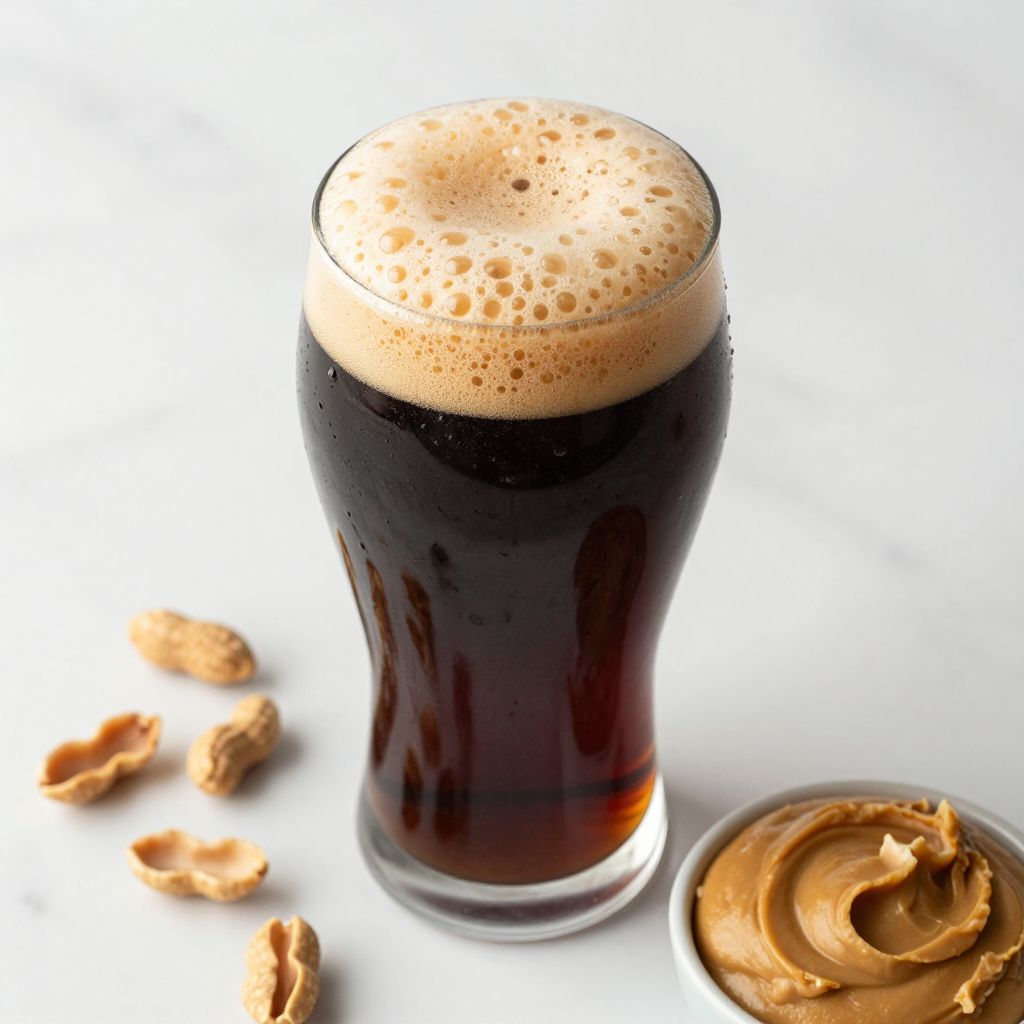
Peanut Butter Porter
Ingredients
Equipment
Method
- Sanitize all your brewing equipment.
- Heat about 3 gallons of water to 165°F (74°C) in the brewing kettle.
- Add the crushed grains into a steeping bag and submerge it in the hot water. Let it steep for about 30 minutes.
- Remove the grain bag and let it drain back into the kettle.
- Bring the liquid (wort) to a boil. Add the East Kent Goldings hops for bitterness.
- After 45 minutes, add the Fuggle hops for flavor.
- During the last 5 minutes of boiling, stir in the peanut butter until fully dissolved.
- Cool the wort quickly using an immersion chiller or an ice bath.
- Transfer the cooled wort to your fermentation vessel, pitch the yeast, and seal it with an airlock.