
There’s something magical about that first sip of matcha lemonade on a warm afternoon: the bright citrus hits first, then the earthy matcha whispers in behind it, creating a flavor combination that feels both refreshing and grounding at the same time.
This recipe delivers the best of both worlds, combining the antioxidant-rich green tea powder with tangy fresh lemon juice for a drink that tastes like a cafe creation but takes just minutes to make at home.
You’ll love how vibrant and smooth this drink turns out, the natural sweetness balanced perfectly with the brightness of lemon, and how it works just as well served ice-cold over a sunny afternoon or warm as a gentle pick-me-up.
Why You’ll Love This Recipe
This matcha lemonade strikes that rare balance between indulgent and healthy, giving you a drink you can feel good about enjoying regularly. The flavors work in perfect harmony without any bitterness or artificial tastes.
- Ready in under 5 minutes from start to finish
- Uses just five simple ingredients with no weird additives
- Naturally energizing from the matcha without a caffeine crash
- Works beautifully both hot and cold depending on your mood
- Impresses guests while being embarrassingly easy to make
My Experience Making This Recipe
I first tried matcha lemonade at a trendy juice bar and immediately wondered why I was paying eight dollars for something so simple. A week later, I whipped up my own batch at home and realized the secret wasn’t complexity at all, just quality ingredients whisked together with intention.
The transformation happens when you whisk the matcha powder properly, watching it go from a lumpy mess to a smooth, frothy jade-colored base. Once you add the cold lemon juice and water, the drink comes alive with this refreshing tartness that cuts through the matcha’s earthiness perfectly.
My roommate actually thought I’d brought it home from a cafe, which felt like a small victory. Now I make a batch every weekend because it’s genuinely cheaper, faster, and tastes better than anything I can order out.
Recipe Overview
- Recipe Name: Matcha Lemonade
- Servings: 2
- Prep Time: 5 minutes
- Cook Time: 0 minutes
- Total Time: 5 minutes
- Course: Beverage
- Cuisine: Japanese-Inspired
- Calories per Serving: 95
Equipment You Will Need
- Whisk or small wire whisk
- Small bowl or cup for matcha prep
- Large pitcher or serving glasses
- Measuring spoons and cups
- Spoon for stirring
- Knife for cutting lemon
Ingredients for Matcha Lemonade
- 2 teaspoons matcha powder
- 1/4 cup hot water (not boiling, around 160-170°F)
- 1/2 cup fresh lemon juice (about 3 medium lemons)
- 1/4 cup honey or agave syrup
- 1 1/2 cups cold water or ice water
- Ice cubes (optional, for serving)
- Lemon slices for garnish (optional)
Ingredient Notes and Substitutions
- Matcha Powder: This finely ground green tea leaf is packed with antioxidants and gives the drink its signature flavor and gorgeous green color. If you can’t find matcha, you could use green tea powder, though the flavor will be slightly less smooth and more astringent.
- Hot Water: Water that’s too hot destroys matcha’s delicate flavor and nutrients, while cold water won’t dissolve the powder properly. If you only have boiling water, let it cool for about 5 minutes before using.
- Fresh Lemon Juice: Real lemon juice makes an enormous difference here compared to bottled or concentrate versions. If fresh lemons aren’t available, use a quality bottled brand, though you’ll lose some of the brightness.
- Honey or Agave: Both work equally well for sweetness, though honey adds a subtle floral note while agave stays more neutral. You can swap in maple syrup or simple syrup if you prefer, or skip sweetener entirely if you like tartness.
- Cold Water: Spring water tastes slightly better than tap water, but regular filtered tap water works just fine. Some people use coconut water or almond milk as a creamier alternative.
How to Make Matcha Lemonade
Step 1: Sift Your Matcha Powder
Pour 2 teaspoons of matcha powder into a small bowl or directly into your whisk. Use a fine sieve or strainer to break up any clumps, which prevents lumps from forming when you add liquid.
Step 2: Heat Your Water
Warm 1/4 cup of water to about 160-170°F (you can measure this with a kitchen thermometer, or just wait until steam rises but before it boils). Water at this temperature dissolves the matcha smoothly without damaging the tea’s delicate compounds.
Step 3: Whisk the Matcha
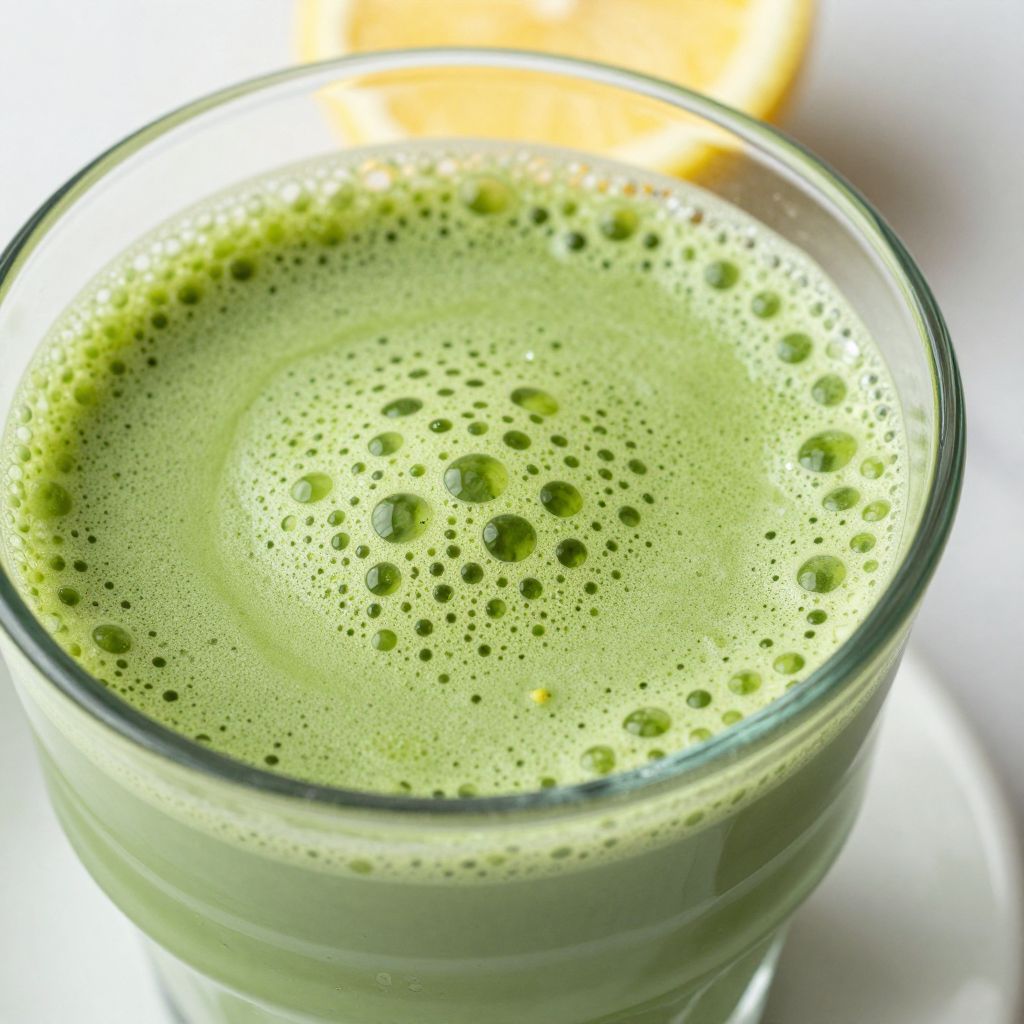
Pour the hot water into the bowl with your matcha powder and whisk vigorously for about 20-30 seconds using a back-and-forth motion. Keep whisking until the mixture turns bright green and foamy, with no visible lumps or powder particles.
Step 4: Juice Your Lemons
While the matcha is whisking, cut your fresh lemons in half and juice them using a citrus juicer or by hand. You want to end up with about 1/2 cup of fresh lemon juice, which typically comes from 3 medium lemons.
Step 5: Strain the Lemon Juice
Pour your fresh lemon juice through a fine strainer to catch any seeds or pulp. Straining ensures a smooth, clean drink without unexpected seeds crunching between your teeth.
Step 6: Combine Matcha and Sweetener
Add 1/4 cup of honey or agave syrup to your prepared matcha mixture and whisk it together thoroughly. The sweetness balances the tartness of the lemon and cuts through the earthy matcha notes perfectly.
Step 7: Add Lemon Juice
Pour the strained lemon juice into your matcha and honey mixture, stirring gently to combine. The mixture might look slightly curdled or separated, which is completely normal and doesn’t affect the taste at all.
Step 8: Chill and Serve
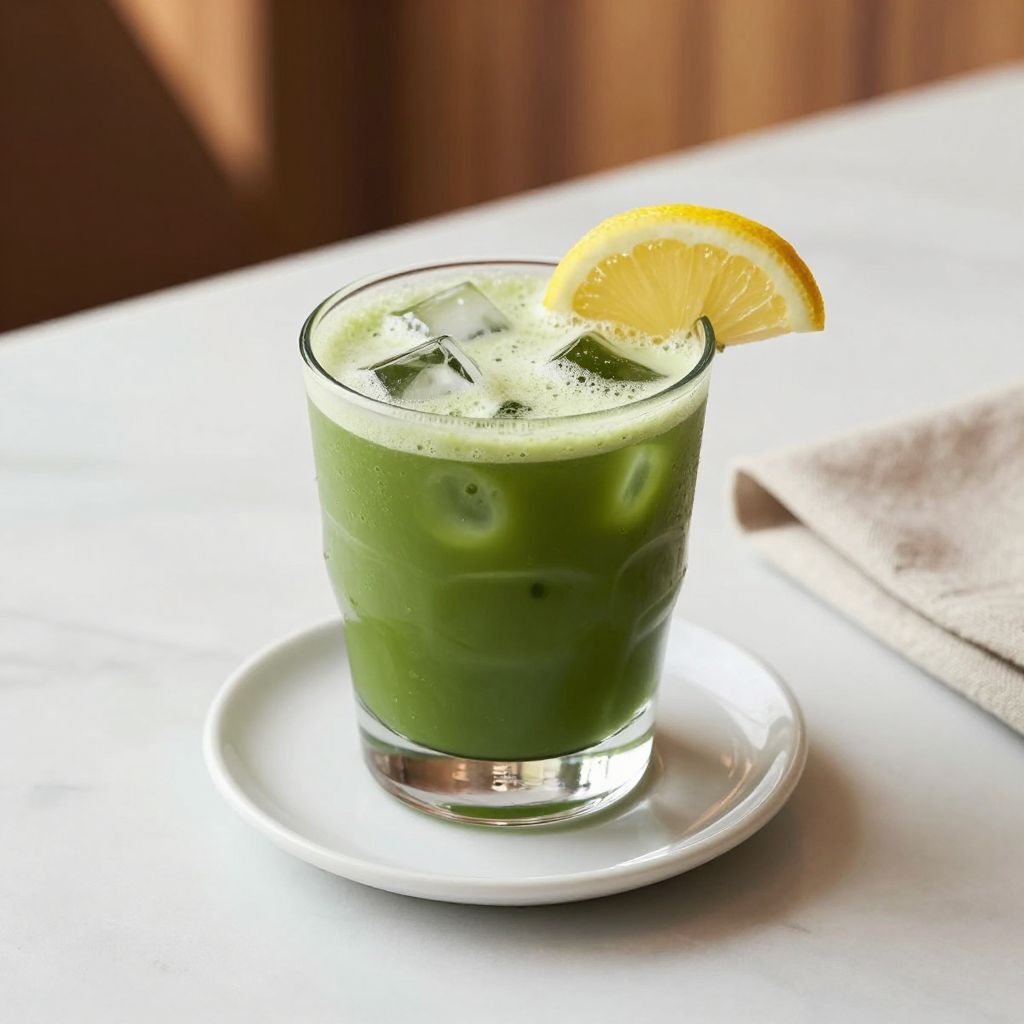
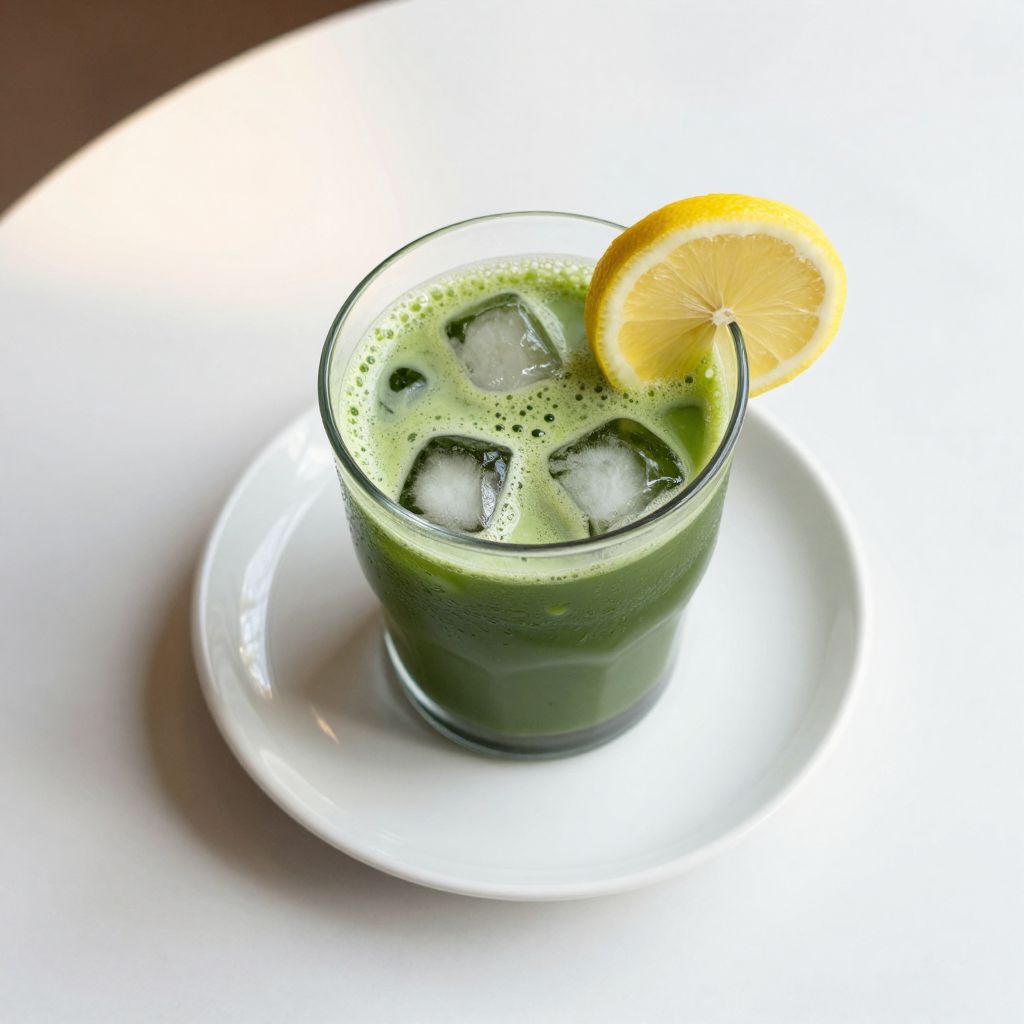
Divide the concentrate between two glasses and add 3/4 cup of cold water to each glass (or adjust to your preferred strength). Fill with ice cubes and stir well before drinking, then garnish with a lemon slice if you’re feeling fancy.
Pro Tip: The key to silky matcha lemonade is whisking the matcha powder thoroughly into hot water before adding cold ingredients; this creates that signature smooth texture instead of a grainy drink.
Tips for the Best Matcha Lemonade
- Buy ceremonial-grade matcha powder if possible, as it’s smoother and more flavorful than culinary grade. Store it in an airtight container away from light and heat to preserve its color and nutrients.
- Squeeze your lemon juice fresh rather than using bottled versions; the brightness and complexity of flavor difference is huge. Room-temperature lemons yield more juice than cold ones.
- Don’t skip the whisking step or your drink will taste gritty and disappointing. Invest in a proper matcha whisk for about ten dollars if you plan to make this regularly.
- Taste your drink before serving and adjust sweetness to your preference; some people love it more tart, others prefer it sweeter. You can always add a bit more honey or lemon juice to dial in the flavor.
- Serve this drink immediately after making it rather than storing it prepared, as the matcha’s bright green color fades and flavor flattens over time. However, you can make the lemon juice concentrate ahead and store it refrigerated for up to 3 days.
- Try adding a pinch of sea salt to enhance all the flavors and cut through any bitterness you might notice. Just 1/8 teaspoon makes a surprising difference.
Common Mistakes to Avoid
- Using water that’s too hot destroys the delicate flavor compounds in matcha and can make it taste burnt or overly bitter. Aim for gentle warmth, not boiling water.
- Not whisking the matcha properly leaves you with a grainy, unpleasant texture that coats your mouth uncomfortably. Take the 30 seconds to whisk it right.
- Using bottled or concentrate lemon juice robs the drink of brightness and complexity, making it taste flat and one-dimensional. Fresh lemon juice really matters here.
- Overloading the drink with sweetener masks the beautiful flavors you worked to highlight. Start with 1/4 cup honey and adjust up only if needed.
- Preparing the entire drink ahead of time causes the matcha to separate and the color to dull significantly. Make it fresh or prep just the base and add water when ready to serve.
Serving Suggestions
This matcha lemonade tastes wonderful on its own, but you can absolutely build a drink experience around it by pairing it thoughtfully with complementary foods and settings. The tartness and earthy notes work with both light summer fare and afternoon snacks.
- Serve alongside light pastries, scones, or almond flour cookies for an afternoon treat with Japanese-inspired flair
- Pair with a simple salad of cucumber, mint, and white beans for a complete refreshing lunch
- Offer at brunch alongside fresh fruit platters and goat cheese spreads
- Enjoy poolside on hot days with a small sandwich or hummus plate
- Serve warm (skip the ice) as an afternoon pick-me-up before evening activities or study sessions
Variations to Try
- Matcha Latte Version: Replace the cold water with 1 cup of steamed milk (dairy or non-dairy) and reduce the lemon juice to 2 tablespoons for a creamier, less tart drink. This version tastes like a lemon-forward matcha latte and works beautifully served warm.
- Sparkling Matcha Lemonade: Use sparkling water instead of still water to create a fizzy, effervescent version with extra refreshment. Add the sparkling water last to preserve the bubbles.
- Honey Vanilla Version: Add 1/2 teaspoon of vanilla extract along with the honey for a more complex, slightly sweet flavor profile. The vanilla complements both the matcha and lemon beautifully.
- Mint Matcha Lemonade: Muddle 5-6 fresh mint leaves into the matcha before adding water, or add 1/4 teaspoon of mint extract. The cooling mint plays nicely with the citrus and earthiness.
- Turmeric Golden Version: Add 1/4 teaspoon of turmeric powder and a pinch of black pepper to create an anti-inflammatory golden matcha lemonade. You’ll use slightly less lemon juice as turmeric can be earthy.
Dietary Adaptations
- Gluten-Free: Matcha powder is naturally gluten-free, and all ingredients in this recipe are naturally free from gluten, so no adaptation needed. Just verify your matcha is certified gluten-free if you have celiac disease.
- Dairy-Free: This recipe contains no dairy and is inherently vegan when made with the agave or honey as stated. All ingredients are plant-based by default.
- Vegan: Use agave syrup or maple syrup instead of honey, and the drink is completely vegan without any other changes. Both sweeteners dissolve smoothly and don’t affect the flavor negatively.
- Low-Carb/Keto: Use a keto-friendly sweetener like stevia or erythritol instead of honey, using about 2-3 tablespoons to replace the honey. The taste will be slightly different but still delicious and low in net carbs.
- Nut-Free: This recipe is naturally nut-free, though be sure your matcha powder is processed in a nut-free facility if you have a severe allergy. Check labels carefully as some brands process multiple products.
Storage and Reheating
Refrigerator
Store the lemon juice and honey mixture in an airtight container for up to 3 days. When you’re ready to drink, whisk fresh matcha with hot water and combine with your prepared base.
- Keep the concentrate separate from the matcha to prevent the matcha from separating and browning
- This method lets you make individual drinks on demand without waste
- The lemon juice actually gets slightly more mellow after a day, which some people prefer
Freezer
You can freeze the lemon juice concentrate in ice cube trays for up to 2 months for future batches. This is convenient for making quick drinks without juicing lemons each time.
- Pop out cubes and let them thaw slightly before combining with fresh matcha and water
- Don’t freeze the finished matcha lemonade as separation occurs upon thawing
Reheating
This drink is best enjoyed fresh and chilled rather than reheated, but you can warm it gently if needed. Heat it slowly on the stovetop or in the microwave without bringing it to a boil.
- Warm matcha lemonade works well as a soothing afternoon drink if you prefer it hot
- Don’t microwave for more than 30-45 seconds or you’ll lose the delicate matcha flavor
Nutrition Information
| Nutrient | Amount |
|---|---|
| Calories | 95 |
| Total Fat | 0.5g |
| Saturated Fat | 0g |
| Carbohydrates | 25g |
| Fiber | 0g |
| Sugar | 24g |
| Protein | 1g |
| Sodium | 15mg |
| Cholesterol | 0mg |
These values are approximations based on standard ingredient measurements and will vary based on exact brands and preparation methods used. If you reduce the honey or use a sugar substitute, carbohydrates and sugar content will drop significantly.
Frequently Asked Questions
Can I make matcha lemonade with matcha powder that’s been sitting in my cabinet for months?
Matcha powder loses its bright color and fresh flavor over time, especially if not stored properly in an airtight container away from light. If your matcha looks dull brown instead of vibrant green, it’s past its prime and won’t taste as good, so grabbing a fresh tin is worth it.
What’s the difference between whisking and just stirring the matcha?
Whisking incorporates air into the matcha and creates that signature silky texture and slight foam, while stirring just combines it with water without creating the proper emulsion. You’ll taste and feel the difference immediately, with whisked matcha being much smoother.
Can I make a big batch of matcha lemonade and store it for the week?
The prepared drink doesn’t keep well because the matcha will separate and brown within hours, so it’s better to make it fresh each time. You can prep the lemon juice and honey base for up to 3 days and just whisk fresh matcha when you’re ready to drink.
What should I do if my matcha lemonade tastes bitter or grassy?
Bitterness usually means your water was too hot when you whisked the matcha, or your matcha powder is old and oxidized. Grassiness can mean you used culinary-grade matcha instead of ceremonial grade, so upgrading your matcha powder will fix this.
Is matcha lemonade supposed to separate or look curdled?
A slight separation or curdled appearance is completely normal when cold lemon juice meets the matcha base and doesn’t affect the taste at all. Just stir it well before drinking and you won’t notice anything unusual.
Can I use bottled matcha lattes or matcha concentrate instead of powder?
Bottled matcha drinks already contain sweeteners and other ingredients that would make your lemonade cloyingly sweet and muddy the flavors. Stick with pure matcha powder for the clean, bright taste this recipe delivers.
How much caffeine is in matcha lemonade?
One serving of this matcha lemonade contains about 25-30mg of caffeine, roughly a third of what you’d get from a cup of coffee. The caffeine from matcha is absorbed more slowly, giving you sustained energy without a jittery spike.
Final Thoughts
Making matcha lemonade at home transforms something that feels fancy and cafe-worthy into an everyday ritual you actually have time for. Once you nail the basic technique, you’ll find yourself making this drink constantly and wondering why you ever paid cafe prices.
The combination of bright lemon, earthy matcha, and natural sweetness is genuinely addictive, and you’ll love knowing exactly what goes into every glass. Give this recipe a try this week and let me know how it turns out, I’m rooting for you.
Explore More Refreshing Recipes
If you enjoyed making this matcha lemonade, I’d love for you to explore more delicious beverage recipes on the site that will expand your homemade drink repertoire.
Check out our strawberry lemonade concentrate recipe for another fruity twist on classic lemonade, or try our Meyer lemonade recipe for a sweeter, more floral take on this beloved drink. Both pair beautifully with the matcha version and give you endless options for staying refreshed.
Matcha Lemonade
Ingredients
Equipment
Method
- Sift 2 teaspoons of matcha powder through a fine sieve into a small bowl to remove clumps.
- Heat 1/4 cup of water to about 160-170°F (approximately 2 minutes) without boiling.
- Pour the hot water into the matcha powder and whisk vigorously in a back-and-forth motion for 20-30 seconds until the mixture is bright green and frothy.
- Cut 3 medium lemons in half and juice them to yield 1/2 cup fresh lemon juice (about 3 minutes).
- Strain the lemon juice through a fine sieve to remove any seeds or pulp.
- Add 1/4 cup of honey or agave syrup to the matcha mixture and whisk until the sweetener is fully dissolved.
- Pour the strained lemon juice into the matcha-sweetener mixture and stir gently to combine.
- Divide the concentrate between two glasses, add 3/4 cup cold water or ice water to each, fill with ice cubes, stir well, and garnish with lemon slices before serving.