
That first sip of a matcha iced latte on a warm afternoon hits differently than regular coffee. The creamy sweetness combined with that grassy, slightly earthy matcha flavor creates a moment of calm that feels indulgent without the jitters.
This recipe is special because you can make it at home in under five minutes, and it tastes just as good as what you’d pay seven dollars for at a specialty coffee shop. The key is using high-quality matcha powder and whisking it properly so you get that silky texture instead of lumpy clumps.
Why You’ll Love This Recipe
This matcha iced latte delivers café-quality results without leaving your kitchen or spending a fortune. Here’s what makes it worth your time.
- Quick and simple to make with just five main ingredients
- Naturally energizing without the crash that comes from regular coffee
- Beautifully customizable to your sweetness and milk preference
- Costs a third of what you’d pay at a coffee shop
- Perfect for busy mornings, study sessions, or afternoon pick-me-ups
My Experience Making This Recipe
I first discovered matcha lattes during a trip to Japan, and I was instantly hooked. The ritual of whisking the powder into a paste before adding liquid felt meditative, and the flavor was nothing like the overly sweet matcha drinks I’d tried back home.
When I came home, I tested dozens of ratios and techniques to nail the perfect iced version. The breakthrough came when I stopped trying to shake the matcha powder in cold milk and went back to the traditional whisking method with just a little hot water first.
My friends now ask me to make these for them whenever they visit, which is honestly the highest compliment you can get in the kitchen. The best part is watching their faces when they taste how smooth and naturally sweet it is.
Recipe Overview
- Recipe Name: Matcha Iced Latte
- Servings: 1
- Prep Time: 5 minutes
- Cook Time: 0 minutes
- Total Time: 5 minutes
- Course: Beverage
- Cuisine: Japanese-Inspired
- Calories per Serving: 120
Equipment You Will Need
- Small bowl or matcha bowl (chawan)
- Matcha whisk (chasen) or small wire whisk
- Tall glass
- Spoon for stirring
- Measuring spoons
- Kettle or hot water source
Ingredients for Matcha Iced Latte
- Matcha powder: 1 teaspoon (ceremonial grade preferred)
- Hot water: 2 tablespoons (around 160-170 degrees Fahrenheit)
- Milk: 1 cup (dairy or non-dairy)
- Ice cubes: 1 cup
- Sweetener: 1 tablespoon honey, agave, or sugar syrup (optional)
Ingredient Notes and Substitutions
- Matcha powder: Ceremonial grade matcha produces a smoother, less bitter flavor than culinary grade. If you only have culinary grade on hand, reduce the amount to 3/4 teaspoon.
- Hot water: Water that’s too hot (over 175 degrees) will make the matcha taste bitter and chalky. If you don’t have a thermometer, wait about one minute after boiling before pouring.
- Milk: Whole milk creates the creamiest result, but oat milk, almond milk, or coconut milk work beautifully and add their own flavor dimensions.
- Sweetener: Honey adds complexity, while agave keeps it neutral, and simple syrup dissolves instantly in cold milk. Maple syrup creates an interesting earthy twist.
- Ice cubes: Crushed ice melts faster and waters down the drink more, so stick with regular cubes for better balance.
How to Make Matcha Iced Latte
Step 1: Measure Your Matcha
Sift the matcha powder into a small bowl to break up any clumps and aerate it. This step takes only 30 seconds but makes a huge difference in the final texture of your drink.
Step 2: Heat Water to the Right Temperature
Boil water and let it cool for about one minute so it reaches around 160-170 degrees Fahrenheit. Water that’s too hot burns the delicate matcha and creates a bitter, unpleasant taste.
Step 3: Create a Matcha Paste
Pour the hot water into the bowl with your sifted matcha and whisk vigorously for 15 to 20 seconds using a matcha whisk or small wire whisk. You’re aiming for a smooth, frothy paste with no visible lumps or streaks.
Step 4: Add Your Sweetener
Stir your chosen sweetener into the matcha paste while it’s still warm. The heat helps dissolve honey, sugar, and other solid sweeteners, so they integrate smoothly into the final drink.
Step 5: Fill Your Glass with Ice
Add ice cubes to a tall glass, filling it about three-quarters full. More ice means a colder drink, but too much ice will dilute the matcha flavor as it melts.
Step 6: Pour in Your Milk
Pour your chosen milk slowly over the ice, filling the glass almost to the top. The slow pour helps the milk and matcha mixture blend more evenly instead of settling to the bottom.
Step 7: Combine Everything Thoroughly
Pour the matcha paste into the milk and ice, then stir well with a spoon for about 10 seconds. This ensures the matcha distributes evenly throughout the drink and you get consistent flavor with every sip.
Step 8: Taste and Adjust
Take a sip and adjust sweetness if needed by adding more syrup or honey if your drink tastes too grassy. You can always add more sweetener, but you can’t remove it, so start conservative.
Pro Tip: Always whisk your matcha with hot water first before adding cold milk, instead of trying to mix it directly into cold liquid. This method prevents lumps and creates that signature silky texture.
Tips for the Best Matcha Iced Latte
- Use high-quality ceremonial grade matcha powder from a reputable source. The difference between good matcha and cheap matcha is like comparing fresh coffee beans to instant coffee.
- Chill your milk in the refrigerator before making the drink. Cold milk keeps your latte colder longer and tastes noticeably creamier.
- Whisk your matcha in a small bowl rather than directly in the glass. This gives you better control and prevents spattering.
- Store your matcha powder in an airtight container away from light and heat. Matcha oxidizes quickly when exposed to air and sunlight.
- Make matcha paste ahead of time if you’re serving multiple people. You can prepare the paste up to an hour in advance and reheat it gently with a tiny splash of water.
- Try whisking your matcha with a splash of milk instead of water for an extra creamy texture. This creates a richer base that feels more luxurious.
Common Mistakes to Avoid
- Using boiling water directly on matcha creates a bitter, chalky flavor that tastes nothing like a good matcha latte. Always let boiling water cool for one minute before whisking.
- Shaking matcha powder in cold milk without whisking first results in lumpy clumps that sit at the bottom. The whisk breaks down the powder particles so they suspend evenly in your drink.
- Using culinary grade matcha instead of ceremonial grade produces a grassy, harsh taste. Ceremonial grade costs more but tastes infinitely better in drinks.
- Adding ice before the matcha paste means the paste sinks to the bottom and doesn’t mix properly. Add ice first, then pour your milk and matcha mixture in together.
- Over-sweetening masks the delicate matcha flavor and turns your drink into a sugary mess. Start with a half tablespoon of sweetener and adjust upward.
Serving Suggestions
Your matcha iced latte pairs wonderfully with light breakfast items and afternoon snacks that complement its earthy, slightly sweet profile. Think of it as an afternoon ritual drink that deserves a moment of your full attention.
- Pair with a buttery croissant or pastry for a French-meets-Japanese breakfast vibe
- Serve alongside white chocolate or vanilla cookies for a subtle flavor contrast
- Match with light fruit like berries or peaches to add brightness without overwhelming the matcha
- Enjoy with sesame crackers or mochi for an authentically Japanese pairing
- Sip alongside a simple egg or avocado toast for a balanced mid-morning break
Variations to Try
- Vanilla Matcha Latte: Add a splash of vanilla extract to your matcha paste before combining with milk for a softer, more rounded flavor that masks any grassy notes.
- Coconut Matcha Latte: Replace regular milk with coconut milk and add a teaspoon of coconut syrup for a tropical twist that feels summery and indulgent.
- Spiced Matcha Latte: Whisk a pinch of cinnamon and cardamom into your matcha paste for warmth and complexity that feels less sweet.
- Brown Sugar Matcha Latte: Use brown sugar syrup instead of regular sweetener for a deeper, molasses-forward taste that adds richness to the matcha.
- Honey Oat Matcha Latte: Combine with oat milk and honey for an extra creamy, naturally sweet version that feels almost dessert-like.
Dietary Adaptations
- Gluten-Free: Matcha powder itself is naturally gluten-free, so this recipe is safe as written. Just verify your sweetener and any add-ins are certified gluten-free.
- Dairy-Free: Any non-dairy milk works beautifully here. Oat milk provides the closest creamy texture, while almond milk offers a lighter feel and coconut milk adds richness.
- Vegan: Use any plant-based milk and replace honey with agave syrup or maple syrup. The drink tastes just as good and honestly, most people won’t notice the difference.
- Low-Carb/Keto: Skip the sweetener entirely or use stevia and monk fruit sweetener. Matcha has minimal carbs, and unsweetened versions fit easily into low-carb lifestyles.
- Sugar-Free: Replace honey or syrup with erythritol or stevia, whisking these into the matcha paste so they dissolve smoothly without leaving an artificial aftertaste.
Storage and Reheating
Refrigerator
Your prepared matcha paste keeps in an airtight container for up to three days in the refrigerator. The paste won’t go bad, but the flavor fades over time as matcha oxidizes.
- Store in a glass container to prevent the matcha from staining plastic
- Add a tiny splash of water or milk when reheating to restore the paste consistency
- Warm gently in a small saucepan or microwave for 20 seconds before making your latte
Freezer
You can freeze matcha powder for up to six months if stored properly in an airtight container away from light. However, the flavor quality decreases over time, so use frozen matcha within two months for best results.
- Keep matcha in its original packaging inside a freezer-safe bag to prevent freezer burn
- Don’t refreeze matcha once thawed, as moisture exposure damages the powder
- Let frozen matcha return to room temperature before opening to avoid condensation
Reheating
If you’ve made your latte and it’s become too diluted from melting ice, you can’t really reheat it without changing the recipe entirely. Instead, focus on drinking it fresh or making a new one.
- Gently warm leftover matcha paste in a small saucepan over low heat, stirring constantly
- Microwave reheating works but can create hot spots, so use 20-second intervals and stir between
- Never boil matcha paste or expose it to high heat, as this burns the delicate flavor
Nutrition Information
| Nutrient | Amount |
|---|---|
| Calories | 120 |
| Total Fat | 2.5g |
| Saturated Fat | 1.5g |
| Carbohydrates | 18g |
| Fiber | 1g |
| Sugar | 12g |
| Protein | 3g |
| Sodium | 110mg |
| Cholesterol | 10mg |
Nutritional values are approximate and based on whole milk and one tablespoon of honey as sweetener. Using non-dairy milk or reducing sweetener will lower the calorie and sugar content.
Frequently Asked Questions
Can I make matcha latte with cold water instead of hot water?
No, cold water won’t dissolve the matcha powder properly and you’ll end up with a lumpy, unpleasant drink. The hot water is essential for breaking down the powder particles into a smooth suspension.
How much caffeine is in a matcha latte?
A typical matcha latte contains about 25 to 70 milligrams of caffeine depending on the amount of matcha powder used. This is significantly less than coffee, which has 95 to 200 milligrams, so matcha provides a gentler energy boost.
Can I make this recipe ahead of time?
You can prepare the matcha paste ahead and store it in the refrigerator for up to three days. However, assemble the full latte fresh when you’re ready to drink it, as the ice will melt and water down the flavor if it sits too long.
Why does my matcha taste gritty or chalky?
This happens when you use water that’s too hot, don’t whisk vigorously enough, or use low-quality culinary grade matcha instead of ceremonial grade. Make sure your water is between 160 and 170 degrees and whisk for at least 15 to 20 seconds.
Is matcha better than coffee for energy?
Matcha provides a smoother, more sustained energy without the jitters or crash that often comes from coffee. The caffeine in matcha is paired with an amino acid called L-theanine, which promotes calm focus instead of sharp alertness.
What’s the difference between ceremonial grade and culinary grade matcha?
Ceremonial grade is made from younger leaves, has a brighter color, and tastes sweeter and less bitter than culinary grade. Culinary grade is made from older leaves and has a grassier, more astringent flavor, so it’s better suited for lattes where milk can balance the intensity.
Final Thoughts
Making your own matcha iced latte at home transforms a café luxury into an affordable daily ritual you can enjoy whenever you want. The five minutes it takes to prepare this drink pays off in flavor, savings, and the quiet satisfaction of creating something beautiful in your own kitchen.
Try this recipe this week and taste the difference that quality matcha and proper technique make. You’ll never go back to those expensive coffee shop versions once you discover how simple and delicious homemade matcha can be.
Explore More Matcha Creations
Once you’ve mastered this classic matcha iced latte, discover other exciting ways to enjoy this versatile ingredient. Explore recipes that push the boundaries of traditional matcha drinks and find new favorites.
Try making a Starbucks lavender matcha recipe to add floral notes to your matcha experience. For something fruity and refreshing, the strawberry matcha recipe combines sweet berries with earthy matcha in a combination that feels both surprising and perfectly balanced.
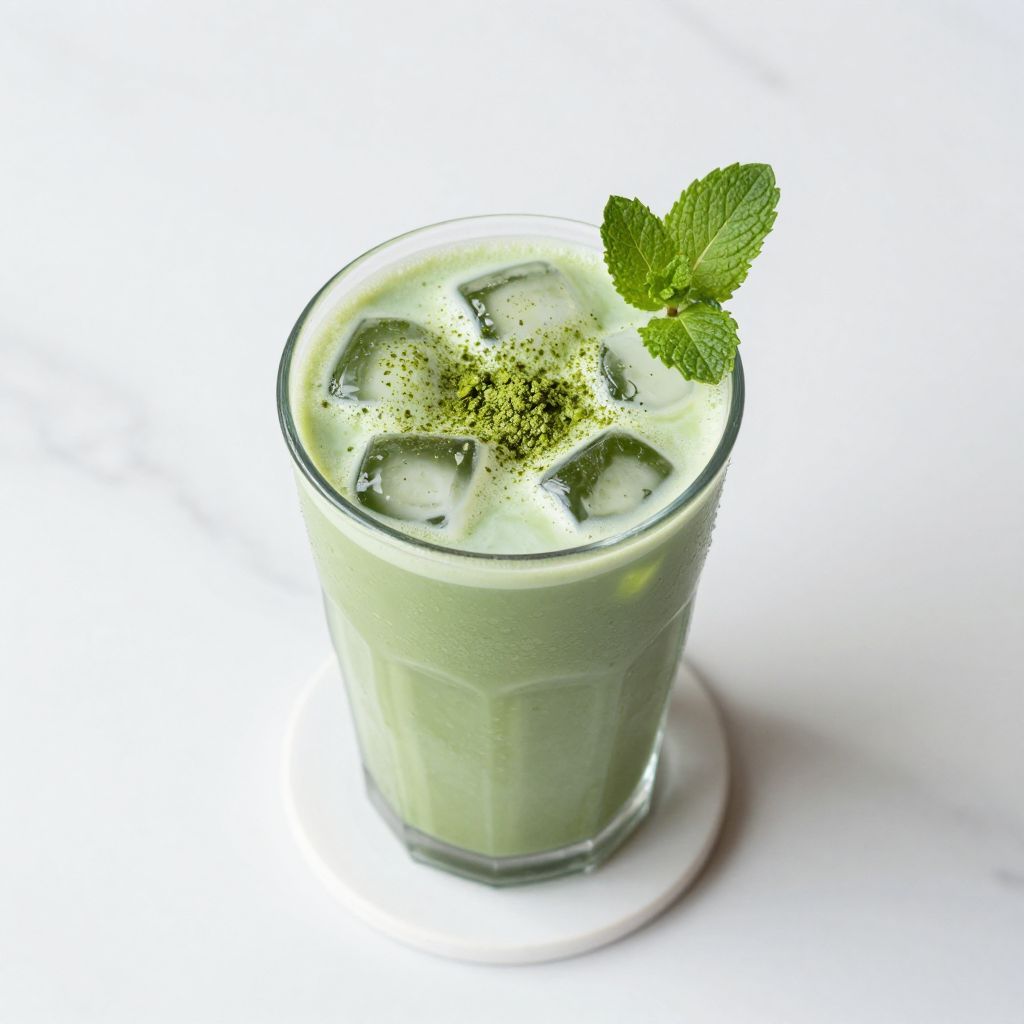
Matcha Iced Latte
Ingredients
Equipment
Method
- Sift the matcha powder into a small bowl for about 30 seconds to break up clumps and aerate.
- Boil water, let it cool for one minute until it reaches 160-170°F.
- Pour 2 tablespoons of hot water into the bowl with matcha and whisk vigorously for 15 to 20 seconds until smooth and frothy.
- Stir in sweetener of choice while the matcha paste is still warm to dissolve evenly.
- Fill a tall glass three-quarters full with 1 cup of ice cubes.
- Slowly pour 1 cup of milk over the ice to keep the latte cold and creamy.
- Pour the matcha paste into the milk and ice, then stir well for about 10 seconds to combine thoroughly.
- Taste and adjust sweetness as needed, adding more syrup or honey if the flavor is too grassy.