
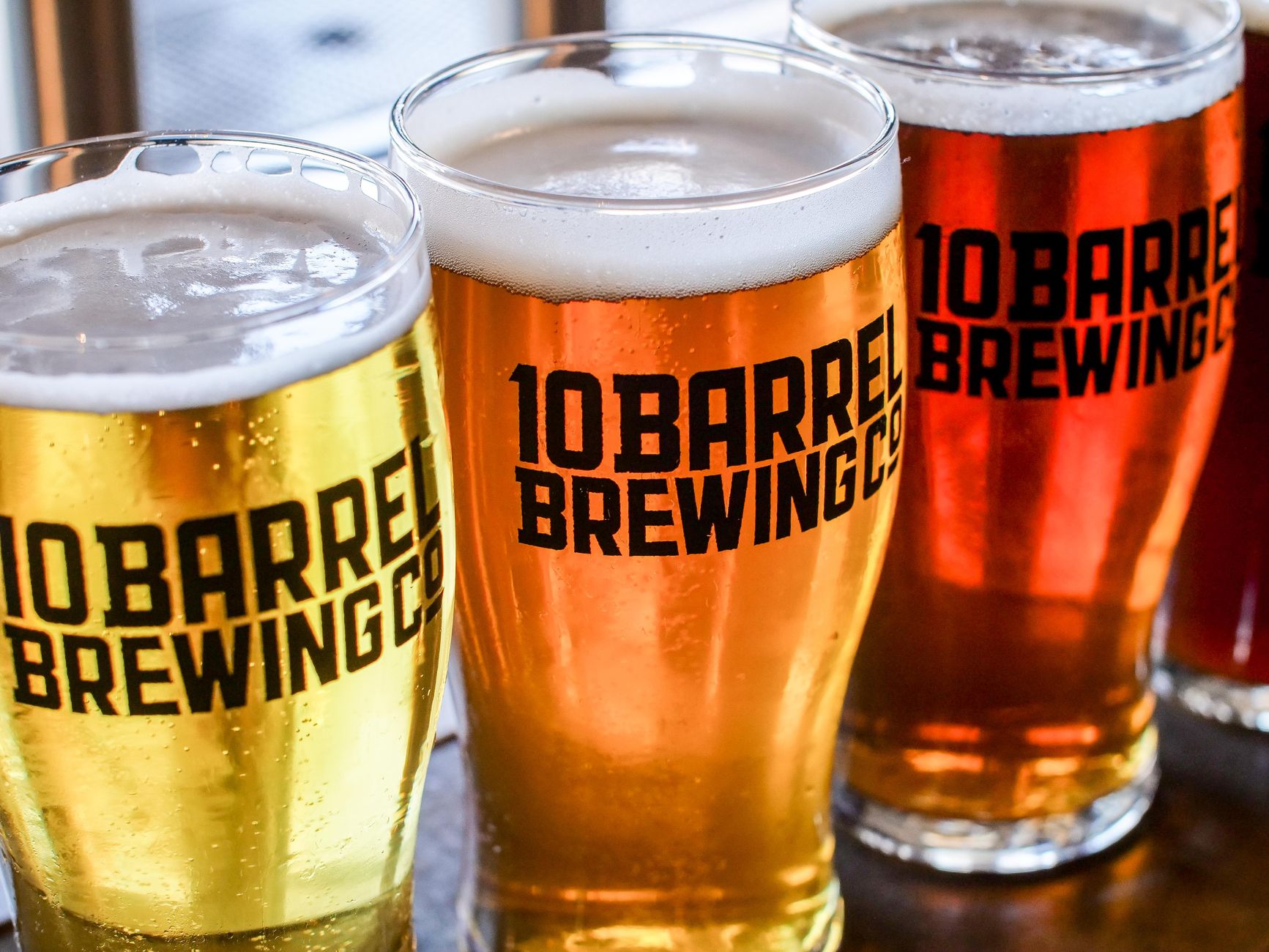
When it comes to beer, many enthusiasts appreciate its rich flavors, aromas, and varying styles. However, one question often arises: Is there water in beer? Understanding the basic components of beer is essential not only for enjoyment but also for those aiming to brew their own. Water plays a crucial role in beer-making, and its significance goes beyond mere hydration.
This article explores the importance of water in beer production, its chemical composition, and how different types of water can affect the flavor and quality of beer. Additionally, we’ll delve into practical tips for understanding and selecting beers based on their water composition.
Is There Water In Beer?
Yes, water is a major ingredient in beer, typically making up about 90-95% of the final product. The type of water used can significantly influence the taste, mouthfeel, and overall character of the beer. Understanding the role of water in beer not only enriches the drinking experience but also empowers homebrewers to create unique brews.
The Role of Water in Brewing Beer
Water is often referred to as the “hidden ingredient” in beer, despite its predominant presence. It serves multiple essential functions, including:
- Dilution: Water acts as a solvent for extracting flavors from malt and hops during the brewing process.
- Fermentation: Acting as a medium, water aids in the fermentation process where yeast converts sugars into alcohol.
- Temperature Control: Water is used for temperature adjustments during mashing and cooling, crucial factors in determining the beer’s final product.
- Mineral Content: Depending on the source, water can contain various minerals that add character to the beer.
Types of Water Used in Beer
Different brewing regions have unique water profiles due to their source. Key water types include:
- Spring Water: Often preferred by brewers, spring water is naturally filtered and can have a balanced mineral content.
- Mineral Water: Contains a higher concentration of dissolved minerals, which can enhance flavors but may also overpower delicate beer styles if used improperly.
- Tap Water: Commonly used by homebrewers, tap water can vary widely in quality and mineral content, making it essential to test and adjust before brewing.
- Deionized Water: Water stripped of all minerals, allowing brewers to control mineral additions precisely, which can be advantageous for specialized recipes.
The Chemistry Behind Beer Water
The mineral content of water can have profound implications for the final taste of beer. Important minerals include:
- Calcium: Promotes yeast health and contributes to flavor stability.
- Magnesium: Adds bitterness and assists in enzyme activity.
- Sulfates: Enhance the bitterness of hoppy beers, making them more pronounced.
- Chlorides: Provide a smooth mouthfeel and enhance the perception of malt flavors.
- Bicarbonates: Help balance acidity, necessary for certain beer styles like stouts and porters.
How Water Affects Beer Flavor
The specific mineral characteristics of water can significantly impact beer’s flavor profile. For instance:
- Soft Water: Generally low in mineral content, soft water is ideal for lagers and lighter beers where delicate flavors need to shine.
- Hard Water: With higher mineral content, it can enhance the bitterness in IPAs and stouts, contributing to a bolder flavor experience.
Homebrewers should consider their local water and how it relates to the beer styles they want to create. Adjusting water chemistry through various mineral additions can lead to exciting results.
Practical Tips for Brewing with Water
For those interested in brewing beer, understanding water chemistry is fundamental. Here are some practical tips:
- Test Your Water: Invest in a water testing kit to know your water’s mineral content. This information is vital for making adjustments.
- Adjust Water Chemistry: Use brewing salts such as gypsum (calcium sulfate) or calcium chloride to tweak flavor profiles according to beer styles.
- Consider pH Levels: The ideal mash pH is between 5.2 and 5.6, which affects enzyme activity and ultimately the flavor of the beer.
- Replicate Historical Styles: If brewing traditional styles, research historical water profiles from renowned brewing regions like Burton-on-Trent or Pilsen for authenticity.
Common Mistakes in Water Selection
Here are some common pitfalls that novice brewers might encounter when it comes to water:
- Ignoring Water Source: Assuming tap water is suitable without testing can lead to undesirable flavors, especially if chlorine or other chemicals are present.
- Over-Mineralization: Adding too many minerals can drown out delicate flavors, particularly in lighter styles.
- Not Monitoring pH: Failing to check pH can hinder the mashing process, affecting sugar extraction and, ultimately, alcohol content.
Choosing the Right Beer: Understanding Water Profiles
When selecting beer, being aware of the water profiles associated with different styles can enhance your experience. Here’s a simple guide:
- Lagers: Typically brewed with softer water, low in minerals, to prioritize clean, crisp flavors.
- Ales: May utilize slightly harder water, emphasizing a broader range of flavors, from malt to hop characteristics.
- IPAs and Stouts: Harder water often enhances the boldness of these beers, making hop bitterness and roasted flavors more pronounced.
Water and Beer Pairings
Just as food and beer pairings can elevate a meal, understanding water considerations can enhance your tasting experience. Consider the following:
- Complementary Flavors: Match the water profile with food flavor intensity—for instance, a hoppy IPA with spicy dishes or a smooth lager with light appetizers.
- Contrast Flavors: Pairing a malty stout with rich desserts can provide a delightful contrast, accentuating both the food and beer characteristics.
Making Beer at Home: Adjusting Water for Success
For those looking to brew beer at home, adjusting water chemistry is crucial. Here’s a simple outline to guide you through:
- Start by testing your water to understand its mineral content.
- Decide on the style of beer you want to brew and research its corresponding water profile.
- Make any necessary adjustments using brewing salts or distilled water as a base.
- Monitor the pH during the mashing process and make in-flight corrections if needed.
- Document your process to refine your techniques in future brews.
Exploring Beers with Unique Water Sources
As a craft beer enthusiast, exploring beers from various regions can provide insights into how local water sources impact flavor. Here are notable breweries known for their unique water profiles:
- Samuel Adams (Boston, USA): Uses a blend of local spring water and purified water to create a balanced profile.
- Guinness (Dublin, Ireland): Famous for their stouts, utilizing the soft water from the River Liffey.
- Bitburger (Germany): Source their water from the Eifel region, resulting in classic German beer flavors.
Conclusion
Water is a fundamental yet often overlooked component of beer. With around 90-95% water in your brew, its mineral content can dramatically alter the beer’s taste, mouthfeel, and overall quality. For both casual drinkers and aspiring brewers, an understanding of how water ties into beer production and flavor can enhance the enjoyment of this beloved beverage.
As you explore the wide world of beer, consider trying different styles that emphasize various water profiles. The perfect pint awaits, just one decision away.
For more insights into beverages, check out our guides on vodka water recipes and brewing saison. Explore delicious options that align with your culinary adventures!