
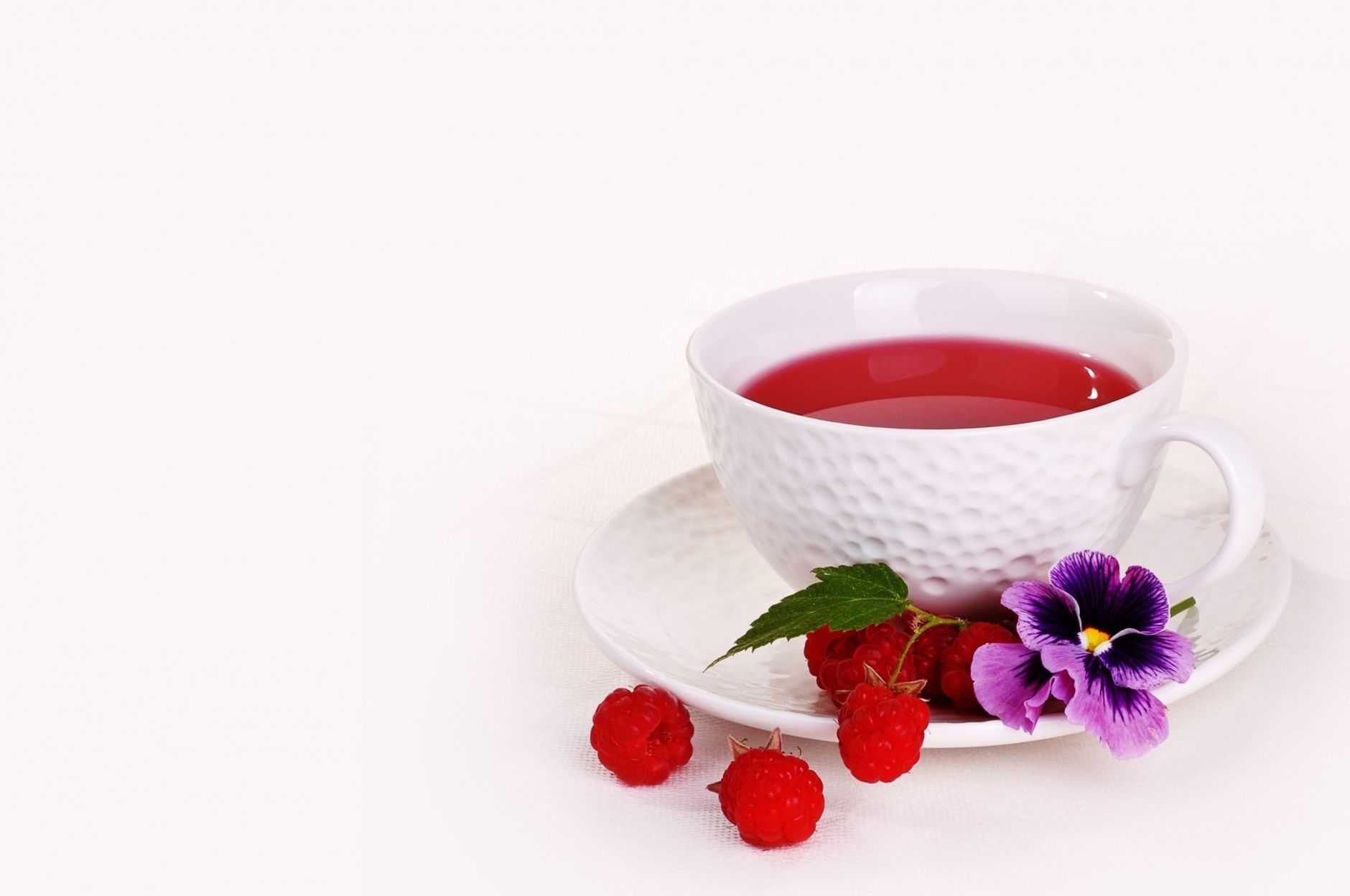
Raspberry tea, often made from the leaves or fruits of the raspberry plant, has gained popularity among expecting mothers. Many women seek natural remedies to support their pregnancy while considering safety and benefits. This article explores whether raspberry tea is indeed good for pregnancy, examining its potential effects, safe consumption practices, and ways to incorporate it into your diet.
We’ll delve into the history of raspberry tea, its nutritional value, possible benefits, and any precautions that pregnant women should take. Understanding these aspects will help you make informed decisions regarding this herbal tea during pregnancy.
Is Raspberry Tea Good For Pregnancy?
Raspberry tea can be good for pregnancy when consumed in moderation, particularly when made from raspberry leaves. The tea is believed to support uterine health, potentially easing labor and delivery. However, it is essential to consult with a healthcare provider before incorporating it into your routine.
What Is Raspberry Tea?
Raspberry tea comes primarily from two sources: raspberry leaves and raspberry fruit. While fruit tea is generally enjoyed for its flavor, raspberry leaf tea is more commonly associated with health benefits during pregnancy.
Raspberry Leaf Tea
Raspberry leaf tea is made from the dried leaves of the red raspberry plant (Rubus idaeus). This tea has been used traditionally in herbal medicine for various purposes, especially for women’s health. The leaves are rich in vitamins and minerals such as vitamin C, vitamin E, iron, and magnesium.
Raspberry Fruit Tea
Raspberry fruit tea is prepared using the ripe berries, which are often dried and blended into a tea. This type of tea is flavorful and packed with antioxidants but is less commonly linked to pregnancy-supporting benefits than raspberry leaf tea.
Nutritional Benefits of Raspberry Tea
Raspberry tea offers several nutritional benefits that are particularly advantageous during pregnancy:
- Rich in Antioxidants: Both raspberry leaves and fruits contain a high amount of antioxidants, which can help combat oxidative stress.
- Harmonic Uterine Support: Raspberry leaf tea has been traditionally believed to tone the muscles of the uterus, preparing it for labor.
- Support for Nausea: The pleasant flavors in raspberry fruit tea may help soothe nausea, a common symptom during early pregnancy.
- Hydration: As a tea, it contributes to daily hydration needs, which is vital during pregnancy.
Potential Benefits of Raspberry Leaf Tea During Pregnancy
Raspberry leaf tea is often lauded for its potential benefits in pregnancy, especially in the later stages. Here’s a closer look:
Toning the Uterus
One of the main benefits attributed to raspberry leaf tea is its ability to tone and strengthen the uterus. This is thought to make contractions more effective during labor.
Shortening Labor Duration
Some studies suggest that raspberry leaf tea may help shorten the duration of labor. Although further research is needed, anecdotal evidence from many women supports this claim.
Reducing Labor Pain
Women often report less pain during labor when they have consumed raspberry leaf tea. The muscle-toning properties may contribute to a more manageable experience.
Potential for Reducing Nausea
While more research is needed, the pleasant flavor profile of raspberry tea could help in alleviating nausea, especially during the early months of pregnancy.
Precautions When Drinking Raspberry Tea During Pregnancy
While raspberry tea is generally considered safe, there are a few important precautions to keep in mind:
Consult Your Healthcare Provider
Always speak to your doctor or midwife before integrating raspberry tea into your pregnancy diet. They can provide personalized advice based on your health history.
Moderation Is Key
Consuming raspberry tea in moderation is important. Excessive intake might lead to unexpected uterine contractions, specifically during early pregnancy.
Potential Allergies
Make sure to monitor for any allergic reactions if you have never consumed raspberry tea before. Discontinue use immediately if you experience adverse effects.
Avoid Before the Third Trimester
It is typically recommended to avoid raspberry leaf tea until the second or third trimester. The concerns about uterine contractions make it wise to tread carefully during the early stages of pregnancy.
How to Prepare Raspberry Leaf Tea
If you decide to try raspberry leaf tea, here’s a simple preparation method:
Ingredients:
- 1-2 teaspoons of dried raspberry leaves
- 1 cup of boiling water
Preparation Steps:
- Place the dried raspberry leaves in a tea infuser or directly in a cup.
- Pour boiling water over the leaves.
- Cover and steep for about 10-15 minutes.
- Strain the tea to remove leaves, if not using an infuser.
- Add honey or lemon (optional) for flavor.
- Enjoy warm or chilled as you prefer.
Variations and Flavors
You can enhance the flavor of raspberry leaf tea or experiment with it by mixing in other herbal teas:
Herbal Combinations
- Mint: Adding peppermint can bring a refreshing note to the tea.
- Ginger: Fresh ginger can not only enhance flavor but also may alleviate nausea.
- Lemon Balm: This herb complements raspberry tea well and can add a soothing effect.
Storage and Shelf Life
Proper storage of dried raspberry leaves is crucial for maintaining quality:
- Store dried leaves in an airtight container away from light, moisture, and heat.
- The shelf life is typically about 1-2 years if stored correctly.
Common Mistakes to Avoid
When preparing or consuming raspberry tea, be mindful of these common pitfalls:
- Not Straining: Failing to strain the leaves can lead to a bitter taste and unwanted texture.
- Excessive Sweetening: Overdoing the honey or sugar can mask the tea’s natural flavors.
- Ignoring Symptoms: Discontinue use and consult your doctor if you experience any unusual symptoms after consuming raspberry tea.
Other Uses of Raspberry Tea
Raspberry tea can also be enjoyed in various forms beyond just hot tea:
- Iced Tea: Brew a larger batch, cool it, and serve over ice for a refreshing beverage, especially great during the warmer months.
- Smoothie Base: Use cooled raspberry tea as a liquid base for smoothies, blending it with yogurt and fresh fruits.
- Flavoring Desserts: Consider incorporating raspberry tea into baked goods or desserts for an added burst of flavor.
Conclusion
Raspberry tea, particularly raspberry leaf tea, holds promise for pregnant women looking for natural support. While it boasts potential benefits like toning the uterus and possibly easing labor, caution and moderation are crucial. Consulting a healthcare provider is the best way to address any personal concerns or health issues during pregnancy. If you feel inspired to incorporate raspberry tea safely into your routine, remember to enjoy it thoughtfully.
For related recipes and further exploration of delicious options, check out our raspberry leaf tea recipe or learn how to enjoy a nutritious date smoothie during pregnancy.