
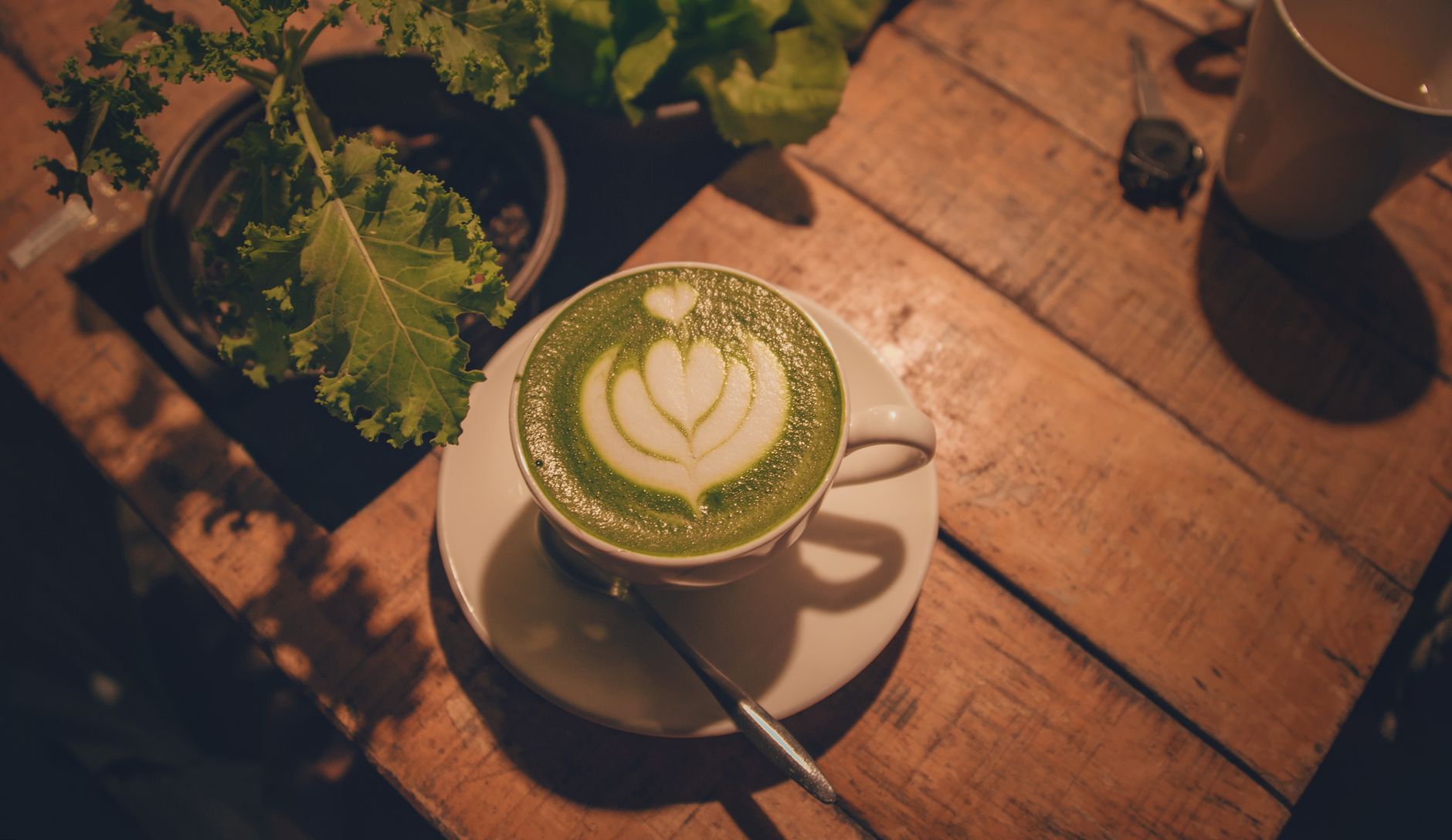
Matcha, a finely ground green tea from Japan, has gained popularity for its vibrant color, unique flavor, and potential health benefits. Its distinct preparation and characteristics set it apart from traditional green tea, making it a favorite among tea enthusiasts and culinary creatives alike.
This article delves into the various aspects of matcha, answering the question of whether it’s good for you, exploring its nutritional benefits, and providing guidance on how to incorporate matcha into your diet. If you are curious about this superfood, you are in the right place.
Is Matcha Good For You?
Yes, matcha can be good for you if consumed in moderation. It is packed with antioxidants, vitamins, and minerals that may provide various health benefits. However, individual responses to matcha can vary, so it is wise to consider personal health circumstances.
Understanding Matcha: What Is It?
Matcha is a type of powdered green tea made from shade-grown tea leaves. After harvest, leaves are steamed, dried, and then ground into a fine powder. This method preserves more nutrients compared to traditional tea brewing since you consume the whole leaf rather than just steeping it.
Matcha’s unique preparation process and the cultivar used can significantly influence its flavor and health properties. The most common type of matcha used in the culinary world is ceremonial matcha, which is bright green and prized for its delicate flavor and fine texture.
Health Benefits of Matcha
Matcha is often lauded for its numerous health benefits, which stem largely from its rich nutrient profile:
- High in Antioxidants: Matcha is known for its high content of catechins, particularly EGCG (epigallocatechin gallate), which can help combat free radicals in the body.
- Boosts Metabolism: Some studies suggest that matcha can enhance metabolic rates, aiding in weight management.
- Enhances Mood and Focus: The presence of L-theanine, an amino acid, in matcha may promote relaxation while enhancing focus and attention, making it a perfect choice for studying or creative endeavors.
- Supports Heart Health: Regular green tea consumption, including matcha, is linked to a reduced risk of heart disease.
- Promotes Detoxification: The chlorophyll in matcha is said to help detoxify the body by removing heavy metals and toxins.
Whether You Should Drink Matcha Daily
While there are several health benefits associated with matcha, it is essential to consume it in moderation. For most people, enjoying 1-2 servings of matcha daily is considered safe. However, the caffeine content in matcha—approximately 70 mg per cup—should be taken into account, especially for those sensitive to caffeine.
How to Incorporate Matcha into Your Diet
There are numerous ways to enjoy matcha beyond traditional tea drinking. Below are practical suggestions to include matcha in various meals and beverages:
1. Matcha Latte
Creating a matcha latte is simple and provides a creamy, satisfying beverage option. This drink typically consists of matcha powder, hot water, and your choice of milk (dairy or non-dairy).
Ingredients:
- 1 teaspoon matcha powder
- 2 ounces hot water (not boiling)
- 1 cup milk of choice (almond, oat, or dairy)
- Sweetener to taste (optional)
Instructions:
- In a small bowl, whisk the matcha powder with hot water using a bamboo whisk (chasen) or a frother until no lumps remain.
- Heat your chosen milk in a saucepan or microwave (avoid boiling).
- Combine the whisked matcha with the warm milk, adjusting sweetness as desired, and enjoy!
2. Baking with Matcha
Matcha can also be used in baking. Its earthy flavor complements sweet dishes beautifully, and its vibrant green hue adds visual appeal.
Matcha Cookies Recipe
These soft cookies have a delightful flavor and beautiful color, perfect for a tea party or casual gathering.
Ingredients:
- 1 cup all-purpose flour
- 1 tablespoon matcha powder
- 1/2 teaspoon baking powder
- 1/4 teaspoon salt
- 1/2 cup unsalted butter, softened
- 1/2 cup granulated sugar
- 1/4 cup brown sugar
- 1 large egg
- 1 teaspoon vanilla extract
Instructions:
- Preheat your oven to 350°F (175°C). Line a baking sheet with parchment paper.
- In a bowl, whisk together the flour, matcha powder, baking powder, and salt.
- In another large bowl, cream the butter, granulated sugar, and brown sugar together. Add the egg and vanilla, mixing well.
- Gradually stir the dry ingredients into the wet mixture until combined.
- Scoop tablespoon-sized amounts of dough onto your prepared baking sheet, spacing them at least 2 inches apart.
- Bake for 10-12 minutes until edges are set but centers are soft. Allow them to cool for a few minutes on the baking sheet before transferring to a wire rack to cool completely.
3. Breakfast Influenced by Matcha
Consider adding matcha to your morning smoothie or oatmeal. Both options are versatile and allow for easy incorporation of healthy greens into your breakfast.
Matcha Smoothie Recipe
Ingredients:
- 1 teaspoon matcha powder
- 1 banana, frozen for a creamier texture
- 1 cup spinach (optional for added nutrients)
- 1 cup almond milk (or any milk of choice)
- 1 tablespoon nut butter (optional)
Instructions:
- Add all ingredients into a blender and blend until smooth.
- Taste and adjust with sweetener if needed.
- Pour into a glass and enjoy your nutrient-packed breakfast!
Common Questions About Matcha
Can You Drink Matcha on an Empty Stomach?
It is generally not advised to consume matcha on an empty stomach. The caffeine and acidity might cause discomfort for some people. Pairing it with food can enhance digestion and reduce any potential jitters.
How to Store Matcha Properly
To maintain its flavor and freshness, store matcha in an airtight container in a cool, dark place. Refrigeration can extend its shelf life, but it’s important to bring it back to room temperature before opening to prevent condensation.
Does Cooking with Matcha Destroy Its Nutritional Benefits?
While high temperatures can degrade some nutrients, using matcha in baking or cooking generally retains many of its health benefits. However, steaming matcha-based beverages or using it in no-bake recipes may enhance its nutritional value.
Potential Downsides of Matcha
Despite its numerous benefits, there are also a few considerations regarding matcha consumption:
- Caffeine Sensitivity: If you are sensitive to caffeine, be mindful of the amount of matcha you consume. Excessive caffeine can lead to jitteriness, insomnia, or rapid heart rate.
- Heavy Metal Contamination: Because matcha is made from the entire tea leaf, it can concentrate heavy metals present in soil. Opt for high-quality, organic matcha brands to mitigate this risk.
- Cost: High-quality matcha can be more expensive than traditional tea. Being mindful of budget while exploring various brands is essential.
Popular Types of Matcha
While matcha can be categorized predominantly into two types—ceremonial and culinary—understanding their differences can help in purchasing and usage decisions:
- Culinary Matcha: This is often lower in quality than ceremonial matcha but suitable for cooking and baking. It has a stronger flavor profile and a more affordable price point.
- Ceremonial Matcha: This premium matcha is meant for traditional tea ceremonies. It is made from younger leaves, resulting in a delicate, sweet flavor and vibrant color. It’s typically more expensive and intended for drinking on its own.
Final Thoughts
In summary, matcha offers a range of health benefits and versatile culinary uses, making it a popular ingredient in many dishes. Understanding its properties, potential downsides, and various preparations can help you make informed choices about incorporating matcha into your diet. Whether enjoyed as a tea, in baked goods, or blended into smoothies, matcha can definitely add a nutritious and flavorful boost to your meals.
To further explore matcha, consider trying a vanilla matcha latte recipe or infuse sweet floral notes into your drinks with a honey lavender latte recipe. Both are great introductions to enjoying matcha in delightful and creative ways.