
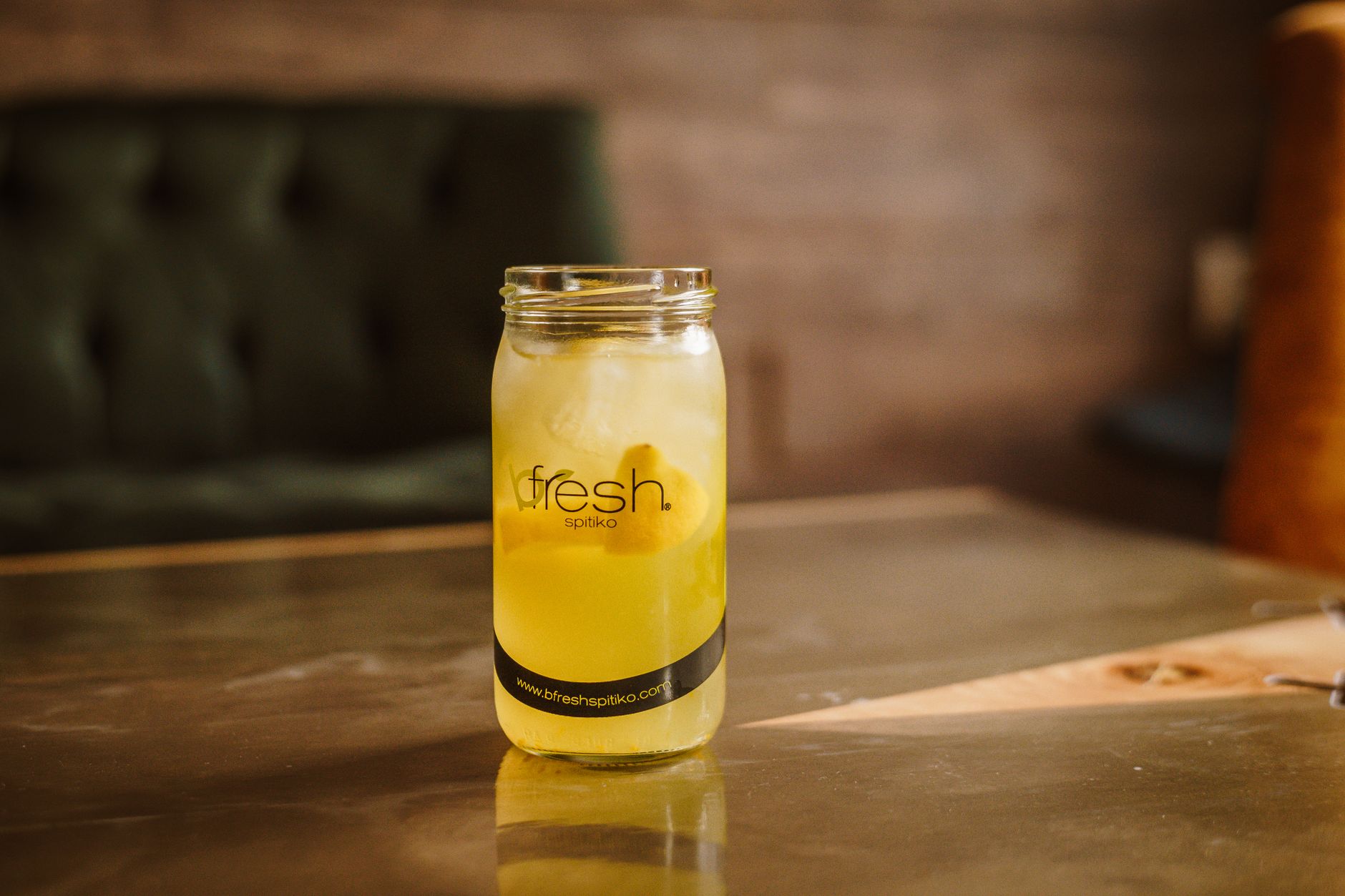
Lemonade is a refreshing beverage that’s a staple at summer gatherings and picnics. Sudden urges for this tangy drink lead many to ponder its appearance, particularly whether it is a clear liquid. This article will explore the clarity of lemonade, its composition, how it is made, and various contexts in which it can be enjoyed.
We will also delve into the details of making lemonade, including its ingredients, variations, and practical tips for achieving an appealing and refreshing drink. Understanding the way lemonade looks and tastes can enhance your beverage experience.
Is Lemonade A Clear Liquid?
Lemonade is typically not considered a clear liquid. While it can appear somewhat translucent, its color can vary from pale yellow to off-white, depending on the recipe and the presence of additional ingredients like sugar or flavorings. Clear liquids are usually those that one can see through directly, while lemonade’s cloudy appearance indicates the presence of suspended particles, such as lemon pulp and sugar.
The Composition of Lemonade
Lemonade is traditionally made from three basic components: lemon juice, water, and sugar. The combination creates a drink that is both refreshing and thirst-quenching. Here’s a breakdown of each ingredient:
- Lemon Juice: Freshly squeezed lemon juice contributes the tart flavor that characterizes lemonade. It also contains pulp, which can make the drink appear less clear.
- Water: This ingredient provides the liquid base of the lemonade, helping to dilute the acidity of the lemon juice.
- Sugar: Whether using granulated sugar, honey, or another sweetener, sugar balances out the sourness of the lemon juice. It can also slightly cloud the drink’s appearance.
Making Traditional Lemonade
Creating lemonade at home is simple and requires minimal ingredients. Below, you will find a detailed recipe along with essential tips for a great homemade beverage.
Recipe for Classic Lemonade
This classic lemonade recipe serves about 4-6 people and takes roughly 15 minutes of prep time.
- Ingredients:
- 1 cup freshly squeezed lemon juice (about 4-6 lemons)
- 1 cup granulated sugar
- 4 cups cold water
- Ice cubes, for serving
- Optional: Fresh mint leaves or lemon slices for garnish
Essential Equipment
- Juicer or reamer
- Measuring cups
- Pitcher
- Stirring spoon
- Ice cube tray (optional)
Instructions
- Juice the lemons until you have one cup of lemon juice. Strain it through a fine-mesh sieve to remove pulp and seeds if desired.
- In a separate pitcher, combine the sugar and lemon juice, stirring until the sugar is completely dissolved.
- Add the cold water to the mixture, ensuring it is well combined. Taste and adjust sweetness by adding more sugar if needed.
- Serve the lemonade over ice, garnished with mint leaves or lemon slices as aesthetic touches.
Variations of Lemonade
There are numerous variations of lemonade that cater to different flavor preferences or dietary needs. Here are a few popular examples:
- Pink Lemonade: This version is made by adding raspberry or strawberry puree to the traditional lemonade, giving it a pink hue and sweet, fruity flavor.
- Herbal Lemonade: Infusing lemonade with herbs, such as rosemary or basil, can create unique flavor combinations. Steep the herbs in the water prior to mixing with lemon juice and sugar.
- Spiced Lemonade: Adding spices like ginger or cinnamon can give your lemonade an unexpected kick. Ginger can be added as a fresh juice or as a simple syrup.
- Sparkling Lemonade: Replacing still water with sparkling water can transform regular lemonade into a fizzy drink, enhancing its refreshing qualities.
Tips and Tricks for Perfect Lemonade
Making lemonade might seem straightforward, but several factors can influence the final product. Here are some practical tips:
- Always use fresh lemons for the best flavor. Bottled lemon juice lacks the freshness and acidity of freshly squeezed juice.
- Adjusting the sugar level is a matter of personal preference. Start with the amount listed and add more if you prefer a sweeter drink.
- For a refreshing twist, consider adding fruit slices or even berries into the pitcher for added flavor and decoration.
- Chill your water and ingredients beforehand to create a cooler drink without diluting it with excessive ice.
Common Mistakes When Making Lemonade
As with any recipe, certain mistakes can lead to less-than-ideal results. Here are a few common pitfalls to avoid:
- Using bottled lemon juice can impact flavor—opt for fresh-squeezed whenever possible.
- Not straining the lemon juice can leave pulp and seeds in your final drink, which may not be desirable.
- Failing to properly dissolve the sugar in lemon juice before adding water can lead to uneven sweetness.
- Using too much ice while mixing can dilute the lemonade, especially if serving immediately. Consider chilling the components instead.
Storage and Reheating Guidance
Lemonade can be made ahead of time and stored for enjoyment later. Follow these storage tips:
- Store unused lemonade in an airtight container in the refrigerator for up to 5 days.
- If the lemonade appears cloudy after being stored, give it a good stir before serving to redistribute the ingredients.
- Avoid freezing lemonade for future use, as it may alter the texture and flavor once thawed.
The Health Aspect of Lemonade
While lemonade can be a refreshing treat, it does contain sugar, which should be consumed in moderation. Here are some aspects to consider:
- Lemonade provides Vitamin C, which can boost immunity and help with skin health. However, it can also be high in sugar, so balance is key.
- For a healthier option, reduce the amount of sugar or substitute with natural sweeteners like honey or agave syrup.
Other Ways to Enjoy Lemons
Lemons are a versatile fruit that extend beyond lemonade. Their bright flavor can enhance many dishes. Explore the following ideas:
- Lemonade Stand: Engage children or community members to set up a lemonade stand during the summer for fun and a bit of entrepreneurship.
- Flavoring Agents: Use lemon zest and juice in marinades, dressings, and desserts to brighten flavors and provide acidity.
- Soups and Sauces: Adding lemon juice or zest to soups or sauces can heighten flavors and create a lighter taste.
Cultural Significance of Lemonade
Lemonade is enjoyed worldwide and subject to numerous interpretations. In some cultures, it is an everyday drink, while in others, it is a refreshing treat reserved for special occasions.
- Regions such as the Mediterranean are known for their lemon-heavy drinks; in Egypt, for instance, a spiced version known as “karkade” is popular.
- Lemonade stands in the United States connote summer fun and childhood, often associated with the launch of young entrepreneurs.
Conclusion
In conclusion, while lemonade is not a clear liquid, its vibrant hues and refreshing taste make it a favorite beverage for warm days. By understanding the nuances of its ingredients, variations, and preparation, you can craft a lemonade that satisfies your palate perfectly. To experience new flavors and creations, consider trying out our lemonade recipes linked above.
For more beverages and food tips, explore our easy lemonade recipe or check out our guide on making single-serve lemonade for a quick and delicious drink option.