
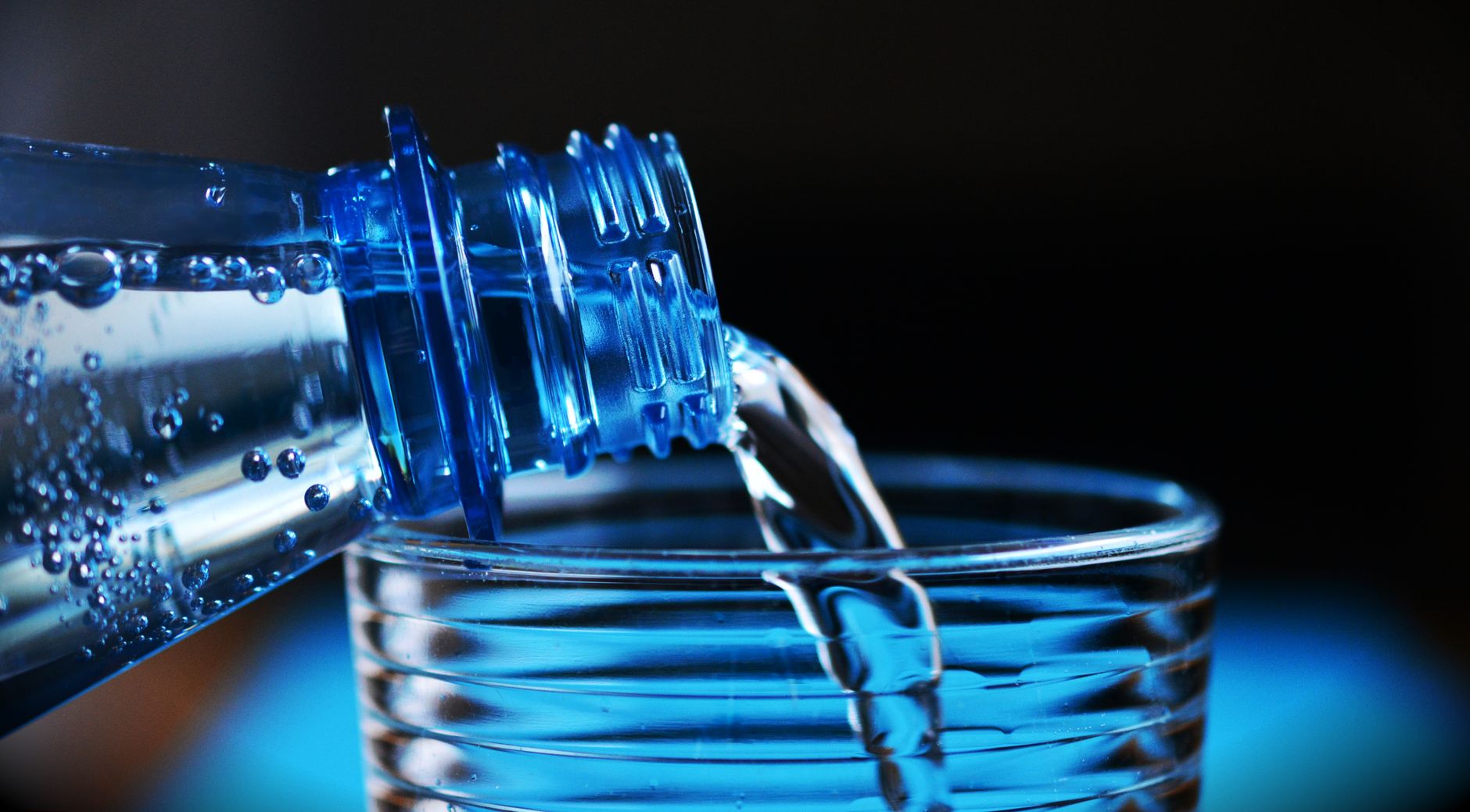
Lacroix has become a popular beverage choice for many looking to cut back on sugary sodas and artificial sweeteners. This sparkling water, made from carbonated water and natural flavors, has a significant fan base due to its refreshing taste and calorie-free appeal. However, some consumers are left wondering, is Lacroix bad for you?
In this article, we will explore the ingredients of Lacroix, evaluate its health claims, discuss potential concerns, and offer helpful tips for incorporating sparkling water into your diet.
Is Lacroix Bad For You?
Lacroix is generally considered safe for consumption and a healthier alternative to sugary sodas. However, like any beverage, moderation is key. Concerns often arise from its acidity and the ingredients used in flavored varieties. Understanding these factors can help you make informed choices about your sparkling water intake.
What Are the Ingredients in Lacroix?
To determine if Lacroix is a healthy choice, it is essential to know its ingredients:
- Carbonated Water: This is the primary ingredient in Lacroix, providing the signature fizziness.
- Natural Flavors: These come from various sources, including fruits and herbs, giving Lacroix its unique taste without the need for added sugars or artificial sweeteners.
- Citric Acid: Some flavors of Lacroix contain citric acid, a common food additive that adds tartness and acts as a preservative.
Health Benefits of Lacroix
There are several potential benefits to drinking Lacroix instead of traditional sodas:
- Calorie-Free: Lacroix is a zero-calorie beverage, making it suitable for those looking to reduce caloric intake.
- No Sugar or Artificial Sweeteners: Unlike many sodas that contain sugar or artificial sweeteners, Lacroix offers a seltzer option that is free from these ingredients.
- Hydration: Carbonated water can contribute to your daily fluid intake, helping you stay hydrated throughout the day.
Potential Concerns with Lacroix
Despite its benefits, there are some concerns associated with Lacroix consumption:
Acidity
One of the primary concerns regarding sparkling water, including Lacroix, is its acidity. The carbonation process releases carbonic acid, which can diminish the pH of the beverage. This acidity might contribute to dental erosion over time if consumed in large amounts.
To mitigate potential damage to your teeth, consider these tips:
- Avoid sipping on sparkling water throughout the day to limit acid exposure.
- Drink through a straw to minimize contact with teeth.
- Rinse your mouth with water after consuming sparkling water.
Sodium Content
While most Lacroix flavors are sodium-free, some flavored sparkling waters may contain small amounts of sodium. If you are on a sodium-restricted diet or have high blood pressure, check the labels to ensure you are not unintentionally increasing your sodium intake.
Possible Allergens
Lacroix uses natural flavors, which can be derived from a variety of sources. Although rare, some individuals might have sensitivities to specific natural flavors. If you have known allergies or food intolerances, always read ingredient lists carefully.
Comparing Lacroix to Other Beverages
When considering whether Lacroix is bad for you, it’s helpful to compare it to other beverage options:
Lacroix vs. Sugary Sodas
Regular sodas can be high in sugar and calories, contributing to weight gain, diabetes, and dental issues. In contrast, Lacroix offers the fizz without the extra calories and sugar.
Lacroix vs. Juice and Sweetened Beverages
Juices and sweetened teas can also be high in sugar. Even 100% fruit juices can contain a substantial amount of natural sugars. Lacroix provides a calorie-free alternative with no added sugar, making it a better choice for those seeking to manage their sugar intake.
Tips for Enjoying Lacroix in Your Diet
If you enjoy the taste of Lacroix, here are some practical suggestions for incorporating it into your daily routine:
- Mix It Up: Use Lacroix as a mixer in cocktails or mocktails for a refreshing, bubbly alternative.
- Infuse Your Water: Add a splash of Lacroix to your still water for added flavor and fizz.
- Pair with Meals: Serve Lacroix with meals to add a refreshing touch without the calories of conventional sodas.
Hydration and Sparkling Water
One common question is whether sparkling water can fully replace regular water for hydration. The answer varies based on individual preferences and tolerances. While sparkling water contributes to your total fluid intake, some people may find that the carbonation can lead to bloating or gas, which should be considered if you are sensitive.
It’s still crucial to consume plain water throughout the day to ensure adequate hydration. A mix of sparkling and still water can be an enjoyable approach for many.
Storage and Shelf Life of Lacroix
Proper storage can help maintain the freshness of your Lacroix. Here’s how:
- Store in a Cool, Dry Place: Keep Lacroix in a pantry or cupboard, away from direct sunlight and heat sources.
- Check Expiration Dates: While unopened cans have a long shelf life, check the expiration date to ensure optimal taste.
- Use Cans Thoughtfully: Once opened, sparkling water is best consumed within a few days to retain its fizziness.
Conclusion
In summary, Lacroix is generally a safe and health-conscious beverage choice for most people. Its calorie-free fizz makes it an excellent substitute for sugary sodas, and when consumed in moderation, it poses minimal risks. However, be mindful of potential acidity and individual sensitivities. For enhanced enjoyment, consider integrating Lacroix into recipes or as a refreshing drink option alongside meals.
Explore more about hydration, how to create delicious sparkling water concoctions, or dive into other refreshing beverage options to complement your lifestyle.