
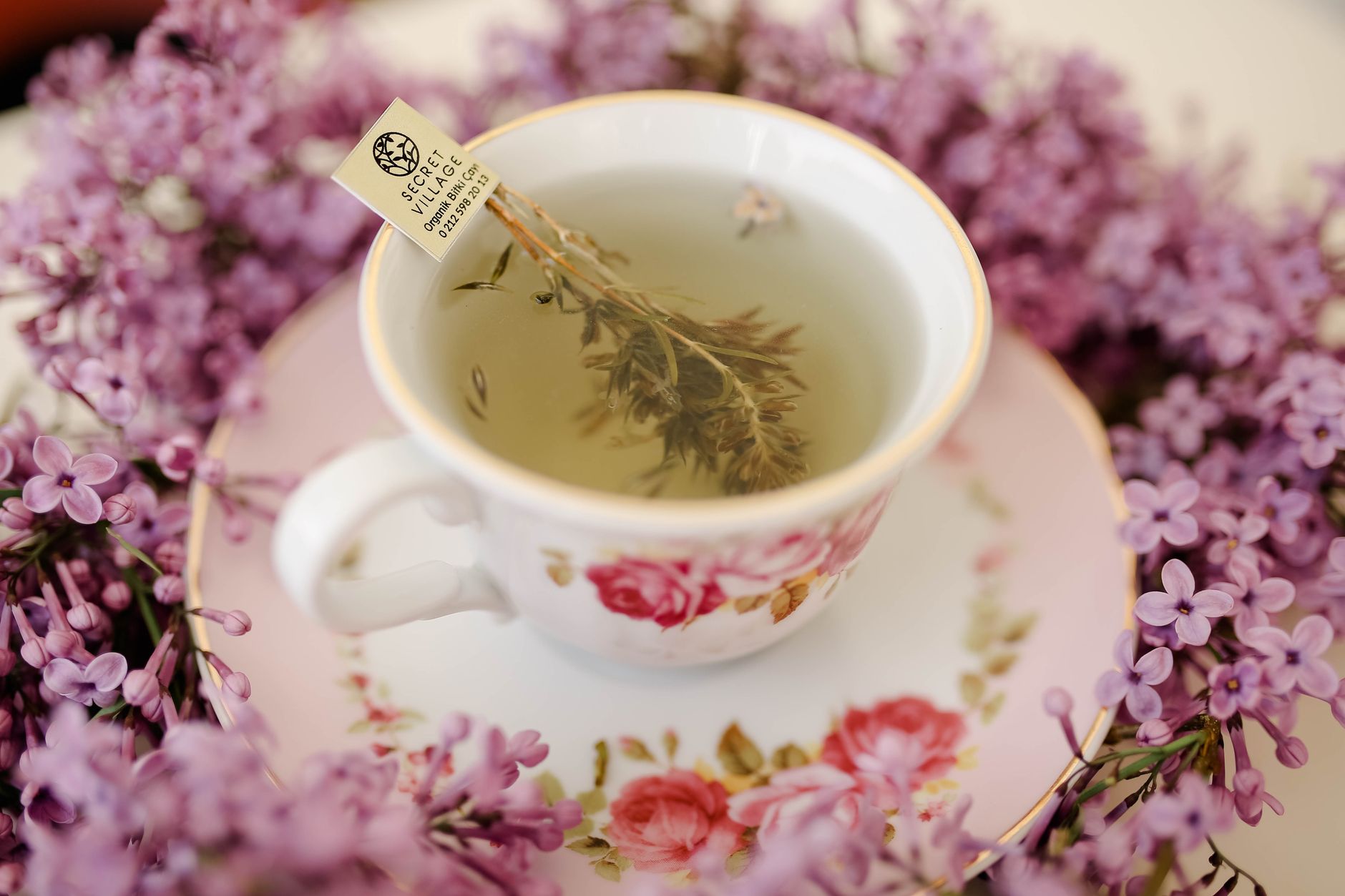
Tea leaves are often brewed to create flavorful and aromatic beverages but can also be consumed directly. While drinking whole tea leaves is generally safe for most people, there are some considerations regarding flavor, texture, and potential health benefits. This article explores whether it’s okay to drink tea leaves and provides insights into safety, benefits, and tips for doing so.
Many tea enthusiasts find drinking whole leaves rewarding, enjoying the richer taste and nutritional benefits they can provide. This guide delves into various aspects of consuming tea leaves, from safety concerns to preparation methods, to help you make an informed choice.
Is It Okay To Drink Tea Leaves?
Yes, it is generally safe to drink tea leaves, especially if they are of high quality and sourced from reputable suppliers. Drinking whole tea leaves can enhance the flavor and offer additional health benefits, but it is crucial to consider potential taste and texture challenges. This article will help you understand how to enjoy tea leaves safely and deliciously.
The Basics of Tea Leaves
Tea leaves come from the Camellia sinensis plant. The leaves are processed in several ways to create varieties like green, black, oolong, and white tea. Each type has unique flavors, aromas, and health benefits associated with it.
When discussing the potential benefits of tea leaves, it is essential to differentiate between brewed tea and unbrewed leaves. Brewed tea provides an infusion of flavor and benefits, while the whole leaves offer their own distinct qualities, including the incorporation of beneficial compounds that may not fully transfer during brewing.
Safety Considerations
While most tea leaves are safe to consume, consider the following safety tips before integrating them into your diet:
- Quality of Tea: Always choose high-quality tea leaves from reputable sources. Lower-quality leaves may contain contaminants or additives that could be harmful.
- Allergies and Sensitivities: If you have known allergies to specific plants or have sensitivities, check the ingredients of tea blends before consumption.
- Moderation: Drinking tea leaves should be done in moderation, particularly if they contain caffeine, which can lead to side effects like insomnia or jitteriness in excess.
Potential Benefits of Drinking Tea Leaves
Consuming whole tea leaves may provide various health benefits, much like drinking brewed tea. Here are some of the potential benefits associated with tea leaves:
1. Higher Antioxidant Content
Whole tea leaves contain a higher concentration of antioxidants, such as catechins and polyphenols. These compounds help combat oxidative stress in the body and may reduce the risk of chronic diseases.
2. Enhanced Nutritional Profile
Whole tea leaves retain all their nutrients, including vitamins, minerals, and amino acids. By consuming them directly, you can harvest more of these benefits compared to brewed tea.
3. Increased Fiber Intake
Tea leaves are a source of dietary fiber, which can promote digestive health, aid in weight management, and enhance overall wellbeing.
4. Improved Hydration
Consuming tea leaves contributes to your fluid intake, helping to keep your body hydrated. Proper hydration is essential for maintaining health and preventing various ailments.
How to Prepare and Enjoy Tea Leaves
If you’re interested in drinking tea leaves, there are several ways to prepare them to enhance your experience:
1. DIY Tea Blends
Create your own blends using whole leaves from different types of tea. Combining flavors can yield a unique drinking experience that highlights the best qualities of each variety.
2. Whole Leaf Tea Infusion
Instead of brewing tea using a tea bag or infuser, consider using whole leaves. This approach allows more room for the leaves to expand, releasing their full flavor. The general guideline is to use about 1 tablespoon of whole tea leaves for every 8 ounces of water.
3. Tea Leaf Smoothies
For a nutritional boost, consider adding finely crushed tea leaves to smoothies. They blend well with fruits and vegetables, adding flavor and nutrients to your drink.
4. Cooking with Tea Leaves
Incorporate tea leaves into various recipes for added flavor. Great options include seasoning rice dishes, sprucing up stir-fries, or creating unique sauces.
Common Mistakes When Drinking Tea Leaves
Many tea drinkers make some common mistakes when consuming whole leaves. Here’s how to avoid them:
1. Using Too Many Leaves
Using excessive amounts of tea leaves can lead to a bitter taste and overpowering flavor. Start with smaller amounts and adjust according to your preference.
2. Neglecting Water Quality
The quality of water used to brew tea is just as significant as the leaves. Always use filtered or fresh spring water for the best results.
3. Not Waiting Long Enough
Allowing tea leaves to steep ensures you extract the maximum flavor and benefits. Follow recommended steeping times, usually ranging from 2 to 5 minutes, depending on the type of tea.
4. Skipping Caffeine Consideration
Be mindful of caffeine content, especially if you’re sensitive to it. Consuming whole leaves may heighten your caffeine intake compared to traditional brewed tea.
Tips for Drinking Tea Leaves
To maximize your whole tea leaf experience, consider applying the following tips:
- Experiment with Flavors: Try mixing different types of tea leaves to discover unique flavor combinations.
- Use a Grinder: For smaller leaves, consider using a tea grinder or mortar and pestle to break them down for easier consumption.
- Pairing Foods: Explore pairing whole tea leaves with various foods to complement their flavors. For example, pair green tea leaves with citrus fruits or smoky black tea leaves with grilled meats.
- Stay Informed: Research the health benefits of the specific tea varieties you consume to better understand their unique properties.
Serving Suggestions
When serving tea leaves, consider these ideas:
1. Infused Beverages
Mix whole tea leaves with other ingredients, such as fresh herbs, fruits, or spices, to create an infused beverage that elevates the flavor profile.
2. Garnish for Dishes
Add whole leaves as a garnish for dishes like soups, salads, or rice, enriching both the aesthetic and taste.
3. Unique Sweets
Incorporate ground tea leaves into dessert recipes like cookies, cakes, or ice cream to add a subtle tea flavor and intriguing presentation.
Storing Tea Leaves
Proper storage of tea leaves ensures they maintain their flavor and freshness over time. Here are some guidelines:
- Keep it Cool: Store tea leaves in a cool, dark place to prevent exposure to heat and sunlight, which can degrade their quality.
- Airtight Containers: Use airtight containers made of glass or dark-colored materials to minimize exposure to air and moisture.
- Label and Date: Label your containers with the tea variety and storage date to keep track of freshness.
Health Considerations
While drinking tea leaves can provide various health benefits, it is essential to remember the following:
1. Caffeine Content
Depending on the type of tea, the caffeine content can vary significantly. Be mindful of how much you consume, especially if you’re sensitive to caffeine.
2. Potential Herb-Drug Interactions
Some tea leaves may interact with prescription medications or exacerbate health conditions. Always consult with a healthcare provider if you’re unsure.
3. Pregnancy and Breastfeeding
Pregnant or breastfeeding individuals should consult with healthcare providers about safe tea consumption, as certain tea varieties may not be recommended.
Conclusion
Drinking tea leaves can be a flavorful and healthful addition to your diet, provided it is done mindfully. Understanding the safety, benefits, and preparation methods will enhance your experience and enjoyment. If you’re looking to broaden your tea repertoire, don’t hesitate to experiment with tea leaves in various forms.
Explore these other resources for more related culinary delights: try making cardamom tea or delve into the floral notes of calendula tea.