
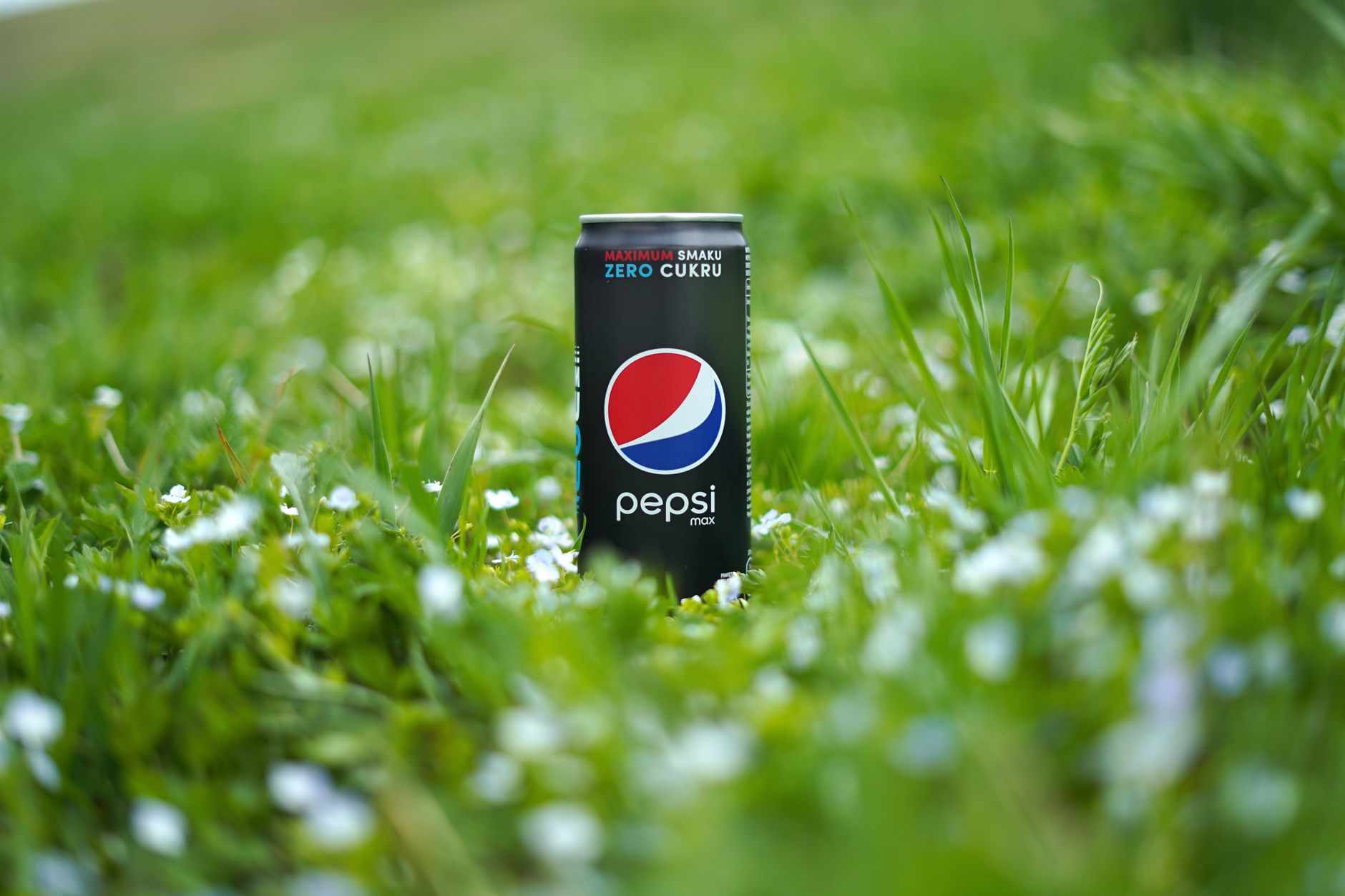
Diet Pepsi, a popular sugar-free cola beverage, is a favored choice for those looking to enjoy a sweet-fizzy drink without the calories typically found in regular sodas. However, questions about its health implications have caused concern among consumers. This article explores the ingredients in Diet Pepsi, their potential effects on health, and how it fits into a balanced diet.
As more people become health-conscious, understanding whether beverages like Diet Pepsi are beneficial or detrimental to health is essential. We will delve into nutritional aspects, scientific opinions, and practical advice for those considering their beverage choices.
Is Diet Pepsi Bad For You?
Diet Pepsi is not inherently bad for you, but its health implications depend on individual circumstances and consumption patterns. While it offers a low-calorie alternative to regular soda, the presence of artificial sweeteners and other additives raises concerns about potential long-term health effects.
Understanding Diet Pepsi: Ingredients and Their Roles
Diet Pepsi contains a blend of ingredients designed to provide flavor, sweetness, and carbonation without calories. Here’s a closer look at these ingredients and their functions:
- Carbonated Water: The primary ingredient, providing the refreshing fizz that many people enjoy.
- Caramel Color: This gives Diet Pepsi its dark hue, made from heating sugar. While generally considered safe, there are debates about potential contaminants formed during this process.
- Phosphoric Acid: This ingredient adds acidity and enhances flavor. It may impact bone health when consumed excessively.
- Caffeine: A natural stimulant that adds a slightly bitter flavor while providing an energy boost.
- Artificial Sweeteners (Aspartame and/or Acesulfame Potassium): Used to impart sweetness without calories. Their safety has been debated, leading to varying opinions on health effects.
- Natural Flavors: Proprietary combinations used to enhance the beverage’s taste.
- Preservatives: Ingredients like potassium benzoate help maintain freshness and prevent spoilage.
Potential Health Effects of Diet Pepsi Ingredients
Understanding the potential health effects of each ingredient helps clarify whether Diet Pepsi can be part of a healthy diet.
Artificial Sweeteners
Diet Pepsi’s main allure arises from its use of artificial sweeteners. Despite being approved by various health authorities, there are ongoing debates about their long-term health effects. Some key points include:
- Aspartame: Commonly linked to headaches and allergic reactions in sensitive individuals. While most reviews deem it safe, excessive consumption may have negative impacts.
- Acesulfame Potassium: Another approved sweetener with studies suggesting a potential link to cancer in animal models. More research is necessary to validate these claims in humans.
Bone Health
The phosphoric acid in Diet Pepsi has raised concerns regarding its effects on bone health. Research has suggested that high consumption of cola beverages may lead to lower bone density, particularly in women. Moderation is key, as excessive phosphoric acid intake can lead to imbalances in calcium levels.
Caffeine Content
The caffeine found in Diet Pepsi can affect individuals differently. While it may enhance alertness, excessive caffeine intake may lead to anxiety, sleep disturbances, and increased heart rate. Individuals sensitive to caffeine should monitor their intake.
Weight Management and Metabolism
One of the alluring reasons people opt for Diet Pepsi is its calorie-free nature. However, research has drawn mixed conclusions regarding the impact of artificial sweeteners on weight management:
- Cravings and Appetite: Some studies indicate that artificial sweeteners may lead to increased cravings and appetite for sweets, potentially resulting in overeating.
- Metabolic Impacts: There are concerns that artificial sweeteners could disrupt metabolism, affecting how our bodies process glucose. However, conclusive evidence is still lacking.
Diet Pepsi and Dental Health
Diet Pepsi, like all sodas, is acidic. Frequent exposure to acidic beverages can erode tooth enamel, leading to dental issues. While it does not contain sugar, its acidity can be harmful over time. To mitigate potential damage to dental health:
- Drink in moderation.
- Use a straw to minimize contact with teeth.
- Rinse your mouth with water after consumption.
Social and Psychological Factors
For many individuals, the choice of Diet Pepsi is also influenced by social factors and preferences. Identifying these aspects can help contextualize its role in a balanced lifestyle.
Enjoyment and Social Interaction
Many enjoy Diet Pepsi as a social beverage, often associated with gatherings and celebrations. The psychological enjoyment of a familiar flavor can contribute positively to mental health.
Perceptions of Healthiness
Drinking Diet Pepsi can sometimes give individuals a false sense of healthiness. This perception may lead to compensatory eating behaviors elsewhere in their diet. Understanding the overall contribution of the beverage to an individual’s diet is crucial.
Balancing Choices: How to Incorporate Diet Pepsi in a Healthy Diet
For those who enjoy Diet Pepsi but are mindful of its potential health effects, moderation is key. Here are some practical tips for incorporating it into a balanced diet:
- Limit Consumption: Enjoy Diet Pepsi sparingly rather than daily. Consider it an occasional treat rather than a regular beverage choice.
- Hydrate with Water: Prioritize water as your main source of hydration. Use Diet Pepsi as an occasional alternative rather than a replacement for hydrating beverages.
- Listen to Your Body: Pay attention to how your body reacts after consuming Diet Pepsi. If you notice adverse effects, consider reducing your intake.
Alternatives to Diet Pepsi
If you’re contemplating switching away from Diet Pepsi, several options can satisfy your cravings without the same concerns. Consider these alternatives:
- Sparkling Water: A refreshing option without added sugars or artificial ingredients. You can add slices of fruit for flavor.
- Homemade Iced Tea: Brewed tea can serve as a low-calorie, flavorful alternative. Brew and chill your favorite tea varieties and sweeten them lightly if desired.
- Coconut Water: Naturally sweet and hydrating, coconut water offers a refreshing twist with electrolytes.
Conclusions and Personal Takeaways
Diet Pepsi does not pose a universal health risk, but its suitability varies among individuals based on personal health conditions, dietary patterns, and consumption habits. Moderation plays a critical role in whether it can fit into a healthy lifestyle.
Ultimately, understanding the ingredients, health implications, and balancing choices empowers individuals to make informed decisions about their beverage consumption. Paying close attention to how the body reacts to Diet Pepsi and considering alternatives when necessary contributes to overall well-being.
By being mindful of diet choices and staying informed about the components of popular beverages, individuals can better navigate their health journeys. If you’re interested in exploring more topics related to healthy drinks or meal planning, check out our guides for delicious smoothies, hydration tips, and nutrient-rich recipes.