
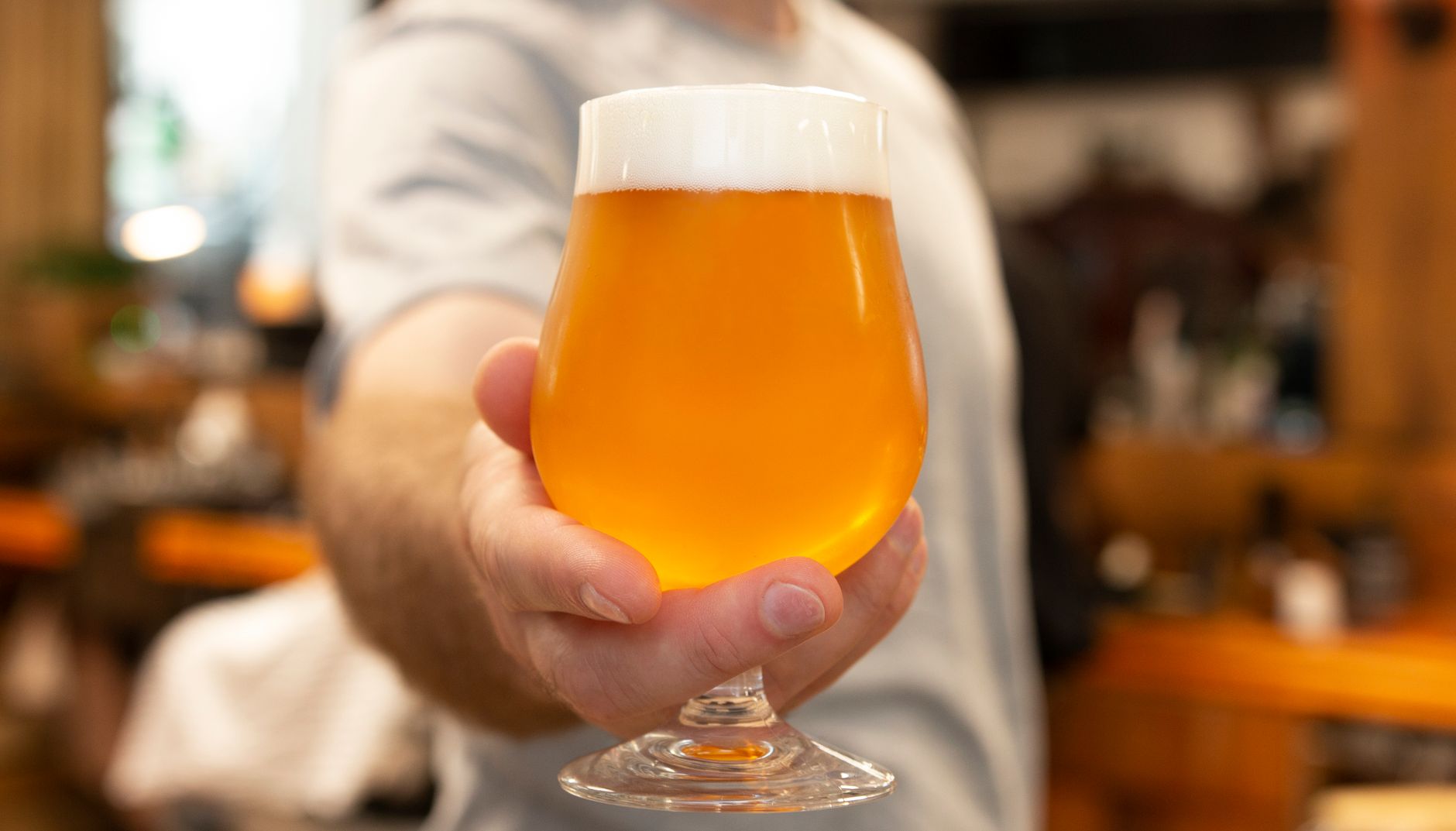
Beer is one of the most widely consumed alcoholic beverages in the world, but what exactly classifies it? A common question arises: is beer a malt beverage? The answer is yes, beer is indeed a malt beverage, grounded in the fermentation of malted grains, primarily barley. Understanding this classification provides insight into the brewing process and the beer varieties that exist.
This article will explore the characteristics of malt beverages, the brewing process behind beer, types of beer, and how beer is enjoyed globally. If you’ve ever been curious about the relationship between malt and beer, this guide will be a valuable resource.
What are Malt Beverages?
Malt beverages are alcoholic drinks made from fermented grains. The key components of malt beverages include malted grains, water, yeast, and often hops. The malting process involves soaking grains in water, allowing them to germinate, and then drying them, which enhances their enzymatic activity. This process results in the creation of sugars, which the yeast consumes during fermentation, producing alcohol and carbon dioxide.
Other common examples of malt beverages include malt liquor and certain flavored malt beverages. In addition to beer, these drinks also contain malted grain as their primary ingredient.
Beer: A Detailed Overview
Beer, as defined as a malt beverage, comes in numerous styles and flavors, influenced by the types of grains, hops, yeast, and brewing techniques used. Here’s an in-depth look at what constitutes beer.
The Brewing Process
The brewing of beer can be broken down into several key steps:
-
Malt Preparation
The process begins with selecting grains, typically barley, which are then malted. The grains are soaked, allowed to germinate, and then dried in a kiln to create malt.
-
Mashing
The malted grains are then crushed and mixed with hot water in a mash tun. This activates enzymes that convert starches into sugars, creating a sugary liquid called wort.
-
Boiling
The wort is then boiled, and hops are added for bitterness, flavor, and aroma. Boiling also sterilizes the wort, removing unwanted bacteria.
-
Cooling
After boiling, the wort is cooled rapidly to a temperature suitable for fermentation.
-
Fermentation
The cooled wort is transferred to a fermentation vessel, yeast is added, and fermentation begins. This process can take from a few days to several weeks, depending on the style of beer.
-
Conditioning
After primary fermentation is complete, the beer is conditioned for additional flavor development, after which it may be filtered or carbonated.
-
Packing
Finally, the beer is packaged into bottles, cans, or kegs for distribution and consumption.
Types of Beer
Beer can be categorized into two primary styles based on yeast fermentation processes: ales and lagers. Each category contains various subtypes, contributing to the diverse flavor profiles available.
Ales
Ales are fermented at warmer temperatures using top-fermenting yeast (Saccharomyces cerevisiae). They tend to have a fruity and complex flavor. Common types of ales include:
- Pale Ale: Characterized by its golden to amber color, pale ales are hoppy and balanced.
- India Pale Ale (IPA): Known for its strong hop flavor and aroma, IPAs can be quite bitter and aromatic.
- Stout: Dark and rich, stouts have roasted malt flavors and can be creamy, like a Guinness.
- Porter: Similar to stouts but typically lighter and sweeter, with chocolate or caramel flavors.
- Wheat Beer: Made with a significant portion of wheat, these beers are typically cloudy and refreshing.
Lagers
Lagers are fermented at lower temperatures using bottom-fermenting yeast (Saccharomyces pastorianus). They are typically cleaner and crisper than ales. Some popular lager varieties include:
- Pale Lager: Light and crisp, pale lagers are the most popular style globally, including brands like Budweiser and Heineken.
- Dark Lager: Rich and malty, dark lagers have deep, sweet flavors often with caramel undertones.
- Bock: A stronger lager, often with malty sweetness, Bocks can range from light to dark in color.
- Pilsner: A type of pale lager known for its hoppy taste and light body.
How Beer is Enjoyed
Beer is celebrated worldwide for its various flavors and the social experiences surrounding its consumption. Here are some common ways beer is enjoyed:
Food Pairing
Beer complements a wide variety of cuisines. Here are a few guidelines for pairing beer with food:
- Ales: Their fruity notes work well with spicy foods like Indian or Thai cuisine.
- IPAs: Their bitterness harmonizes with rich and fatty foods like burgers and barbecued meats.
- Wheat Beers: These are excellent options for pairing with light salads, seafood, and chicken.
- Stouts: Pair well with desserts like chocolate cake or pastries.
Beer Cocktails
Beer can be a versatile ingredient in cocktails. Some popular beer cocktails include:
- Beer Margarita: A refreshing mix of beer, tequila, lime, and orange liqueur.
- Black and Tan: A layered drink made of stout and pale ale or lager.
- Shandy: A mixture of beer and lemonade or a lemon-lime soda.
Craft Beer Movement
The craft beer movement has gained significant traction over recent decades. Independent craft breweries produce unique and inventive beer styles. This allows for creativity in flavor profiles, brewing methods, and ingredient sourcing.
Common Mistakes to Avoid with Beer
While enjoying beer can be straightforward, some common mistakes might detract from the experience:
- Poor Storage: Beer should be stored in a cool, dark place. Avoid exposure to light and high temperatures, which can spoil its flavor.
- Wrong Glassware: Different types of beer shine in specific glassware—using the wrong type can mute flavors and aromas.
- Over-Chilling: Too cold can mask flavors. Ales generally taste better slightly warmer than lagers.
- Speed Drinking: Savoring beer allows fuller appreciation of its complexity and character.
Substitutions and Variations
Beer can be replaced in cooking with several alternatives depending on the intended flavor profile. Here are some common substitutions:
- Non-Alcoholic Beer: Offers similar flavors without the alcohol content.
- Hard Cider: A sweeter alternative, suitable for many beer recipes.
- Stock or Broth: In cooking, especially in stews and marinades, stock can replace beer but lacks the distinctive flavor.
Storage and Reheating Guidance
When it comes to beer storage and serving, proper practices can make a significant difference:
- Keep unopened bottles or cans upright in a cool, dark place.
- Once opened, consume beer within a day for optimal freshness.
- Reheating is generally not applicable to beer, but using it in a cooked dish (like beer-battered recipes) should be done with care not to overcook it.
Exploring The World of Beer
Beer has a rich cultural significance in many societies and has been brewed for thousands of years. Many beer festivals, tastings, and events allow enthusiasts to explore and celebrate different flavors and brewing styles. Examples include the Great American Beer Festival in the U.S. and Oktoberfest in Germany, both offering unique experiences for beer lovers.
Exploring regional beers can enhance your appreciation for local flavors as well. Different ingredients and traditional brewing techniques create distinct regional varieties, allowing you to taste the essence of a place.
Final Thoughts on Beer and Malt Beverages
In summary, beer is indeed a malt beverage made primarily from malted grains, primarily barley. The fermentation process, variety of types, and cultural appreciation of beer contribute to its popularity around the world. Whether you’re tasting craft beers or enjoying a domestically brewed lager, understanding the foundational role of malt in beer provides deeper enjoyment and insight into this timeless beverage.
Now that you’re equipped with knowledge about beer as a malt beverage, consider exploring different beer recipes or learning more about unique cocktails like a malt milkshake or a refreshing hazy IPA.
For more ideas, check out the malt milkshake recipe and the hazy IPA recipe.