
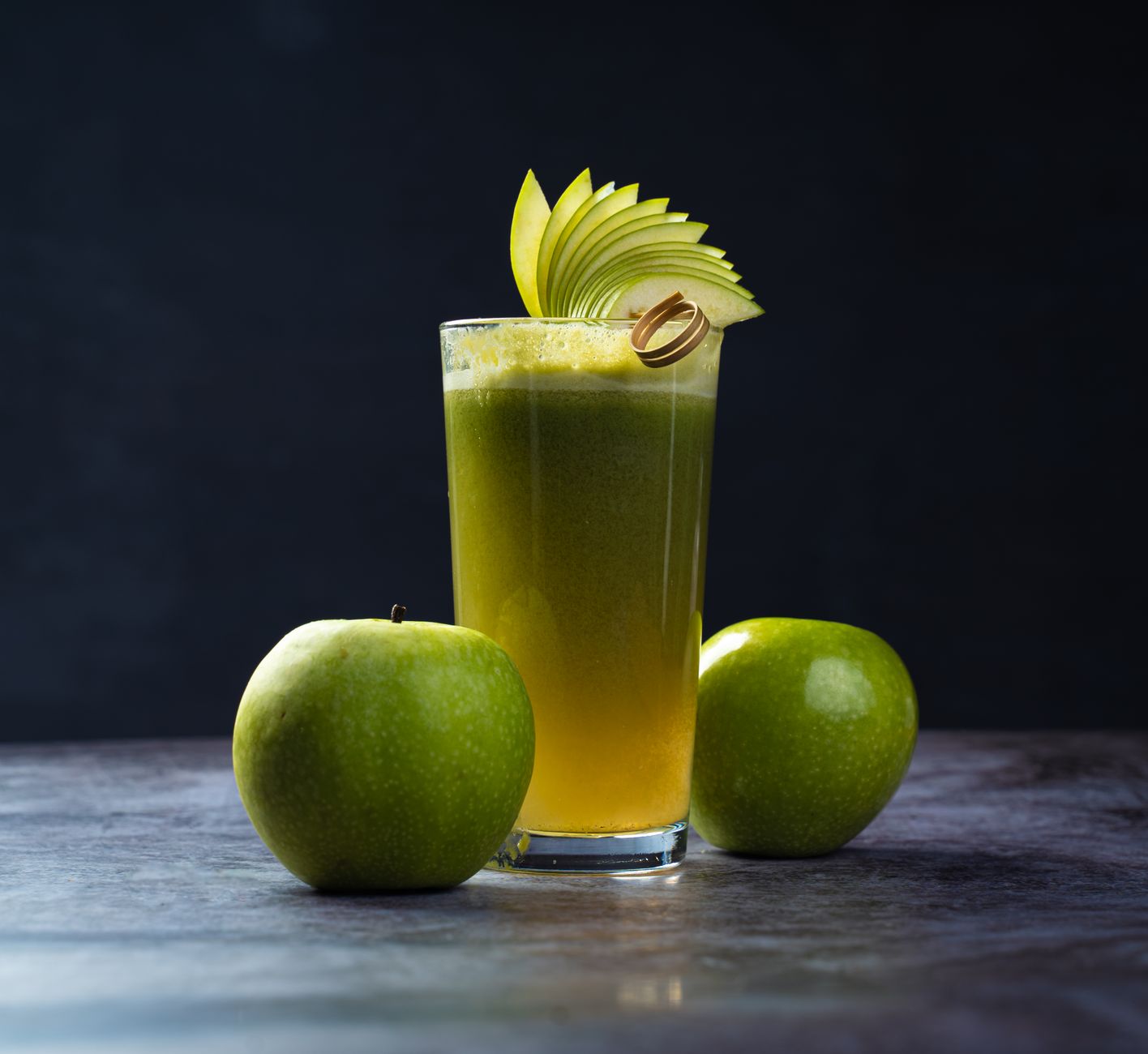
Many people enjoy the refreshing taste of 100% apple juice, often considering it a healthy beverage option. However, the question remains: is it actually good for you? This article explores the nutritional aspects of 100% apple juice, its benefits, potential drawbacks, and practical tips for including it in a balanced diet.
Understanding whether 100% apple juice is good for your health involves examining its nutritional content, how it compares to whole apples, and the role it plays in your overall diet. This exploration will help you make informed choices about incorporating this beverage into your routine.
Is 100 Apple Juice Good For You?
Yes, 100% apple juice can be good for you in moderation, as it includes essential vitamins and minerals. However, it should not completely replace whole fruits in your diet. Whole apples provide fiber and other nutrients that juice lacks. Balance is key in making this beverage a part of a healthy diet.
The Nutritional Content of 100% Apple Juice
To understand how 100% apple juice fits into a healthy diet, let’s break down its nutritional content. A typical 8-ounce serving of 100% apple juice contains:
- Calories: Approximately 110
- Total Carbohydrates: 28 grams
- Sugars: 24 grams
- Protein: 0 grams
- Fat: 0 grams
- Vitamin C: About 40% of the daily value
- Potassium: About 5% of the daily value
Apple juice is primarily made up of carbohydrates, which are mostly in the form of natural sugars. The high sugar content is one aspect that merits attention.
Benefits of 100% Apple Juice
Rich in Vitamins and Antioxidants
One of the significant benefits of 100% apple juice is its high vitamin C content. This vitamin is essential for immune function, skin health, and overall well-being. Additionally, apple juice contains antioxidants which can help combat oxidative stress in the body.
Support for Hydration
100% apple juice can serve as a refreshing and hydrating drink. Its high water content means it can contribute to your daily fluid intake, especially when consumed in moderate amounts alongside water and other beverages.
Possible Heart Health Benefits
Research suggests that the antioxidants in apple juice, particularly those derived from polyphenols, may support heart health by reducing inflammation and promoting healthier blood vessels. These benefits arise from the natural compounds found in apples.
Drawbacks of 100% Apple Juice
High Sugar Content
While the sugar in apple juice is naturally occurring, it’s essential to consider its concentration. An 8-ounce serving can have the equivalent of around five medium-sized apples’ worth of sugar, which can lead to spikes in blood sugar levels when consumed in excess. For those monitoring their sugar intake or managing conditions like diabetes, this is a crucial factor.
Limited Fiber
Unlike whole apples, which are an excellent source of dietary fiber, apple juice contains little to no fiber. Fiber is important for digestive health, helping to regulate blood sugar levels and promote a feeling of fullness.
Potential for Increased Caloric Intake
Because juice can be consumed quickly and easily, it may lead to unintentional overconsumption of calories. Liquid calories do not always provide the same satiation as solid foods, making it easier to drink more than intended.
How Does 100% Apple Juice Compare to Whole Apples?
- Vitamin Content: Whole apples provide more vitamins, including fiber and phytonutrients, which are beneficial for health.
- Hydration: Both provide hydration, but the juice may offer a quicker source of energy due to its rapid absorption.
- Satiation: Eating whole apples is more filling than drinking juice, helping control hunger more effectively.
While apple juice has its merits, whole apples should be prioritized for their additional health benefits. When you eat an apple, you consume the skin, which contains most of the fruit’s fiber and nutrients.
Incorporating 100% Apple Juice in Your Diet
If you enjoy 100% apple juice, consider these strategies for incorporating it into your diet in a balanced way:
Limit Portions
Stick to smaller servings, such as 4 ounces a day, to enjoy the flavor without overloading on sugar and calories.
Pair with Water
Consider diluting your apple juice with water or adding ice. This can lower the sugar concentration per serving while still providing some of the apple flavor you enjoy.
Use as a Flavor Enhancer
Utilize 100% apple juice as a natural sweetener or flavor enhancer in smoothies, salads, or as a marinade for meats instead of consuming it straight.
Combine with Other Fruits and Vegetables
Blend apple juice with leafy greens or other fruits to increase nutrient diversity and enhance fiber content.
Common Misconceptions About Apple Juice
All Juices are Created Equal
Not all juices are created equal. Many commercial juices contain added sugars, preservatives, or are made from concentrate, which lack the full range of nutrients found in 100% juice. Always check labels to ensure you choose products that contain only 100% juice.
Apple Juice Can Replace Whole Fruits
Some may think that apple juice offers similar benefits to fresh apples. However, due to the lack of fiber and higher sugar content, it should not be seen as a direct substitute but rather as a complementary option.
Storage and Serving Tips for 100% Apple Juice
When purchasing 100% apple juice, consider these tips for storage and serving:
Storage Recommendations
- Keep unopened apple juice at room temperature in a cool, dry place.
- Once opened, store apple juice in the refrigerator and consume within 7 to 10 days for optimal freshness.
Serving Suggestions
Enjoy chilled apple juice on its own or use it as a base for smoothies. For a refreshing twist, mix apple juice with sparkling water or use it in mocktails.
Alternative Juice Options
If you enjoy juices but want to explore alternatives to 100% apple juice, consider:
- 100% Grape Juice: Rich in antioxidants, grape juice is another delicious option.
- Orange Juice: High in vitamin C, fresh-squeezed orange juice can provide a different flavor and nutrient profile.
- Vegetable Juices: Juices made from vegetables offer a low-sugar option with added fiber, making them a healthy choice.
Summary of Considerations
100% apple juice can be a tasty, hydrating beverage that offers nutritional benefits such as vitamin C and antioxidants. However, due to its high sugar content and lack of fiber compared to whole fruits, it is important to consume it in moderation.
For a balanced approach, include whole apples or other whole fruits in your diet while enjoying apple juice occasionally as part of a varied diet. This ensures a wide range of nutrients while keeping sugar levels in check.
Exploring other juices and incorporating them into meals can also add variety and flavor. With mindful consumption, 100% apple juice can be a delightful addition to your hydration options.
For an easy way to enjoy delicious flavors, check out our homemade apple juice recipe or try a unique option with a concord grape juice recipe to add variety to your juice experience.
For more insights on refreshing drinks, alternative juice options, and healthy recipes, feel free to explore additional guides available on our blog.