
Picture a cozy pub in Ireland, where the air is filled with the rich aroma of malt and hops. Making your own Irish Ale at home is a rewarding experience that brings a taste of that warmth right to your kitchen, with its smooth flavor and inviting texture making it a perfect companion for gatherings or quiet evenings.
This recipe is special because it combines traditional ingredients with simple brewing techniques, allowing you to create a delightful ale that’s both easy to drink and full of character. With a perfect balance of sweetness and bitterness, it’s sure to impress everyone, including yourself.
Why You’ll Love This Recipe
This Irish Ale recipe is a joy to brew and an even greater pleasure to enjoy. You’ll appreciate the satisfaction of crafting a delicious beverage right at home.
- Rich, malty flavor with a hint of sweetness.
- Versatile for various occasions, from casual to festive.
- Simple brewing process that’s perfect for beginners.
- Customizable with different hops for unique variations.
- Budget-friendly compared to store-bought craft beers.
My Experience Making This Recipe
When I first attempted brewing this Irish Ale, I was pleasantly surprised by how approachable the process was. The aroma of malt wafting through my kitchen was intoxicating, and I couldn’t wait to share the results with friends.
Upon tasting my first batch, I was thrilled with the smoothness and depth of flavor. The joy of seeing others enjoy it made the effort worthwhile, and it quickly became a favorite among my circle.
Recipe Overview
- Recipe Name: Irish Ale
- Servings: About 48 ounces
- Prep Time: 30 minutes
- Cook Time: 1 hour
- Total Time: 1 hour 30 minutes
- Course: Beverage
- Cuisine: Irish
- Calories per Serving: Approximately 150
Equipment You Will Need
- Large brew kettle (at least 5 gallons)
- Fermentation vessel (with airlock)
- Sanitizer
- Thermometer
- Hydrometer
- Bottling bucket
- Bottles and caps
- Stirring spoon
Ingredients for Irish Ale
- 6 pounds of pale malt
- 1 pound of crystal malt (40L)
- 1 ounce of East Kent Goldings hops (bittering)
- 1 ounce of Fuggle hops (flavor)
- 1 packet of Irish ale yeast
- 3/4 cup of priming sugar (for bottling)
- 5 gallons of water
Ingredient Notes and Substitutions
- Pale malt: This is the base malt providing the body. You can substitute with any light malt if needed.
- Crystal malt: Adds sweetness and color. Any specialty malt can work, but it may alter the flavor.
- East Kent Goldings hops: Essential for bitterness. You can use any English hop variety for a similar profile.
- Fuggle hops: For flavor, providing an earthy aroma. Try Goldings or Willamette hops as an alternative.
- Irish ale yeast: This strain gives a clean finish. Any neutral ale yeast can work as a substitute.
How to Make Irish Ale
Step 1: Prepare the Ingredients
Start by measuring out your grains and hops. Having everything ready makes the brewing process more efficient and enjoyable.
Step 2: Heat the Water
In your brew kettle, heat about 3 gallons of water to around 160°F. This temperature is ideal for steeping the grains and extracting their flavors.
Step 3: Steep the Grains
Add the crystal malt to the hot water and steep for 30 minutes. This step infuses your ale with sweetness and color.
Step 4: Bring to a Boil
Remove the grains and bring the liquid to a rolling boil. Boiling is crucial for sterilizing the wort and extracting hop flavors.
Step 5: Add Hops
Once boiling, add the East Kent Goldings hops. This will provide the necessary bitterness to balance the ale’s sweetness.
Step 6: Continue Boiling
Boil for an additional 30 minutes. This allows the bitterness from the hops to fully integrate into the wort.
Step 7: Add Flavor Hops
Five minutes before the end of the boil, add the Fuggle hops. This addition enhances the aromatic qualities of your ale.
Step 8: Cool and Transfer
Cool the wort quickly using an immersion chiller or an ice bath. Transfer the cooled wort to the fermentation vessel and top off with water to reach 5 gallons.
Pro Tip: Always sanitize everything that touches your beer after the boil to prevent contamination.
Tips for the Best Irish Ale
- Use fresh hops for the best aroma and flavor.
- Maintain a clean brewing environment to avoid off-flavors.
- Be patient during fermentation; rushing can lead to undesirable results.
- Experiment with different hop varieties for unique flavors.
- Keep track of temperatures to ensure consistent results.
Common Mistakes to Avoid
- Skipping the sanitization step can lead to infection in your brew.
- Not cooling the wort quickly enough may result in unwanted flavors.
- Over-boiling hops can cause excessive bitterness.
- Failing to monitor fermentation temperature can affect yeast performance.
- Rushing the bottling process before fermentation is complete can cause bottle bombs.
Serving Suggestions
This Irish Ale pairs beautifully with hearty dishes and casual gatherings. Try it with these delicious options:
- Shepherd’s pie
- Grilled sausages
- Irish stew
- Cheddar cheese platter
- Chocolate desserts
Variations to Try
- Try a dry stout by using roasted barley for a darker flavor.
- Incorporate fruit like raspberry or orange peel for a fruity twist.
- Experiment with different yeasts for varied flavor profiles.
- Add spices like coriander or ginger for a unique kick.
- Mix in more hops for a hoppier version, akin to an Irish pale ale.
Dietary Adaptations
- Gluten-free: Use gluten-free grains like sorghum or rice.
- Dairy-free: This recipe is naturally dairy-free.
- Vegan/vegetarian: All ingredients are plant-based.
- Low-carb/keto: Opt for low-carb malt alternatives if available.
Storage and Reheating
Refrigerator
Store your bottled ale in a cool, dark place. Proper storage helps maintain flavor.
- Keep bottles upright to prevent sediment disturbance.
- Consume within six months for the best taste.
Freezer
Freezing is not recommended for beer as it can alter flavor and texture. However, if you must:
- Store in a sealed container to avoid explosion.
- Thaw slowly in the refrigerator before consuming.
Reheating
Reheating beer is not typical, but if you want to warm it for a recipe:
- Heat gently on the stove or in a warm water bath.
- Avoid boiling, as it will affect the flavor.
Nutrition Information
| Nutrient | Amount |
|---|---|
| Calories | 150 |
| Total Fat | 0g |
| Saturated Fat | 0g |
| Carbohydrates | 12g |
| Fiber | 0g |
| Sugar | 0g |
| Protein | 1g |
| Sodium | 5mg |
| Cholesterol | 0mg |
Nutrition values are approximate and can vary based on specific ingredients and brewing methods.
Frequently Asked Questions
Can I use different grains for this recipe?
Yes, you can experiment with other malts, but it may change the flavor profile.
How long can I store my Irish Ale?
It is best consumed within six months for optimal freshness and flavor.
What if my beer doesn’t carbonate?
Ensure that fermentation is complete and that you added enough priming sugar before bottling.
Can I brew this ale in smaller batches?
Absolutely, just scale down the ingredients accordingly.
Does this recipe require special equipment?
Basic brewing equipment is sufficient, no need for fancy gadgets.
Final Thoughts
Brewing your own Irish Ale is a gratifying experience that can transform any gathering into a celebration. With just a few ingredients and some patience, you can enjoy a rich, flavorful beer that rivals your favorite pub’s offerings.
So gather your equipment and ingredients, and give this recipe a try! You might just find yourself brewing batch after batch, eager to share your creations with friends and family.
If you’re interested in more brewing adventures, check out this raspberry mead recipe or try your hand at a saison recipe next!
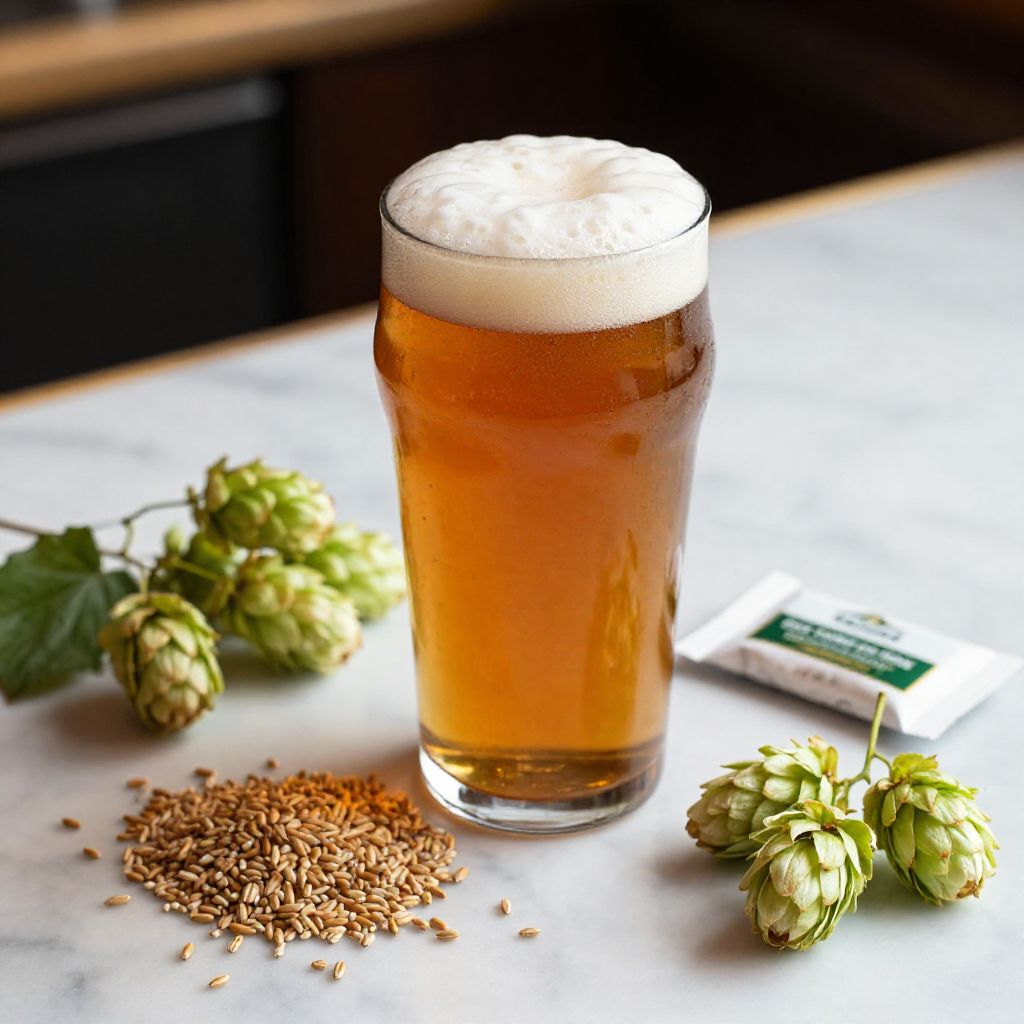
Irish Ale
Ingredients
Equipment
Method
- Start by measuring out your grains and hops.
- In your brew kettle, heat about 3 gallons of water to around 160°F.
- Add the crystal malt to the hot water and steep for 30 minutes.
- Remove the grains and bring the liquid to a rolling boil.
- Once boiling, add the East Kent Goldings hops.
- Boil for an additional 30 minutes.
- Five minutes before the end of the boil, add the Fuggle hops.
- Cool the wort quickly using an immersion chiller or an ice bath.
- Transfer the cooled wort to the fermentation vessel and top off with water to reach 5 gallons.
- Always sanitize everything that touches your beer after the boil to prevent contamination.