
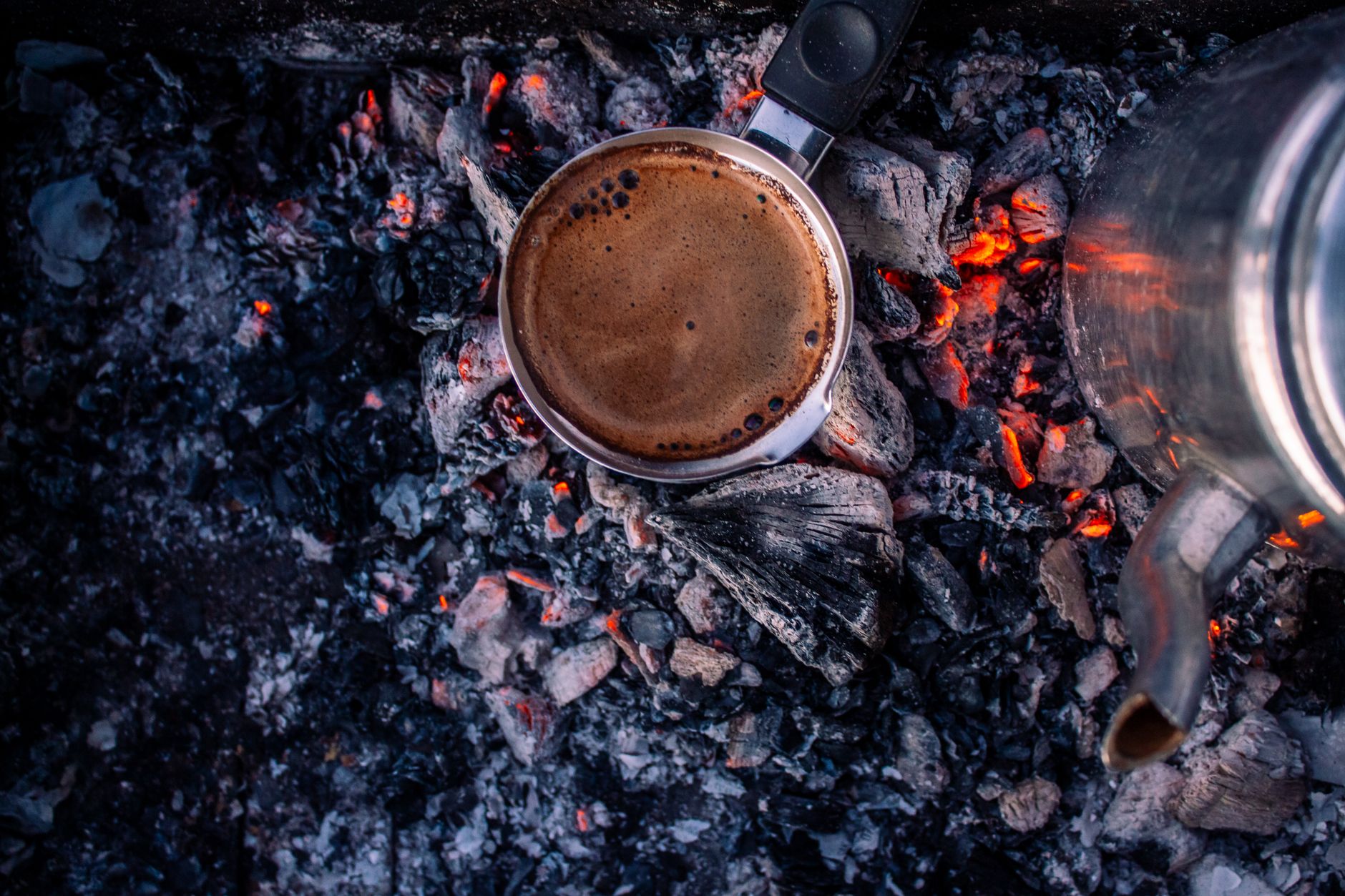
For coffee lovers, the idea of enjoying a fresh cup of coffee without the convenience of electricity may seem daunting. However, there are several methods to brew coffee that rely on traditional techniques and equipment. Whether it’s during a camping trip, a power outage, or simply a desire to slow down and enjoy the brewing process, coffee can be made without the hum of an electric machine.
This guide will explore various methods for making coffee without electricity, covering everything from manual brewing methods to tips for using alternative heat sources. With the right ingredients and tools, you can brew delicious coffee anytime, anywhere.
How To Make Coffee Without Electricity?
You can make coffee without electricity by using alternative brewing methods such as the French press, pour-over, stovetop espresso (Moka pot), or even using a campfire. These techniques require minimal equipment and are great for both indoor and outdoor settings.
Essential Ingredients
Making coffee without electricity requires careful selection of ingredients. Here’s what you need:
- Coffee Beans: Choose your favorite whole coffee beans. For optimal flavor, select freshly roasted beans.
- Water: Use clean, filtered water for the best taste. The temperature of the water is crucial as well — it should be nearly boiling.
- Optional Add-ins: Milk, sugar, or spices (like cinnamon or nutmeg) can enhance the flavor according to your preferences.
Essential Equipment
Depending on your chosen method, the equipment can vary. Here are some essential items you might use:
- French Press: A simple device that allows you to steep coffee grounds and separate them with a plunger.
- Pour-Over Brew Kit: Includes a filter and cone to manually pour hot water over grounds.
- Moka Pot: A stovetop coffee maker that brews coffee by passing boiling water pressurized by steam through ground coffee.
- Campfire or Portable Stove: For heating water.
- Coffee Grinder: Necessary for grinding whole beans into the desired coarseness.
- Heat Source: Such as a campfire, propane stove, or an open flame.
- Container: For serving your brewed coffee.
Methods to Brew Coffee Without Electricity
Method 1: French Press
Using a French press is a popular and straightforward method to make coffee without electricity.
Ingredients and Equipment
- 1 cup coarsely ground coffee (preferably freshly ground)
- 4 cups hot water
- French press
Step-by-Step Instructions
- Begin by heating water to just below boiling, around 200°F (93°C). This can be done over a campfire, stovetop, or portable gas stove.
- Measure out the coffee grounds. For a standard ratio, use 1 tablespoon of coffee for every 4 ounces of water.
- Add the coffee grounds to the French press.
- Slowly pour the hot water over the coffee grounds, ensuring all of them are saturated.
- Stir gently with a spoon to mix the grounds and water.
- Place the lid on the French press and let it steep for 4 minutes. This time allows the flavors to develop.
- After 4 minutes, press the plunger down slowly to separate the grounds from the brewed coffee.
- Your coffee is now ready. Pour into your favorite mug and enjoy!
Method 2: Pour-Over Coffee
Pour-over coffee is another simple yet effective method that produces a clean and flavorful cup.
Ingredients and Equipment
- 1 cup medium-fine ground coffee
- 2 cups hot water
- Pour-over coffee maker (such as a V60 or Chemex)
- Coffee filter
Step-by-Step Instructions
- Heat water to a boil, then let it cool slightly to around 200°F (93°C).
- Place the coffee filter in the pour-over cone and rinse it with hot water to eliminate any paper taste.
- Add the coffee grounds to the filter.
- Begin the pour by adding a small amount of hot water (about twice the amount of coffee) to bloom the coffee. Let it sit for 30 seconds.
- After blooming, slowly pour the remaining hot water over the grounds in a circular motion, allowing the water to drip through.
- Once the water has fully drained into the carafe or mug below, remove the pour-over cone and discard the grounds.
- Your pour-over coffee is ready to enjoy!
Method 3: Stovetop Espresso (Moka Pot)
The Moka pot is a classic way to brew espresso-style coffee without electricity.
Ingredients and Equipment
- 1 cup finely ground coffee
- Water (enough to fill the lower chamber)
- Moka pot
Step-by-Step Instructions
- Fill the bottom chamber of the Moka pot with water up to the safety valve.
- Add the finely ground coffee to the filter basket, leveling it off without pressing down.
- Assemble the Moka pot and place it on the heat source. Use medium heat.
- Wait for the coffee to start bubbling and filling the upper chamber. This usually takes about 5 minutes.
- Once you hear a hissing or sputtering sound, the coffee is done brewing. Remove it from the heat immediately.
- Let it sit for a minute, then serve. Enjoy as is or add milk and sugar as needed.
Method 4: Cold Brew (Without Electricity)
Cold brew coffee offers a smooth, less acidic taste and is an excellent option for hot days.
Ingredients and Equipment
- 1 cup coarsely ground coffee
- 4 cups cold water
- Large jar or pitcher
- Fine sieve or coffee filter
Step-by-Step Instructions
- In a large jar or pitcher, combine the coarsely ground coffee and cold water. Stir gently to mix.
- Cover the jar and let it steep in the refrigerator or at room temperature for 12 to 24 hours, depending on your taste preference.
- Once brewed, strain the coffee through a fine sieve or coffee filter to separate the grounds.
- Pour over ice and enjoy as is, or dilute with water or milk to your taste.
Common Mistakes to Avoid
While brewing coffee without electricity can be rewarding, it’s important to avoid common pitfalls:
- Incorrect Grind Size: Using the wrong grind size can significantly affect flavor. French press requires a coarse grind, while pour-over needs a finer grind.
- Water Temperature: Brewing coffee with water that’s too hot or not hot enough can lead to undesirable flavors. The ideal temperature is around 195°F to 205°F (90°C to 96°C).
- Using Stale Coffee: Always use fresh coffee beans to ensure the best flavor. Coffee oxidizes and loses its freshness over time.
- Over-Brewing: Leaving coffee to steep too long can result in bitterness. Stick to recommended steeping times.
Storage Considerations
If you’re brewing coffee or have leftovers, storing it properly is essential:
- Ground Coffee: Store in an airtight container in a cool, dark place. Avoid keeping it in the fridge as moisture can affect flavor.
- Brewed Coffee: Best enjoyed fresh, but if leftovers occur, store in a thermal carafe. If refrigerated, consume within 2 days.
Enjoying Your Coffee Without Electricity
Making coffee without electricity can be a delightful experience, especially when you embrace the craft of brewing. Here are some tips to enhance your enjoyment:
- Experiment with Ratios: Coffee strength can be adjusted by experimenting with coffee-to-water ratio until you find your ideal brew.
- Pair with Food: Complement your coffee with breakfast items like croissants, pastries, or breakfast sandwiches for a more fulfilling experience.
- Utilize Fresh Ingredients: For flavored coffee, try adding ground spices, vanilla extract, or even chocolate to your brew just before enjoying.
Conclusion
Brewing coffee without electricity opens a world of simplicity and connection to the process. With just a few ingredients and tools, you can enjoy high-quality coffee wherever you are. Choose your preferred method, and let the aroma of freshly brewed coffee enhance your day.
For more interesting drinks, consider exploring recipes like our Viking Coffee or the delightful Brown Sugar Coffee for unique flavor experiences. Enjoy your brewing adventure!