
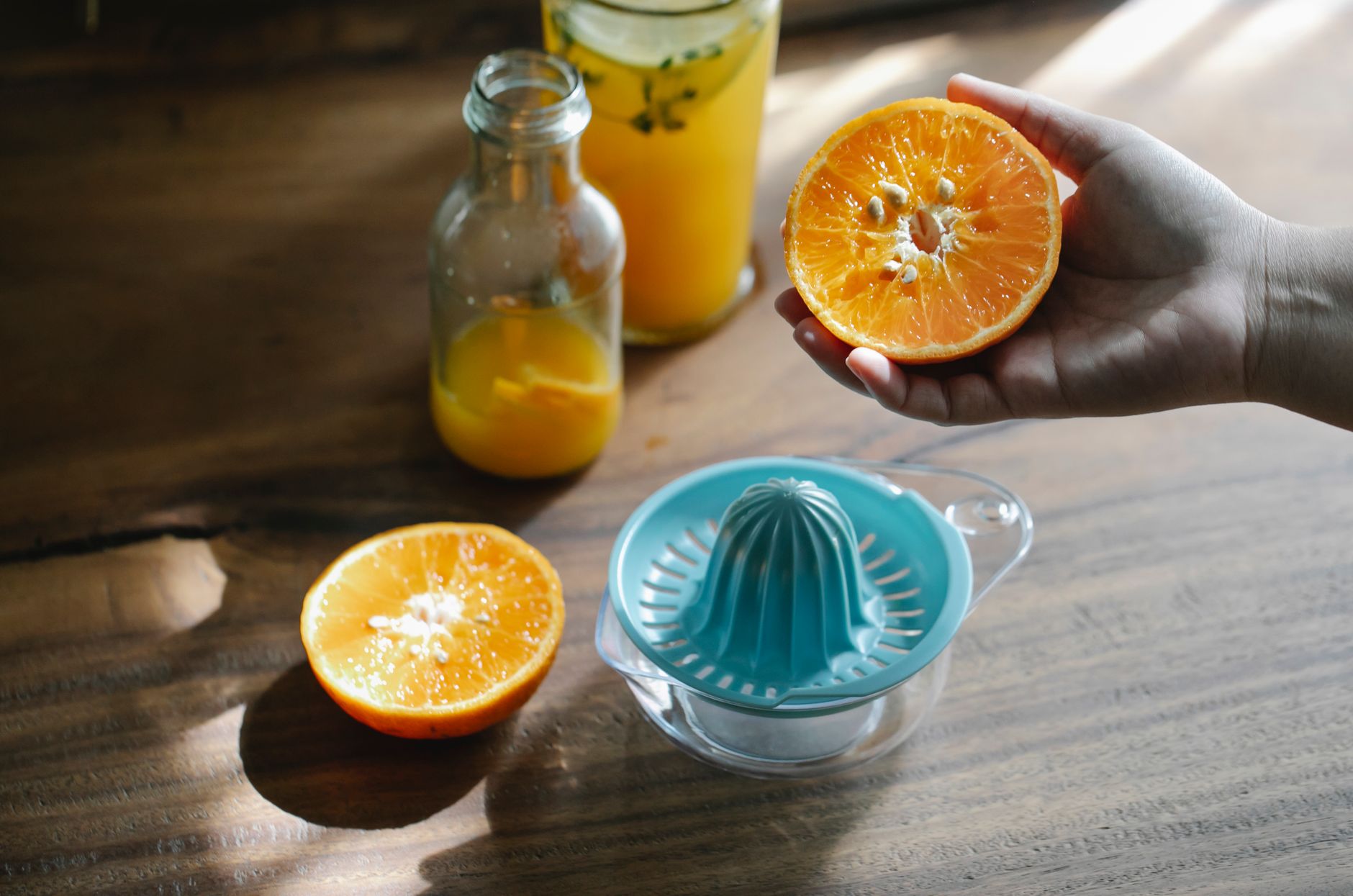
Juicing is a popular method used to extract the nutrient-rich liquids from fruits and vegetables. This guide will provide you with a comprehensive understanding of how to juice effectively, ensuring that you can enjoy delicious and healthy beverages at home. From equipment choices to tips for getting the most flavor and nutrition, this article covers all the essentials.
Whether you’re looking to refresh yourself with a cool, invigorating drink or incorporate more vitamins into your diet, mastering the juicing process can help you achieve your health goals. Let’s explore the ins and outs of juicing together!
What is Juicing?
Juicing is the process of extracting juice from fruits and vegetables. This method separates the liquid portion, which contains vitamins, minerals, and enzymes, from the fibrous parts of the produce.
People juice for various reasons, including enhancing nutrition, dietary preferences, and enjoying the flavors of fresh ingredients. The resulting juice can serve as a meal supplement, a refreshing beverage, or a component in recipes.
Choosing the Right Equipment for Juicing
Before diving into juicing, it’s essential to select the right equipment. The main types of juicers are centrifugal and masticating juicers.
Centrifugal Juicers
- These juicers use high-speed blades to chop fruits and vegetables and then spin them at high speeds to extract the juice.
- Centrifugal juicers are typically more affordable and faster but may produce juice with lower nutrient content due to heat generation.
Masticating Juicers
- Masticating juicers, also known as cold press juicers, extract juice by crushing and grinding produce, then pressing it to separate the juice from pulp.
- They usually retain more nutrients, enzymes, and flavor. Masticating juicers are often more expensive but are ideal for those who prioritize health benefits.
Essential Tools and Ingredients
To maximize your juicing experience, gather the following tools and ingredients:
Tools
- Juicer (centrifugal or masticating)
- Cutting board
- Knife
- Measuring cups
- Strainer (if needed)
- Storage containers or bottles
Popular Juicing Ingredients
Select a variety of fresh fruits and vegetables to create flavorful and nutritious juices. Here are some common ingredients:
- Fruits: Apples, oranges, lemons, pineapples, berries, and melons.
- Vegetables: Carrots, cucumbers, beets, kale, spinach, and celery.
- Herbs: Mint, basil, and ginger can add unique flavors to your juices.
Preparing Ingredients for Juicing
Preparation is key to successful juicing. Follow these steps to ensure your ingredients are ready:
- Wash all fruits and vegetables thoroughly to remove dirt and pesticides.
- Peel any ingredients that require peeling, such as oranges or ginger.
- Remove seeds, cores, and any tough parts (like stems) to avoid bitterness in your juice.
- Cut larger fruits and vegetables into smaller pieces to facilitate easier juicing.
Step-by-Step Guide on How to Juice
With your equipment and ingredients ready, follow these steps for efficient juicing:
- Set up your juicer according to the manufacturer’s instructions. Ensure everything is secured and properly aligned.
- Begin adding ingredients into the juicer. Start with softer fruits or greens, followed by harder vegetables. This order can help extract the most juice.
- Use the pusher (if applicable) to feed the produce into the juicer steadily. Avoid forcing items through too quickly.
- Once you complete juicing, turn off the machine and remove the juice container. The pulp will typically be collected in a separate compartment. Dispose of or use remaining pulp creatively.
- Stir the juice to mix flavors, and taste for sweetness or acidity. Adjust with more fruits or vegetables as needed.
- Pour your juice into clean containers for immediate consumption or refrigeration.
Common Juicing Recipes
Here are a few delicious and easy-to-make juice recipes that you can try:
Carrot-Orange Juice
- Ingredients: 4 large carrots, 2 oranges, and 1 tablespoon of ginger (optional).
- Yield: About 2 cups.
- Preparation Time: 10 minutes.
- Peel the oranges and ginger (if using) and cut the carrots into smaller pieces.
- Juice the ingredients in your juicer, starting with the carrots, followed by oranges and ginger.
- Stir well and serve chilled.
Green Detox Juice
- Ingredients: 2 cups spinach, 1 cucumber, 2 green apples, 1 lemon, and a handful of fresh mint.
- Yield: About 2 cups.
- Preparation Time: 10 minutes.
- Wash all greens and fruits thoroughly.
- Chop the cucumber and apples, and peel the lemon.
- Juice all ingredients together. Start with spinach, followed by cucumber, apples, lemon, and mint.
- Mix well and serve over ice if desired.
Tips for Successful Juicing
Enhance your juicing experience with these helpful tips:
- Balance flavors: Combine sweet and tart fruits or vegetables for well-rounded flavors.
- Stay seasonal: Using seasonal produce is often more flavorful and cost-effective.
- Experiment: Don’t be afraid to try new ingredient combinations or include herbs and spices.
- Drink fresh: Juice tastes best when consumed immediately for maximum flavor and nutrient retention.
- Chill your ingredients: Cold fruits and vegetables make for refreshing juice.
Storing Juice Properly
If you have extra juice, proper storage is crucial to maintain freshness and nutritional quality. Follow these storage guidelines:
- Store juice in airtight containers, preferably glass, to avoid chemical leaching.
- Fill the container to the top to minimize air exposure, which can degrade nutrients.
- Refrigerate juice immediately and consume within 24-48 hours for optimal freshness.
- Avoid freezing fresh juice, as it can alter flavor and texture.
Common Mistakes to Avoid When Juicing
To avoid disappointing results, keep these common mistakes in mind:
- Not cleaning the juicer: Failing to clean your juicer promptly after use can lead to stubborn residue and odor.
- Using stale produce: Fresh ingredients yield better taste and nutrition.
- Ignoring flavor balance: Making juice too sweet or too bitter can detract from the overall experience.
- Over-juicing: Juicing more than you can consume can lead to waste; consider sourcing smaller amounts instead.
- Skipping the pulp: The pulp still contains fiber and can be used in smoothies, baking, or as animal feed.
Creative Uses for Juice Pulp
Don’t throw away that pulp! Here are some creative ways to use juice pulp effectively:
- In smoothies: Add pulp to your smoothie for added fiber without compromising on flavor.
- Baking: Incorporate pulp into muffins, pancakes, or bread for extra moisture and nutrients.
- Soups: Use vegetable pulp as a nutritious base for soups or stocks.
- Animal feed: Compost your pulp or feed it to pets, if safe for them.
Frequently Asked Questions About Juicing
Is juicing healthy?
Juicing can be a healthy way to increase your fruit and vegetable intake. However, it’s important to balance with whole foods to ensure adequate fiber intake.
Do I need a special juicer?
While a dedicated juicer is helpful, you can also use a blender and strain the juice through a fine mesh or cheesecloth if you don’t have one.
Can I juice frozen fruits and vegetables?
Frozen ingredients can be juiced, but they may create different textures. It’s best to thaw them first for optimal juicing results.
Final Thoughts and Next Steps
Mastering how to juice opens up a world of flavors and health benefits. With the right equipment, fresh ingredients, and a little experimentation, you can create delicious and nutritious juices to enjoy time and again. Start by trying out some of the simple recipes and exploring different flavor combinations.
For more delicious ways to enjoy fruits and vegetables, you might want to check out our Carrot-Orange Juice Recipe or explore the process of making Homemade Apple Juice. Happy juicing!