
Sake is a traditional Japanese rice wine known for its complex flavors and aromas. While it can be enjoyed chilled or at room temperature, many enthusiasts prefer to heat sake to enhance its taste and aroma. Heating sake can bring out different flavors and create a more comforting drink experience. Here’s a comprehensive guide on how to heat sake properly.
This guide will walk you through the benefits of heating sake, different heating methods, tips for choosing the right sake, and common mistakes to avoid. By the end, you’ll feel informed and confident about warming sake in a way that elevates its enjoyment.
How To Heat Sake?
Heating sake involves warming it gently to enhance certain flavors and aromas that may not be as pronounced when served cold. The best methods for heating involve gentle warming techniques that prevent excessive heat that could alter the sake’s character.
The Benefits of Heating Sake
Heating sake has several benefits:
- Flavor Enhancement: Heating sake can emphasize umami flavors and soften any bitterness, providing a smoother palate experience.
- Aroma Release: Warmer temperatures can release aromatic compounds, enhancing the drink’s bouquet.
- Comforting Experience: Warm sake is often seen as more comforting, especially in cold weather.
- Versatility: Certain types of sake are better heated, allowing for a broader tasting palette.
Choosing the Right Sake for Heating
Not all sake is meant to be heated. Here are a few types to consider:
- Junmai: Rich and full-bodied, this type of sake is ideal for heating and offers complex flavors when warmed.
- Honjozo: With added distilled alcohol, Honjozo has a lighter flavor profile that can also benefit from heat.
- Futsushu: Regular table sake, which can be reasonably heated without losing its character.
Avoid heating higher-quality sakes like Ginjo or Daiginjo, which are better enjoyed chilled to preserve their delicate flavors.
Heating Methods for Sake
There are several methods for heating sake, each affecting the flavor and character of the beverage differently. Below, we outline the most popular techniques:
1. Water Bath Method
This is the most recommended method for heating sake, as it offers gentle and even warming.
- Fill a small pot or saucepan with water, making sure it is deep enough to submerge most of the bottle.
- Place the pot over low to medium heat.
- Once the water is warm (not boiling), place the bottle of sake in the pot. Make sure the cork or cap of the bottle is not submerged.
- Heat the sake for about 5 to 10 minutes, monitoring closely. For warmer sake, you can continue heating for an additional 5 minutes. Aim for a temperature between 104°F and 131°F (40°C to 55°C).
- Carefully remove the bottle, pour into a glass, and enjoy.
2. Microwave Method
While not traditional, using a microwave can be a quick way to heat sake. However, precision is key.
- Pour your sake into a microwave-safe vessel. Avoid using the original bottle as many may not be microwave-safe.
- Heat on low power (about 30% of the microwave’s power) for 15 to 30 seconds.
- Stir or swirl the sake gently to distribute the heat, checking for temperature. The sake’s surface should not be boiling.
- Heat in additional 10-second increments if necessary until the desired temperature is reached.
3. Direct Heat Method (Not Recommended)
This method involves directly heating sake over a flame or stovetop. It is generally not recommended due to the risk of overheating.
- Pour sake into a small saucepan.
- Place over low heat, stirring constantly to prevent burning.
- Monitor closely and remove once the sake reaches the desired temperature.
Be cautious, as overheating can quickly ruin the sake’s character.
Common Mistakes to Avoid When Heating Sake
Here are some pitfalls to avoid when warming sake:
- Heating Too Quickly: Rapid temperature changes can damage the flavor profile. Always heat sake gradually.
- Using High Heat: Never let sake boil. Boiling can strip away the complex flavors present in the drink.
- Overheating: Keep an eye on the temperature. Overheating can lead to a burnt taste and loss of aroma.
- Ignoring Sake Type: Not all sakes are suitable for heating. Chill premium grades like Ginjo and Daiginjo instead.
Tips for Serving Heated Sake
To fully enjoy your heated sake, consider the following tips:
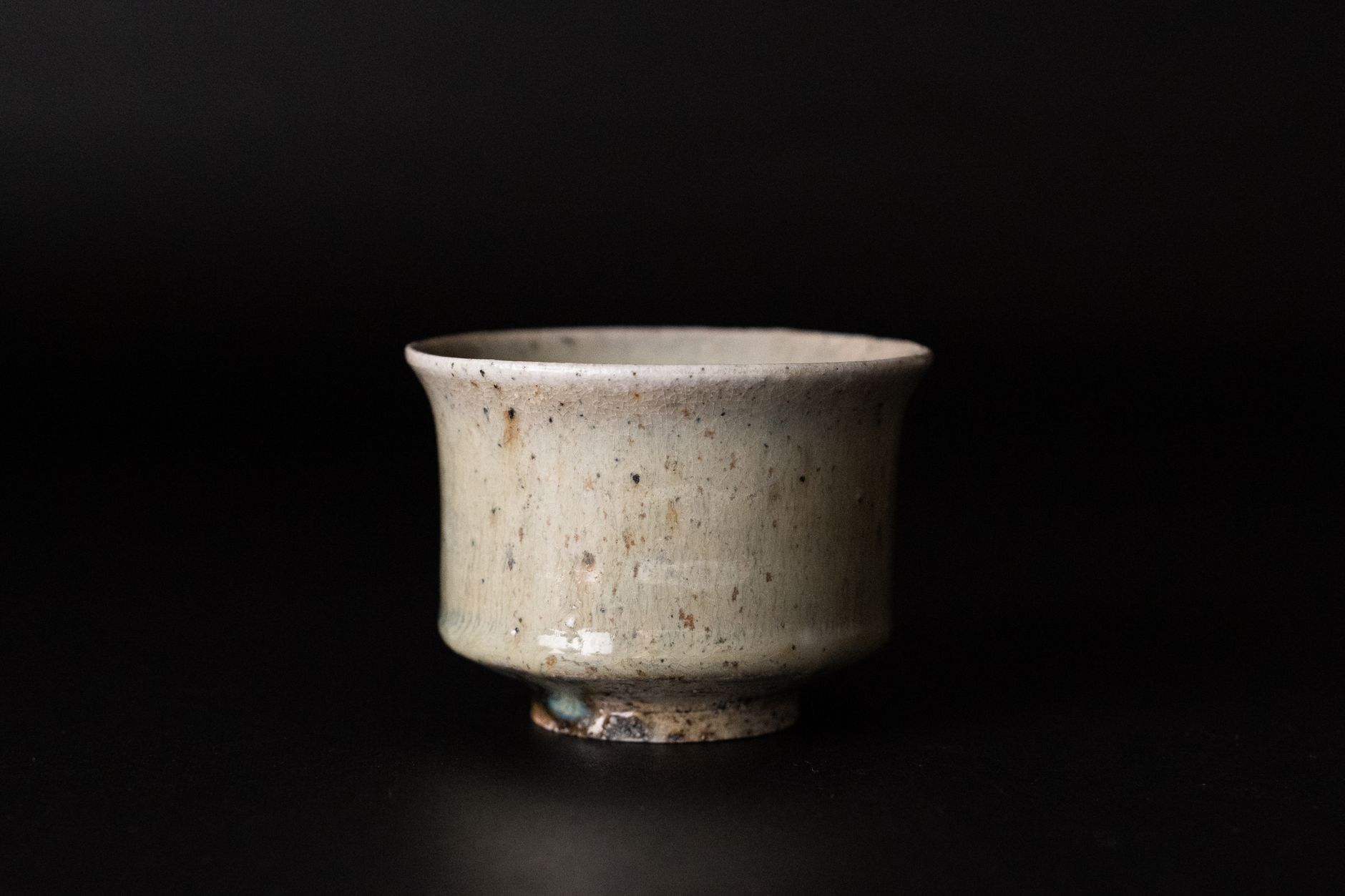
- Choose Your Glass: Use a traditional ochoko (small ceramic cup) or a glass sake tumbler for pouring.
- Pair with Food: Pair heated sake with dishes like grilled fish, tempura, or savory rice-based dishes to enhance the tasting experience.
- Adjust Temperature to Taste: Some may prefer their sake warmer or cooler. Experiment to find your perfect temperature.
- Sake Temperature Chart: Consider using a sake temperature chart to identify the ideal serving temperature for different types of sake.
Recommended Sake Temperatures
The perception of warmth can vary based on the individual and the type of sake.
| Sake Type | Serving Temperature |
|---|---|
| Junmai | 104°F to 131°F (40°C to 55°C) |
| Honjozo | 104°F to 122°F (40°C to 50°C) |
| Futsushu | 104°F (40°C) to 113°F (45°C) |
| Ginjo | 40°F to 50°F (4°C to 10°C) |
| Daiginjo | 40°F to 50°F (4°C to 10°C) |
Using Leftover Heated Sake
Should you have leftover sake after a warm session, consider these options:
- Refrigerate: Store heated sake in the refrigerator if there is any left. Consume within a few days.
- Mix into Cocktails: Use leftover heated sake as a base for cocktails or warmed sake cocktails.
Final Thoughts on Heating Sake
Heating sake can amplify the experience, providing deeper flavors and aromas. Remember to choose the right type, avoid common pitfalls, and serve it in a suitable glass. Enjoy your warming process, and experiment to find the temperatures that most appeal to your palate.
For those looking to mix sake into cocktails, try out a vibrant Violet Sake Recipe or refresh with a Toki Highball Recipe that incorporates sake for a delightful twist. Both recipes showcase the versatility of sake and can elevate your drink game!