
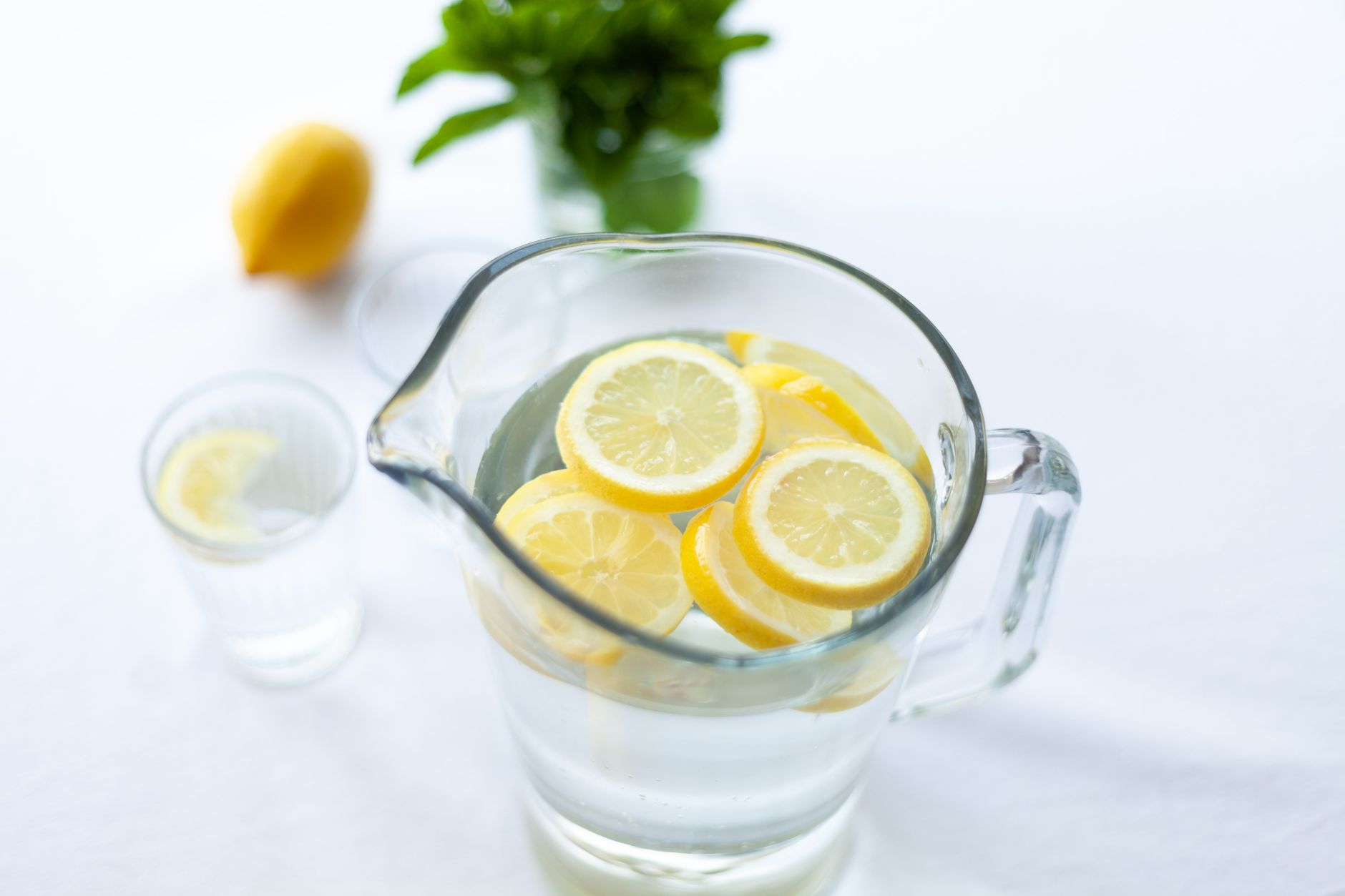
Water is essential to human life, impacting every function in the body from digestion to temperature regulation. Yet, many wonder: how much water should we really be drinking? This complete guide will walk you through the factors influencing hydration needs, tips for monitoring your water intake, and methods to ensure you drink enough water throughout your day.
Whether you’re an athlete, a busy professional, or someone just looking to stay healthy, understanding your hydration needs can greatly improve your wellness. This article provides comprehensive guidelines, practical tips, and insight into how to drink enough water for optimal health.
How Much Water To Drink?
The general recommendation for daily water intake is about 8 to 10 cups, or around 2 to 2.5 liters. However, specific needs can vary based on age, activity level, health conditions, and environmental factors. Factors like high temperatures, intense exercise, and dietary choices can increase your requirement significantly.
Factors Affecting Water Needs
Understanding various factors that influence your hydration requirements can help you tailor your water intake.
1. Activity Level
If you’re physically active, you’ll likely need more water. Exercise increases sweat and water loss, so it’s crucial to hydrate before, during, and after workouts. A simple rule of thumb is to drink an additional 1 to 2 cups of water for every hour of exercise.
2. Climate and Environment
Hot or humid weather can lead to increased perspiration, increasing your hydration needs. Conversely, at higher altitudes, you’re likely to breathe faster and urinate more frequently, which can also raise your need for fluids.
3. Health Status
Your health condition can impact your hydration levels. Fever, diarrhea, and vomiting increase fluid loss, requiring you to drink more water. Similarly, certain health conditions and medications also affect hydration needs. Always consult a healthcare provider if you’re unsure about your specific needs.
4. Diet
Your diet plays a significant role in hydration. Foods like fruits and vegetables can contribute to your water intake. Foods high in salt or sugar may require additional water to help the body process them, while caffeine and alcohol can also lead to increased fluid loss.
Recognizing Signs of Dehydration
Knowing the signs of dehydration can help you adjust your water intake proactively. Here are some common symptoms:
- Thirst
- Dry mouth and dry skin
- Fatigue
- Dizziness or lightheadedness
- Headaches
- Decreased urine output, or dark yellow urine
If you experience any of these signs, it may be time to increase your fluid intake. Remember that clear or light-colored urine often indicates proper hydration.
Practical Tips for Staying Hydrated
To ensure you’re drinking enough water throughout the day, consider the following strategies:
1. Carry a Water Bottle
Having a reusable water bottle on hand makes it easier to track your water intake. Aim to refill it several times throughout the day. This not only helps stay on schedule with your hydration goals but also reduces plastic waste.
2. Set Reminders
Use phone reminders or hydration apps that prompt you to drink water at regular intervals. This is particularly useful if you often forget to hydrate during busy days.
3. Infuse Your Water
If plain water doesn’t excite you, try infusing it with fruits, herbs, or vegetables. Options include cucumber, mint, citrus fruits, or berries. Infused water can make staying hydrated more enjoyable.
4. Establish a Routine
Integrate water consumption into your daily routine. For example, drink a glass of water before each meal or after brushing your teeth. Associating drinking water with specific activities can help build a habit.
5. Monitor Your Intake
Keep track of how much water you’re drinking daily, especially when adjusting your intake. Many hydration apps allow you to log your consumption or you can use a simple notepad to jot down your daily amounts.
How to Calculate Your Needs
A common model for calculating water intake is based on body weight. A general guideline is to drink half your body weight in ounces daily. For instance, if you weigh 150 pounds, aim for 75 ounces of water a day. Here are examples of how to calculate:
| Weight (pounds) | Daily Water Intake (ounces) |
|---|---|
| 120 | 60 |
| 140 | 70 |
| 160 | 80 |
| 180 | 90 |
Water-Rich Foods
Incorporating foods with high water content can complement your hydration efforts. Here’s a list of foods that can help keep you hydrated:
- Watermelon (92% water)
- Cucumbers (95% water)
- Strawberries (91% water)
- Cantaloupe (89% water)
- Oranges (86% water)
- Spinach (91% water)
- Broccoli (91% water)
Adding these foods to your diet can contribute to your overall hydration without needing to drink more water.
Cautions About Overhydration
While staying hydrated is important, it’s equally vital not to overdo it. Overhydration or water intoxication can lead to a dangerous imbalance in electrolytes known as hyponatremia. Symptoms include:
- Nausea
- Headaches
- Confusion
- Seizures
If you’re unsure how much water is right for you, consult with a healthcare professional. They can provide guidance based on your specific health conditions and needs.
Staying Hydrated During Exercise
When engaging in physical activity, keeping hydrated becomes even more crucial. Here are some tips specifically for staying hydrated while exercising:
1. Pre-Hydrate
Drink water before starting your workout—at least 16 to 20 ounces. This prepares your body for the physical exertion ahead.
2. Hydrate During Workouts
If your workout lasts longer than an hour, consider drinking something other than water to replenish electrolytes. Sports drinks can rehydrate and provide energy, but be aware of added sugars.
3. Post-Workout Hydration
After exercising, replenish lost fluids by drinking water or a recovery drink. A good practice is to drink 24 ounces of fluid for every pound lost during your workout.
Hydration Tips for Specific Populations
Some groups may have heightened hydration needs due to various factors:
1. Older Adults
As people age, the sensation of thirst diminishes. Older adults should be especially mindful of their water intake to combat potential dehydration.
2. Pregnant and Nursing Women
Pregnant or breastfeeding women need additional fluid to support their own health and their baby’s development. The recommendation increases to around 10 cups of fluids a day for pregnant women and even more while nursing.
3. Children
Kids have varying hydration requirements based on their age and activity level. Teaching children the importance of drinking water early on can promote healthier habits as they grow.
Conclusion
Finding the right balance of water intake is essential for maintaining your health and wellness. Start by assessing your lifestyle and environment, then implement practical strategies to ensure you’re drinking enough water. Whether it’s increasing awareness of your body’s thirst signals, keeping track of your daily intake, or incorporating more water-rich foods into your meals, each step will bring you closer to optimal hydration.
To further enhance your hydration journey, consider exploring refreshing beverages like a classic lemonade recipe or a refreshing agua fresca recipe. Both are delightful ways to enjoy hydration!