
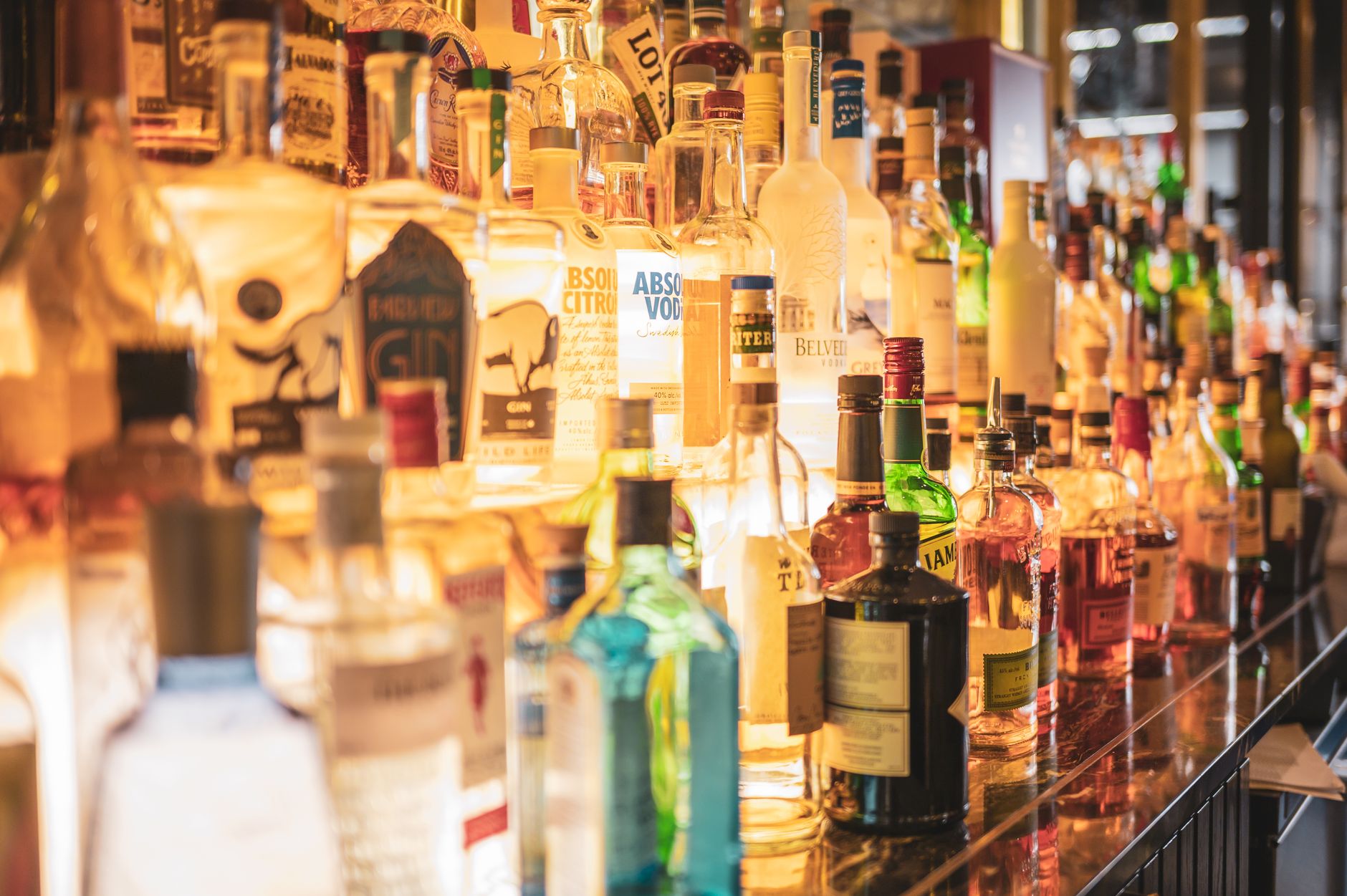
When planning a special meal or celebrating an occasion, understanding how much alcohol to purchase can be challenging. From sparkling wines for toasts to cocktail ingredients, the quantity of alcohol needed varies based on the number of guests, types of drinks served, and duration of the event.
This detailed guide will navigate you through estimating alcohol quantities, suggest types of beverages to serve, offer tips on budgeting, and provide insights into proportional serving sizes. Let’s ensure your next gathering is memorable without last-minute runs to the store!
How Much Is Alcohol?
The amount of alcohol you should buy depends significantly on the type of event, the number of guests, and their drinking habits. Generally, a good rule of thumb is to plan on each guest consuming about one drink per hour. For a four-hour party, that would suggest about four beverages per guest, though this can vary.
Estimating Alcohol Quantities for Events
To effectively estimate the required quantities, you can follow a few guiding principles based on the setting. Here’s a breakdown by type of event and the respective calculations:
1. Casual Gatherings or Dinner Parties
- Plan for 2-3 drinks per guest for the evening.
- Assuming a mix of wine, beer, and cocktails, calculate approximately:
- Wine: One bottle typically serves five glasses. For a group of 10, you might need about 2-3 bottles.
- Beer: A standard beer is 12 ounces. A 24-pack generally serves 8 guests if each drinks 2 beers.
- Cocktails: Estimate 1.5 ounces per drink. A standard bottle of spirit (750 ml) yields about 16 drinks, so one bottle should suffice for every 10-15 cocktails.
2. Weddings and Larger Events
- For events such as weddings, guests might consume more alcohol. Plan for 3-4 drinks per guest over the event duration.
- A good guideline includes:
- Wine: Two bottles for every 10 guests, which can cover both red and white options.
- Beer: Approximately half a keg (around 15.5 gallons) can serve around 165 guests; if serving bottled beer, assume 1-2 bottles per guest.
- Cocktails: Consider a range of 1-2 different types. One bottle of each spirit should suffice for every 15-20 cocktails.
3. Themed or Cocktail Parties
- For an event focused on cocktails, allocate more time to planning the centerpiece drinks.
- Consider including:
- One type of spirit per cocktail, assuming two cocktails per guest, with each requiring one ounce of the main alcohol.
- A selection of mixers and garnishes to support around three options. Keep in mind that mixers will also need to be purchased in larger quantities.
Sample Drink Calculators
Below is a quick-reference table to assist with specific calculations:
| Event Type | Guests | Estimated Drinks per Guest | Total Drinks Needed |
|---|---|---|---|
| Casual Gathering | 10 | 3 | 30 |
| Wedding | 100 | 4 | 400 |
| Cocktail Party | 20 | 5 | 100 |
Creating a Shopping List
After estimating your total drinks, it’s time to create a shopping list. Here’s how to structure it:
1. Assessing Drink Preferences
Survey guests if possible about their alcohol preferences. This information is useful to know how much beer, wine, or cocktails you will need versus non-alcoholic drinks.
2. List Individual Liquor and Mixer Needs
Make a detailed list of spirits, wines, mixers, and garnishes based on your desired drink menu:
- Wines: Red and white varieties based on your guests’ preferences.
- Beers: A variety including light and dark options.
- Spirits: Choose versatile options such as vodka, gin, rum, and whiskey.
- Mixers: Include tonic, soda, fruit juices, and bitters.
- Non-alcoholic Options: Provide water, sodas, and juices for designated drivers and non-drinkers.
3. Determine Budget for Alcohol
Alcohol prices can vary based on region and brand. A good approach to budgeting includes:
- Set a firm budget per bottle of wine or spirits and stick to it.
- Explore local sales or discounts, especially on bulk purchases.
- Consider purchasing from wholesalers or liquor stores where you can find better prices on larger quantities.
Portugal’s or Spain’s Wine Price Varieties
The average cost of wine can vary significantly by the region and quality. For example:
- Portugal wines can range from $10 to $30 for high-quality selections.
- Spanish wines typically start around $8 for a good varietal and can go up to $50 or more for specific vintage labels.
- A mix of affordable and higher-end wines may better suit diverse guest preferences.
Creating a Balanced Drink Menu
To keep everyone happy, create a drink menu that balances various preferences and allows for easy selection. Here are helpful tips:
1. Offer Variety
Mix different types of drinks: include beer, wine, and cocktails while keeping some non-alcoholic options readily available, such as flavored sparkling water.
2. Signature Cocktails
Having a couple of signature cocktails can enhance the festive atmosphere. Choose drinks that can be prepared in batches, minimizing the need for individual mixing:
- Margaritas: A classic that many enjoy.
- Mojitos: Light and refreshing with a hint of mint.
- Wine Punch: A delightful blend that can cater to different taste profiles.
3. Make It Interactive
If time allows, consider setting up a DIY cocktail station. Provide different spirits, mixers, and garnishes, allowing guests to craft their drinks while fostering interactions.
Common Mistakes to Avoid When Planning Alcohol Quantities
Here are common pitfalls and ways to navigate around them:
1. Overbuying or Underserving
It can be tempting to overestimate how much alcohol you need. Stick to your calculated quantities for the event size, and monitor guest consumption accordingly.
2. Ignoring Non-Drinkers
Always have plenty of non-alcoholic options available to ensure everyone feels included, ensuring designated drivers and those not drinking are well cared for.
3. Lack of Water Station
Equally important is hydration. Set up a water station by the bar area to encourage guests to stay hydrated alongside alcoholic drinks.
Storage and Serving Tips
How you store and serve alcohol can impact guests’ experiences. Consider these guidelines:
1. Temperature Control
Ensure wine is served chilled, preferably between 45-65°F for whites and between 60-70°F for reds. Keep draft beers refrigerated until serving.
2. Glassware
The right glassware can enhance the drinking experience. Invest in a few types of glassware, including:
- Wine glasses for elegant serving.
- Pint glasses for beer.
- Rocks glasses for cocktails.
3. Post-Event Storage
After the event, store leftover alcohol properly. Spirits can remain stable, but wine should be corked and stored in a cool, dark place. Beer is best consumed fresh, ideally the same week.
Summary of Alcohol Needs for Different Occasions
In summary, alcohol estimation involves calculating based on guests’ estimated consumption, creating a balanced variety for your drink menu, and avoiding common mistakes. Your goal should be ensuring all guests feel included and well-catered to throughout your event.
To finalize your planning, consider checking out different types of drink recipes, such as this Wine Punch Recipe or learning how to make a Maker’s Mark Old Fashioned. These can add delightful flavors to your gathering, ensuring that your drink offerings match your guests’ diverse palates.