
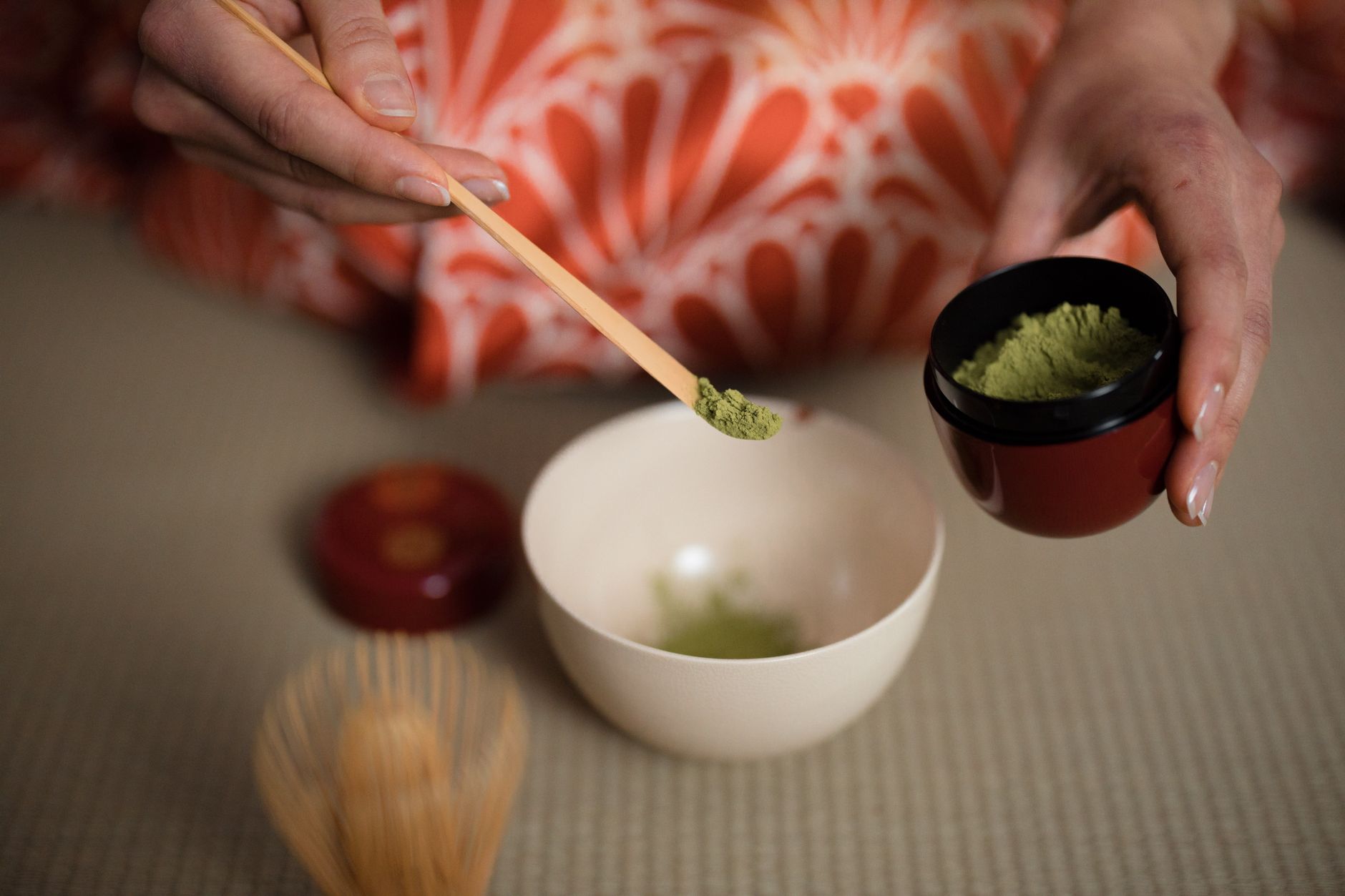
Matcha, a finely ground powder made from specially grown and processed green tea leaves, has gained popularity for its unique flavor and vibrant color. One of the most enticing aspects of matcha is its caffeine content, which invites many tea enthusiasts and health-conscious individuals alike to explore its benefits and effects.
In this article, we’ll delve into how much caffeine is in matcha, the factors that influence its caffeine content, and how it compares to other caffeinated beverages. Whether you’re a seasoned matcha drinker or new to this vibrant tea, we aim to equip you with the essential information you need.
How Much Caffeine Is in Matcha?
The caffeine content in matcha can vary, but on average, one teaspoon (about 2 grams) of matcha powder contains approximately 60 to 70 milligrams of caffeine. This is notably higher than what you would find in brewed green tea, which typically has about 20 to 30 milligrams per cup.
For perspective, a standard 8-ounce cup of brewed coffee contains around 95 to 200 milligrams of caffeine, depending on the brewing method and type of coffee bean used. While matcha has less caffeine than coffee, it offers a sustained energy boost without the jitters often associated with coffee consumption.
Factors Influencing Caffeine Content in Matcha
Several factors can impact the caffeine levels in matcha, including:
- Type of Matcha: Different grades of matcha, such as ceremonial and culinary, can have varying caffeine levels. Ceremonial matcha, often used in traditional tea ceremonies, typically has a higher caffeine content compared to culinary matcha, which is used in cooking and baking.
- Growing Conditions: The cultivation method, including shade-grown practices, can affect caffeine production in the leaves. Tea plants grown in shade tend to produce higher levels of both caffeine and the amino acid L-theanine, contributing to matcha’s unique flavor and calming effects.
- Preparation Technique: The way matcha is prepared can also impact its caffeine content. Using more matcha powder or a finer grind can elevate the caffeine levels in your drink.
Understanding the Effects of Caffeine and L-Theanine
Matcha contains a unique combination of caffeine and L-theanine, an amino acid that promotes relaxation. While caffeine generally raises alertness, L-theanine creates a more balanced energy experience, helping to prevent crashes and jitters associated with typical caffeine consumption.
This harmonious balance can result in a feeling of calm alertness, making matcha an ideal choice for those looking for sustained focus without adverse side effects. Many matcha drinkers report heightened clarity and concentration after consuming this delicate tea.
Preparing Matcha: Recommended Servings for Caffeine Content
The amount of matcha you consume directly affects your caffeine intake. Here are some general guidelines for preparing matcha-based beverages:
Standard Serving Sizes
- Matcha Latte: For a typical matcha latte, using 1 to 2 teaspoons of matcha powder provides about 60 to 140 milligrams of caffeine, depending on the number of teaspoons used.
- Matcha Tea: When preparing traditional matcha tea, 1 teaspoon of matcha powder is common, resulting in approximately 60 to 70 milligrams of caffeine.
- Matcha Smoothies: If incorporating matcha into a smoothie, you may use 1 teaspoon or more, lending about 60 to 140 milligrams of caffeine to your drink.
Adjusting Caffeine Levels
If you wish to control your caffeine intake, consider adjusting the amount of matcha powder you use:
- Use less powder for a smoother, less caffeinated experience.
- Add more powder if you desire a stronger flavor and higher caffeine boost.
Comparing Matcha to Other Teas and Coffees
Understanding matcha in relation to other caffeinated beverages can help you choose the right drink for your needs. Below is a comparison chart showcasing caffeine levels in various drinks:
| Beverage | Caffeine Content (per 8 oz) |
|---|---|
| Matcha (1 tsp) | 60 – 70 mg |
| Brewed Green Tea | 20 – 30 mg |
| Brewed Black Tea | 40 – 70 mg |
| Espresso | 63 mg |
| Brewed Coffee | 95 – 200 mg |
As you can see, matcha offers a moderate caffeine kick that can be an excellent alternative to coffee and traditional teas, especially for those sensitive to caffeine.
Potential Health Benefits of Matcha
Aside from its caffeine content, matcha is often lauded for its numerous health benefits. While scientific studies are ongoing, several attributed advantages include:
- Rich in Antioxidants: Matcha contains a rich supply of antioxidants, particularly catechins, which help combat free radicals in the body.
- Improved Focus: The combination of caffeine and L-theanine promotes concentration and cognitive function.
- Boosted Metabolism: Some studies suggest that matcha can enhance metabolic rate, aiding in weight management.
- Heart Health: Regular consumption of green tea, including matcha, is associated with a lower risk of cardiovascular diseases.
Common Mistakes in Preparing Matcha
When preparing matcha, certain mistakes can lead to a less pleasant taste or texture. Here are some tips to ensure you get the best cup every time:
- Using Water that is Too Hot: Brewing matcha with boiling water can scorch the leaves, leading to a bitter taste. Aim for water heated to around 175°F (80°C).
- Not Sifting the Matcha: Failing to sift the matcha powder can result in clumps in your drink. Sift before whisking to achieve a smoother consistency.
- Improper Whisking Technique: Use a bamboo whisk (chasen) in a “W” motion to create a frothy texture. Avoid circular whisking, which may not mix the powder effectively.
Storing Matcha for Optimal Freshness
To maintain the vibrant color, flavor, and nutritional benefits of matcha, proper storage is crucial. Here are some tips:
- Keep it Cool: Store matcha in a cool, dark place, away from direct sunlight, heat, and humidity.
- Use an Airtight Container: A sealed container can prevent oxidation and maintain freshness. Glass jars or vacuum-sealed bags work well.
- Check for Freshness: Matcha can lose its potency over time. Check the expiration date and use it within a few months of opening for best results.
Exploring Matcha Recipes
Incorporating matcha into your diet can be as simple as sipping a cup of tea or experimenting with creative recipes. Here are a few ideas to add variety to your matcha consumption:
1. Matcha Latte
A matcha latte is a delicious way to enjoy the flavor of matcha paired with milk of your choice. Simply whisk together matcha powder with a bit of hot water until smooth, then slowly add steamed milk for a creamy beverage.
2. Matcha Smoothie
Add a teaspoon of matcha to your favorite smoothie recipe for an extra kick of flavor and energy. Matcha pairs well with banana, spinach, and almond milk.
3. Matcha Energy Bites
Create no-bake energy bites using matcha, oats, nut butter, and honey. Form them into small balls and refrigerate for a quick, healthy snack.
Final Thoughts on Matcha and Caffeine
Understanding the caffeine content in matcha is essential for making informed choices about your beverage consumption. With its moderate caffeine levels and unique combination of L-theanine, matcha can offer a balanced energy experience that many people appreciate.
Whether you enjoy traditional matcha tea, lattes, or recipes that highlight this versatile ingredient, matcha is a delightful addition to various dietary habits. Its rich flavor and potential health benefits make it worth exploring.
As you delve into the world of matcha, consider how incorporating it into your daily routine can enhance your overall well-being. Enjoy the process and the delicious flavors that come with it.
If you want to learn more about matcha recipes, check out this Starbucks Lavender Matcha Recipe or try making a Lavender Matcha Latte for a floral twist on your next cup!