
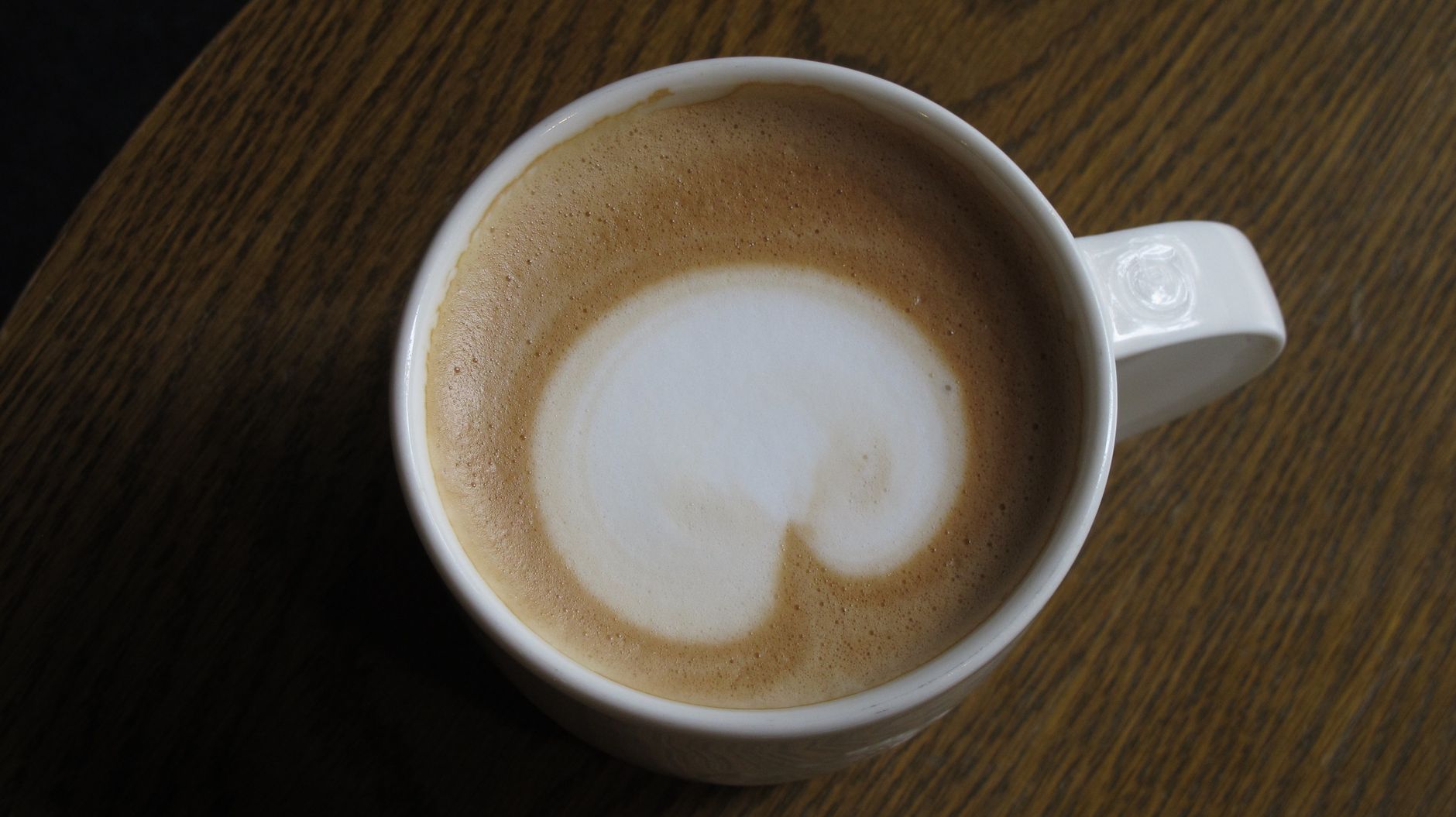
Starbucks chai, especially their popular chai tea latte, is a beloved drink for many coffee shop patrons. With its aromatic spices and smooth texture, it’s not just a comforting beverage but also a source of caffeine for those looking to jumpstart their day. Understanding how much caffeine is in Starbucks chai can help you make informed choices about your caffeine intake.
This guide will explore the caffeine content of Starbucks chai, provide insights into the ingredients that contribute to its unique flavor, and offer some fun facts about chai itself. Whether you are considering your next order or curious about making your own, we’ve got you covered.
How Much Caffeine Is in Starbucks Chai?
A standard Starbucks chai tea latte contains approximately 95 milligrams of caffeine per grande (16 oz) serving. However, the precise caffeine content can vary depending on the size of the drink, the specific ingredients used, and any additional shots of espresso you may opt to add.
Caffeine Content by Size
- Tall (12 oz): Approximately 70 mg of caffeine
- Grande (16 oz): Approximately 95 mg of caffeine
- Venti (20 oz): Approximately 120 mg of caffeine
- Trenta (30 oz): Not available for chai tea latte
What Contributes to Caffeine in Starbucks Chai?
The primary source of caffeine in Starbucks chai is the black tea used as the base for the drink. Each chai tea latte is crafted from a blend of traditional chai spices and a concentrate made from black tea. The specific type of black tea used can determine the overall caffeine level.
Black Tea and Its Caffeine Content
Black tea typically has more caffeine than other types of tea. On average, black tea contains about 40-70 mg of caffeine per 8 oz serving. The chai concentrate used by Starbucks falls within this range, which contributes to the standard caffeine content in your chai tea latte.
Spices and Flavor Enhancers
Chai is not just about tea; it’s also a spice-infused beverage. Aromatic spices like cardamom, cinnamon, ginger, and cloves create a rich flavor profile without adding significant caffeine. These spices not only enhance the taste but provide additional health benefits associated with each ingredient.
How Does Starbucks Prepare Their Chai?
Starbucks utilizes a chai concentrate that combines black tea and a variety of spices. This concentrate is blended with steamed milk (or a milk alternative) to create the warm, creamy chai latte that many enjoy. Note that the preparation method can influence the final caffeine content slightly due to steeping times and dilution with milk.
Preparation Method
- Start with the chai tea concentrate, which contains black tea and spices.
- Steam your choice of milk to the desired temperature, typically around 150°F to 160°F.
- Combine the steamed milk with the chai concentrate in the preferred ratio, usually about 1 part chai to 2 parts milk.
- Finish with a sprinkle of cinnamon or nutmeg for added flavor and aroma.
How to Customize Your Chai Latte
Starbucks allows customers to customize their chai lattes in various ways, which can influence the caffeine content as well as the flavor profile. Here’s how you can tailor your drink to meet your preferences.
Add Extra Shots of Espresso
If you are looking for an additional caffeine kick, consider asking for an extra shot of espresso in your chai latte. Each shot of espresso adds about 75 mg of caffeine, giving you a boost alongside the primary caffeine from the chai concentrate.
Alternate Milk Options
Starbucks offers different milk options, including almond, soy, oat, and coconut milk. Each of these can change the flavor and texture of your chai latte, but they do not directly influence the caffeine content unless you choose a milk addition that alters the amount of chai concentrate.
Flavor Additions
For those who want to experiment further, consider flavoring syrups like vanilla or caramel. While these add sweetness and a distinct flavor, they do not alter caffeine levels. Just be mindful that adding a syrup can introduce extra calories.
Exploring the Health Benefits of Chai
In addition to being a flavorful drink, chai can offer several potential health benefits. From digestive comfort to anti-inflammatory properties, the ingredients in your chai latte provide various benefits, particularly due to the spices used.
Spices and Their Benefits
- Ginger: Known for its ability to ease nausea and reduce inflammation.
- Cinnamon: Can help with blood sugar control and has antioxidant properties.
- Cardamom: Recognized for digestive support and may act as a natural diuretic.
- Cloves: Have antiseptic properties and are often used to aid dental health.
Common Misconceptions About Chai and Caffeine
There are several misconceptions regarding chai, especially concerning its caffeine levels when compared to traditional coffee drinks.
Chai vs. Coffee
- Caffeine Levels: Many think chai has lower caffeine than coffee, but in comparison, a standard grande chai latte does have a comparable amount of caffeine to a regular coffee at Starbucks.
- Spicy Flavor: Some believe the robust spices indicate high caffeine content, but spices do not contribute caffeine. Instead, the base tea is the key factor.
How Does Caffeine Impact Your Body?
Understanding how caffeine affects your body can provide insight into your chai choices. Caffeine can influence various aspects of health, both positively and negatively, depending on individual tolerance levels.
Positive Effects
- Increased alertness and energy levels.
- Potential improvements in cognitive functions and memory.
- Enhanced athletic performance due to increased endurance.
Negative Effects
- Increased heart rate or anxiety in sensitive individuals.
- Possibility of sleep disturbances when consumed late in the day.
- Overconsumption can lead to headaches or stomach issues.
Caffeine Recommendations
The general consensus suggests that up to 400 mg of caffeine per day is considered safe for most adults. Given the caffeine content of Starbucks chai, moderate consumption is well within a reasonable range, especially when enjoyed alongside a well-balanced diet.
What to Consider When Ordering Your Chai
When ordering a Starbucks chai, consider the following to enhance your experience:
Timing
Being mindful of the time you consume caffeine can impact your sleep schedule. Enjoying chai early in the day can help harness its energizing effects without interfering with nighttime rest.
Hydration
Caffeine can lead to increased urination, so balancing your chai consumption with adequate water intake is crucial.
How to Make Your Own Chai at Home
If you’re inspired to create your own chai, the good news is that it’s quite simple. Making a homemade chai latte allows for full control over ingredients and customization.
Homemade Chai Latte Recipe
Ingredients
- 2 cups water
- 2 tablespoons loose black tea or 2 tea bags
- 1-2 tablespoons sugar (to taste)
- 1 cup milk or milk alternative
- Spices (1 cinnamon stick, 4 cardamom pods, 4 cloves, and a small piece of fresh ginger)
Instructions
- Bring water to a boil in a saucepan and add the spices. Let simmer for about 5 minutes to release flavors.
- Add the black tea and simmer for an additional 3-5 minutes, depending on your desired strength.
- Strain the mixture to remove the spices and tea leaves.
- In a separate saucepan, heat the milk until steaming and froth it if desired.
- Combine the strained chai with milk and sugar to taste.
Storage and Reheating Guidance
If you prepare more chai than you can consume at once, it can be stored in the refrigerator for about 3 days. When reheating, use a stove or microwave, ensuring to heat to a warm temperature, but not boiling.
Final Thoughts
Understanding how much caffeine is in Starbucks chai helps you make better choices regarding your caffeine consumption. With the estimated caffeine content and delicious combinations available, chai tea lattes offer a delightful alternative to traditional coffee drinks. For those wanting personalization, consider how spice, milk type, and espresso shots can alter the experience.
Explore your creativity by making homemade chai lattes or trying out different variations of this beloved drink at Starbucks. There are a multitude of ways to enjoy chai beyond just a traditional latte.
If you’re interested in learning more about drinks, check out our recipes for a chai tea latte recipe or how to make a dirty chai latte.